Hydrocortisone for Mild Inflammatory Skin Conditions
Effective relief for eczema, dermatitis, insect bites and nappy rash with safe usage guidelines for mild skin inflammation.
About hydrocortisone
Hydrocortisone is a
mild topical corticosteroid
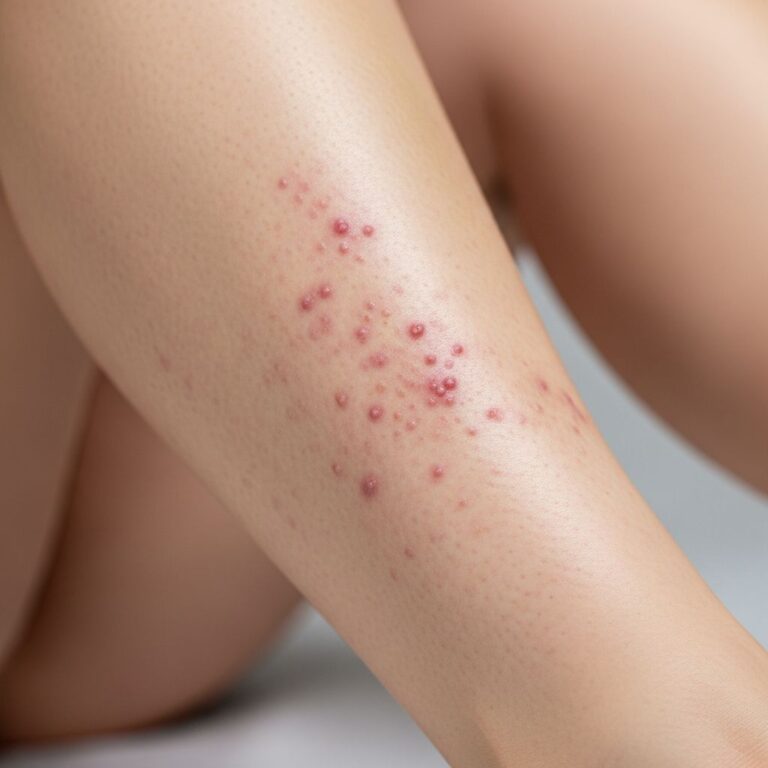
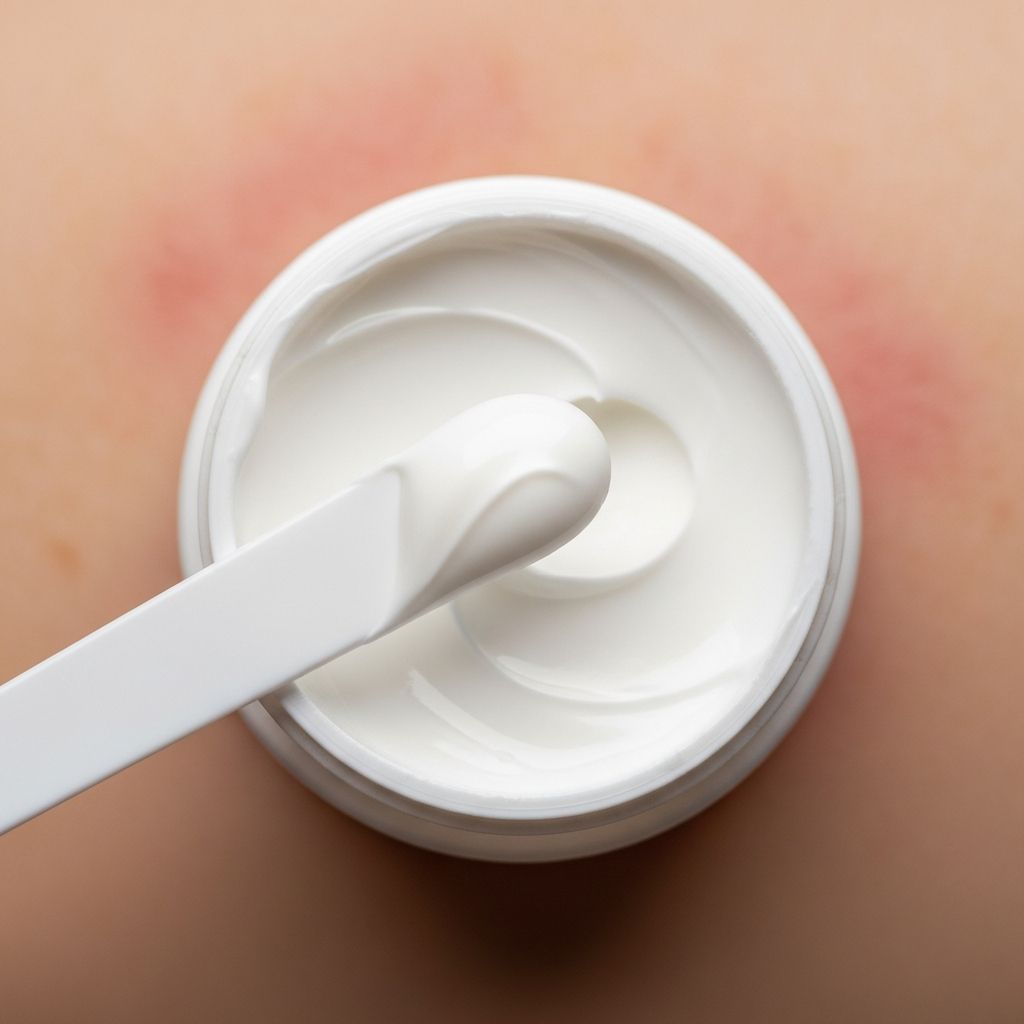
, commonly known by brand names such as Dermacort® and HC45®. It is widely used to managemild inflammatory skin conditions
including eczema, dermatitis, insect bites, and nappy rash. Available over-the-counter as cream or ointment, it effectively reduces redness, itching, swelling, and discomfort associated with these conditions.| Type of medicine | A mild topical corticosteroid |
|---|---|
| Used for | Mild inflammatory skin conditions such as eczema and dermatitis; insect bites; nappy rash |
| Also called | Dermacort®; HC45® |
| Available as | Cream and ointment |
Topical corticosteroids like hydrocortisone work by suppressing the skin’s overactive immune response, reducing inflammation at a cellular level. They constrict blood vessels to minimize redness and swelling, breaking the itch-scratch cycle that exacerbates conditions like eczema and psoriasis. Unlike stronger steroids, hydrocortisone’s mild potency makes it suitable for sensitive areas and short-term use without significant risk of side effects when applied correctly.
In eczema, hydrocortisone calms flare-ups by alleviating pruritus (intense itching) and restoring the skin barrier. For psoriasis, particularly in sensitive regions like the face or groin, it reduces plaque redness and slows excessive skin cell turnover. It is often combined with emollients (moisturizers) for optimal results, as recommended by dermatological guidelines.
Before using hydrocortisone
Consult a healthcare professional before use, especially if you have allergies to corticosteroids, viral skin infections (e.g., cold sores, chickenpox), fungal or bacterial infections, acne, rosacea, perioral dermatitis, or broken/thin skin. It is not suitable for widespread application or long-term use without medical advice.
- Do not use on children under 10 years, pregnant or breastfeeding women unless prescribed by a doctor.
- Avoid eyes, mouth, or mucous membranes; rinse immediately if contact occurs.
- Inform your doctor if using other skin treatments or medications.
- For rectal use (hemorrhoids), follow specific product instructions.
Hydrocortisone is generally safe for short courses but requires caution in pregnancy due to potential fetal harm risks, per FDA guidelines. Always patch-test if prone to allergies.
How to use hydrocortisone
Apply
once or twice daily
to affected areas. A treatment course of up to7 days
is typically sufficient for mild conditions; do not exceed without doctor approval.- Cleanse and dry the affected area gently.
- Apply a
thin layer
—use the fingertip unit (FTU) method: one FTU covers twice the area of an adult’s palm. - Massage gently until absorbed; wash hands afterward unless treating hands.
- Use only on inflamed, unbroken skin; avoid infected areas unless combined with antifungal/antibacterial.
Dosage guidelines:
| Condition | Adults | Children (over 10, if prescribed) |
|---|---|---|
| Eczema/Dermatitis | 2-3 times/day, max 7 days | Once/day, max 7 days |
| Insect bites | 1-2 times/day, 3-5 days | As prescribed |
| Nappy rash | 1-2 times/day after cleaning, max 7 days | Prescribed only |
Ointments suit dry skin; creams are better for moist or weepy areas. OTC strengths (0.5-1%) for mild cases; prescriptions up to 2.5% for moderate symptoms.
Related Stories



Health information for professionals and carers
For healthcare providers: Hydrocortisone 1% is first-line for mild atopic dermatitis flares. Monitor for tachyphylaxis (reduced response) with prolonged use. Combine with emollients; escalate to medium-potency steroids if no improvement in 7 days. In pediatrics, use minimally on face/diaper area due to absorption risks.
Prescribing notes: Available OTC; prescribe for under-10s, pregnancy, or >7 days. Counsel on FTU dosing to prevent overuse.
Common questions about hydrocortisone
How does hydrocortisone work?
It reduces inflammation by mimicking cortisol, suppressing immune chemicals causing redness, itch, and swelling. Relief often starts within hours.
Can I use hydrocortisone on my face?
Yes, for short periods (up to 7 days) on mild conditions, but avoid eyes and long-term use to prevent thinning.
Is hydrocortisone safe for babies with nappy rash?
Only if prescribed; combine with barrier creams and frequent changes. Limit to 7 days.
What if symptoms don’t improve?
Stop after 7 days and consult a doctor; may need stronger steroid or infection check.
Can hydrocortisone cause side effects?
Rare with short use: possible burning, dryness. Long-term: thinning, stretch marks. Apply thinly.
How much hydrocortisone should I use?
Thin layer via FTU: 1 FTU for child’s arm; adjust by area size.
Side-effects of hydrocortisone
Short courses (<4 weeks) are safe; side effects rare with mild hydrocortisone.
- Common: Temporary stinging, burning, dryness.
- Rare (prolonged use): Skin thinning, stretch marks, acne, rosacea, excess hair growth, allergic rash.
- Serious: Infection worsening, perioral dermatitis. Discontinue and seek medical help.
Minimize risks: thin application, twice daily max, affected areas only.
Alternatives to hydrocortisone
For unresponsive cases:
- Medium-potency steroids (e.g., clobetasone).
- Calcineurin inhibitors (tacrolimus) for face.
- Emollients, wet wraps for eczema.
- Biologics (dupilumab) for severe atopic dermatitis.
This comprehensive guide expands on hydrocortisone’s role, drawing from clinical practices. Always prioritize moisturizers alongside steroids for barrier repair. For persistent issues, professional evaluation ensures tailored care. Hydrocortisone remains a cornerstone for mild flares due to its safety profile and efficacy, backed by decades of use.
References
- Hydrocortisone for Eczema and Psoriasis: A Patient’s Guide — Honeydew Care. 2023. https://honeydewcare.com/blog/hydrocortisone-treatment-guide
- Hydrocortisone for mild inflammatory skin conditions — Patient.info. 2024-01-15. https://patient.info/medicine/hydrocortisone-for-mild-inflammatory-skin-conditions-dermacort-hc45
- Hydrocortisone: Uses and Safety Considerations — Poison Control (poison.org). 2023-05-10. https://www.poison.org/articles/hydrocortisone
- Hydrocortisone for eczema: How it works and other treatments — Medical News Today. 2024-02-20. https://www.medicalnewstoday.com/articles/hydrocortisone-for-eczema
- Hydrocortisone for skin: steroid for skin conditions — NHS.uk. 2025-03-12. https://www.nhs.uk/medicines/hydrocortisone-for-skin/
- Hydrocortisone (topical application route) — Mayo Clinic. 2024-11-05. https://www.mayoclinic.org/drugs-supplements/hydrocortisone-topical-application-route/description/drg-20073814
- Hydrocortisone Cream: Uses & Side Effects — Cleveland Clinic. 2024-07-18. https://my.clevelandclinic.org/health/drugs/18748-hydrocortisone-cream-lotion-ointment-or-solution
Similar Articles








Read full bio of medha deb