Hydrocortisone Rectal Foam: Uses, Dosage & Side Effects
Effective treatment for rectal inflammation in ulcerative colitis and proctitis flare-ups, providing targeted steroid relief.
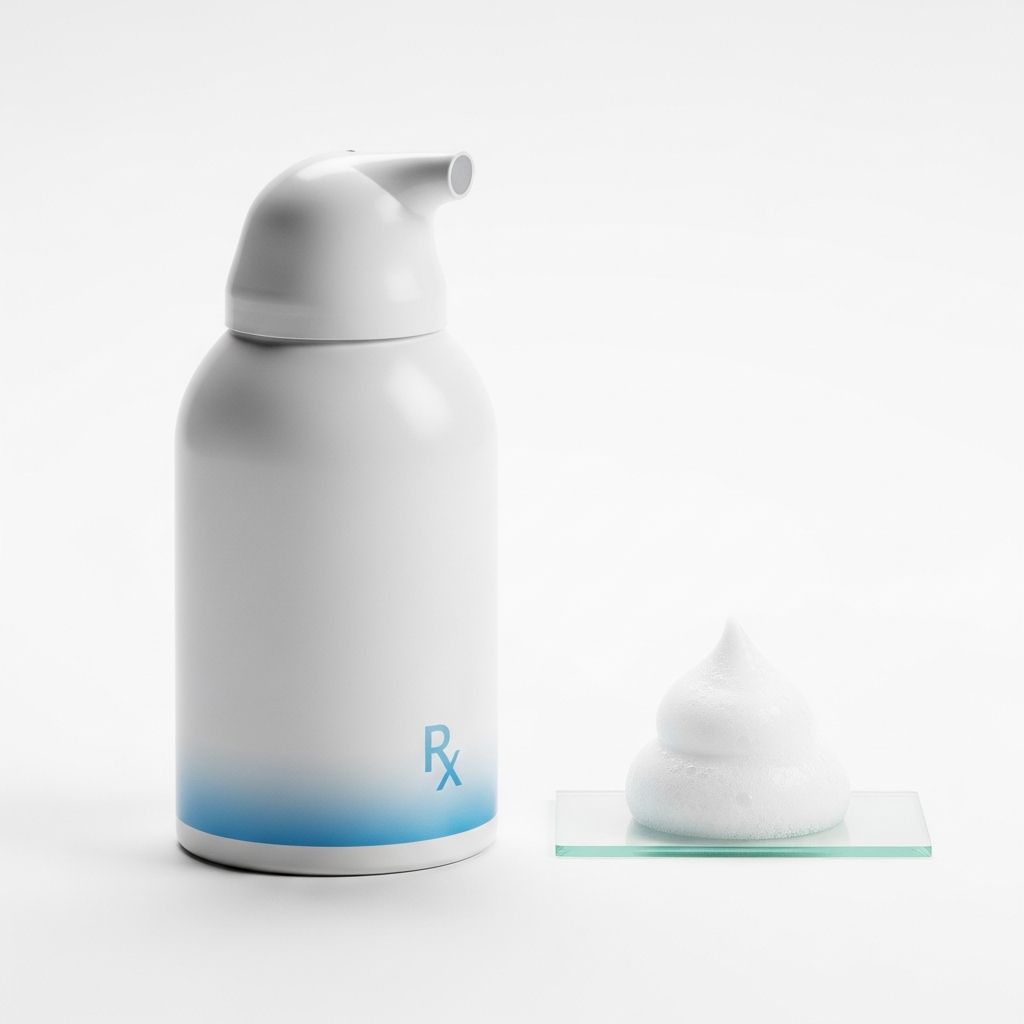
About hydrocortisone rectal foam
Hydrocortisone rectal foam is a topical corticosteroid medication designed to treat inflammation in the rectum and lower colon. It belongs to a class of medicines known as corticosteroids, commonly referred to as steroids, which work by reducing swelling, redness, and irritation in affected areas.
This foam is particularly useful for managing flare-ups of inflammatory bowel conditions affecting the distal rectum. Unlike oral steroids, it delivers the medication directly to the site of inflammation, minimizing systemic absorption and side effects.
| Type of medicine | A corticosteroid, also commonly called a steroid |
|---|---|
| Used for | Inflammation of the rectum and lower colon |
| Also called | Cortifoam® (or generics) |
| Available as | Foam-filled canister with a plastic applicator |
Ulcerative colitis (UC) involves patches of inflammation in the large intestine, often causing diarrhea mixed with blood and abdominal pain during flare-ups. When inflammation is limited to the lower colon and rectum (ulcerative proctitis), rectal foams like hydrocortisone provide targeted relief.
Hydrocortisone acetate 10% foam, such as Cortifoam, is FDA-approved as adjunctive therapy for ulcerative proctitis in patients unable to retain enemas. The foam spreads approximately 10 cm into the rectum, ensuring effective coverage.
Before using hydrocortisone rectal foam
Consult your doctor before starting this treatment, as it may not be suitable for everyone. Inform your healthcare provider if you have any of the following conditions:
- Pregnancy or breastfeeding (use only if benefits outweigh risks)
- Suspected bowel blockage or obstruction
- Sore, bleeding, or irritated skin around the anus
- Any infection, including tuberculosis (TB)
- Heart conditions or recent heart attack
- Liver or kidney problems
- History of blood clots, stomach ulcers, or mental health issues like depression or psychosis
- Allergic reactions to steroids or muscle pain from prior steroid use
Certain rectal conditions contraindicate use, including blocked intestine, abscesses, intestinal perforations, peritonitis, recent anastomosis surgery, or fistulas.
Disclose all medications, including over-the-counter, herbal, or complementary therapies, as interactions may occur. Regular monitoring is essential, especially for long-term use.
How to use hydrocortisone rectal foam
Always follow the manufacturer’s instructions and your doctor’s prescription. Read the patient leaflet carefully for step-by-step guidance.
- Prepare: Shake the canister well. Wash hands thoroughly. Empty your bowel and bladder if possible.
- Assemble applicator: Fill the plastic applicator with foam by holding the canister upright and pressing until full (typically one dose).
- Position: Stand with one leg raised on a chair or lie on your side with knees drawn up.
- Insert: Gently insert the applicator tip into the rectum (about 1 inch). Avoid inserting the canister itself.
- Administer: Push the plunger slowly to release the foam. Remain in position for a few minutes to allow absorption.
- Clean: Disassemble and wash the applicator with warm soapy water after each use. Do not immerse the canister in water.
Typical dosing is once or twice daily for 2-3 weeks, then tapered to once daily or alternate days. Use for up to 8 weeks maximum, or as directed. Do not exceed recommended amounts.
If you forget a dose, apply the next one as scheduled—do not double up. Store at room temperature, away from heat.
Getting the most from your treatment
To optimize results:
- Attend all follow-up appointments for progress checks.
- Complete the full course, even if symptoms improve.
- Avoid sudden stopping; taper as advised to prevent rebound inflammation.
- Monitor for illness or exposure to measles, chickenpox, or shingles—seek immediate medical advice due to immunosuppression.
- Report lack of improvement after 2-3 weeks or worsening symptoms.
- Do not use if stools contain blood; contact your doctor promptly.
Related Stories



Regular check-ups ensure safe use, especially if symptoms persist.
Possible side effects
Like all medications, hydrocortisone rectal foam can cause side effects, though not everyone experiences them. Most are mild and local.
Common side effects
| Side effect | What to do |
|---|---|
| Local irritation (itching, burning) | Usually eases soon; speak to doctor if persistent |
| Rectal pain or discomfort | Report if severe or ongoing |
Serious side effects (rare)
- Rectal bleeding, severe pain, or pus
- Shortness of breath, ankle swelling, rapid weight gain
- Mood changes: anxiety, confusion, harmful thoughts
- Signs of infection or allergic reaction
Systemic absorption is minimal but possible with prolonged use, potentially leading to steroid-related effects like weakened immunity. Seek urgent care for serious symptoms.
For long-term steroid info, refer to guidelines on oral corticosteroids.
Frequently Asked Questions (FAQs)
Q: What conditions does hydrocortisone rectal foam treat?
A: Primarily ulcerative proctitis, distal ulcerative colitis flare-ups, hemorrhoids, and other rectal inflammations.
Q: How long should I use it?
A: Typically 2-3 weeks initially, up to 8 weeks total, with tapering. Follow your doctor’s instructions.
Q: Can I use it if pregnant?
A: Only if prescribed; discuss risks with your doctor.
Q: What if I miss a dose?
A: Skip and resume next scheduled dose; do not double.
Q: Does it cure ulcerative colitis?
A: No, it’s for symptom relief during flare-ups, as adjunctive therapy.
Q: Can children use it?
A: Safety not established in pediatrics; consult a specialist.
References
- Hydrocortisone Rectal Details — WebMD. 2024. https://www.webmd.com/drugs/2/drug-5219-3021/hydrocortisone-acetate-rectal/hydrocortisone-suppository-rectal/details
- Hydrocortisone Rectal Foam/Enema — Watertown Internists. 2024. https://www.watertowninternists.com/PatientPortal/MyPractice.aspx?UAID=%7B3C7DCB0A-303F-408F-B4FE-7BE705956F23%7D&ID=HW5d00254n1&Title=Colocort
- Hydrocortisone Rectal Foam — Patient.info. 2024. https://patient.info/medicine/hydrocortisone-rectal-foam-2
- Hydrocortisone Rectal Foam — Cleveland Clinic. 2024. https://my.clevelandclinic.org/health/drugs/18722-hydrocortisone-rectal-foam
- Hydrocortisone Foam – Rectal — MyHealth Alberta. 2024. https://myhealth.alberta.ca/Health/medications/Pages/conditions.aspx?hwid=fdb2245
- Cortifoam (Hydrocortisone Acetate 10%) Label — FDA. 2024-01-01. https://www.accessdata.fda.gov/drugsatfda_docs/label/2024/017351s041lbl.pdf
Similar Articles








Read full bio of medha deb