Hydrocortisone Tablets for Cortisol Replacement
Essential guide to hydrocortisone tablets (Hydventia, Plenadren) for managing adrenal insufficiency and cortisol replacement therapy.

About hydrocortisone
Hydrocortisone belongs to a group of medicines called corticosteroids, which are similar to the steroid hormones your body naturally produces, particularly cortisol. It is used as replacement therapy for individuals whose adrenal glands do not produce sufficient steroid hormones like cortisol. This condition is known as adrenal insufficiency or Addison’s disease, and it can also occur after surgical removal of the adrenal glands.
Cortisol is vital for regulating metabolism, immune response, and stress adaptation. Without adequate levels, patients can experience severe fatigue, low blood pressure, and life-threatening crises. Hydrocortisone tablets, such as Hydventia® and Plenadren® (modified-release), mimic natural cortisol production.
| Type of medicine | A corticosteroid medicine |
|---|---|
| Used for | Cortisol replacement in Addison’s disease or post-adrenalectomy |
| Also called | Hydventia®, Plenadren® (modified-release tablets), Efmody® (modified-release capsules), Alkindi® (granules for children) |
Hydrocortisone is typically prescribed with fludrocortisone, which replaces aldosterone to manage salt and water balance.
When to take hydrocortisone replacement treatment
This treatment is essential for primary adrenal insufficiency (Addison’s disease), secondary adrenal insufficiency, or after bilateral adrenalectomy. Symptoms of untreated deficiency include extreme tiredness, weight loss, low blood pressure, nausea, and hyperpigmentation. In children, oral granules like Alkindi are used for pediatric adrenal insufficiency.
Low-dose hydrocortisone has shown benefits in improving wellbeing and pain tolerance in patients with opioid-induced hypocortisolemia.
How hydrocortisone works
Hydrocortisone replaces deficient cortisol, helping the body respond to stress, maintain blood pressure, and regulate inflammation. It decreases swelling, modulates immune activity, and supports metabolic functions. Unlike synthetic steroids, hydrocortisone closely matches the body’s natural hormone profile, minimizing side effects when dosed appropriately.
Dosage
Dosage aims to replicate the body’s natural cortisol rhythm: higher in the morning, lower at night. Total daily dose is typically 15-25 mg for adults, divided into 2-3 doses.
- Standard immediate-release (e.g., Hydventia): 10 mg on waking, 5-10 mg mid-afternoon, 5 mg early evening.
- Plenadren (modified-release): 20-30 mg once daily in the morning with food for smoother release.
- Children: Weight-based, e.g., Alkindi granules 0.1-0.3 mg/kg/day in 3 doses.
Adjustments are made based on symptoms, blood tests, and stress levels. Lowest effective dose prevents over-replacement.
How to take hydrocortisone tablets
Take with or after food to reduce stomach upset. Swallow whole; do not crush modified-release forms like Plenadren. For granules, mix with water or soft food. Consistency in timing mimics circadian rhythm.
Cautions before starting hydrocortisone
- Increased infection risk due to immunosuppression.
- Caution in diabetes, hypertension, osteoporosis, glaucoma, or psychiatric history.
- Avoid abrupt stopping; taper gradually to prevent adrenal crisis.
- Inform doctors/dentists about treatment before surgery or anesthesia.
Pregnancy/breastfeeding: Generally safe; monitor doses.
Effects on the skin
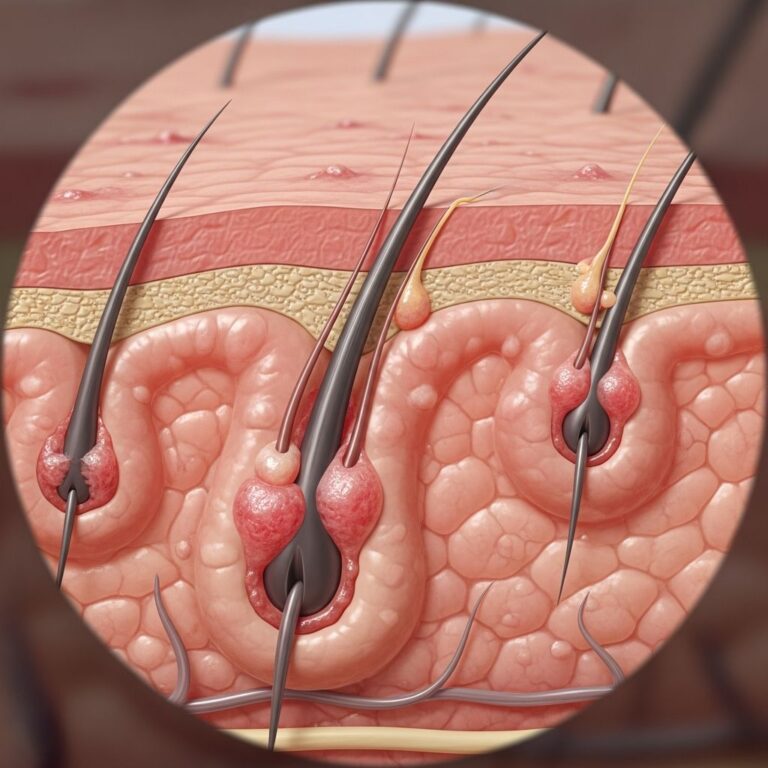
Long-term use may cause thinning skin, bruising, slow healing, acne, or stretch marks. Use lowest dose; monitor regularly.
Related Stories



Side-effects
Common: Weight gain, mood changes, insomnia, indigestion.
| Common side-effects | What can I do if I experience this? |
|---|---|
| Indigestion, heartburn | Take tablets with/after food. Consider antacids if needed |
| Sleep problems | Avoid evening doses if possible |
| Mood changes | Discuss with doctor; may adjust dose |
| Increased appetite/weight gain | Balanced diet, exercise |
Serious: Adrenal crisis signs (vomiting, severe pain, dehydration)—seek emergency care. Long-term: Osteoporosis, cataracts, hypertension. Report persistent issues.
Sick day rules
During illness, stress increases cortisol needs. Follow rules to prevent crisis:
Mild illness (e.g., cold, fever >37.5°C):
- Double dose for 2-3 days.
- Monitor temperature, oral intake.
Severe illness (vomiting, diarrhoea, injury):
- Triple dose or switch to hydrocortisone injections.
- Seek medical help if cannot keep down tablets.
Always carry emergency information and injection kit.
Travelling with hydrocortisone
Take double supply, keep in carry-on. Inform airline/security. Carry medical letter. Adjust for time zones to maintain rhythm. Have injection kit for emergencies.
If you take too much hydrocortisone
Overdose may cause Cushing’s symptoms: rounded face, high blood sugar. Seek immediate medical advice.
Stopping hydrocortisone
Never stop suddenly; taper under supervision to allow adrenal recovery. Abrupt halt risks crisis.
Non-urgent advice: Tell your doctor if:
- Side-effects bother you.
- Pregnant/planning pregnancy.
- New symptoms or infections.
- Planning surgery.
Frequently Asked Questions (FAQs)
Q: What is hydrocortisone used for?
A: Primarily for cortisol replacement in adrenal insufficiency, Addison’s disease, or post-adrenal surgery.
Q: How does hydrocortisone differ from other steroids?
A: It closely mimics natural cortisol, used at physiological doses for replacement rather than high-dose anti-inflammatory effects.
Q: What are sick day rules?
A: Increase doses during illness: double for mild, triple for severe, with emergency injections if needed.
Q: Can I drink alcohol on hydrocortisone?
A: Moderate alcohol ok, but excess increases side-effect risks like indigestion or mood changes.
Q: Is hydrocortisone safe long-term?
A: Yes, with monitoring for bone density, eyes, and blood pressure to manage risks.
References
- Hydrocortisone: MedlinePlus Drug Information — MedlinePlus (U.S. National Library of Medicine). 2023-10-15. https://medlineplus.gov/druginfo/meds/a682206.html
- Hydrocortisone for cortisol replacement – Patient.info — Patient.info. 2024-05-20. https://patient.info/medicine/hydrocortisone-tablets-for-cortisol-replacement-hydventia-plenadren
- Low-dose hydrocortisone replacement improves wellbeing and pain tolerance… — PubMed (Psychoneuroendocrinology). 2015-03-14. https://pubmed.ncbi.nlm.nih.gov/25827960/
- Hydrocortisone: Uses, Interactions, Mechanism of Action — DrugBank. 2024-01-10. https://go.drugbank.com/drugs/DB00741
- Hydrocortisone tablets, USP – Labeling — Pfizer. 2023-11-01. https://labeling.pfizer.com/ShowLabeling.aspx?id=992
Similar Articles








Read full bio of medha deb