Hydromorphone for Cancer Pain (Palladone)
Comprehensive guide to using hydromorphone (Palladone) for effective cancer pain relief, including dosage, side effects, and safety precautions.
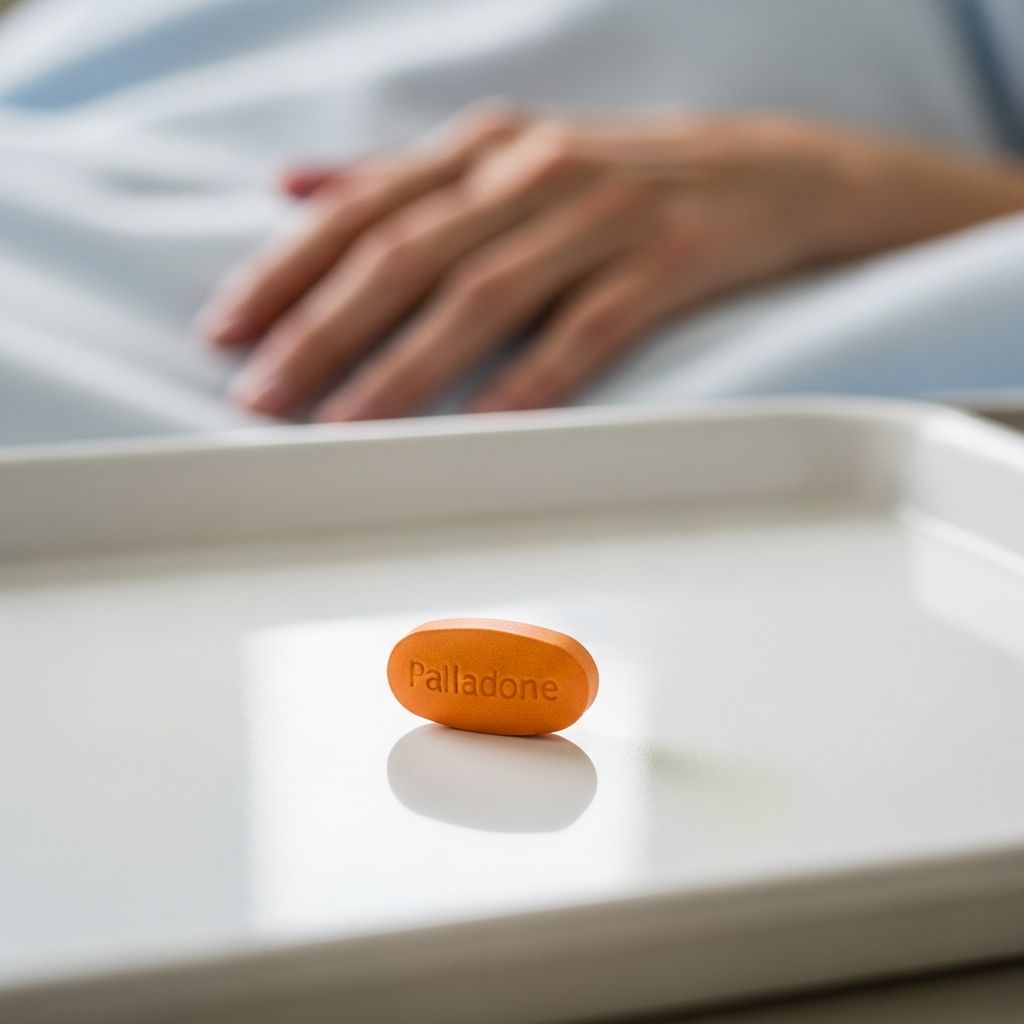
This medicine is an opioid painkiller. There is a serious risk of addiction when taking this medicine, especially if used long-term. The Medicines and Healthcare products Regulatory Agency (MHRA) has issued guidance emphasizing safe use of opioids. Always consult your doctor or pharmacist if you have concerns about opioid safety.
Hydromorphone is a potent strong opioid analgesic specifically indicated for severe pain associated with cancer in adults. It acts directly on the central nervous system and brain to diminish pain perception, providing significant relief for patients experiencing moderate to severe cancer-related pain. Cancer pain affects up to 90% of advanced cancer patients, with 30-50% reporting moderate to severe intensity that profoundly impacts daily life. Effective management is crucial to improve quality of life.
The capsules are designed for oral administration: they can be swallowed whole with water or, if preferred, opened to sprinkle contents onto soft foods like yogurt for easier intake, particularly beneficial for patients with swallowing difficulties.
Common side effects include constipation, drowsiness, and nausea. Healthcare providers often prescribe adjunctive medications, such as laxatives for constipation or antiemetics for nausea, to mitigate these effects and enhance tolerability.
| Type of medicine | Strong opioid painkiller |
|---|---|
| Used for | Pain relief in adults with cancer |
| Also called | Palladone® |
| Available as | Capsules and modified-release capsules |
About hydromorphone
Strong opioids represent the cornerstone of therapy for severe pain unresponsive to weaker analgesics. Hydromorphone hydrochloride, marketed as Palladone®, exemplifies this class. It is semi-synthetic derivative of morphine, offering approximately 5-7 times greater potency on a milligram-for-milligram basis, allowing for lower doses while achieving comparable analgesia.
Hydromorphone targets mu-opioid receptors in the brain and spinal cord, altering pain signal transmission and perception. This mechanism effectively reduces the sensory and emotional components of pain, which is particularly vital in cancer where pain can be nociceptive (from tissue damage), neuropathic (nerve-related), or mixed.
Available formulations include immediate-release capsules (Palladone®) for rapid onset and modified-release capsules (Palladone® SR) for sustained delivery. The modified-release versions provide steady-state pain control over 12-24 hours, minimizing peaks and troughs in pain intensity and improving sleep quality—a common issue in cancer pain, where nighttime exacerbations disrupt rest. Clinical trials confirm hydromorphone delivers consistent overnight relief, making it suitable for patients struggling with sleep due to pain.
Compared to alternatives like morphine and oxycodone, hydromorphone demonstrates equivalent analgesic efficacy. A Cochrane review of randomized controlled trials (RCTs) involving 504 adults found no significant differences in pain intensity reduction (e.g., VAS scores: hydromorphone 28.86 ± 17.08 vs. oxycodone 30.30 ± 25.33; BPI worst pain: 3.5 ± 2.9 vs. morphine 4.3 ± 3.0). Most participants achieved mild or no pain, with similar adverse event profiles.
Hydromorphone may be preferred in cases of intolerance to other opioids, such as morphine-induced histamine release causing itching, due to its lower histamine-releasing potential. Its high solubility also facilitates use in renal impairment, where morphine metabolites can accumulate.
How to take hydromorphone
Prior to initiating therapy, carefully review the patient information leaflet (PIL) enclosed with the medication pack. This document details hydromorphone specifics, including a comprehensive side-effect list and administration guidance.
Related Stories



Dosing must strictly adhere to prescriber instructions, titrated individually based on pain severity, prior opioid exposure, and response. Immediate-release Palladone® capsules are typically administered every 4 hours as needed for breakthrough pain. Modified-release Palladone® SR capsules are taken every 12 hours for background pain control, maintaining consistent plasma levels.
- Swallow capsules whole with water; do not crush or chew modified-release forms, as this destroys the release mechanism.
- For those unable to swallow, open capsules and mix contents with soft food (e.g., applesauce, yogurt); consume immediately without chewing.
- Take with or without food, though post-meal dosing may reduce nausea.
- Miss a dose? Take as soon as remembered unless near next dose; never double up.
Inform all healthcare providers, including surgeons or dentists, of hydromorphone use prior to procedures, as it may affect anesthesia and recovery. Drug interactions are common: avoid combining with alcohol, sedatives, or other CNS depressants, which amplify drowsiness and respiratory depression risks. Consult a pharmacist before adding over-the-counter remedies.
For international travel, obtain a doctor’s letter explaining the prescription, as hydromorphone is a Schedule 2 controlled substance subject to strict regulations and import/export controls.
Discontinuation requires gradual tapering to prevent withdrawal syndrome, characterized by agitation, anxiety, sweating, and pain rebound. Your doctor will transition to an alternative analgesic or reduce dose stepwise over days to weeks.
Who can and cannot take hydromorphone
Hydromorphone is contraindicated in certain conditions due to heightened risks:
- Severe respiratory depression or acute asthma attacks.
- Paralytic ileus (bowel obstruction).
- Acute alcoholism or delirium tremens.
- Known hypersensitivity to opioids.
Use cautiously and with dose adjustments in:
- Opioid-naïve patients (start low, go slow).
- Renal or hepatic impairment (reduced clearance prolongs effects).
- Prostatic hypertrophy or urinary retention.
- Respiratory conditions like COPD or asthma.
- Hypotension, hypothyroidism, adrenocortical insufficiency, or pancreatitis.
- Elderly or debilitated patients (increased sensitivity).
Pregnancy and breastfeeding require specialist oversight; hydromorphone crosses the placenta and enters breast milk, potentially causing neonatal respiratory depression.
Can hydromorphone cause problems?
While effective, hydromorphone carries risks of adverse effects, primarily opioid-class effects. Tolerance often develops to nausea and sedation, but constipation persists without prophylaxis.
| Side effect | What to do if affected |
|---|---|
| Feeling sick (nausea) or vomiting | Stick to simple meals; avoid spicy foods. Take after food. Consider antiemetics. |
| Constipation | Increase fiber, fluids; use laxatives as prescribed. |
| Drowsiness, dizziness | Avoid driving, operating machinery, alcohol until adjusted. |
| Itching or rash | Inform doctor; may switch opioids. |
| Shallow breathing | Seek urgent medical help. |
Trials report comparable adverse events to morphine/oxycodone: nausea (20-30%), constipation (15-25%), vomiting (10-20%), dizziness, somnolence. Non-opioid effects like pyrexia or decreased appetite occur equally across groups. Serious risks include respiratory depression (dose-related), addiction (monitor for misuse), and overdose (pinpoint pupils, coma). Naloxone reverses acute opioid toxicity.
Overdose symptoms: Severe nausea/vomiting, respiratory depression, unconsciousness. Call emergency services immediately, providing medicine details.
How to cope with side effects of hydromorphone
Proactive management enhances adherence:
- Nausea: Small, bland meals; ginger or acupressure; prescribed ondansetron.
- Constipation: Daily senna/lactulose; prune juice; mobility.
- Sedation: Short naps; caffeine moderation; dose timing.
- Pruritus: Antihistamines; opioid rotation.
Regular monitoring by palliative care teams optimizes therapy.
Pregnancy and breastfeeding while taking hydromorphone
Use only if benefits outweigh risks; category C in pregnancy. Chronic use may cause neonatal withdrawal. Limited data on breastfeeding; pump and discard milk initially.
Frequently asked questions (FAQs)
Can I drink alcohol while taking hydromorphone?
No. Alcohol potentiates sedation and respiratory depression, risking life-threatening complications.
How long does it take for hydromorphone to work?
Immediate-release: 30-60 minutes peak. Modified-release: 6 hours steady-state.
Is hydromorphone stronger than morphine?
Yes, 5-7 times more potent, allowing smaller doses with similar efficacy.
What if I forget a dose?
Take promptly unless near next; skip if so. Never double.
Can hydromorphone be used for non-cancer pain?
Primarily for cancer; off-label for severe chronic pain under specialist care.
References
- Hydromorphone for cancer pain – Palladone — Patient.info. 2023. https://patient.info/medicine/hydromorphone-for-cancer-pain-palladone
- Hydromorphone for cancer pain — Bao YJ et al., Cochrane Database Syst Rev (PMC). 2016-04-18. https://pmc.ncbi.nlm.nih.gov/articles/PMC6457981/
- The role of hydromorphone in cancer pain treatment — Epistemonikos. 2023. https://www.epistemonikos.org/fr/documents/6c509a636cd1e14c3636f1b28f296b6900d790a6
- Hydromorphone for cancer pain – Palladone. Opioid analgesics — Patient.info Community. 2023. https://community.patient.info/t/hydromorphone-for-cancer-pain-palladone-opiod-analgesics/813673
Similar Articles








Read full bio of Sneha Tete