Hydronephrosis: Causes, Symptoms, Diagnosis & Treatment
Comprehensive guide to hydronephrosis: understanding kidney swelling, causes, symptoms, and treatment options.
Understanding Hydronephrosis
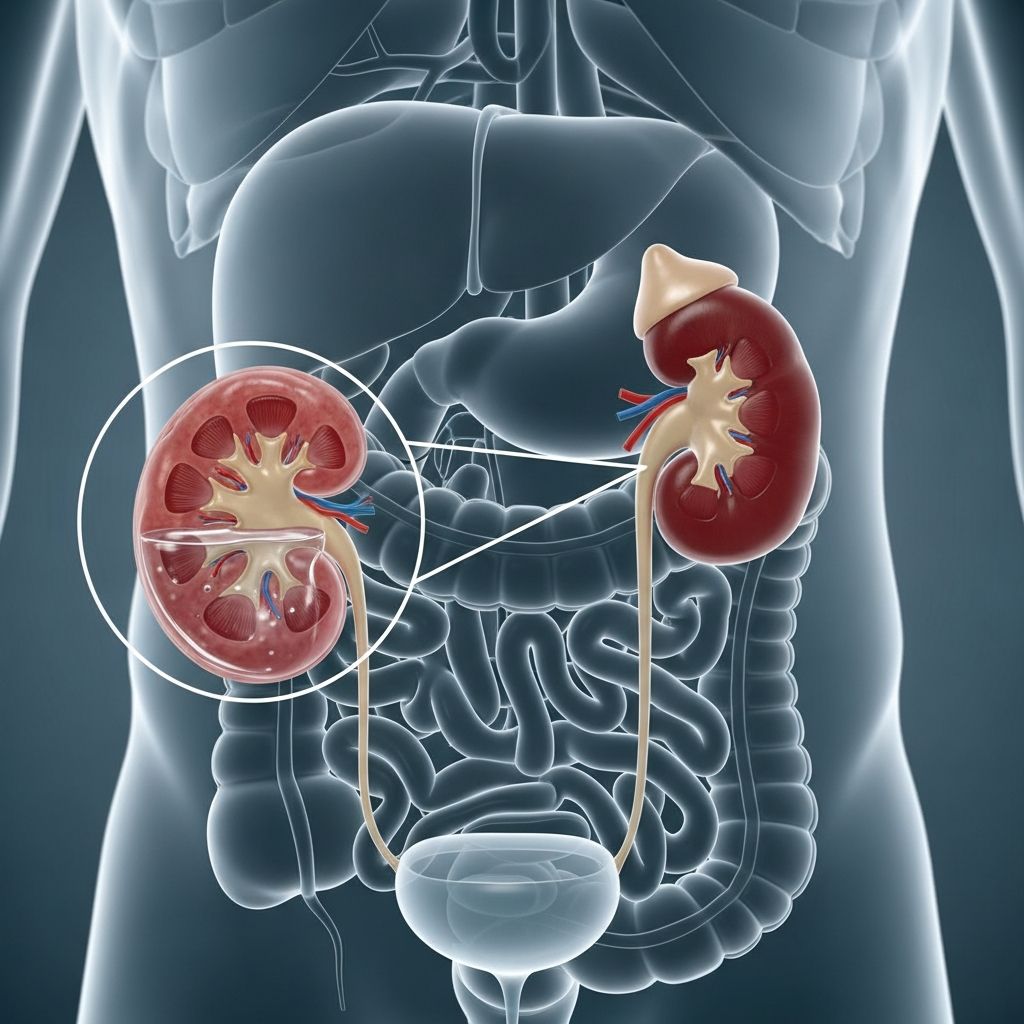
Hydronephrosis is a medical condition characterized by swelling of one or both kidneys caused by an accumulation of urine due to blockage or obstruction in the urinary tract. This condition can affect individuals of any age, from infants to adults, and requires prompt medical attention to prevent long-term complications. When hydronephrosis occurs before birth, it is referred to as fetal or antenatal hydronephrosis and can be detected through prenatal ultrasounds.
The main function of your urinary tract is to remove waste and fluid from your body. Your urinary tract consists of several key components: the kidneys, which filter waste from blood; the ureters, which are tubes that carry urine from the kidneys to the bladder; the bladder, which stores urine; and the urethra, which carries urine out of the body. When any blockage or obstruction occurs between the kidney and ureter, hydronephrosis can develop, preventing urine from flowing freely.
What Causes Hydronephrosis?
Hydronephrosis results from disturbances to the system that drains urine from the kidneys. There are two main types of disturbances: blockages within the urinary tract that reduce or stop urine passage, and vesicoureteral reflux, where urine flows backward from the bladder into the kidneys, causing overfilling and swelling.
Common Causes in Adults
In adults, several conditions can lead to hydronephrosis:
Kidney Stones: One of the most common causes, kidney stones can obstruct the ureter and prevent urine flow. Individuals who have experienced kidney stones should maintain proper hydration to reduce recurrence risk.
Urinary Tract Infections (UTIs): Severe UTIs can cause swelling and blockages in the urinary tract, resulting in hydronephrosis. These infections need prompt treatment to prevent complications.
Tumors: Tumors in the pelvis or bladder can obstruct urine flow and develop silently, sometimes presenting only when kidney failure symptoms appear.
Scarring: Scarring from previous surgeries, radiation treatments, or infections can lead to narrowing of the ureters and cause hydronephrosis.
Prostate Enlargement: In men, an enlarged prostate can obstruct the urethra and contribute to hydronephrosis.
Ureteral Strictures: Narrowing of the ureter can impede urine flow and result in kidney swelling.
Vesicoureteral Reflux: This condition allows urine to flow backward into the kidneys, causing increased pressure and swelling.
Recognizing Symptoms of Hydronephrosis
The symptoms of hydronephrosis vary depending on whether the condition is acute or chronic. Mild cases may not present noticeable symptoms, while more severe instances can lead to significant discomfort and complications.
Acute Hydronephrosis Symptoms
Acute hydronephrosis typically develops suddenly and may present with the following symptoms:
– Severe pain in the side, back, or abdomen
– Nausea and vomiting
– Fever
– Urgency to urinate frequently
– Pain during urination
– Difficulty urinating
– Blood in the urine
Chronic Hydronephrosis Symptoms
Chronic hydronephrosis develops over time, and there may be no specific symptoms initially. However, as the condition progresses, individuals may experience nonspecific symptoms including:
Related Stories



– Weakness and malaise
– Chest pain
– Shortness of breath
– Leg swelling
– Nausea and vomiting
– Heart rhythm disturbances (if electrolyte abnormalities occur)
– Muscle spasms
In chronic cases, symptoms of kidney failure may develop due to the kidneys’ inability to regulate sodium, potassium, and calcium properly. These nonspecific symptoms may delay diagnosis, making it important to seek medical attention if you experience persistent discomfort or urinary changes.
Diagnosis and Imaging
Healthcare providers use various diagnostic tools to confirm hydronephrosis and identify its underlying cause. Early detection is crucial for preventing permanent kidney damage.
Diagnostic Methods
Ultrasound: Ultrasound is often the first imaging method used to diagnose hydronephrosis. It can detect kidney swelling and is particularly useful for prenatal detection of fetal hydronephrosis.
CT Scans: Computed tomography provides detailed images of the urinary tract and can help identify the specific cause of obstruction, such as kidney stones or tumors.
MRI: Magnetic resonance imaging may be used to provide additional detail about kidney structure and function without radiation exposure.
Blood Tests: Laboratory work can assess kidney function by measuring creatinine levels and glomerular filtration rate (GFR).
Urine Tests: Urinalysis can detect signs of infection or other abnormalities in the urinary system.
Treatment Options for Hydronephrosis
The goal of hydronephrosis treatment is to restart the free flow of urine from the kidney and decrease the swelling and pressure that builds up and decreases kidney function. Treatment plans vary significantly based on the severity of the condition and its underlying causes.
Conservative Management
In mild cases of hydronephrosis, treatment may not be immediately necessary. Doctors may recommend simply monitoring the situation with the expectation that it will probably correct itself in a short time. This is often the case for individuals whose hydronephrosis is caused by temporary conditions, such as pregnancy-related obstruction.
Initial care for patients focuses on minimizing pain and preventing urinary tract infections through appropriate medication and management strategies.
Catheterization and Drainage
For patients with urinary retention and an enlarged bladder as the cause of hydronephrosis, bladder catheterization may be all that is needed for initial treatment. For acute cases, inserting a catheter such as a ureteral stent or nephrostomy tube may be necessary to drain urine and relieve pressure on the kidney.
A urologist may place a stent into the ureter that bypasses the obstruction and allows urine to flow from the kidney. Using a fiberoptic scope inserted through the urethra into the bladder, the urologist can visualize where the ureter enters and can thread the stent through the ureter into the kidney pelvis, bypassing any obstruction.
Surgical Intervention
Surgery may be necessary in several scenarios:
Removal of Obstruction: Surgery may be needed if hydronephrosis is due to kidney stones, tumors, strictures, or other blockages that cannot be treated through less invasive methods.
Treatment of Underlying Conditions: If hydronephrosis is secondary to conditions such as prostate enlargement, strictures, or tumors, treating these underlying causes is crucial.
In severe cases where hydronephrosis causes permanent damage and kidney failure, dialysis or a kidney transplant may become necessary to maintain health and quality of life.
Potential Complications
If hydronephrosis remains untreated, serious complications can develop. A significant complication is decreased kidney function, as the increased pressure of extra fluid within the kidney decreases the blood filtration rate and may cause structural damage to kidney cells.
Short-term and Long-term Effects
Kidney function will begin decreasing almost immediately with the onset of hydronephrosis but is reversible if the swelling resolves promptly. Usually, kidneys recover well even if there is an obstruction lasting up to 6 weeks. However, if the duration is prolonged, the damage is often permanent.
If hydronephrosis remains untreated, the increased pressure within the kidney may decrease the ability of the kidney to filter blood, remove waste products, and make urine as well as regulate electrolytes in the body. This can lead to:
– Kidney infections
– Chronic kidney disease
– Complete kidney function loss
– Potential death if severe complications develop
Early detection and intervention are essential to prevent these serious complications. The difference between acute hydronephrosis, where kidney function returns to normal after resolution of swelling, and chronic hydronephrosis, which involves gradual development and slow loss of kidney function, emphasizes the importance of prompt treatment.
Prevention and Risk Reduction
Since hydronephrosis is a condition that occurs because of an underlying cause, prevention depends upon avoiding or promptly treating the underlying condition. Recognizing factors that put you at risk is helpful in prevention.
Prevention Strategies
Kidney Stone Prevention: Individuals with kidney stones that cause ureteral obstruction and hydronephrosis may try to decrease the chance of recurrent stones by keeping well hydrated. Changes in diet and some medications may be prescribed for patients prone to developing kidney stones.
UTI Management: Promptly treating urinary tract infections can prevent complications that may lead to hydronephrosis.
Regular Screening: For individuals with risk factors, regular medical check-ups and monitoring can detect conditions early before they cause hydronephrosis.
Lifestyle Modifications: Maintaining proper hydration, following a balanced diet, and managing underlying health conditions like prostate issues can help reduce hydronephrosis risk.
Living with Hydronephrosis
Try not to worry about a hydronephrosis diagnosis. In most cases, treatment will allow you to continue on with your life as usual without any long-term complications. However, prompt treatment is essential to reduce the risk of long-term complications and permanent kidney damage.
Discuss any questions you have about hydronephrosis and your recovery with your healthcare provider. They can let you know if there are lifestyle modifications you should make or how long you can expect until a complete recovery.
Frequently Asked Questions
Q: Can hydronephrosis resolve on its own?
A: Yes, mild hydronephrosis caused by temporary conditions like pregnancy often resolves without intervention. However, chronic or severe cases require medical treatment to prevent kidney damage.
Q: Is hydronephrosis a serious condition?
A: Hydronephrosis can be serious if left untreated, potentially leading to permanent kidney damage or failure. However, prompt diagnosis and treatment can prevent these complications.
Q: How is hydronephrosis diagnosed?
A: Hydronephrosis is typically diagnosed through imaging studies such as ultrasound or CT scans, which can visualize kidney swelling and identify obstructions.
Q: What should I do if I experience severe pain and fever?
A: Seek immediate medical attention if you experience severe pain in the side or abdomen, vomiting, or a fever above 38.05°C, as these may indicate acute hydronephrosis requiring emergency care.
Q: Can I prevent hydronephrosis?
A: Prevention depends on avoiding or treating underlying causes. Staying well-hydrated, managing kidney stone risk factors, and promptly treating UTIs can help reduce your risk.
Q: How long does recovery take?
A: Recovery time varies depending on the underlying cause and severity. Your healthcare provider can provide a timeline based on your specific situation.
References
- Hydronephrosis: Causes, Symptoms, Treatment, Diagnosis and More — MedicineNet. Accessed 2025. https://www.medicinenet.com/hydronephrosis/article.htm
- Hydronephrosis: Causes, Symptoms, Diagnosis & Treatment — Cleveland Clinic. Accessed 2025. https://my.clevelandclinic.org/health/diseases/15417-hydronephrosis
- Hydronephrosis — EBSCO Research Starters. 2023. https://www.ebsco.com/research-starters/health-and-medicine/hydronephrosis
- Hydronephrosis – Cleveland Clinic Abu Dhabi — Cleveland Clinic Abu Dhabi. Accessed 2025. https://www.clevelandclinicabudhabi.ae/en/health-hub/health-resource/diseases-and-conditions/hydronephrosis
Similar Articles








Read full bio of medha deb