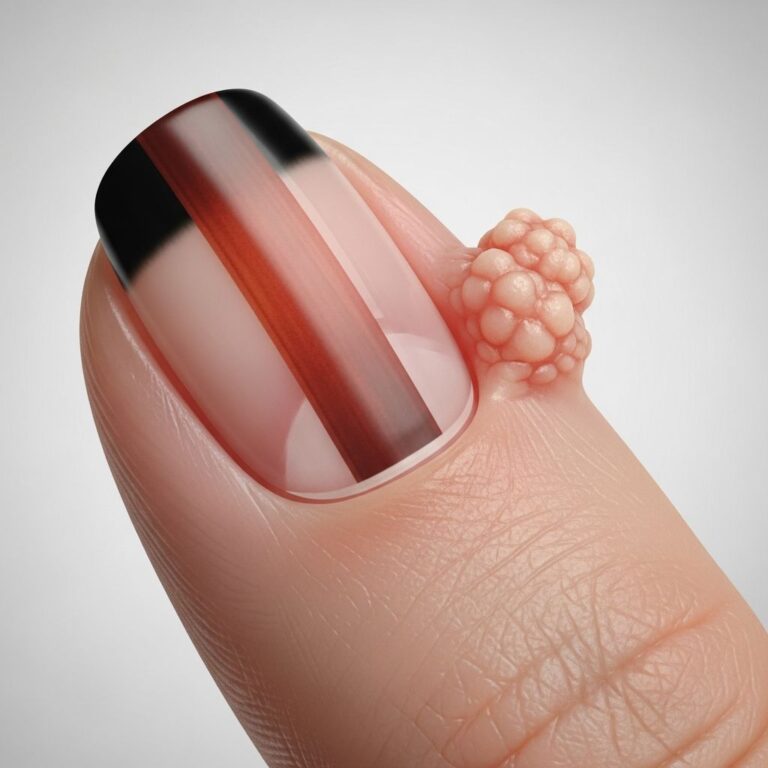
Hydroquinone Skin Cream, Gel, Emulsion, Lotion or Solution
Complete guide to hydroquinone skin treatments: uses, benefits, side effects, and application methods.
What is Hydroquinone?
Hydroquinone is a topical skin-lightening medication used to treat various forms of hyperpigmentation and skin discoloration. Since its FDA approval in 1982, it has become recognized as the ”gold standard” depigmentation treatment worldwide for conditions affecting the skin’s color and tone. This powerful ingredient works by reducing melanin production in affected areas, helping to create a more even and uniform complexion.
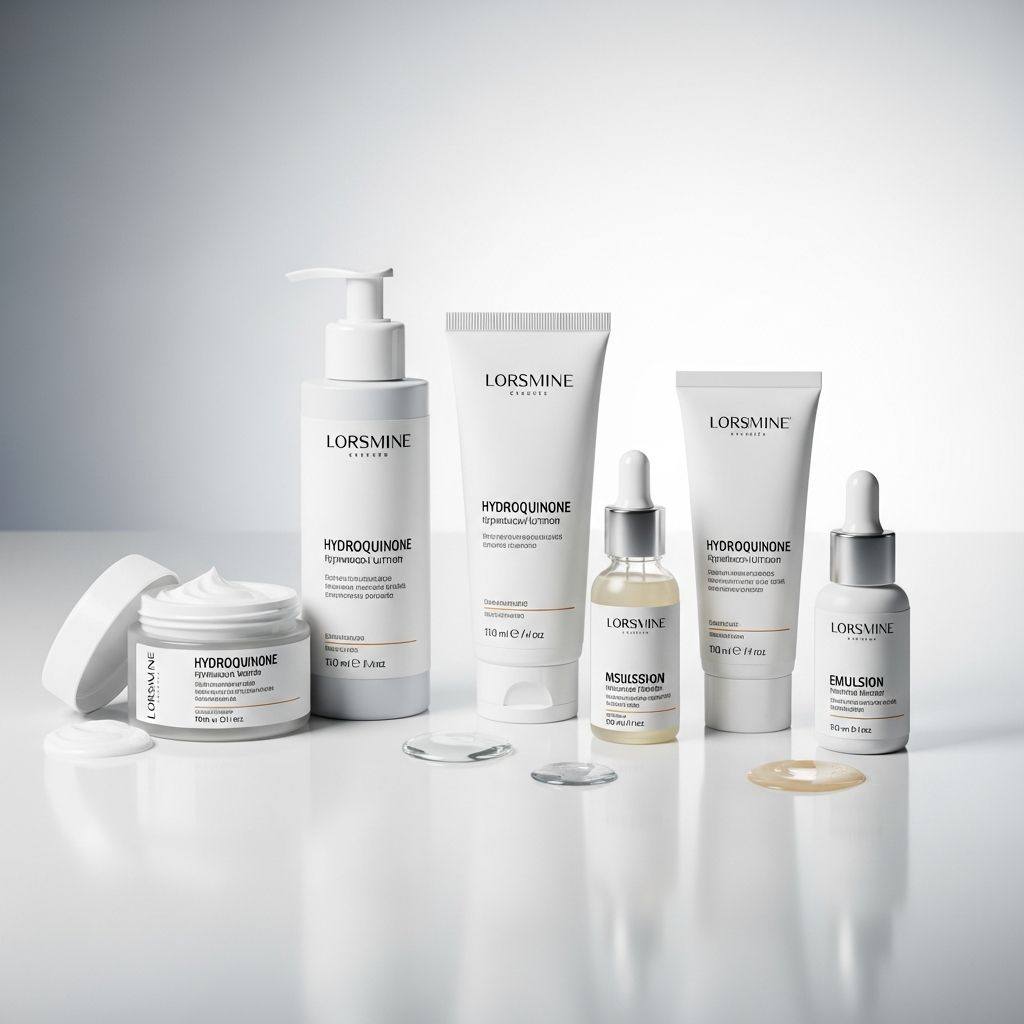
Available in multiple formulations including creams, gels, emulsions, lotions, and solutions, hydroquinone comes in various strengths to suit different needs and skin types. Over-the-counter formulations typically contain 2% hydroquinone, while prescription-strength versions contain 4% or higher concentrations. The choice of formulation depends on individual skin type, sensitivity level, and specific treatment goals.
How Does Hydroquinone Work?
Hydroquinone functions through a dual mechanism of action that makes it highly effective for skin lightening. The primary mechanism involves inhibiting the enzyme tyrosinase, which is essential for melanin production. By blocking this critical enzyme, hydroquinone reduces the activity of melanocytes—the cells responsible for producing melanin pigment.
Additionally, hydroquinone works by decreasing the number of melanocytes present in the skin and accelerating the breakdown of existing melanin. In cases of hyperpigmentation, excessive melanin production leads to darker patches and spots. By controlling melanocyte activity and promoting melanin degradation, hydroquinone gradually lightens these areas, resulting in a more evenly toned complexion over time. This controlled approach ensures gradual and consistent lightening without dramatic or unnatural-looking results.
Medical Uses and Conditions Treated
Hydroquinone is specifically designed to treat skin conditions related to hyperpigmentation and dyschromia. Healthcare providers prescribe it for a variety of aesthetic and medical concerns affecting skin tone uniformity.
Primary Indications
Hydroquinone is clinically indicated for treating:
– Melasma: Symmetric brown to gray patches typically appearing on the face, often triggered by hormonal changes, pregnancy, or sun exposure- Chloasma: Another term for melasma, particularly common in women of childbearing age- Solar lentigines: Age spots or sun spots caused by cumulative UV exposure- Freckles: Benign pigmented spots that may darken with sun exposure- Post-inflammatory hyperpigmentation: Dark marks left after acne, eczema, psoriasis, or other inflammatory skin conditions- Acne scars: Post-acne dark marks and discoloration- Liver spots: Age-related pigmentation changes common in mature skin
It’s important to note that hydroquinone is specifically designed for treating dark spots and localized hyperpigmentation rather than serving as an all-over skin lightener. Using it incorrectly or for extended periods can lead to complications, including a rare condition called ochronosis, which causes blue-black skin pigmentation that is difficult to reverse.
Available Formulations and Their Benefits
Hydroquinone is available in multiple formulations, each offering distinct advantages for different skin types and preferences.
Hydroquinone Cream
Creams represent the most popular and widely used formulation of hydroquinone. These are thick, heavy formulations that provide superior moisturizing properties, making them particularly beneficial for individuals with mature or dry skin. The cream base creates a strong protective barrier that aids in ingredient penetration and absorption. Creams are generally less irritating than other formulations, making them better suited for individuals with sensitive skin who may struggle with more potent delivery systems.
Related Stories



Hydroquinone Gel
Gel formulations offer a lighter texture compared to creams, making them suitable for oily or combination skin types. Gels provide faster absorption and a non-greasy finish, appealing to those who prefer a more lightweight product that won’t feel heavy on the skin or interfere with makeup application.
Hydroquinone Solution
Liquid solutions deliver hydroquinone in a fluid form, allowing for precise application to specific problem areas. Solutions are ideal for targeted treatment of isolated dark spots or patches and offer excellent absorption into the skin.
Hydroquinone Lotion
Lotions provide a middle ground between creams and gels, offering moderate hydration without excessive heaviness. They work well for normal to slightly dry skin and provide a smooth application experience.
Hydroquinone Emulsion
Emulsions combine oil and water-based ingredients to create a balanced formulation that suits various skin types. They offer good absorption while maintaining skin hydration, making them versatile options for many individuals.
Effectiveness and Clinical Results
Clinical studies demonstrate the significant effectiveness of hydroquinone when used appropriately. Research shows that hydroquinone combination therapies substantially decrease lesion size, pigmentation intensity, and disease severity in patients with post-inflammatory hyperpigmentation.
For melasma specifically, the results are particularly impressive. Over a three-month treatment period using hydroquinone twice daily, approximately 70% of melasma patients experience reduced or completely cleared pigmentation. Long-term maintenance is possible, with 50% of patients maintaining improvement with twice-weekly application after initial intensive treatment.
Another significant clinical finding showed that 90% of participants in a 12-week hydroquinone treatment plan no longer felt the need to hide their skin discoloration, demonstrating substantial psychological and cosmetic benefits beyond the physical lightening effects. For post-inflammatory hyperpigmentation, hydroquinone proves particularly effective and is unlikely to recur provided the underlying inflammatory condition is also controlled.
Duration and Recommended Usage
Proper usage duration is critical for achieving optimal results while minimizing the risk of adverse effects. The maximum recommended continuous use of hydroquinone for skin-lightening purposes is typically 4 to 6 weeks. Following this initial intensive treatment phase, users should take breaks and transition to maintenance therapy under dermatologist supervision.
Extended continuous use beyond the recommended timeframe increases the risk of side effects and can potentially lead to complications such as ochronosis. Therefore, consulting with a dermatologist to establish a personalized treatment timeline and maintenance schedule is essential for ensuring both safety and efficacy.
Combination Therapies for Enhanced Results
Hydroquinone’s effectiveness can be significantly enhanced when combined with complementary skincare ingredients and treatments.
Hydroquinone and Vitamin C
Vitamin C is a powerful antioxidant that neutralizes free radicals and promotes skin regeneration. When paired with hydroquinone, vitamin C amplifies skin-brightening effects and creates a more even, radiant complexion. The combination works synergistically to address both pigmentation and overall skin quality.
Hydroquinone and Alpha Hydroxy Acids (AHAs)
AHAs, including glycolic acid and lactic acid, exfoliate the skin surface and accelerate cell turnover. When combined with hydroquinone, these exfoliating acids enhance the skin-lightening effects and improve the fading of acne scars and post-inflammatory marks. The exfoliation promotes better penetration of hydroquinone while revealing fresher, more even-toned skin beneath.
Combination with Retinoids and Steroids
Hydroquinone creams often contain other active ingredients such as steroids and retinoids to increase overall efficacy and prevent skin irritation during treatment. These combination formulations are available through prescription and offer enhanced results for more severe hyperpigmentation cases.
Potential Side Effects and Safety Considerations
While hydroquinone is generally safe when used as directed, users should be aware of potential side effects and take appropriate precautions.
Common Side Effects
– Skin dryness and flaking- Redness and irritation at application sites- Stinging or burning sensation during application- Contact dermatitis in sensitive individuals- Temporary darkening of the skin in some cases
Serious Considerations
Prolonged or excessive use of hydroquinone can lead to ochronosis, a rare condition characterized by blue-black pigmentation of the skin that is difficult to treat and may be permanent. This serious complication underscores the importance of following recommended usage guidelines and limiting continuous application to 4 to 6 weeks.
Sun Protection Requirements
Users should apply broad-spectrum sunscreen with SPF 30 or higher daily while using hydroquinone, as the skin becomes more sun-sensitive during treatment. Sun exposure can reverse the lightening effects and potentially worsen hyperpigmentation.
Who Should Use Hydroquinone?
Hydroquinone is most commonly used by patients aged 13 years and older with darker skin types, though it can be beneficial for individuals of any skin tone with hyperpigmentation concerns. However, certain individuals should avoid or use hydroquinone with caution.
Those with a history of sensitivity to hydroquinone or related compounds should not use this medication. Pregnant women should consult their healthcare provider before using hydroquinone, though some formulations have been used during pregnancy under medical supervision. Individuals with active skin inflammation or open wounds in the treatment area should delay use until the skin has healed.
How to Use Hydroquinone Properly
Proper application technique maximizes effectiveness while minimizing irritation:
– Cleanse the affected area with a gentle cleanser and pat dry completely- Apply a thin layer of hydroquinone directly to the hyperpigmented areas- Avoid applying to healthy, normally-pigmented skin- Allow the product to absorb for several minutes before applying other products- Use twice daily or as directed by your healthcare provider- Always follow up with broad-spectrum sunscreen during daytime- Monitor progress and adjust treatment under professional guidance
Comparing Hydroquinone Strengths
| Strength | Availability | Best For | Considerations |
|---|---|---|---|
| 2% Hydroquinone | Over-the-counter | Mild hyperpigmentation, sensitive skin | Gentler, fewer side effects, slower results |
| 4% Hydroquinone | Prescription-only | Moderate to severe melasma, age spots | More potent, faster results, higher risk of irritation |
Frequently Asked Questions
Q: How long does it take to see results from hydroquinone?
A: Most individuals begin noticing lightening effects within 3 to 4 weeks of consistent twice-daily use. Significant improvement typically occurs within 8 to 12 weeks of treatment. Results vary based on the severity of hyperpigmentation and individual skin response.
Q: Can hydroquinone be used on all skin types?
A: Yes, hydroquinone can be used on all skin types, though it is most commonly used by individuals with darker skin tones who are more prone to hyperpigmentation. Different formulations (creams, gels, lotions) can be selected to suit specific skin type needs and sensitivities.
Q: Is hydroquinone safe for long-term use?
A: Hydroquinone should not be used continuously for longer than 4 to 6 weeks without breaks. Extended continuous use increases the risk of ochronosis and other side effects. After achieving desired results, maintenance therapy with reduced frequency (typically twice weekly) under dermatological supervision is recommended.
Q: Can hydroquinone be combined with other skincare products?
A: Yes, hydroquinone works well with complementary ingredients like vitamin C, AHAs, retinoids, and niacinamide. However, avoid combining it with other potentially irritating ingredients like benzoyl peroxide without professional guidance. Always consult your dermatologist before combining treatments.
Q: What should I do if hydroquinone causes irritation?
A: If you experience excessive irritation, reduce application frequency from twice daily to once daily, or every other day. Consider switching to a milder formulation like a lotion or gel. If irritation persists, discontinue use and consult your dermatologist about alternative treatments.
Q: Will my skin discoloration return after stopping hydroquinone?
A: For post-inflammatory hyperpigmentation, the lightening is typically permanent if the underlying inflammatory condition is controlled. For melasma and sun-related hyperpigmentation, maintenance therapy with reduced-frequency applications helps prevent recurrence. Consistent sun protection is essential for long-term results.
References
- Hydroquinone: Uses, Safety, Side Effects, OTC Products, Alternatives — Healthline. 2024. https://www.healthline.com/health/beauty-skin-care/hydroquinone
- Hydroquinone Skin Products, All the Benefits, Side-Effects & Uses — City Skin Clinic. 2024. https://cityskinclinic.com/guides/hydroquinone-skin-products/
- Hydroquinone — StatPearls — National Center for Biotechnology Information. 2024. https://www.ncbi.nlm.nih.gov/books/NBK539693/
- What Are The Biggest Benefits Of Hydroquinone For Your Skin? — Kirsch Dermatology. 2024. https://www.kirschderm.com/what-are-the-biggest-benefits-of-hydroquinone-for-your-skin/
- Hydroquinone (Obagi-C) – Uses, Side Effects, and More — WebMD. 2024. https://www.webmd.com/drugs/2/drug-1347/hydroquinone-topical/details
- Hydroquinone (bleaching cream) — DermNet. 2024. https://dermnetnz.org/topics/hydroquinone
- Hydroquinone Skincare Benefits – Skin Lightening — L’Oréal Paris. 2024. https://www.lorealparisusa.com/ingredient-library/hydroquinone
Similar Articles








Read full bio of medha deb