Hydrotherapy: Benefits, Uses & Treatment Options
Discover how water therapy can relieve pain, stiffness, and improve your health naturally.
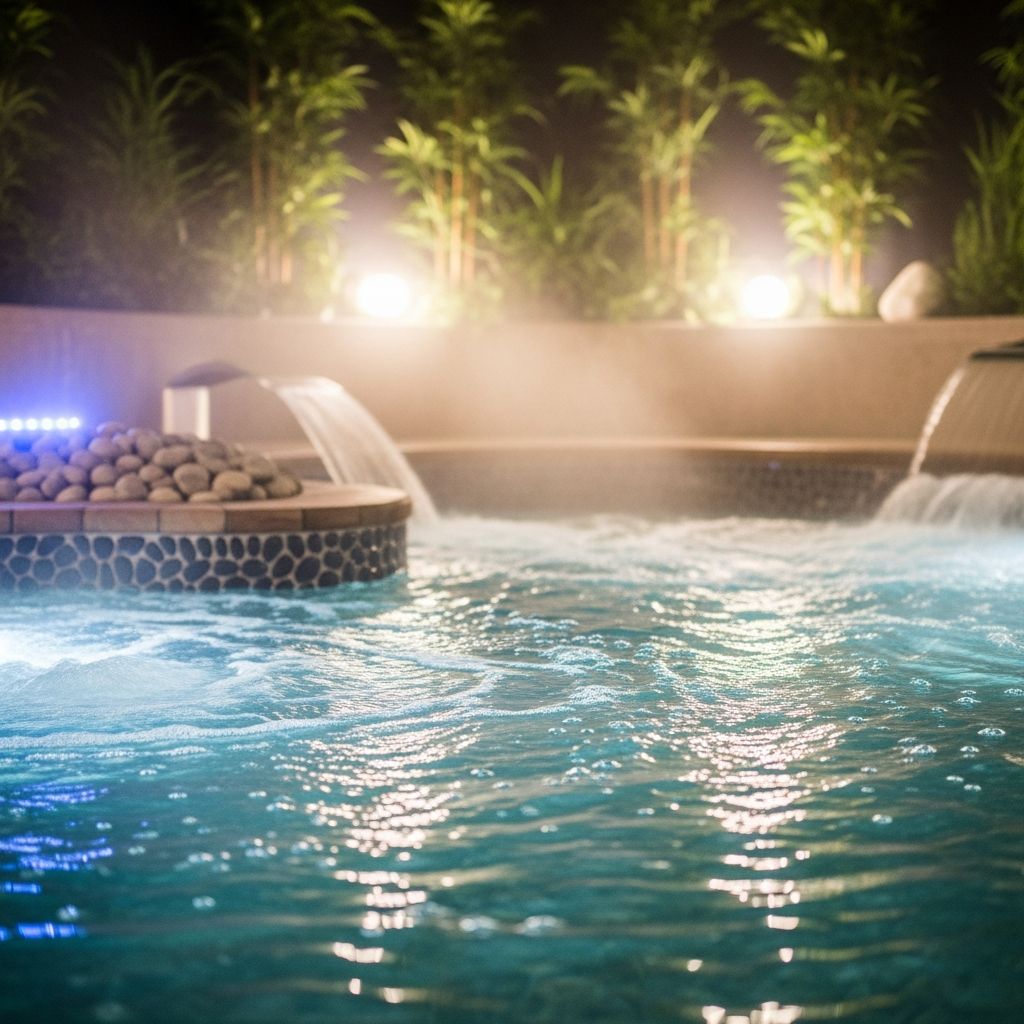
Hydrotherapy, also known as aquatic therapy or water therapy, is a therapeutic practice that uses water in various forms and temperatures to treat a wide range of symptoms and conditions. From a simple warm bath at home to specialized treatments in dedicated clinics with sophisticated equipment, hydrotherapy offers accessible and non-invasive healing options for many individuals seeking relief from physical discomfort. Water has been recognized for its healing properties for centuries, and modern medicine continues to validate its effectiveness as a complementary treatment modality.
What Is Hydrotherapy?
Hydrotherapy represents the therapeutic use of water to address various symptoms and promote healing. The practice can range from simple home-based applications, such as taking a warm bath or cold shower, to more complex clinical interventions performed in specialized facilities. The versatility of hydrotherapy lies in its ability to utilize water in multiple forms—including liquid immersion, steam, ice, and mineral-infused waters—each offering distinct therapeutic properties.
One of the fundamental principles underlying hydrotherapy’s effectiveness is buoyancy. When a person is immersed in water, the upward force of buoyancy reduces pressure on joints and the skeletal system, making movement easier and less painful. Additionally, hydrostatic pressure—the force exerted by water pressing on all sides of an immersed body—contributes to improved circulation and reduced swelling. The temperature of water used in hydrotherapy also plays a crucial role, with warm water relaxing muscles and improving blood flow, while cold water can reduce inflammation and enhance circulation.
How Hydrotherapy Works
Hydrotherapy functions through multiple physiological mechanisms that work together to provide therapeutic benefits. The primary mechanisms include:
- Buoyancy Effect: Water’s buoyant force counteracts gravity, reducing weight-bearing stress on joints and allowing patients to exercise with minimal joint loading. This is particularly beneficial for individuals with arthritis, obesity, or those recovering from injuries.
- Hydrostatic Pressure: The pressure exerted by water stimulates blood vessels and improves circulation, helping to reduce swelling and enhance nutrient delivery to affected tissues.
- Thermal Properties: Warm water increases muscle elasticity, reduces muscle tension, and promotes relaxation, while cold water constricts blood vessels and reduces inflammation.
- Resistance and Support: Water provides gentle resistance during movement, strengthening muscles while protecting injured areas from excessive stress.
- Psychological Benefits: The calming nature of water immersion can trigger the release of endorphins, the body’s natural pain-relieving chemicals, providing both physical and emotional relief.
Conditions That May Benefit From Hydrotherapy
Hydrotherapy can provide symptomatic relief for numerous conditions. However, it is important to understand that hydrotherapy does not cure these conditions but rather offers temporary relief from associated symptoms such as pain, stiffness, and swelling. Conditions that may benefit from hydrotherapy include:
- Arthritis and osteoarthritis
- Rheumatoid arthritis
- Chronic pain conditions
- Back and neck pain
- Fibromyalgia
- Joint stiffness and reduced mobility
- Muscle weakness and deconditioning
- Post-surgical rehabilitation
- Sports-related injuries
- Neurological conditions
- Chronic heart failure
- Obesity-related mobility issues
It is critical to remember that hydrotherapy serves as a complementary treatment and should not replace any medications or treatments prescribed by your healthcare provider. Always consult with a medical professional before beginning hydrotherapy to ensure it is appropriate for your specific condition.
Related Stories



Types of Hydrotherapy
Hydrotherapy encompasses various techniques and applications, each designed to address specific therapeutic goals. The most common forms include:
Warm Water Immersion Baths
Traditional warm water baths, with temperatures typically ranging from 33°C to 36°C (91°F to 96°F), are among the most accessible forms of hydrotherapy. These baths reduce muscle tension, increase circulation, and decrease joint stiffness. Warm water immersion is particularly effective for individuals with arthritis, fibromyalgia, and chronic muscle pain.
Cold Water Immersion and Ice Baths
Cold water therapy, also known as cryotherapy, involves immersion in cold water or ice baths. This technique is commonly used in sports medicine and rehabilitation settings to reduce inflammation, numb pain, and improve circulation when combined with heat therapy. Cold water immersion can be particularly effective in the acute stages of injury recovery.
Contrast Hydrotherapy
Contrast hydrotherapy alternates between hot and cold water immersion, either through sequential showers or complementary tanks. This technique combines the benefits of both heat and cold therapy, promoting improved circulatory function, lymphatic drainage, and reduced swelling. Experimental evidence suggests that contrast hydrotherapy helps reduce injury in acute stages by stimulating blood flow and reducing edema.
Whirlpool Therapy
Whirlpool baths use water agitation with injected air to create a therapeutic environment. The typical treatment protocol involves sessions lasting five to twenty minutes, usually administered once daily for a brief treatment period. Whirlpool therapy helps remove contaminants and promotes tissue healing, though newer debridement techniques are gaining popularity due to concerns about high water pressure and potential skin oversaturation.
Steam Baths and Saunas
Steam therapy uses moist heat to promote relaxation, improve circulation, and relieve muscle tension. Steam baths can help open pores, promote detoxification through perspiration, and provide respiratory benefits.
Aquatic Rehabilitation
Supervised aquatic therapy sessions conducted by licensed physical therapists typically last 30 to 45 minutes and are customized to individual patient needs. These sessions often begin in a land-based physical therapy evaluation and progress to water-based exercises as appropriate. Aquatic rehabilitation does not require participants to know how to swim, and facilities typically provide accessible entry points including stairs, ladders, and ramps.
Specialty Techniques
Additional hydrotherapy methods include Kneipp treatments, thalassotherapy (using mineral-rich seawater), Scotch hose therapy, Swiss showers, and sitz baths. These specialized techniques often incorporate medicinal herbs, specific temperature protocols, and targeted water application methods.
Benefits of Hydrotherapy
Hydrotherapy offers numerous advantages for individuals seeking symptom relief and improved quality of life:
- Non-Invasive: Hydrotherapy provides therapeutic benefits without surgical intervention or injections.
- Medication-Free Relief: Many individuals can reduce or minimize reliance on pain medications through regular hydrotherapy.
- Low Impact Exercise: Water’s buoyancy allows individuals with joint problems or obesity to exercise effectively without excessive joint stress.
- Improved Circulation: Water immersion and various hydrotherapy techniques enhance blood flow and oxygen delivery to tissues.
- Reduced Muscle Tension: Warm water relaxes muscles and increases flexibility, improving range of motion.
- Pain Relief: The combination of heat, buoyancy, and gentle resistance promotes natural pain relief through endorphin release.
- Faster Recovery: Warm water reduces muscle tension, improves blood flow, and speeds removal of lactic acid, supporting faster healing from injuries.
- Enhanced Mobility: Reduced joint pressure allows for greater movement range and easier rehabilitation exercises.
- Psychological Wellbeing: The relaxing nature of water therapy promotes stress reduction and emotional balance.
- Safety: When administered by licensed, certified providers, hydrotherapy is very safe with minimal to no side effects.
What to Expect During Hydrotherapy
The hydrotherapy experience varies depending on the specific type of treatment you receive. Before beginning treatment, especially if receiving therapy at a facility, you should expect an initial assessment to evaluate your condition, establish treatment goals, and develop a personalized care plan.
For specialized aquatic therapy sessions, you will typically shower and clean your body before entering the water. Sessions generally last between 30 to 45 minutes and are conducted under the supervision of a licensed physical therapist or physical therapist assistant. Your therapist will guide specific exercises and movements tailored to your individual needs and rehabilitation goals.
At-home hydrotherapy, such as warm baths or showers, can be initiated independently, though consultation with a healthcare provider is recommended to ensure appropriate temperature ranges and frequency for your specific condition.
Safety Considerations and Precautions
While hydrotherapy is generally safe when administered by qualified professionals, certain precautions should be observed:
- Always consult with a healthcare provider before beginning hydrotherapy, even for at-home applications.
- Ensure treatment is administered by licensed, certified providers in clinical settings.
- Be cautious of any treatment claiming to “remove toxins” or “cure diseases,” as these claims lack scientific support.
- Inform your provider of any contraindications, such as open wounds, certain skin conditions, or cardiovascular concerns.
- Monitor water temperature to avoid burns or adverse reactions.
- Stay hydrated during and after treatment.
- Report any unusual symptoms or adverse reactions to your healthcare provider.
Hydrotherapy as Part of Your Treatment Plan
Hydrotherapy is primarily used to relieve symptoms like pain and stiffness and is best incorporated as part of a comprehensive treatment or symptom management plan. It should complement, not replace, any medications or treatments prescribed by your healthcare provider.
Most hydrotherapy applications do not require special follow-up care. However, if you are using hydrotherapy for a specific condition or to manage particular symptoms, maintain ongoing communication with your healthcare provider about any changes you notice or questions that arise during treatment.
Frequently Asked Questions About Hydrotherapy
Q: Is hydrotherapy effective for pain relief?
A: Yes, hydrotherapy is effective for pain relief through multiple mechanisms. The combination of heat, buoyancy, and gentle resistance works together to relax muscles, reduce pressure on painful joints, and trigger endorphin release, which further reduces pain naturally.
Q: Can hydrotherapy cure diseases?
A: No, hydrotherapy does not cure diseases. Rather, it provides temporary relief from symptoms such as pain, stiffness, and swelling. It should be used as a complementary treatment alongside prescribed medications and medical treatments, not as a replacement.
Q: Is hydrotherapy safe?
A: When received from a licensed, certified provider, hydrotherapy is very safe with little to no side effects. However, always consult with your healthcare provider before beginning treatment to ensure it is appropriate for your specific condition and circumstances.
Q: Do I need to know how to swim to participate in aquatic therapy?
A: No, you do not need to know how to swim. Supervised aquatic therapy sessions are conducted by licensed physical therapists who guide your movements and ensure your safety throughout treatment.
Q: How long are typical hydrotherapy sessions?
A: Most aquatic therapy sessions last between 30 to 45 minutes, though specific duration depends on individual needs and the type of hydrotherapy being performed. At-home applications can vary in length based on your preferences and comfort.
Q: What water temperature is used in hydrotherapy?
A: Therapeutic water temperatures typically range from 33°C to 36°C (91°F to 96°F) for warm water immersion, which helps relax muscles and reduce joint stiffness. Cold water temperatures are used for specific conditions requiring anti-inflammatory effects. Your provider will determine the appropriate temperature for your needs.
Q: How often should I receive hydrotherapy?
A: Frequency depends on your specific condition and treatment goals. Your healthcare provider will establish an appropriate treatment schedule as part of your personalized care plan. Consistency is typically important for achieving optimal results.
Q: Can hydrotherapy help with muscle recovery after injury?
A: Yes, hydrotherapy is highly effective for muscle recovery and injury rehabilitation. The warm water reduces muscle tension, improves blood flow, and speeds removal of lactic acid, which aids faster healing. Additionally, water’s low-impact environment makes exercises safer and more comfortable during recovery.
Getting Started With Hydrotherapy
If you are interested in exploring hydrotherapy as part of your health and wellness regimen, the first step is to consult with your healthcare provider. Discuss your specific symptoms, health conditions, and treatment goals. Your provider can recommend appropriate types of hydrotherapy, discuss which aquatic therapy methods may be right for you, and explain what you need to know before starting treatment.
Whether you choose to begin with simple at-home warm baths or pursue more specialized aquatic therapy with a licensed professional, hydrotherapy offers an accessible, safe, and effective approach to symptom management and improved quality of life. By working closely with your healthcare team and following professional guidance, you can harness the healing power of water to support your overall health and wellbeing.
References
- Hydrotherapy: What It Is, Benefits & Uses — Cleveland Clinic. 2024. https://my.clevelandclinic.org/health/treatments/23137-hydrotherapy
- Aquatic Rehabilitation — Cleveland Clinic Rehabilitation & Sports Therapy. 2024. https://my.clevelandclinic.org/departments/rehabilitation/services/aquatic
- Types and Health Benefits of Hydrotherapy — Cleveland Clinic Health. 2023. https://health.clevelandclinic.org/what-is-hydrotherapy
- Hydrotherapy — EBSCO Research Starters Complementary and Alternative Medicine. 2023. https://www.ebsco.com/research-starters/complementary-and-alternative-medicine/hydrotherapy
- Explore the Benefits of Hydrotherapy — Health Bound Health Network. 2024. https://healthbound.ca/hydrotherapy-at-health-bound/
- HYDROTHERAPY — Encyclopedia of Cleveland History. Case Western Reserve University. 2023. https://case.edu/ech/articles/h/hydrotherapy
Similar Articles








Read full bio of Sneha Tete