Hydroxychloroquine Expert Guide To Uses, Dosage, & Side Effects
Essential antimalarial drug widely used in dermatology for lupus, inflammatory skin diseases, and more with immunomodulatory benefits.

Hydroxychloroquine (Plaquenil®) is a 4-amino-quinoline antimalarial medication widely prescribed in dermatology for its immunomodulatory, anti-inflammatory, and photoprotective properties. Derived from chloroquine, it offers a safer profile with broad applications in autoimmune and inflammatory skin diseases, particularly systemic lupus erythematosus (SLE) and discoid lupus erythematosus (DLE).
What is hydroxychloroquine?
Hydroxychloroquine is a synthetic antimalarial agent developed in the 1950s as a derivative of quinine and chloroquine. In dermatology, it has been a cornerstone therapy since then due to its favorable safety compared to other immunosuppressants. It exerts effects through lysosomal stabilization, inhibition of antigen presentation, and reduction of pro-inflammatory cytokines, making it ideal for chronic skin conditions.
Unlike potent immunosuppressants, hydroxychloroquine modulates the immune response without broad suppression, reducing risks of infection and malignancy. Its photoprotective action absorbs UV light and stabilizes DNA, beneficial for photosensitive disorders.
Who is hydroxychloroquine used for?
Hydroxychloroquine is prescribed for patients with autoimmune connective tissue diseases manifesting in the skin, such as lupus erythematosus and rheumatoid arthritis with cutaneous involvement. It suits adults, children (with weight-based dosing), pregnant women (Category C, preferred over chloroquine), and breastfeeding mothers due to low milk transfer.
Ideal candidates include those with refractory skin symptoms unresponsive to topical therapies or requiring systemic intervention. Response rates are high: 60-75% in subacute cutaneous lupus erythematosus (SCLE) and up to 90% in tumid lupus erythematosus (TLE).
What does hydroxychloroquine treat?
Hydroxychloroquine serves as first-line therapy for key dermatological indications and off-label for many others. Clinical responses vary but often require 3-6 months for full effect.
First-line medications
- Systemic lupus erythematosus (SLE): Reduces skin rashes, joint pain, and flares; improves survival and prevents organ damage.
- Discoid lupus erythematosus (DLE): Clears plaques and prevents scarring.
Second- or third-line treatment options
- Rheumatoid arthritis (RA) with skin involvement.
- Porphyria cutanea tarda (PCT): Induces remission in 75-100% of cases.
- Sarcoidosis: Effective for cutaneous lesions.
- Granuloma annulare: Generalized forms respond well.
Other dermatological conditions
Hydroxychloroquine shows promise off-label in diverse disorders:
- Polymorphic light eruption (PMLE): 69% good/excellent response vs. placebo.
- Lichen planus, solar urticaria, chronic actinic dermatitis.
- Panniculitis (lupus panniculitis, erythema nodosum).
- Jessner’s lymphocytic infiltrate, lymphocytoma cutis.
- Dermatomyositis, morphea, alopecia areata, urticarial vasculitis.
- Lichen sclerosus, reticular erythematous mucinosis, Schnitzler syndrome.
| Category | Conditions |
|---|---|
| FDA-Approved | Lupus erythematosus, Rheumatoid arthritis, Malaria |
| Photosensitivity | PMLE, Solar urticaria, Chronic actinic dermatitis, Hydroa vacciniforme |
| Granulomatous | Sarcoidosis, Granuloma annulare, Granulomatous cheilitis |
| Connective Tissue | Dermatomyositis, Scleredema |
| Miscellaneous | Lichen planus, Morphea, Atopic dermatitis, Eosinophilic fasciitis |
How does hydroxychloroquine work?
Hydroxychloroquine’s multifaceted mechanisms underpin its dermatological utility:
- Immunomodulatory: Inhibits Toll-like receptors (TLR-7/9), reduces IFN-alpha, and decreases antigen presentation by inhibiting lysosomal acidification.
- Anti-inflammatory: Suppresses IL-1, IL-6, IL-8, TNF-alpha; stabilizes mast cells and lysosomes.
- Photoprotective: Absorbs UV light, reduces cytokine expression in irradiated skin, inhibits HLA-DR+ and CD1a+ cells.
- Antiproliferative: Inhibits DNA/RNA synthesis, promotes apoptosis in hyperproliferative cells.
- Metabolic: Lowers lipids via LDL receptor upregulation; improves insulin sensitivity.
In lupus, it prevents flares by blocking autoantigen-immune complex formation. For photodermatoses, UV absorption and anti-cytokine effects mitigate rashes.
What is the dosage of hydroxychloroquine?
Standard dosing is 200-400 mg daily (≤5 mg/kg/day actual body weight to minimize retinopathy risk), often 200 mg twice daily or 400 mg once daily. For PMLE: 400 mg/day for 1 month, then 200 mg/day.
Related Stories



Adjust for renal impairment (reduce by 50% if CrCl <30 mL/min). Pediatric: 6.5 mg/kg/day max. Loading doses are avoided in dermatology. Take with food to reduce GI upset; full effect in 4-12 weeks.
Pre-treatment screening and monitoring
Baseline: CBC, LFTs, RFTs, G6PD, ECG (if cardiac risk), ophthalmology exam (fundus, visual fields, OCT if high-risk).
Monitoring: CBC/LFT/RFT every 3-6 months; ophthalmology annually after 5 years or sooner if high cumulative dose (>1000g) or risk factors (renal disease, obesity, age >60).
Stop if retinopathy detected; blood levels >750 ng/mL may enhance efficacy in refractory lupus but increase toxicity.
What are the side effects of hydroxychloroquine?
Generally well-tolerated; common >10%:
- GI: Nausea (10-30%), diarrhea, cramps.
- Neurologic: Headache, irritability, affective disorders.
Serious <1%:
- Retinopathy: Irreversible if advanced; risk 7.5% after 20 years at <5 mg/kg/day.
- Cardiac: QT prolongation, cardiomyopathy (rare).
- Hematologic: Thrombocytopenia, agranulocytosis (G6PD screen first).
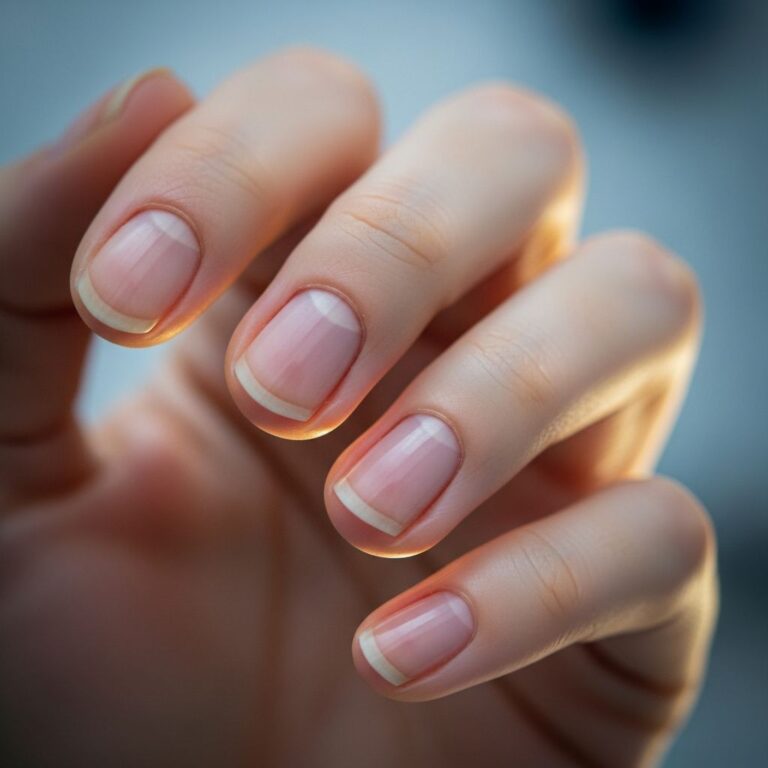
- Dermatologic: Hyperpigmentation (blue-grey, nails/mucosa), hair bleaching, eruptions (3%).
- Musculoskeletal: Proximal myopathy, neuromyopathy.
Photosensitivity rare; bleaching reversible on discontinuation.
Drug interactions with hydroxychloroquine
- QT-prolonging drugs (e.g., azithromycin): Avoid combo.
- Digoxin: Increases levels.
- Antacids: Reduce absorption; space 4 hours.
- Methotrexate/NSAIDs: Enhanced efficacy but monitor.
Contraindications and precautions
Contraindications: Retinopathy history, uncontrolled arrhythmia, G6PD deficiency (hemolysis risk), psoriasis (exacerbation), myopathy/porphyria.
Precautions: Renal/hepatic impairment (dose adjust), maculopathy risk factors, pregnancy (use if benefits outweigh; compatible with breastfeeding).
Alternatives to hydroxychloroquine
Chloroquine (less safe, retinopathy risk higher), quinacrine (add-on for refractory lupus), methotrexate, mycophenolate, biologics (belimumab for SLE).
Frequently Asked Questions
What is hydroxychloroquine used for in dermatology?
Primarily for cutaneous lupus erythematosus (SLE, DLE, SCLE), rheumatoid arthritis, and off-label for PMLE, sarcoidosis, PCT, granuloma annulare, and more.
How long does hydroxychloroquine take to work for skin conditions?
Improvement starts in 4-12 weeks; full response by 3-6 months. Patients should continue despite slow onset.
Does hydroxychloroquine cause hair loss?
Rarely; may cause bleaching or thinning, reversible on stopping. Not a common alopecia treatment despite off-label trials.
Is hydroxychloroquine safe in pregnancy?
Preferred antimalarial; continue if needed for maternal disease control. Low fetal risk.
What eye tests are needed on hydroxychloroquine?
Annual dilated exam with visual fields, funduscopy, OCT after 5 years or high-risk earlier.
References
- Hydroxychloroquine use in treating skin diseases — Dermatology in Practice, Rubeta Matin and Sheru George. 2023. https://www.dermatologyinpractice.co.uk/hydroxychloroquine-use-in-treating-skin-diseases
- [Translated article] Hydroxychloroquine: An Essential Drug in Dermatology — PMC (Actas Dermosifiliogr). 2022-02-01. https://pmc.ncbi.nlm.nih.gov/articles/PMC8893285/
- Hydroxychloroquine in Dermatology and Beyond: Recent Update — PMC (Indian Dermatol Online J). 2020-07. https://pmc.ncbi.nlm.nih.gov/articles/PMC7367590/
- Use of hydroxychloroquine in dermatology: A multicenter study — Wiley (J Dermatol). 2022. https://onlinelibrary.wiley.com/doi/10.1111/1346-8138.16200
- Hydroxychloroquine – DermNet — DermNet NZ. 2024. https://dermnetnz.org/topics/hydroxychloroquine
Similar Articles








Read full bio of Sneha Tete