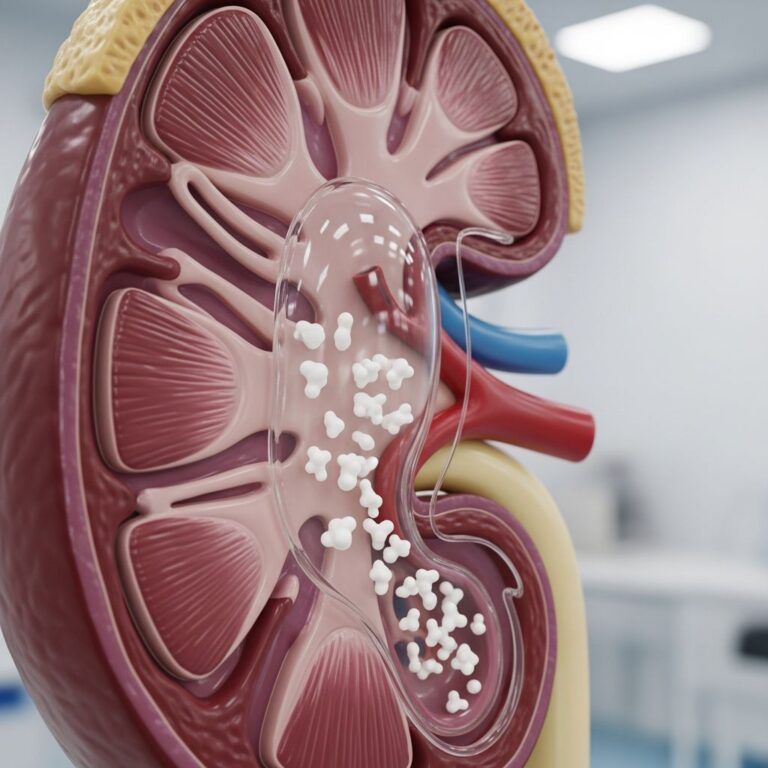
Hydroxyurea: Uses, Dosage, Side Effects, And Monitoring Guide
Detailed insights into hydroxyurea treatment, uses, benefits, risks, and patient management for sickle cell and cancers.

Hydroxyurea is a prescription medication primarily used to manage sickle cell anemia by decreasing painful crises and transfusion needs, and it treats specific cancers like resistant chronic myeloid leukemia (CML) and advanced head and neck squamous cell carcinomas.
Primary Medical Applications
This drug plays a crucial role in hematologic conditions. In sickle cell anemia, it helps patients aged 9 months and older by reducing the frequency of severe vaso-occlusive events and lowering blood transfusion requirements. For cancers, hydroxyurea targets resistant CML and works alongside radiation for head and neck tumors, excluding lip areas.
Emerging research also points to potential benefits in myeloproliferative disorders and even cognitive protection in Alzheimer’s models, though these are not yet standard indications.
How Hydroxyurea Functions in the Body
Hydroxyurea acts as an antimetabolite, inhibiting ribonucleotide reductase, an enzyme essential for DNA synthesis. This disrupts cell replication, particularly in rapidly dividing cancer cells, and arrests cells in the S-phase of the cell cycle, making them vulnerable to radiation.
In sickle cell disease, it boosts fetal hemoglobin (HbF) production, which prevents hemoglobin S polymerization and sickling of red blood cells. Additional effects include improved red cell flexibility, reduced neutrophil counts, and decreased endothelial adhesion.
| Mechanism | Primary Effect | Key Conditions |
|---|---|---|
| Inhibits ribonucleotide reductase | Blocks DNA synthesis | CML, head/neck cancer |
| Increases HbF levels | Prevents sickling | Sickle cell anemia |
| Reduces neutrophils/adhesion | Improves blood flow | Sickle cell anemia |
Available Forms and Administration
Hydroxyurea comes as capsules, tablets, or oral solutions under brand names like Droxia, Hydrea, Siklos, and Xromi. It is taken orally, typically once daily, with rapid absorption peaking in 0.75-1.2 hours. Bioavailability is nearly complete.
Dosing starts low and is titrated based on blood counts and response. For sickle cell, adults may begin at 15 mg/kg/day, increasing gradually up to 35 mg/kg/day. Children follow similar protocols adjusted for age and weight. Capsules must not be opened or chewed due to cytotoxic nature; prophylactic folic acid is advised.
Pharmacokinetics Overview
- Absorption: Fast, with peak levels in under 2 hours for sickle cell patients.
- Half-life: 1.7-3 hours, shorter in children.
- Clearance: 0.17-0.22 L/h/kg, similar across ages.
- Elimination: Primarily renal, with monitoring needed for kidney function.
Potential Benefits and Clinical Outcomes
Clinical trials show hydroxyurea significantly cuts painful crises by up to 50% in sickle cell patients and reduces acute chest syndrome and hospitalizations. In cancer, it enhances radiation efficacy against squamous cell carcinomas.
Long-term use improves quality of life by promoting healthier red blood cells that resist sickling, though adherence and monitoring are key due to side effect risks.
Common and Serious Side Effects
While effective, hydroxyurea carries risks, especially myelosuppression. Common issues include nausea, fatigue, and skin changes, which often improve over time.
Blood Count Effects: It lowers white cells (infection risk), red cells (anemia), and platelets (bleeding risk). Regular blood tests are mandatory.
- Monitor complete blood counts weekly initially, then monthly.
- Report fever, unusual bruising, or shortness of breath immediately.
Serious risks include secondary cancers, birth defects (teratogenic), and leg ulcers. Avoid pregnancy; use contraception.
Related Stories



| Side Effect Category | Symptoms | Management |
|---|---|---|
| Hematologic | Low WBC, RBC, platelets | Blood monitoring, dose adjustment |
| Gastrointestinal | Nausea, vomiting, diarrhea | Anti-nausea meds, take with food |
| Dermatologic | Rash, hyperpigmentation, ulcers | Sunscreen, wound care |
| Reproductive | Teratogenicity | Contraception, sperm banking |
Handling and Safety Precautions
As a cytotoxic agent, handle with care: caregivers should wear gloves, avoid crushing capsules, and wash spills with soap/water. Dispose of waste properly.
Patients need frequent lab checks: CBC every 2 weeks at start, then monthly; liver/kidney function periodically. Vaccinations (e.g., pneumococcal) are recommended pre-treatment.
Drug Interactions and Contraindications
Hydroxyurea interacts with myelosuppressants, increasing toxicity. Avoid with live vaccines, didanosine (pancreatitis risk), or strong CYP inducers.
Contraindicated in pregnancy (Category D), severe marrow depression, or hypersensitivity. Use caution in renal/hepatic impairment.
Special Considerations for Patient Groups
Pediatric Use
Approved for sickle cell from 9 months; benefits mirror adults but with vigilant monitoring for growth.
Pregnancy and Breastfeeding
High fetal risk; effective contraception required for 6 months post-treatment. Not recommended during breastfeeding.
Elderly and Organ Impairment
Dose adjustments for kidney issues; monitor closely in older adults for cumulative toxicity.
Monitoring and Follow-Up Protocols
Success depends on adherence and oversight:
- Baseline and regular CBC, HbF levels.
- Annual skin exams for malignancy risk.
- Neurologic checks for sickle cell complications.
Frequently Asked Questions (FAQs)
What does hydroxyurea do for sickle cell disease?
It increases fetal hemoglobin, making red cells less likely to sickle and reducing pain crises and transfusions.
Can children take hydroxyurea?
Yes, from 9 months for sickle cell, with weight-based dosing and monitoring.
Does hydroxyurea cause cancer?
Rare secondary malignancies possible; regular dermatologic screening advised.
How is hydroxyurea taken?
Daily oral capsules/tablets; do not open or chew.
What if I miss a dose?
Take as soon as remembered unless near next dose; consult provider.
Is hydroxyurea safe in pregnancy?
No; use reliable birth control.
This guide synthesizes evidence-based information for informed decision-making. Always consult healthcare providers for personalized advice.
References
- Hydroxyurea: Uses, Interactions, Mechanism of Action — DrugBank Online. 2023. https://go.drugbank.com/drugs/DB01005
- Hydroxyurea—The Good, the Bad and the Ugly — PMC (PubMed Central). 2021-07-28. https://pmc.ncbi.nlm.nih.gov/articles/PMC8304116/
- Hydroxyurea (oral route) – Description — Mayo Clinic. 2023. https://www.mayoclinic.org/drugs-supplements/hydroxyurea-oral-route/description/drg-20068109
- Hydroxyurea for Sickle Cell Disease — St. Jude Children’s Research Hospital. 2023. https://together.stjude.org/en-us/treatment-tests-procedures/medicines-list/hydroxyurea.html
- Hydroxyurea (Hydrea): Uses, Side Effects, Dosage — GoodRx. 2023. https://www.goodrx.com/hydroxyurea/what-is
- HYDREA U.S. Prescribing Information — Bristol-Myers Squibb. 2022. https://packageinserts.bms.com/pi/pi_hydrea.pdf
- Hydroxyurea for Sickle Cell Disease Booklet — American Society of Hematology. 2020. https://www.hematology.org/-/media/hematology/files/education/hydroxyurea-booklet.pdf
Similar Articles








Read full bio of medha deb