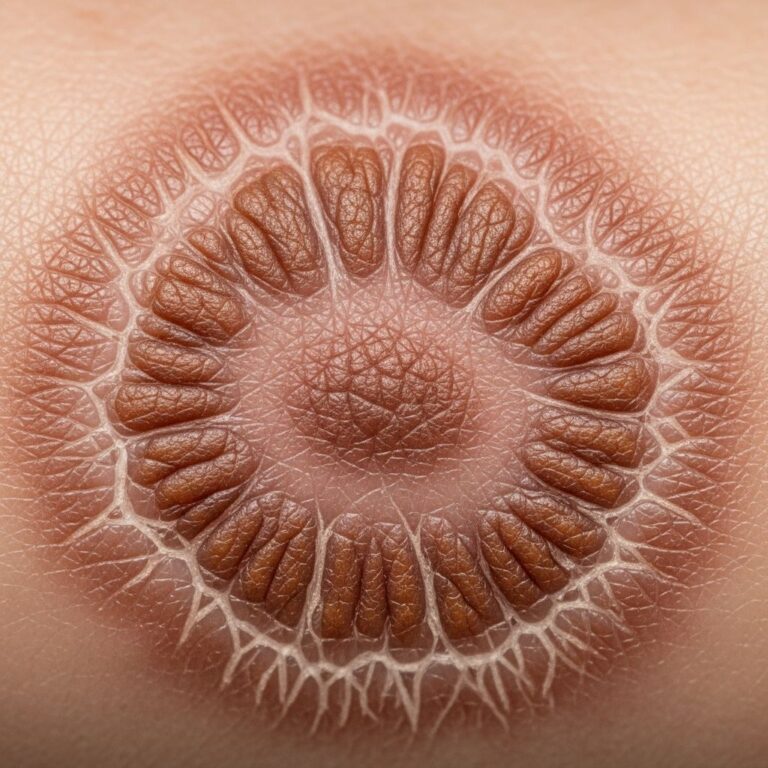
Hymen: 5 Common Types, Function, And When To Seek Help
Understanding hymen anatomy, function, and what changes mean for your body.
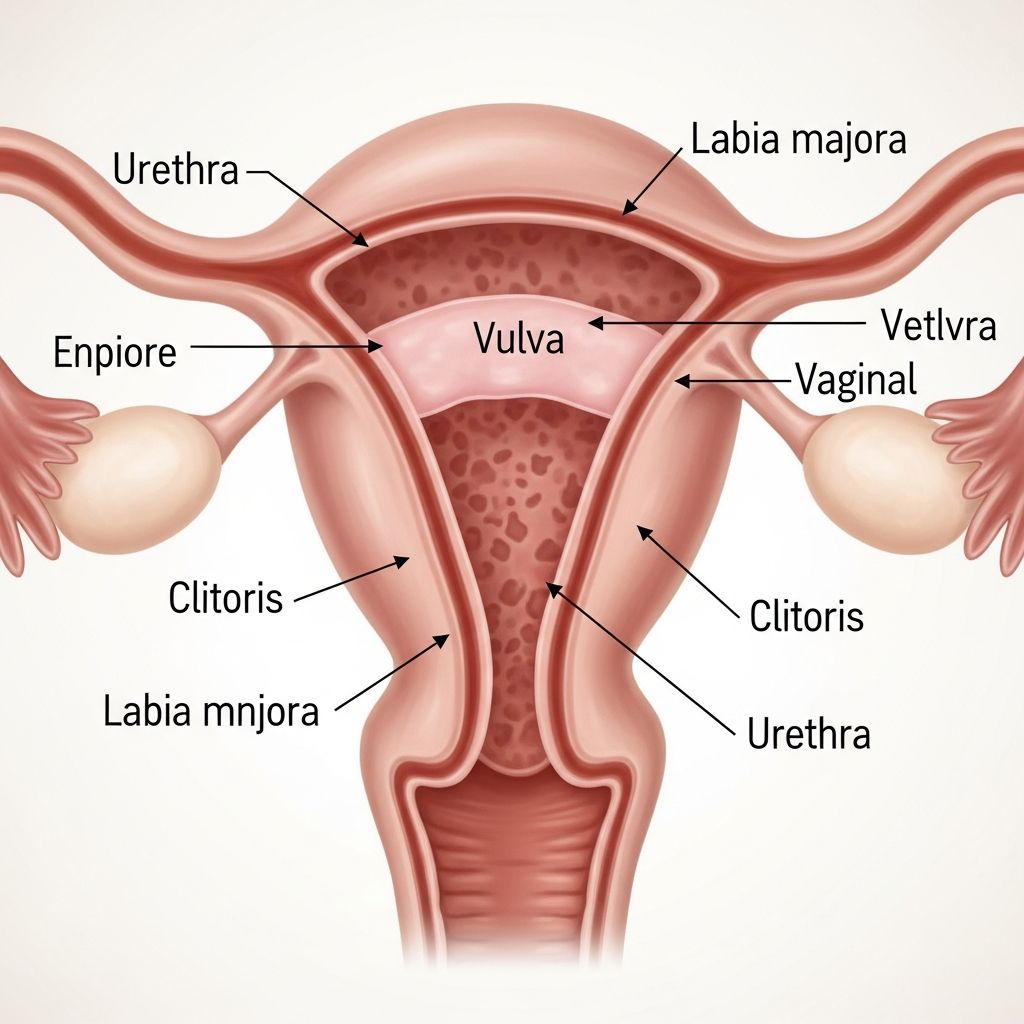
Understanding the Hymen: Anatomy and Function
The hymen is a small, thin piece of tissue located at the opening of your vagina. Formed during fetal development, the hymen is composed of remnants of tissue that remain after your vagina develops in the womb. Many misconceptions surround this anatomical structure, but understanding its true nature and function can help you make informed decisions about your reproductive health.
The hymen is a flexible, elastic tissue that comes in various shapes and sizes. Unlike common myths, it is not a membrane that completely seals the vaginal opening. Instead, it partially covers or surrounds the vaginal entrance, allowing for the normal flow of menstrual blood and vaginal secretions.
What Is the Hymen?
Your hymen is formed during fetal development when your vagina is developing. Your vagina begins as a solid tube. As this tube dissolves and your vaginal opening expands during gestation, the remnants of the tube form your hymen. This tissue is composed of the same material as the skin surrounding your vagina and typically has a flesh-colored appearance.
The size, shape, and thickness of your hymen are unique to you and determined before birth. You cannot control how your hymen develops, as it is formed when you are still a fetus. Any variations or conditions affecting the hymen are considered congenital anomalies, meaning you are born with them.
At birth, your hymen is typically more noticeable because it has not yet had time to wear down from daily activities. As you grow older, your hymen gradually thins and changes in appearance due to normal wear and tear from physical activities, movement, and stretching.
Hymen Function: What Purpose Does It Serve?
The true function of the hymen remains somewhat mysterious to medical professionals. Unlike other organs and tissues with clear biological purposes, the hymen’s function is not definitively understood. However, several theories exist about its role in your body.
Some medical experts believe the hymen may serve as a protective barrier during fetal development, helping prevent bacteria and foreign objects from entering the developing vagina. This defensive function may have been important in utero. After birth and during early childhood, the hymen might help prevent young children from inserting harmful objects into their vaginas.
In adult women, the hymen appears to serve no specific biological purpose in the reproductive system or body function. It exists as a remnant of fetal development rather than as a structure with ongoing physiological importance. This lack of defined function has led many researchers to conclude that the hymen is simply leftover tissue from your developmental stages.
Hymen Anatomy: Shape, Size, and Appearance
Your hymen can have several different positions around your vaginal opening and comes in many different shapes and sizes. Understanding the common variations helps normalize the diversity of vaginal anatomy and dispels myths about what a “normal” hymen should look like.
Related Stories



Common Hymen Types
The most common types of hymens are annular and crescentic, both of which are considered completely normal.
| Hymen Type | Description | Appearance |
|---|---|---|
| Annular Hymen | Surrounds the entire vaginal opening | Resembles a donut, with the vaginal opening in the center |
| Crescentic Hymen | Shaped like a crescent moon | Located at the bottom of the vaginal opening |
| Fimbriated Hymen | Has irregular, frilly edges | Multiple small tissue tags around opening |
| Septate Hymen | Divided by a tissue bridge | Creates two openings instead of one |
| Cribriform Hymen | Has many small holes instead of one large opening | Multiple perforations throughout the tissue |
Most newborns have an annular hymen that surrounds the vaginal opening in a ring or donut shape. However, by the time children reach elementary school age, the hymen typically changes to a crescentic shape due to normal wear and tear from physical activities.
Hymen Color and Appearance
Your hymen is the same color as the skin around your vagina, typically flesh-colored. It does not cover your vaginal opening entirely because doing so would prevent menstruation blood from leaving your body. In infants, the hymen is more noticeable because it has not yet worn down from everyday activities and movement.
How Your Hymen Changes Over Time
Your hymen is a flexible, elastic tissue that gradually changes throughout your life. Understanding how and why these changes occur can help you recognize what is normal and what might require medical attention.
Hymen Stretching and Tearing
Like other tissues in your body, your hymen is flexible and can stretch. It does not usually tear the first time pressure is applied to it. Rather, your hymen breaks as a result of being worn down over time. This is different from the instant pain you would feel from tearing a muscle or breaking a bone.
Your hymen can wear down and tear from various everyday activities, including riding a bicycle, gymnastics, horseback riding, exercise, and other physical pursuits. Many people experience hymen tearing gradually without noticing when it occurs. Some individuals may feel pain or notice minor bleeding, but most will not realize their hymen has broken.
Can Your Hymen Grow Back?
No, your hymen cannot grow back after it breaks or tears. It is a tissue membrane formed during fetal development, and it cannot regrow in adults. Once your hymen has been stretched, torn, or worn down, those changes are permanent. This is an important distinction from other tissues in your body that can regenerate or heal.
Hymen Disorders and Congenital Anomalies
In rare cases, some people are born with hymen variations that differ from the typical annular or crescentic shapes. These conditions are classified as congenital anomalies, meaning they are present from birth. While most hymen variations do not cause problems, some can interfere with menstruation, sexual function, or other aspects of reproductive health.
Imperforate Hymen
An imperforate hymen is a rare condition in which the hymen completely covers the opening to your vagina. This condition can prevent menstrual blood from leaving your body and may cause pain, discomfort, or difficulty with sexual intercourse. It requires medical evaluation and often surgical intervention to correct.
Cribriform Hymen
A cribriform hymen is characterized by many small holes or perforations instead of one larger opening. This variation can interfere with menstrual blood flow, make tampon insertion difficult, or cause pain during sexual intercourse. Some cribriform hymens resolve on their own as a child grows, as the hymen may naturally open up through everyday activities like cycling or gymnastics. When necessary, a minor surgical procedure called hymenectomy can address the issue.
When Should You Seek Medical Help?
Most people do not need medical attention related to their hymen. However, certain conditions may warrant consultation with a healthcare provider:
- Severe pain during menstruation that seems unusual
- Inability to use tampons or insert menstrual cups
- Pain or difficulty during sexual intercourse
- Concerns about abnormal hymen structure or appearance
- Questions about hymen-related health issues
Your healthcare provider can evaluate your individual situation and discuss treatment options if needed.
Hymenectomy: Surgical Options
When hymen-related conditions cause problems with menstruation or sexual function, a minor surgical procedure called hymenectomy may be recommended. This procedure involves removing extra tissue from the hymen to correct structural irregularities and improve function. It is considered a low-complication surgery with positive outcomes for those who need it.
During a hymenectomy, your healthcare provider will discuss anesthesia options to manage pain. You may require stitches after the procedure, which typically dissolve on their own. Recovery is generally quick, and most people can return to normal activities shortly after the procedure.
Common Myths and Misconceptions About the Hymen
The hymen is surrounded by numerous myths and misconceptions, many of which have no scientific basis. Understanding the facts can help you make informed decisions about your reproductive health and sexuality.
Myth: The Hymen Indicates Virginity
This is perhaps the most persistent and damaging myth about the hymen. In reality, there is no reliable way to determine virginity by examining the hymen. Your hymen can stretch, tear, or wear down from numerous non-sexual activities, and many people do not experience noticeable changes even after sexual intercourse.
Myth: Everyone Has the Same Hymen
Hymens come in many different shapes, sizes, and thicknesses. There is no “normal” appearance, and variations in hymen anatomy are completely common and healthy.
Myth: The Hymen Always Tears During First Sexual Intercourse
Many people do not experience pain or bleeding during their first sexual experience, and this is completely normal. Your hymen may have already been stretched or partially torn from everyday activities.
Frequently Asked Questions About the Hymen
Q: What does a healthy hymen look like?
A: A healthy hymen can look many different ways. It may be annular (ring-shaped), crescentic (crescent-shaped), fimbriated (frilly), septate (divided), or cribriform (perforated). All of these variations are normal and healthy.
Q: Can you see your own hymen?
A: It may be difficult to see your own hymen without a mirror and proper lighting, as it is located inside your vaginal opening. A gynecologist can examine your hymen if you have specific concerns.
Q: Is it normal for your hymen to bleed?
A: Minor bleeding may occur if your hymen tears, but this is not always the case. Many people do not experience any bleeding when their hymen tears or stretches.
Q: Can exercise damage your hymen?
A: Physical activities like cycling, gymnastics, and sports can stretch or tear your hymen over time. This is a normal part of physical development and is not harmful.
Q: Should I be concerned about my hymen?
A: Most people do not need to think about their hymen. However, if you experience pain, difficulty with menstruation, or concerns about sexual function, consult a healthcare provider.
Q: Does the hymen need special care or cleaning?
A: No special care is needed for your hymen. Regular gentle washing of your external genitalia with water is sufficient. Do not use douches or special products inside your vagina.
Taking Care of Your Reproductive Health
Understanding your hymen and overall reproductive anatomy is an important part of maintaining your health and well-being. If you have questions or concerns about your hymen, reproductive system, or sexual health, do not hesitate to speak with a healthcare provider. Your gynecologist or primary care physician can provide personalized guidance and address any concerns you may have.
Remember that hymen anatomy varies greatly from person to person, and this variation is completely normal. There is no single “correct” way for a hymen to look or function. By understanding the facts about your hymen, you can make informed decisions about your body and reproductive health.
References
- Hymen: Overview, Function & Anatomy — Cleveland Clinic. 2024. https://my.clevelandclinic.org/health/body/22718-hymen
- Cribriform Hymen: Causes, Symptoms & Treatment — Cleveland Clinic. 2024. https://my.clevelandclinic.org/health/diseases/22258-cribriform-hymen
- What is a Hymen and What is Its Function? — Intimate Rose. 2025. https://www.intimaterose.com/blogs/womens-health/hymen
- What is a hymen, and what does it look like? — Flo Health. 2024. https://flo.health/menstrual-cycle/health/period/what-is-hymen-and-how-it-changes
- Imperforate Hymen: Causes, Symptoms, Diagnosis & Treatment — Cleveland Clinic. 2024. https://my.clevelandclinic.org/health/diseases/23453-imperforate-hymen
- Hymen | Description, Characteristics, & Congenital Anomalies — Encyclopaedia Britannica. September 24, 2025. https://www.britannica.com/science/hymen-anatomy
- Hymenectomy: Purpose, Procedure, Recovery & Results — Cleveland Clinic. 2024. https://my.clevelandclinic.org/health/treatments/24563-hymenectomy
Similar Articles








Read full bio of medha deb