Hyoscine Patches: Essential Guide For Safe Use And Risks
Comprehensive guide to hyoscine hydrobromide patches for motion sickness, nausea control, and off-label uses with safety tips.
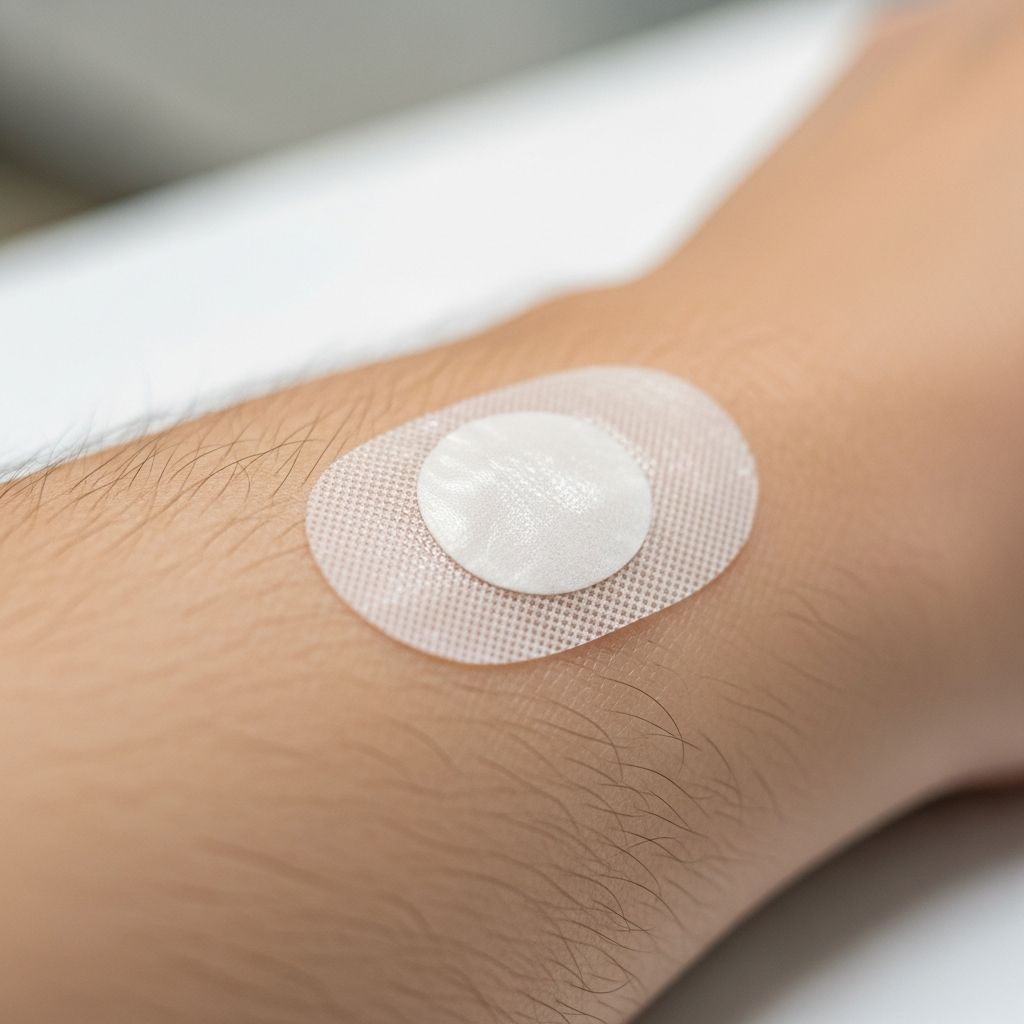
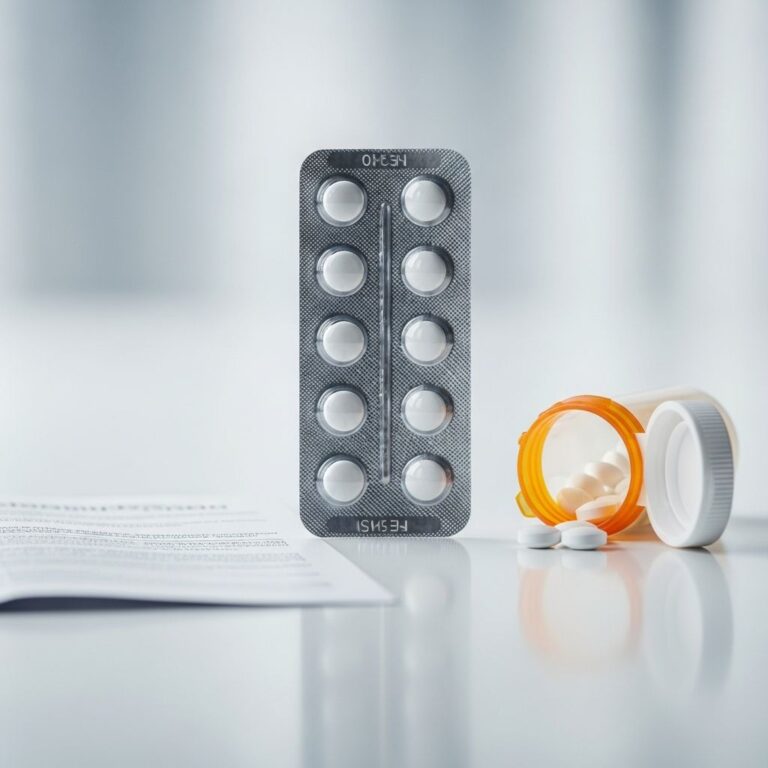
Hyoscine hydrobromide, commonly delivered via transdermal patches, serves as an effective anticholinergic agent primarily for preventing motion sickness symptoms like nausea and vomiting. These patches provide sustained release over several days, offering convenience for travelers and patients managing postoperative recovery or excessive salivation.
Understanding Hyoscine Hydrobromide
Hyoscine hydrobromide acts as a muscarinic acetylcholine receptor antagonist, blocking signals in the nervous system to reduce stomach contractions and secretions that trigger nausea. Known also as scopolamine, it crosses the blood-brain barrier, influencing both central and peripheral effects to combat dizziness, vertigo, and vomiting associated with travel or surgery.
The transdermal delivery system allows the drug to absorb steadily through the skin, achieving therapeutic levels in 5-8 hours and maintaining efficacy for up to 72 hours per patch. This contrasts with oral forms requiring frequent dosing every 4-6 hours.
Primary Applications in Healthcare
Clinically, hyoscine patches excel in motion sickness prevention for adults and children over 10 years. A Cochrane review of 14 studies with 1025 participants confirmed scopolamine’s superiority over placebo in reducing nausea risk (RR 0.48, 95% CI 0.32-0.73), though comparable to antihistamines.
- Motion and Travel Sickness: Applied before travel, patches mitigate symptoms from car, boat, or air journeys.
- Postoperative Nausea: Used after anesthesia to prevent vomiting.
Off-Label and Specialized Uses
Beyond licensed indications, hyoscine finds application in managing hypersalivation in patients with cerebral palsy, Parkinson’s, or palliative care. It reduces excessive saliva and respiratory secretions, aiding ventilated patients or those with drug-induced drooling.
In cancer care, patches help control chemotherapy-induced nausea. However, these uses fall outside official licensing, increasing risks if not monitored.
| Use Case | Licensed? | Typical Duration | Patient Group |
|---|---|---|---|
| Motion Sickness Prevention | Yes | 72 hours | Adults & children >10 |
| Post-Surgery Nausea | Off-label | 24-72 hours | Adults |
| Excessive Saliva Control | Off-label | Continuous with breaks | Neurological patients |
Proper Administration Techniques
Apply the patch to clean, dry, hairless skin behind the ear. Wash hands before and after handling to avoid eye contact, which causes pupil dilation. Each patch delivers 1.5mg over 72 hours; replace after 3 days, rotating ears to prevent irritation.
For children, halve the patch under medical supervision, though cutting risks uneven dosing. Remove before MRI scans due to adhesive interference. Effects persist up to 24 hours post-removal as residual drug absorbs.
- Select site: Post-auricular area, alternate ears.
- Apply firmly: Press for 30 seconds.
- Duration: Maximum 72 hours; no overlapping.
- Disposal: Fold sticky sides together.
Common Adverse Reactions
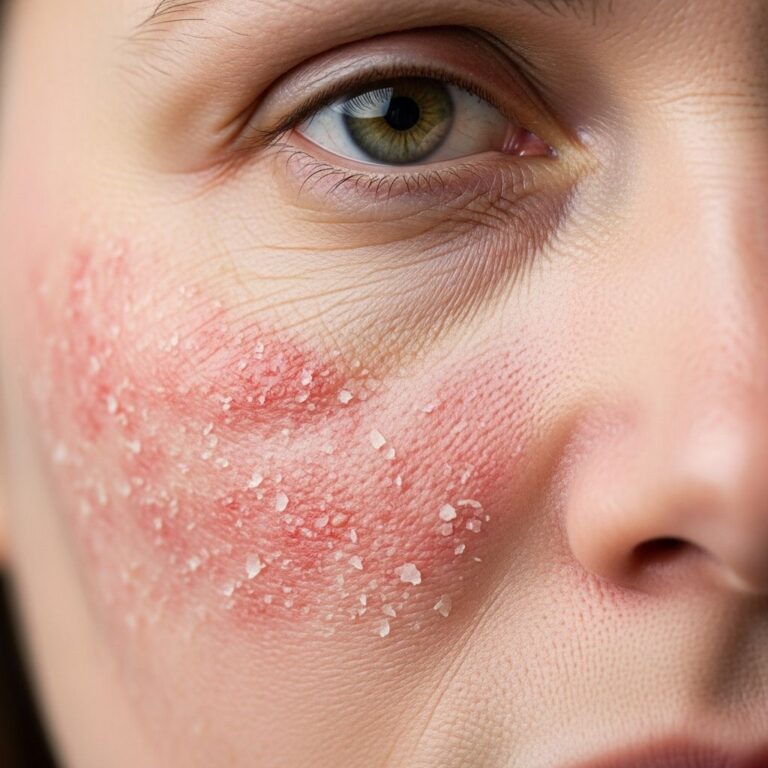
Anticholinergic effects dominate, including dry mouth (up to 34% in studies), blurred vision, drowsiness, and constipation. Skin reactions like redness or itching occur at application sites.
Scopolamine outperforms some alternatives in causing less drowsiness but shares risks like tachycardia and urinary hesitancy.
- Mild: Dry mouth, dizziness, flushing.
- Moderate: Blurred vision, restlessness.
- Severe (Rare): Hallucinations, delirium.
Serious Risks and Anticholinergic Toxicity
The UK MHRA reports rare life-threatening effects, especially off-label: hyperthermia, urinary retention, seizures, coma. Children and elderly are vulnerable; symptoms may linger post-removal.
Related Stories



Monitor for high fever, confusion, breathing issues. Overdose mimics delirium with memory loss and stupor.
Healthcare providers must counsel on immediate patch removal and hospital visit for severe symptoms.
Special Considerations for Vulnerable Groups
Pediatric Use
Licensed from age 10; younger children risk toxicity from prolonged use. Rare cases link patches to hyperthermia and respiratory distress in infants.
Elderly Patients
Increased susceptibility to confusion and falls; use lowest effective dose with monitoring.
Pregnancy and Breastfeeding
Limited data; consult physician. Avoid if possible due to fetal anticholinergic risks.
Drug Interactions and Contraindications
Avoid with other anticholinergics, amplifying toxicity. Myasthenia gravis, glaucoma, or bowel obstruction patients should not use.
| Interaction | Effect | Advice |
|---|---|---|
| Antihistamines | Increased drowsiness | Monitor closely |
| MAOIs | Enhanced anticholinergic | Contraindicated |
| Alcohol | Sedation potentiation | Avoid |
Monitoring and When to Seek Help
Track for irregular heartbeat, severe confusion, or vision changes—contact doctor promptly. In hospitals, regular checks prevent escalation.
Patient education: Recognize hyperthermia (fever >38°C), anuria, hallucinations as emergencies.
FAQs
How long before travel should I apply the patch?
5-6 hours prior for peak effect.
Can I wear two patches?
No; overdose risk.
What if the patch falls off?
Apply new one; effects wane after 24 hours.
Is it safe for long-term use?
Not recommended; breaks needed to avoid tolerance and toxicity.
Does it cause withdrawal?
Possible mild nausea or dizziness after prolonged use.
Storage and Disposal Guidelines
Store at room temperature, away from children. Dispose used patches securely to prevent accidental ingestion.
Word count: 1782 (excluding HTML tags and metadata).
References
- Patient Information Leaflet – Hyoscine hydrobromide (patch) — My Medicines NZ. Accessed 2026. https://www.mymedicines.nz/home/sheet/dQSW9gREfQg=?format=inline
- Hyoscine hydrobromide patches: risk of anticholinergic side effects — UK MHRA (gov.uk). 2012-10-12. https://www.gov.uk/drug-safety-update/hyoscine-hydrobromide-patches-scopoderm-1-dot-5mg-patch-or-scopoderm-tts-patch-risk-of-anticholinergic-side-effects-including-hyperthermia
- Hyoscine hydrobromide patches to reduce saliva production — Medicines for Children (RCPCH). Accessed 2026. https://www.medicinesforchildren.org.uk/medicines/hyoscine-hydrobromide-patches-to-reduce-saliva-production/
- Scopolamine (hyoscine) for preventing and treating motion sickness — Cochrane Database Syst Rev (PMC). 2020-04-28. https://pmc.ncbi.nlm.nih.gov/articles/PMC7138049/
- Scopolamine Patch: Uses & Side Effects — Cleveland Clinic. Accessed 2026. https://my.clevelandclinic.org/health/drugs/18372-scopolamine-skin-patches
- Scopolamine Transdermal Patch — MedlinePlus (NIH). Accessed 2026. https://medlineplus.gov/druginfo/meds/a682509.html
Similar Articles








Read full bio of Sneha Tete