Hyoscine Tablets Complete Guide To Uses, Dosage, Side Effects
Comprehensive guide to hyoscine tablets: uses, dosage, side effects, and safety tips for effective relief from cramps and spasms.
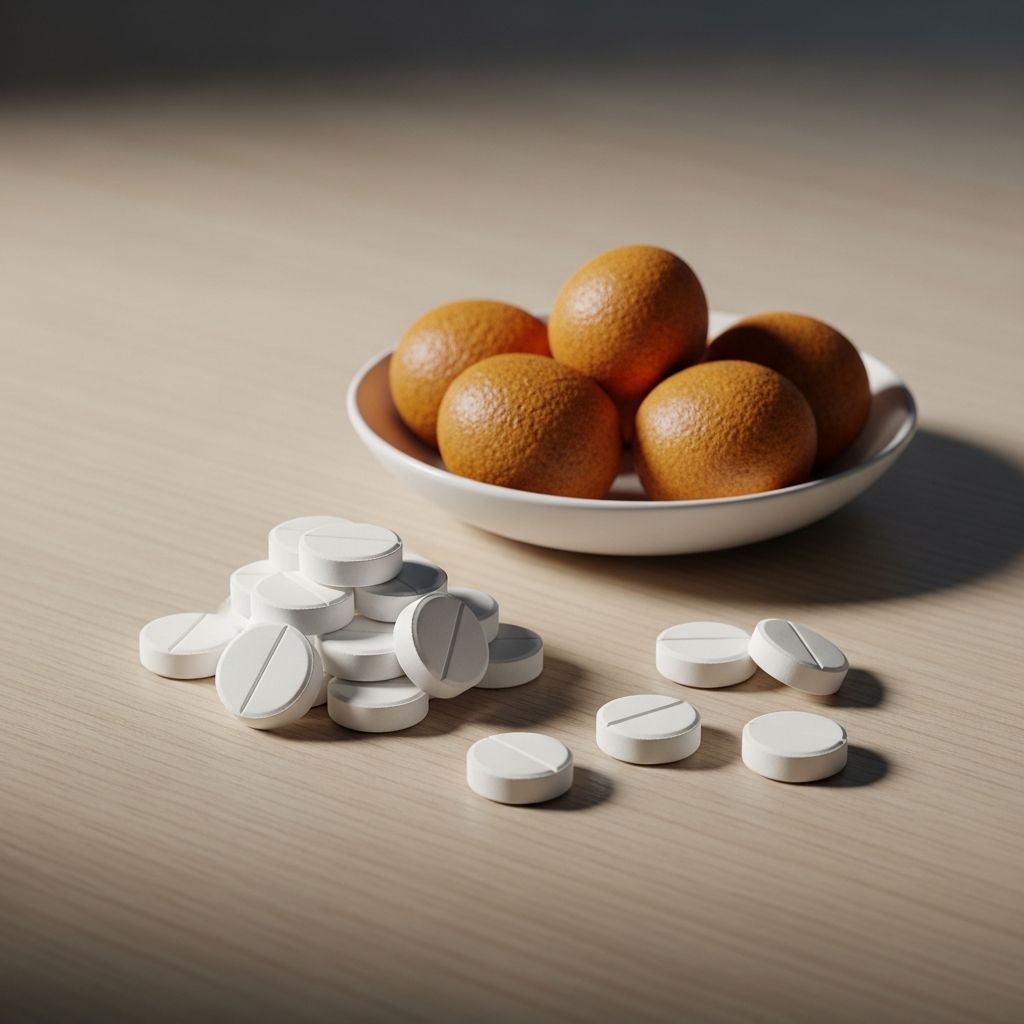
Hyoscine tablets, commonly known as hyoscine butylbromide or under brand names like Buscopan, serve as a reliable antispasmodic medication primarily aimed at easing smooth muscle spasms in the gastrointestinal and urinary tracts. These tablets work by blocking muscarinic receptors, which relaxes muscles and reduces cramping pain associated with conditions like irritable bowel syndrome (IBS) and bladder issues.
Understanding How Hyoscine Functions in the Body
At its core, hyoscine exerts an anticholinergic effect, meaning it interferes with the neurotransmitter acetylcholine’s action on smooth muscles. This leads to decreased motility in the stomach and intestines, alleviating spasms that cause discomfort. Unlike some related compounds, hyoscine butylbromide has minimal systemic absorption, staying mostly localized in the gut for targeted relief without significant central nervous system impact.
Clinical studies highlight its rapid onset, often within 15-30 minutes for oral forms, making it suitable for acute cramp relief. Its spasmolytic properties stem from high affinity for muscarinic receptors in the GI tract, effectively reducing peristalsis—the wave-like contractions that propel food through the digestive system.
Primary Medical Applications of Hyoscine
Hyoscine tablets find widespread use in managing various spasm-related conditions. Key applications include:
- Abdominal cramps: Effective for pain from gastrointestinal spasms, including those linked to IBS, diverticulitis, and biliary or renal colic.
- Irritable bowel syndrome (IBS): Provides symptomatic relief from bloating, cramping, and irregular bowel movements.
- Urinary tract spasms: Relieves discomfort from bladder or urethral cramps, often seen in cystitis.
- Diagnostic procedures: Used to reduce bowel movement during imaging like MRI or colonoscopy for clearer results.
- Other uses: Occasionally prescribed for excessive saliva, respiratory secretions in palliative care, or labor pain reduction.
Evidence from placebo-controlled trials confirms its efficacy, with patients reporting significant pain reduction in abdominal cramping scenarios.
Detailed Dosage Recommendations
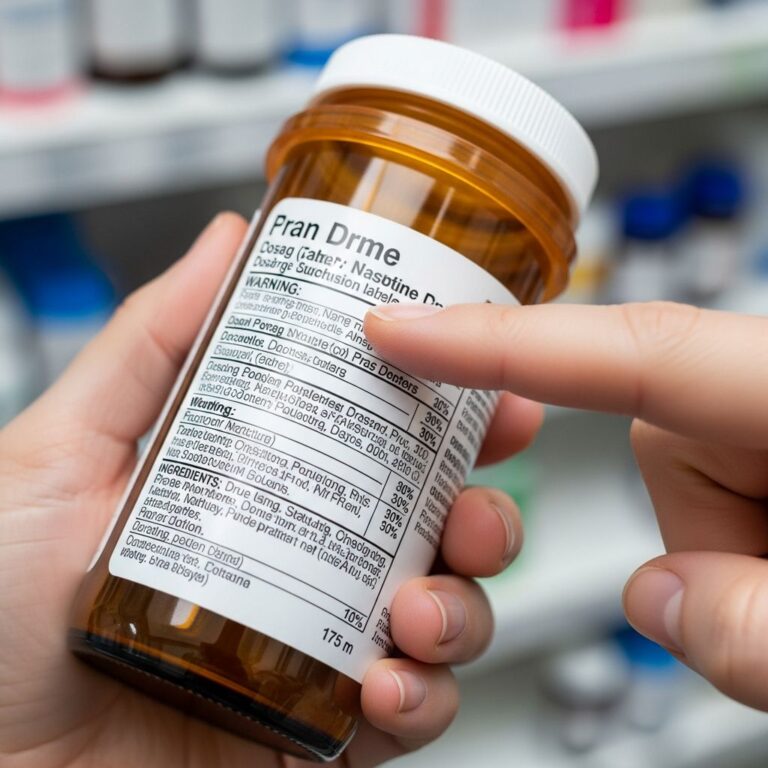
Dosage varies by age, condition severity, and administration form. Always adhere to healthcare provider instructions or package labeling.
| Patient Group | Standard Dose | Frequency | Maximum Daily |
|---|---|---|---|
| Adults | 10-20 mg | 3-4 times daily | 100 mg |
| Children (6-12 years) | 10 mg | 3 times daily | 30 mg |
| Under 6 years | Not recommended without medical advice | – | – |
Tablets can be taken with or without food, swallowed whole with water. For acute relief, initial doses may be higher, but do not exceed limits to avoid side effects. Injections are reserved for severe cases or procedures, administered by professionals.
Step-by-Step Administration Tips
- Read the patient information leaflet thoroughly before first use.
- Take tablets as soon as cramps begin for optimal effect.
- Stay hydrated to support digestive function.
- If symptoms persist beyond 48 hours, consult a doctor.
- Store at room temperature, away from moisture and children.
Potential Side Effects and Management
Hyoscine is generally well-tolerated due to low blood-brain barrier penetration, but side effects can occur. Common ones include:
- Dry mouth, blurred vision, or constipation from anticholinergic action.
- Tachycardia (fast heartbeat) or urinary retention, especially in susceptible individuals.
Rare but serious effects encompass allergic reactions (hives, swelling, breathing difficulty), severe eye pain indicating glaucoma worsening, or confusion in overdose. Most resolve upon discontinuation. Monitor for dizziness or flushing, and avoid driving if affected.
Related Stories



Critical Precautions and Contraindications
Not suitable for everyone. Avoid if you have:
- Glaucoma, myasthenia gravis, or megacolon.
- Prostatic hypertrophy with retention or tachyarrhythmia.
- Severe ulcerative colitis or achalasia.
Pregnant or breastfeeding individuals should consult professionals, as safety data is limited. Elderly patients may experience heightened sensitivity.
Drug Interactions to Watch For
Hyoscine may amplify effects of other anticholinergics, sedatives, or antidepressants. Key interactions:
| Drug Class | Potential Issue | Advice |
|---|---|---|
| Antihistamines | Increased drowsiness | Monitor closely |
| MAO inhibitors | Enhanced anticholinergic effects | Avoid combination |
| Domperidone/Metoclopramide | Reduced efficacy | Space doses |
Inform your doctor of all medications, including over-the-counter ones.
Special Considerations for Vulnerable Groups
Pregnancy and Breastfeeding
Limited data exists; use only if benefits outweigh risks. It may shorten labor’s first stage without harming neonate.
Children and Elderly
Pediatric use requires caution; not for infants under 6 months. Seniors risk confusion or retention—start low.
When to Seek Immediate Medical Attention
Stop use and contact a doctor if experiencing:
- Intense abdominal pain lasting over 48 hours.
- Vision changes, severe dry mouth, or fever.
- Signs of allergy: rash, swelling, anaphylaxis.
- Difficulty urinating or irregular heartbeat.
Lifestyle Tips to Enhance Hyoscine Effectiveness
Combine medication with:
- Dietary fiber increase for IBS management.
- Stress reduction techniques like yoga.
- Regular exercise to promote gut motility.
- Avoiding triggers such as caffeine or spicy foods.
Track symptoms in a journal to identify patterns and adjust usage.
Frequently Asked Questions (FAQs)
Can hyoscine be used for period pain?
Yes, it helps with uterine cramps similar to IBS relief, though not first-line.
Does hyoscine cause drowsiness?
Rarely, due to poor CNS penetration, but possible in high doses.
How long does relief last?
Typically 4-6 hours; repeat as directed.
Is it available over-the-counter?
In many countries for adults, but check local regulations.
What if I miss a dose?
Take when remembered unless near next dose; do not double up.
Overdose Response and Prevention
Symptoms include severe dry mouth, hallucinations, or tachycardia. Seek emergency care immediately. Prevention involves strict adherence to dosing.
In summary, hyoscine tablets offer targeted relief for spasms with a favorable safety profile when used appropriately. Always prioritize professional medical advice for personalized care.
References
- Hyoscyamine: MedlinePlus Drug Information — U.S. National Library of Medicine. 2023. https://medlineplus.gov/druginfo/meds/a684010.html
- Hyoscine butylbromide: a review of its use in the treatment… — PubMed (Adis Drug Evaluation). 2007-05-26. https://pubmed.ncbi.nlm.nih.gov/17547475/
- Hyoscine Butylbromide injection – Prescription Drugs — Rexall. Accessed 2023. https://www.rexall.ca/article/drug/view/id/5930
- Hyoscine Butylbromide — SingHealth. Accessed 2023. https://www.singhealth.com.sg/medicine/hyoscine-butylbromide
- Hyoscine butylbromide — Wikipedia (informed by primary sources). Accessed 2023. https://en.wikipedia.org/wiki/Hyoscine_butylbromide
- Buscopan (Hyoscine Butylbromide): Side Effects and Dosage — Patient.info. 2023-10-16. https://patient.info/medicine/hyoscine-butylbromide-tablets-buscopan
- HYOSCINE BUTYLBROMIDE – Medsafe — Medsafe (NZ Govt). Accessed 2023. https://www.medsafe.govt.nz/consumers/cmi/h/hyoscinebutylbromide.pdf
Similar Articles








Read full bio of Sneha Tete