Hypercholesterolemia: Causes, Symptoms & Treatment
Understanding hypercholesterolemia: causes, symptoms, and effective treatments to lower cholesterol and reduce heart disease risk.
What Is Hypercholesterolemia?
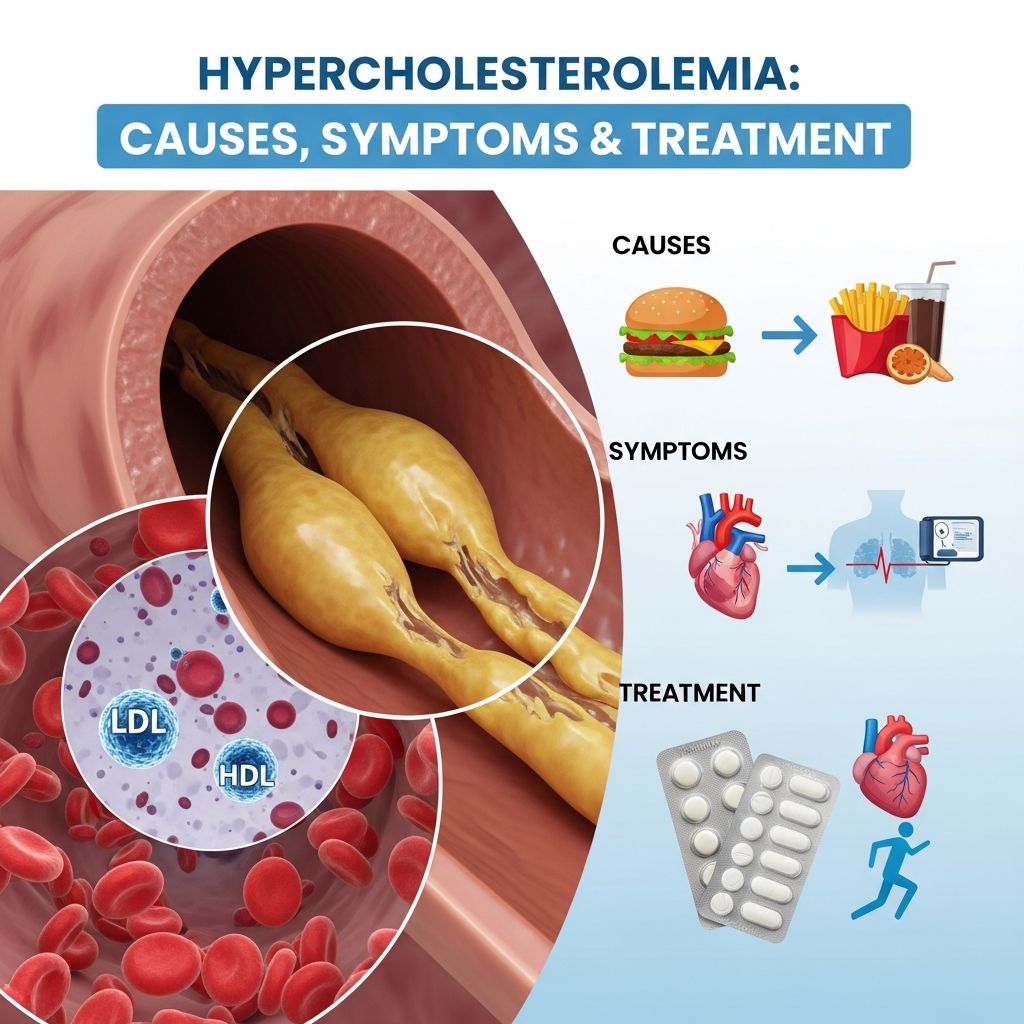
Hypercholesterolemia is a lipid disorder defined by an excess of low-density lipoprotein (LDL) cholesterol in the blood. LDL cholesterol is often referred to as “bad” cholesterol because it contributes to the buildup of fatty deposits in the arteries, a process known as atherosclerosis. This buildup can restrict blood flow and increase the risk of heart attack, stroke, and other cardiovascular diseases. Hypercholesterolemia is a major risk factor for atherosclerotic cardiovascular disease (ASCVD), which remains the leading cause of death worldwide .
Types of Hypercholesterolemia
- Primary (Familial) Hypercholesterolemia: This is a genetic disorder that causes very high LDL cholesterol levels from birth. It is inherited and can lead to early onset heart disease.
- Secondary Hypercholesterolemia: This type is caused by other factors such as diet, obesity, diabetes, hypothyroidism, or certain medications.
Causes of Hypercholesterolemia
Several factors can contribute to high cholesterol levels:
- Genetics: Familial hypercholesterolemia is caused by mutations in genes that regulate cholesterol metabolism.
- Diet: Consuming foods high in saturated fats and trans fats can raise LDL cholesterol.
- Lifestyle: Lack of physical activity, smoking, and excessive alcohol consumption can increase cholesterol levels.
- Medical Conditions: Conditions such as diabetes, hypothyroidism, and kidney disease can affect cholesterol levels.
- Medications: Certain drugs, including steroids and some antipsychotics, can raise cholesterol.
Symptoms of Hypercholesterolemia
Hypercholesterolemia is often symptomless until significant atherosclerosis has developed. However, some people may experience:
- Chest pain (angina)
- Shortness of breath
- Leg pain or cramping (claudication)
- Yellowish deposits of cholesterol under the skin (xanthomas)
- Corneal arcus (a white or gray ring around the cornea)
Diagnosis of Hypercholesterolemia
Hypercholesterolemia is diagnosed through a lipid panel blood test, which measures:
- Total cholesterol
- LDL cholesterol
- HDL cholesterol
- Triglycerides
The target LDL cholesterol level varies based on individual risk factors for cardiovascular disease. For most adults, the target is less than 100 mg/dL, but for those at very high risk, it may be less than 70 mg/dL or even 55 mg/dL .
Treatment of Hypercholesterolemia
Treatment aims to lower LDL cholesterol and reduce the risk of cardiovascular events. Options include:
Lifestyle Changes
- Diet: Adopt a heart-healthy diet rich in fruits, vegetables, whole grains, and lean proteins. Limit saturated fats, trans fats, and cholesterol.
- Exercise: Engage in regular physical activity, such as brisk walking, for at least 150 minutes per week.
- Weight Management: Maintain a healthy weight to improve cholesterol levels.
- Smoking Cessation: Quit smoking to reduce cardiovascular risk.
- Alcohol Moderation: Limit alcohol intake to moderate levels.
Medications
When lifestyle changes are not enough, medications may be prescribed:
- Statins: These are the first-line drugs for lowering LDL cholesterol. Examples include atorvastatin, simvastatin, and rosuvastatin.
- Ezetimibe: This drug reduces cholesterol absorption in the intestines.
- PCSK9 Inhibitors: These injectable drugs are used for patients who do not respond to statins or have very high cholesterol levels.
- Bile Acid Sequestrants: These drugs bind to bile acids in the intestines, reducing cholesterol levels.
- Niacin: This vitamin can lower LDL cholesterol and raise HDL cholesterol, but it is less commonly used due to side effects.
Related Stories



Advanced Treatments
For patients with severe hypercholesterolemia, especially those with familial hypercholesterolemia, advanced treatments may be necessary:
- Lipoprotein Apheresis: This procedure removes LDL cholesterol from the blood.
- Gene Therapy: Emerging therapies, such as CRISPR gene editing, are being explored for treating genetic forms of hypercholesterolemia .
Complications of Hypercholesterolemia
Untreated hypercholesterolemia can lead to serious complications:
- Coronary artery disease
- Heart attack
- Stroke
- Peripheral artery disease
- Chronic kidney disease
Prevention of Hypercholesterolemia
Preventing hypercholesterolemia involves adopting a healthy lifestyle:
- Eat a balanced diet
- Exercise regularly
- Maintain a healthy weight
- Avoid smoking
- Limit alcohol consumption
- Get regular check-ups and lipid panel tests
Frequently Asked Questions (FAQs)
Q: What is the difference between hypercholesterolemia and hyperlipidemia?
A: Hypercholesterolemia specifically refers to high levels of LDL cholesterol, while hyperlipidemia is a broader term that includes high levels of any type of fat in the blood, such as triglycerides and HDL cholesterol.
Q: Can hypercholesterolemia be cured?
A: Hypercholesterolemia cannot be cured, but it can be managed effectively with lifestyle changes and medications to reduce the risk of complications.
Q: How often should I get my cholesterol checked?
A: Adults should have their cholesterol checked every 4-6 years, or more frequently if they have risk factors for heart disease.
Q: Are there any side effects of cholesterol-lowering medications?
A: Yes, cholesterol-lowering medications can have side effects, such as muscle pain, liver problems, and digestive issues. However, the benefits usually outweigh the risks.
Q: Can children have hypercholesterolemia?
A: Yes, children can have hypercholesterolemia, especially if they have a family history of high cholesterol or familial hypercholesterolemia.
References
- The Pathophysiology of Hypercholesterolemia — HCPLive. 2022. https://www.hcplive.com/view/the-pathophysiology-of-hypercholesterolemia
- Hypercholesterolemia: Causes, Symptoms & Treatment — Cleveland Clinic. 2022. https://my.clevelandclinic.org/health/diseases/23921-hypercholesterolemia
- First-in-human trial of CRISPR gene-editing therapy safely lowered cholesterol triglycerides — American Heart Association News. 2021. https://newsroom.heart.org/news/first-in-human-trial-of-crispr-gene-editing-therapy-safely-lowered-cholesterol-triglycerides
Similar Articles








Read full bio of medha deb