Hyperemia: Causes, Symptoms, and Treatment
Understanding hyperemia: Learn about increased blood flow, its causes, symptoms, and effective treatment options.
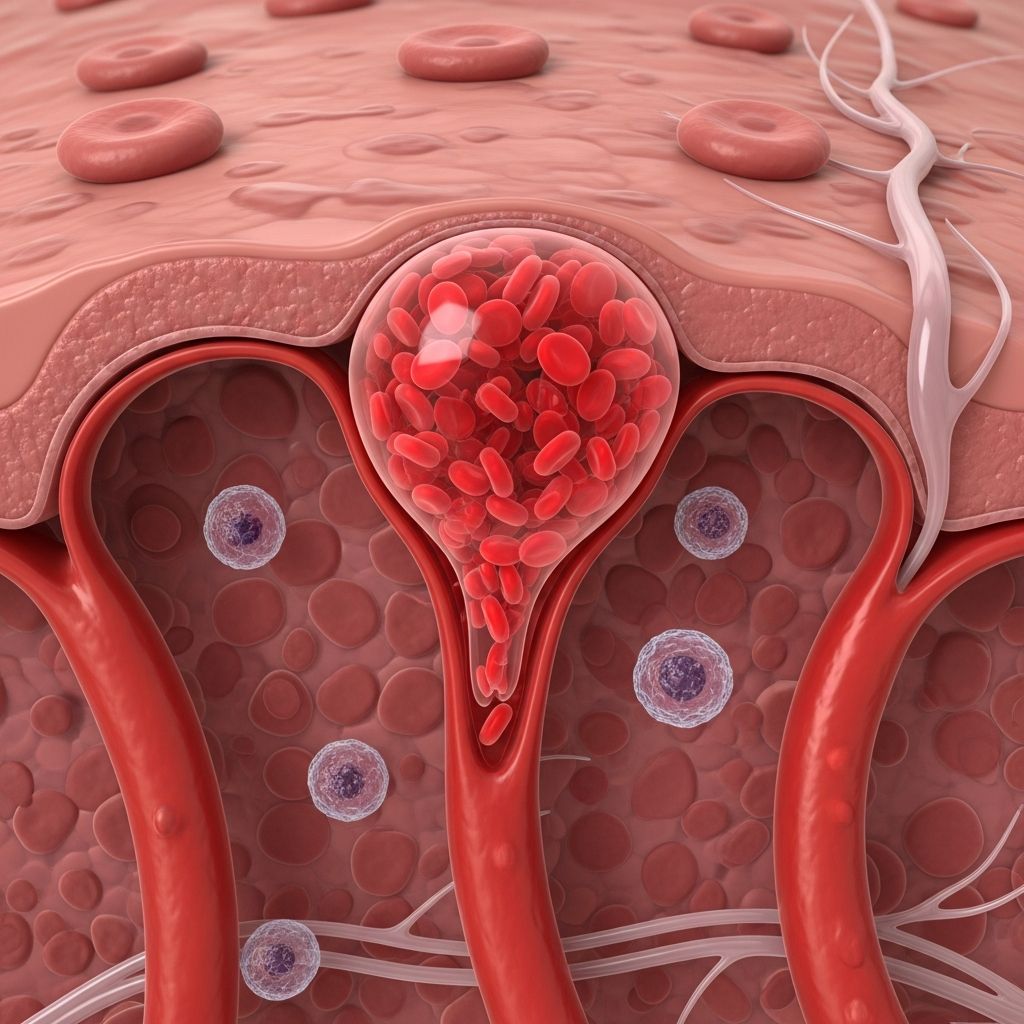
What is Hyperemia?
Hyperemia is a medical condition characterized by an increased flow of blood to a specific organ or tissue in your body. This heightened blood circulation can occur for various reasons and may indicate different underlying conditions or simply represent a normal physiological response to certain activities or stimuli.
Understanding hyperemia is important because it can range from a completely benign and temporary response to a sign of a more serious medical condition requiring intervention. The condition manifests in two primary forms: active hyperemia and passive hyperemia, each with distinct causes and treatment approaches.
Types of Hyperemia
Healthcare providers classify hyperemia into two main categories based on the underlying mechanisms and causes.
Active Hyperemia
Active hyperemia occurs when blood vessels dilate and increase blood flow in response to increased metabolic demand. This type typically develops as your body naturally responds to various activities or processes. Active hyperemia is generally considered a healthy physiological response and often resolves on its own without medical intervention. It commonly occurs during exercise, digestion, fever, hot flashes, and natural blushing responses.
Passive Hyperemia
Passive hyperemia develops when blood flow increases due to decreased venous drainage or obstruction in blood vessels. Unlike active hyperemia, passive hyperemia may indicate an underlying cardiovascular or systemic problem that requires medical attention. This type can be associated with more serious conditions and often accompanies other concerning symptoms.
Common Causes of Hyperemia
Hyperemia can develop for numerous reasons, ranging from everyday activities to serious medical conditions. Understanding these causes helps you determine whether medical attention is necessary.
Physical and Lifestyle Causes
Exercise represents one of the most common causes of active hyperemia. During physical activity, your muscles demand increased oxygen and nutrients, prompting your cardiovascular system to increase blood flow to active tissues. This is a normal and beneficial response that indicates your body is functioning properly.
Digestion also triggers active hyperemia as your digestive system requires increased blood flow to process food. Similarly, fever causes hyperemia because your body redirects blood flow to the skin surface to help regulate elevated body temperature. Hot flashes during menopause and hormonal fluctuations can produce temporary hyperemia as your body attempts to cool itself.
Medical and Pathological Causes
Several medical conditions can cause hyperemia that requires professional evaluation and treatment. Infection in any organ or tissue stimulates hyperemia as your immune system increases blood flow to fight pathogens. Inflammation throughout the body produces increased blood circulation to affected areas as part of the healing process.
Heart failure can cause passive hyperemia due to compromised cardiac function and poor venous drainage. Blood clots (thrombosis) may develop hyperemia in surrounding tissues as the body attempts to manage the obstruction. Injury and trauma trigger active hyperemia as part of the inflammatory and healing response, while surgical procedures can produce temporary hyperemia during recovery.
Related Stories



Recognizing Symptoms of Hyperemia
Symptoms vary depending on the type, severity, and location of hyperemia. Active hyperemia often produces minimal or no noticeable symptoms beyond the expected response to activity.
Active Hyperemia Symptoms
Active hyperemia typically causes subtle signs that reflect increased blood flow. You may notice redness or flushing in the affected area, warmth to the touch, and possibly mild swelling. These symptoms usually appear during or immediately after the triggering activity and resolve quickly once the stimulus is removed.
Passive Hyperemia Symptoms
Passive hyperemia often presents with more concerning symptoms that warrant medical evaluation:
- Shortness of breath or difficulty breathing
- Chest pain or discomfort
- Coughing or wheezing
- Swelling in limbs and abdominal area
- Nausea and general malaise
- Pain at the site of hyperemia
- Itching or burning sensations
- Visible bluish or darkened appearance of affected tissue
When passive hyperemia symptoms occur alongside changes in vital signs such as elevated heart rate, abnormal blood pressure, low oxygen levels, or fever, immediate medical evaluation becomes essential.
Diagnostic Approach to Hyperemia
Your healthcare provider uses a systematic approach to diagnose hyperemia and determine its underlying cause.
Initial Assessment
Your doctor begins by taking a comprehensive personal and medical history, carefully noting your symptoms and when they started. A thorough physical examination includes checking vital signs such as heart rate, blood pressure, oxygen saturation levels, and body temperature. These baseline measurements help your provider assess the severity of your condition and detect any abnormalities.
Diagnostic Testing
The need for diagnostic testing depends on the suspected type and cause of hyperemia. Active hyperemia often requires minimal or no testing, as it typically responds to clinical evaluation and symptom assessment alone.
For suspected passive hyperemia or when underlying conditions are suspected, your doctor may order:
- Blood tests to evaluate oxygen levels, clotting function, and general health markers
- Ultrasound imaging to visualize blood vessels and assess blood flow patterns
- Exercise stress tests to evaluate cardiac function under exertion
- Advanced imaging tests such as CT or MRI to visualize affected organs and tissues
- Doppler ultrasound to measure blood flow velocity in specific vessels
These diagnostic tools help your healthcare team assess the health and structural integrity of your arteries, veins, and heart, determining whether serious underlying conditions are present.
Treatment Options for Hyperemia
Treatment approaches vary significantly based on the hyperemia type and its underlying cause.
Managing Active Hyperemia
Active hyperemia typically requires no specific treatment, as it represents a normal physiological response that resolves independently. Hyperemia occurring during exercise, hot flashes, blushing, or digestion generally doesn’t necessitate medical intervention unless accompanying symptoms develop.
However, if active hyperemia results from infection, injury, or inflammation, symptomatic treatment may provide relief. Over-the-counter medications can help manage associated symptoms such as pain or fever. Rest and elevation of affected areas often reduce discomfort and promote healing. In most cases, active hyperemia resolves completely within hours to days without intervention.
Treating Passive Hyperemia
Passive hyperemia treatment focuses on addressing the underlying cause and improving venous drainage. Management strategies often combine lifestyle modifications, pharmacological interventions, and in some cases, medical devices or procedures:
| Treatment Category | Specific Interventions | Purpose |
|---|---|---|
| Lifestyle Modifications | Healthy diet, regular exercise, weight loss, smoking cessation, leg elevation | Improve overall cardiovascular health and reduce strain |
| Medications | Blood thinners, beta-blockers, statins, diuretics, vasodilators | Improve blood flow and manage underlying conditions |
| Medical Procedures | Stent placement, angioplasty, surgical intervention | Restore blood flow and eliminate obstructions |
Condition-Specific Treatment
Treatment must be tailored to the specific cause of hyperemia. Bacterial infections require antibiotics to eliminate the infection source. Inflammatory conditions respond to anti-inflammatory medications or corticosteroids. Hormonal causes such as menopausal hot flashes may benefit from hormone replacement therapy. Heart failure, diabetes, and obesity require comprehensive long-term management combining medication, lifestyle changes, and regular monitoring.
When to Seek Emergency Care
Certain hyperemia symptoms indicate the need for immediate emergency evaluation. Visit the emergency room immediately if you experience severe chest pain, significant difficulty breathing, fainting or loss of consciousness, rapid or severely irregular heartbeat, or symptoms of stroke such as facial drooping or arm weakness. Additionally, seek emergency care if passive hyperemia symptoms develop suddenly or worsen rapidly.
Living with Hyperemia
Managing hyperemia effectively involves understanding your specific condition and following your healthcare provider’s recommendations. For mild swelling associated with hyperemia, elevation of the affected body part combined with rest can provide significant relief. Compression stockings may help reduce swelling in the legs and improve circulation. Maintaining detailed records of your symptoms and identifying triggers helps you and your provider develop effective management strategies.
Regular follow-up appointments allow your healthcare team to monitor your progress and adjust treatment as needed. Open communication about your symptoms ensures you receive appropriate care and prevents complications.
Frequently Asked Questions
Q: Is all hyperemia dangerous?
A: No, not all hyperemia is dangerous. Active hyperemia occurring during exercise, digestion, or hot flashes is a normal physiological response. However, passive hyperemia may indicate serious underlying conditions requiring medical evaluation and treatment.
Q: How long does active hyperemia typically last?
A: Active hyperemia usually resolves within minutes to hours after the triggering stimulus is removed. For example, exercise-induced hyperemia typically resolves within 30 minutes to an hour after activity ceases.
Q: Can I prevent hyperemia from occurring?
A: While you cannot prevent all types of hyperemia, you can reduce your risk by maintaining a healthy lifestyle, managing chronic health conditions, avoiding smoking, maintaining a healthy weight, and following your doctor’s recommendations regarding activity and diet.
Q: What is the difference between hyperemia and bruising?
A: Hyperemia refers to increased blood flow causing redness and warmth, while bruising involves bleeding beneath the skin creating discoloration. However, both can occur together following injury.
Q: Should I avoid all exercise if I have passive hyperemia?
A: No, but you should consult your healthcare provider about appropriate activity levels. In many cases, moderate, supervised exercise is beneficial. Your doctor will provide specific recommendations based on your condition.
Q: How is passive hyperemia different from active hyperemia?
A: Active hyperemia results from increased metabolic demand and increased blood flow, while passive hyperemia occurs from decreased venous drainage or obstruction, often indicating underlying medical problems requiring treatment.
Q: Can hyperemia be a sign of infection?
A: Yes, hyperemia is commonly a sign of infection as the body increases blood flow to fight pathogens. If you suspect infection, seek medical evaluation for proper diagnosis and treatment with appropriate antibiotics if needed.
References
- Hyperemia: Definition, Causes, Symptoms, Treatment — MedicineNet. Accessed December 2024. https://www.medicinenet.com/what_is_hyperemia_caused_by_and_symptoms/article.htm
- Hypervolemia Symptoms, Causes & Treatment — Cleveland Clinic. Accessed December 2024. https://my.clevelandclinic.org/health/diseases/22962-hypervolemia
- Impact of systemic venous congestion in heart failure — PubMed Central, National Institutes of Health. 2011. https://pubmed.ncbi.nlm.nih.gov/21861070/
Similar Articles








Read full bio of Sneha Tete