Hypereosinophilic Syndrome: Causes, Symptoms & Treatment
Understanding HES: A comprehensive guide to symptoms, diagnosis, and management of hypereosinophilic syndrome.
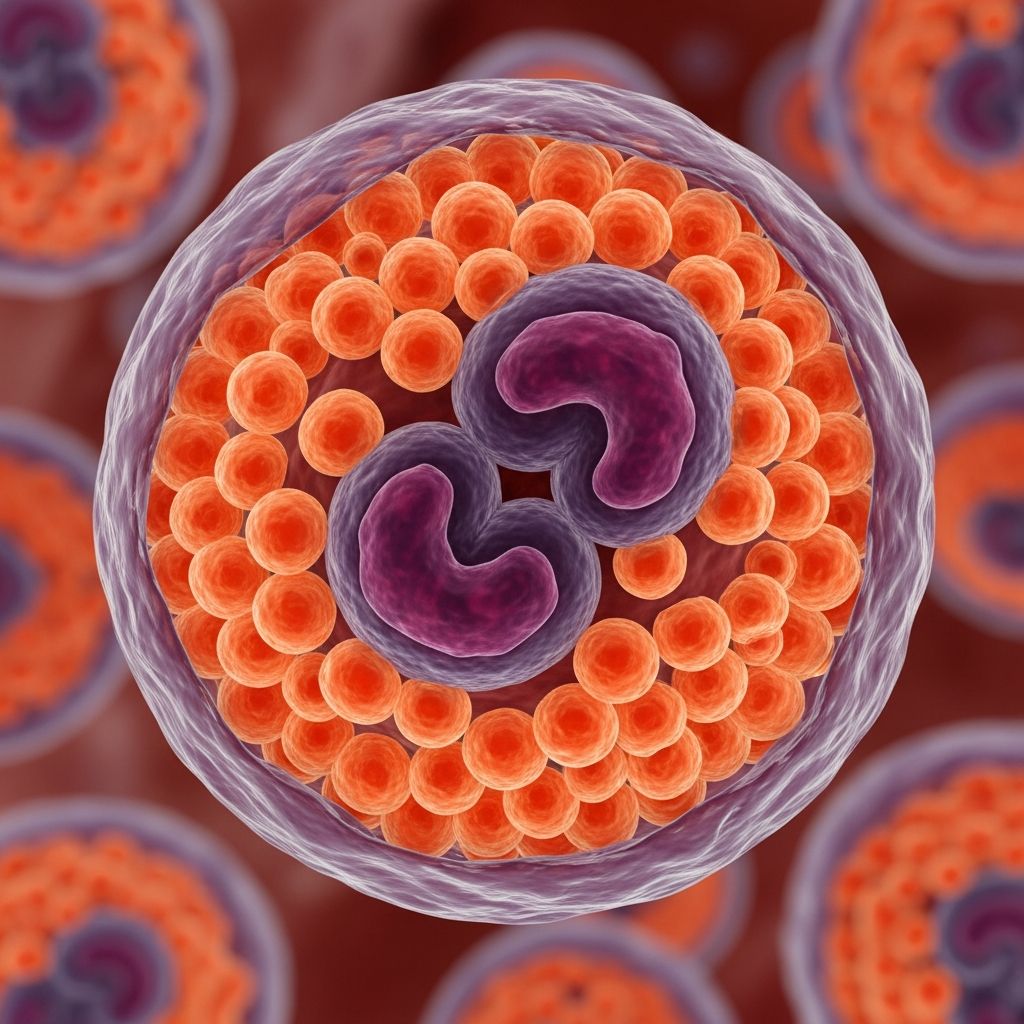
Hypereosinophilic Syndrome: Overview and Definition
Hypereosinophilic syndrome (HES) is a rare disorder characterized by persistently elevated eosinophil levels in the blood and subsequent damage to organs and tissues. Eosinophils are white blood cells that normally play a role in fighting parasitic infections and regulating immune responses. In HES, these cells become abnormally elevated, causing inflammation and damage to multiple organ systems throughout the body. The condition is defined by the presence of more than 1.5 × 10⁹ eosinophils per liter of blood on at least two separate occasions, spaced one month apart.
HES can develop at any age, though it is more commonly diagnosed in adults. The syndrome represents a heterogeneous group of disorders with variable clinical presentations, making both diagnosis and treatment challenging. Understanding the underlying causes and mechanisms of HES is essential for proper management and improved patient outcomes.
Causes and Etiology
Hypereosinophilic syndrome can result from various underlying causes, which are broadly categorized into primary and secondary forms. Primary HES involves clonal or neoplastic expansion of eosinophils, often associated with specific genetic mutations such as FIP1L1-PDGFRA. Secondary HES develops as a consequence of other medical conditions, including:
- Parasitic infections
- Environmental or food allergies
- Autoimmune diseases
- Hypersensitivity reactions to medications
- Underlying malignancies
- Lymphoproliferative disorders
In some cases, no identifiable underlying cause can be determined, resulting in idiopathic HES. A thorough evaluation to exclude secondary causes is critical during the diagnostic process, as treatment approaches differ significantly depending on the underlying etiology.
Clinical Manifestations and Symptoms
HES presents with a diverse range of symptoms that vary depending on which organs and tissues are affected. The most commonly involved organs include the skin, lungs, heart, and nervous system. Early symptoms of HES may include fatigue, cough, shortness of breath, muscle pain, swelling in deep skin layers, rash, and fever.
Dermatologic Manifestations
Skin involvement represents one of the most frequent manifestations of HES, with cutaneous symptoms appearing in the majority of patients. Initial skin lesions typically appear on the trunk and extremities as pruritic erythematous macules, papules, plaques, wheals, and nodules. Common skin presentations include:
- Urticaria (hives)
- Angioedema (deep tissue swelling)
- Erythematous rashes
- Eczema-like lesions
- Cutaneous nodules
In more severe cases, particularly those associated with the FIP1L1-PDGFRA variant, skin manifestations may progress to mucosal ulcerations within the gastrointestinal tract, extending from the oral mucosa to the rectum. Some patients may also develop lymphomatoid papulosis, a condition characterized by recurring skin lesions that histologically resemble lymphoma.
Respiratory Manifestations
Respiratory involvement is common in HES and frequently presents with asthma-like symptoms including dyspnea, cough, and wheezing. Chest imaging may reveal patchy ground-glass infiltrates and consolidation within the pulmonary parenchyma. Though less frequent, pulmonary nodules, pleural effusion, intrathoracic lymphadenopathy, and pulmonary emboli may also occur. Histologic examination by lung biopsy typically demonstrates eosinophilic infiltrates throughout the lung tissue. Respiratory symptoms may develop acutely or progress slowly, sometimes leading to pulmonary fibrosis in advanced cases.
Related Stories



Cardiac Involvement
The heart is frequently affected in HES, and cardiac manifestations can be severe and life-threatening. Clinical presentations typically include signs of heart failure such as dyspnea, chest pain, cough, and palpitations. HES may also manifest with signs and symptoms of pericarditis, myocardial ischemia, and intracardiac thrombus formation. One of the most serious cardiac complications is endomyocardial fibrosis, where eosinophilic infiltrates damage the inner lining of the heart muscle. This complication can lead to restrictive cardiomyopathy and significant functional impairment. Detailed cardiac evaluation is essential in all HES patients due to the potential for severe complications.
Neurological Manifestations
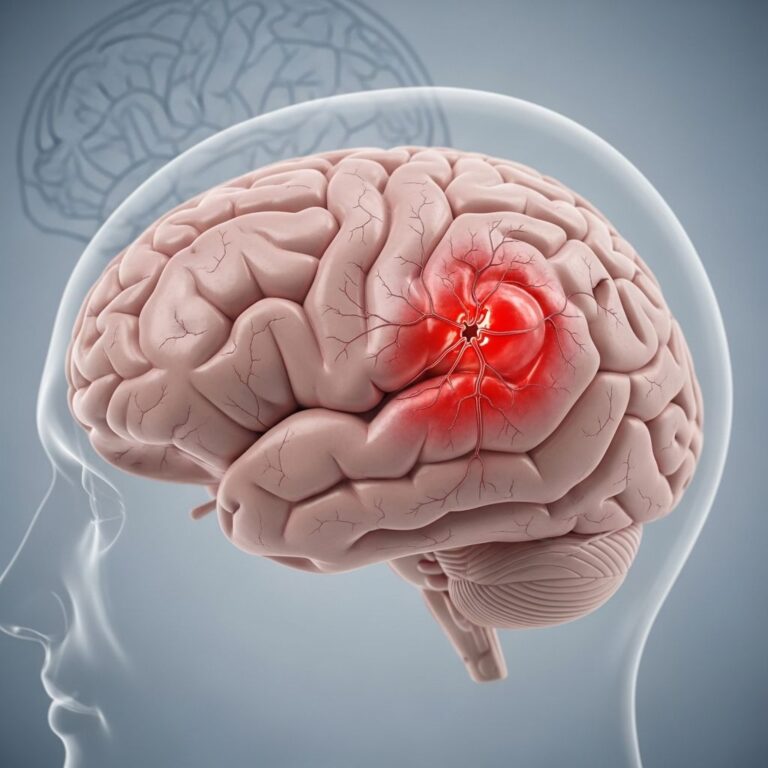
Neurologic involvement occurs in more than 50% of HES patients and can present as both central and peripheral symptoms. Central nervous system manifestations include encephalopathy, characterized by altered behavior, cognitive dysfunction, and spasticity. Peripheral manifestations account for the majority of neurologic symptoms and present as:
- Peripheral neuropathy
- Mononeuropathy multiplex (multiple single nerve involvement)
- Autonomic neuropathy
- Polymyositis
Additional neurologic complications may result from thromboembolic disease, including cerebral emboli with focal deficits, intracardiac thrombus formation leading to stroke, sinus thrombosis, and encephalopathy secondary to microvascular occlusion. Memory loss and confusion are common presenting symptoms that should prompt medical evaluation.
Gastrointestinal Manifestations
Gastrointestinal involvement occurs in more than 40% of HES patients. Common GI symptoms include abdominal cramps, diarrhea, and nausea. In severe cases, particularly when the FIP1L1-PDGFRA variant is present, eosinophilic infiltration of the GI tract can cause mucosal ulcerations ranging from the mouth to the rectum. These complications can lead to significant morbidity and require careful monitoring and management.
Other Systemic Manifestations
HES can affect multiple additional organ systems and cause various systemic symptoms. Laboratory abnormalities frequently observed include anemia, elevated serum tryptase levels, elevated serum vitamin B12 levels, myelofibrosis, splenomegaly, and thrombocytopenia. Immunologic manifestations include circulating immune complexes with serum sickness, and elevated levels of immunoglobulins, particularly IgE. Mouth sores and constitutional symptoms such as fever and weight loss may also occur.
Diagnostic Approach and Testing
Diagnosis of HES can be challenging because symptoms overlap with many other medical conditions. A systematic diagnostic approach is essential to confirm HES and identify underlying causes and organ involvement.
Initial Laboratory Evaluation
Complete blood count (CBC) with differential is fundamental to diagnosis, demonstrating eosinophilia exceeding 1.5 × 10⁹/L on at least two occasions separated by one month. Blood film morphological review is essential and may identify abnormalities including dysplastic eosinophils suggestive of primary HES. Additional initial laboratory studies should include:
- Comprehensive blood chemistries
- Liver function tests
- Renal function tests
- Creatine kinase levels
- Troponin levels
- Serum tryptase determination
- Serum vitamin B12 levels
- Erythrocyte sedimentation rate (ESR)
Serum tryptase elevation is particularly important because it serves as a minor criterion for systemic mastocytosis diagnosis, a condition that may coexist with or mimic HES.
Exclusion of Secondary Causes
A critical component of HES diagnosis involves excluding secondary causes of eosinophilia. Testing may include:
- Stool evaluation to detect parasitic infection
- Allergy testing to diagnose environmental or food allergies
- Medication history review to identify hypersensitivity reactions to drugs
- Autoimmune screening to detect underlying autoimmune conditions
If organ damage is identified, investigation of both primary and secondary causes should proceed simultaneously to hasten diagnosis and minimize further tissue damage.
Organ Damage Assessment
When HES is suspected, comprehensive evaluation for organ damage is critical. Standard assessments include:
- Electrocardiogram (ECG) to evaluate cardiac electrical function
- Echocardiography to assess cardiac structure and function, with routine performance in all HES patients
- Chest radiography to evaluate pulmonary involvement
- Pulmonary function tests to assess respiratory status
- Computed tomography (CT) of the chest, abdomen, and pelvis to identify organ infiltration
- Contrast-enhanced cardiac magnetic resonance imaging (MRI) for superior evaluation of cardiac fibrosis
- Doppler ultrasound to exclude vascular abnormalities
Investigation should be guided by clinical presentation, with specific focus on organs suggested by patient symptoms. In asymptomatic patients with incidental hypereosinophilia, such imaging studies may be deferred.
Tissue Biopsy
Biopsies of the skin or other affected organs may be performed to confirm eosinophilic infiltration and establish organ involvement. Histologic examination typically reveals eosinophilic infiltrates in affected tissues. Skin biopsy is particularly useful because skin involvement is common and biopsies are readily obtained.
Molecular and Genetic Testing
Molecular genetic studies are important for identifying specific mutations and HES variants. Key testing includes:
- FIP1L1-PDGFRA mutation detection to identify the myeloproliferative form of HES, which occurs predominantly in males and carries prognostic significance
- Bone marrow examination with flow cytometry and cytogenetic testing
- Reverse transcriptase-polymerase chain reaction (rtPCR) or fluorescence in situ hybridization (FISH) for clonality assessment
- T cell receptor and cytogenetic studies in lymphoid-variant HES (L-HES) to determine T cell clonality
- Epstein-Barr virus (EBV) testing in L-HES cases, as chronic EBV infection may drive the condition
These tests help determine diagnosis, prognosis, and guide treatment selection.
HES Variants
HES encompasses several distinct variants with different characteristics and prognostic implications. The major variants include myeloproliferative HES (M-HES), lymphoid-variant HES (L-HES), and undefined HES. Each variant may present differently and respond differently to therapy. L-HES typically presents with dermatologic symptoms and abnormal T cell markers, while M-HES, particularly those with FIP1L1-PDGFRA mutations, may present with more aggressive cardiac and GI involvement.
Treatment Approaches
Treatment of HES depends on the underlying cause, identified variant, and extent of organ involvement. In patients with acute, severe, or progressive organ damage, corticosteroid therapy is often initiated concurrent with diagnostic testing to minimize further tissue damage. Specific treatments are tailored based on the HES variant and underlying etiology identified during the diagnostic process.
Frequently Asked Questions
Q: What is the difference between hypereosinophilia and hypereosinophilic syndrome?
A: Hypereosinophilia refers to elevated eosinophil counts in the blood, while HES specifically refers to elevated eosinophils accompanied by evidence of organ damage and dysfunction.
Q: Is hypereosinophilic syndrome curable?
A: Treatment depends on the underlying cause. Secondary HES may resolve when the underlying condition is treated, while primary HES requires long-term management to control eosinophil levels and prevent organ damage.
Q: How is HES diagnosed if symptoms are nonspecific?
A: Diagnosis requires persistently elevated eosinophil counts on blood tests plus evidence of organ damage identified through imaging and other testing. A systematic approach to exclude other conditions is essential.
Q: Why is cardiac evaluation important in HES?
A: The heart is frequently affected in HES, and serious complications including endomyocardial fibrosis and thrombus formation can develop silently. Routine cardiac assessment helps identify damage early and prevent life-threatening complications.
Q: What does the FIP1L1-PDGFRA mutation mean for HES patients?
A: This mutation indicates myeloproliferative HES and has prognostic significance. Patients with this mutation may respond particularly well to specific targeted therapies and have different disease characteristics compared to other HES variants.
Q: Can HES affect children?
A: While HES is more common in adults, it can develop at any age, including in children. Pediatric presentation may differ from adult disease.
References
- Hypereosinophilic Syndrome Symptoms, Diagnosis, Treatment — American Academy of Allergy, Asthma & Immunology (AAAAI). 2024. https://www.aaaai.org/conditions-treatments/related-conditions/hypereosinophilic-syndrome
- Hypereosinophilic Syndrome – Symptoms and Causes — Mayo Clinic. 2024. https://www.mayoclinic.org/diseases-conditions/hypereosinophilic-syndrome/symptoms-causes/syc-20352854
- How I Diagnose Hypereosinophilic Syndromes — EMJ Reviews Hematology. 2024. https://www.emjreviews.com/hematology/article/how-i-diagnose-hypereosinophilic-syndromes/
- Hypereosinophilic Syndrome – Hematology and Oncology — Merck Manuals Professional Version. 2024. https://www.merckmanuals.com/professional/hematology-and-oncology/eosinophilic-disorders/hypereosinophilic-syndrome
- Hypereosinophilic Syndrome — StatPearls, National Center for Biotechnology Information (NCBI). 2024. https://www.ncbi.nlm.nih.gov/books/NBK599558/
Similar Articles








Read full bio of Sneha Tete