Hyperglycemia: 5 Key Signs, Causes, And Treatments
Understand the signs, risks, and strategies to manage high blood sugar effectively for better health outcomes.
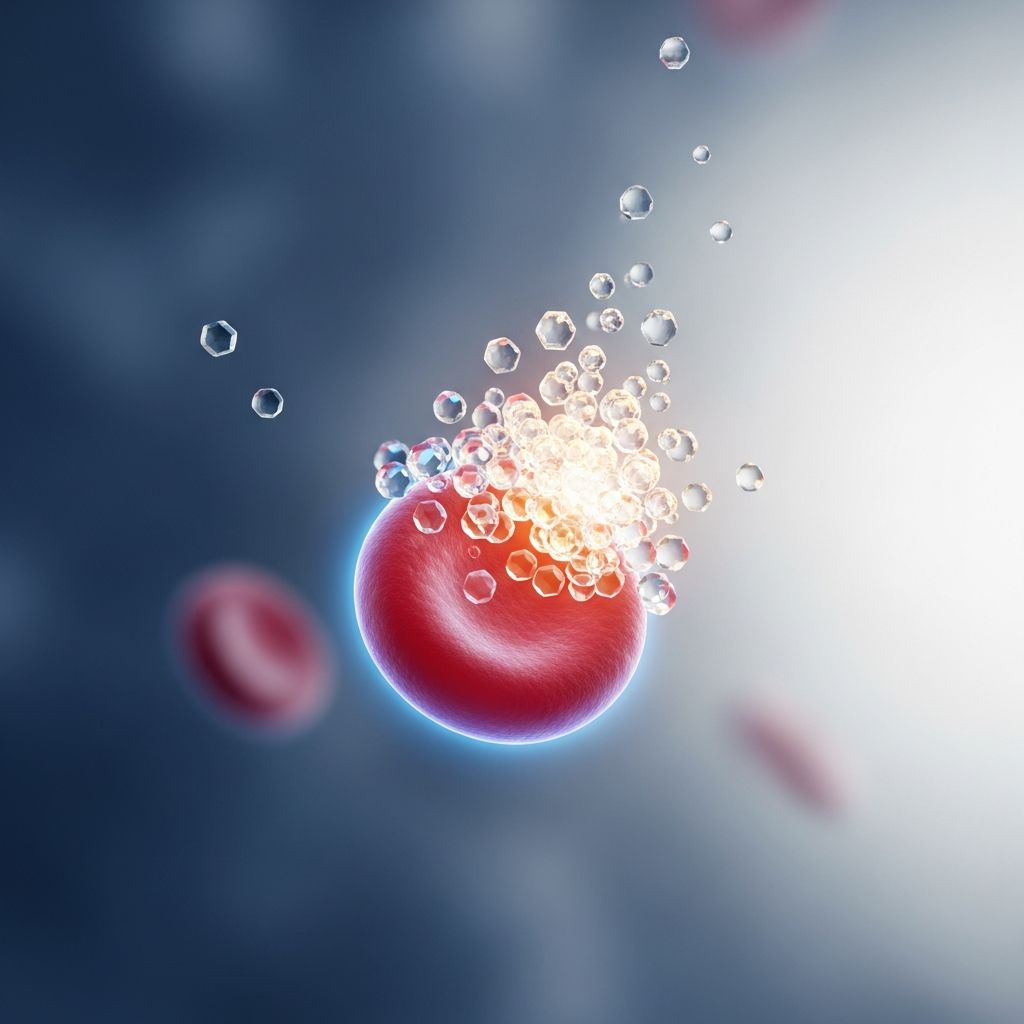
High blood sugar, known as hyperglycemia, occurs when glucose levels in the bloodstream rise above normal ranges, often due to insufficient insulin production or ineffective insulin use by the body. This condition primarily affects individuals with diabetes but can impact anyone under certain circumstances, leading to a variety of symptoms and potential long-term health issues if not addressed promptly.
Recognizing the Signs of Elevated Blood Glucose
The body provides clear signals when blood sugar climbs too high. Common indicators include excessive thirst, as the kidneys work overtime to filter out excess glucose, pulling water from tissues and causing dehydration. Frequent urination accompanies this, sometimes disrupting sleep and daily routines. Many experience heightened hunger despite eating, fatigue that lingers, and unintended weight loss as the body breaks down muscle and fat for energy instead of using glucose effectively.
Other noticeable effects involve blurred vision from fluid shifts in the eye lenses, headaches, and dry mouth or skin. In children or severe cases, symptoms might escalate to nausea, vomiting, stomach pain, or a fruity breath odor signaling diabetic ketoacidosis (DKA), a dangerous buildup of acids in the blood. Early recognition of these signs is crucial, especially for those with diabetes, to prevent progression to emergencies.
- Increased thirst (polydipsia): Body’s attempt to dilute high glucose.
- Frequent urination (polyuria): Kidneys expelling excess sugar.
- Persistent fatigue: Cells starved of energy despite high blood glucose.
- Blurred vision and headaches: Osmotic changes affecting eyes and brain.
- Unexplained weight loss: Particularly in type 1 diabetes cases.
Root Causes Behind High Blood Sugar Levels
Hyperglycemia stems from disruptions in glucose regulation. Normally, insulin, produced by the pancreas, shuttles glucose into cells for energy or storage. In type 1 diabetes, the immune system destroys insulin-producing beta cells, leading to absolute insulin deficiency. Type 2 diabetes involves insulin resistance, where cells ignore insulin’s signal, compounded by eventual beta cell fatigue.
Beyond diabetes, external triggers abound. Illnesses or infections prompt stress hormones like cortisol and adrenaline, which elevate glucose by signaling the liver to release stored sugar. Certain medications, including corticosteroids, diuretics, beta-blockers, and antipsychotics, interfere with insulin action or promote glucose production. Hormonal imbalances in conditions like Cushing’s syndrome, acromegaly, or pregnancy also contribute by fostering insulin resistance.
Lifestyle factors play a significant role too. Consuming excess carbohydrates without balancing insulin or activity spikes levels. Physical inactivity reduces glucose uptake by muscles. Emotional stress, surgery, or trauma similarly activates counter-regulatory hormones. Even the dawn phenomenon—a natural morning hormone surge—can cause overnight rises in susceptible individuals.
| Category | Examples | Mechanism |
|---|---|---|
| Diabetes-Related | Type 1, Type 2 | Insulin deficiency or resistance |
| Medications | Steroids, diuretics | Induce insulin resistance or gluconeogenesis |
| Stress/Illness | Infection, surgery | Hormone release (cortisol, epinephrine) |
| Lifestyle | High-carb intake, inactivity | Imbalance in intake vs. utilization |
The Science of Glucose Imbalance
Glucose homeostasis relies on a delicate equilibrium: the liver produces glucose via gluconeogenesis and glycogenolysis, while muscles and fat cells uptake it under insulin’s influence. Hyperglycemia disrupts this when insulin signaling fails, leaving glucose stranded in blood. Over time, chronic elevation damages vessels through glycation—sugar binding to proteins and lipids, stiffening arteries and impairing organ function.
Related Stories



In insulin resistance, receptors on cell surfaces become desensitized, demanding more insulin for the same effect. Pancreatic damage from pancreatitis, cystic fibrosis, or cancer further impairs production. Endocrine disorders amplify this by excess counter-hormones like growth hormone or glucagon.
Potential Health Risks and Complications
Untreated hyperglycemia invites severe consequences. Acute risks include hyperosmolar hyperglycemic state (HHS), marked by extreme dehydration and neurological symptoms, or DKA with acidosis, prevalent in type 1 diabetes. Seek emergency care for symptoms like rapid breathing, confusion, or fruity breath.
Chronic exposure fosters microvascular damage: retinopathy blurring vision via retinal vessel leaks, nephropathy scarring kidneys leading to failure, and neuropathy causing pain or numbness in extremities. Macrovascular issues heighten heart attack, stroke, and peripheral artery disease risks. Additional concerns involve slowed wound healing, infections, and cognitive decline.
- Acute: DKA, HHS—require hospitalization.
- Chronic: Cardiovascular disease, kidney failure, vision loss.
- Other: Infections, nerve damage, foot ulcers.
Effective Management and Treatment Approaches
Treatment prioritizes restoring normal glucose while addressing causes. For type 1 diabetes, insulin therapy—via injections or pumps—is essential, tailored to meals, activity, and monitoring. Type 2 management starts with lifestyle: balanced diet low in refined carbs, regular exercise enhancing insulin sensitivity, and weight control.
Oral agents like metformin reduce liver glucose output and improve sensitivity. Other classes include sulfonylureas stimulating insulin release, DPP-4 inhibitors prolonging its action, GLP-1 agonists slowing digestion, and SGLT2 inhibitors promoting urinary glucose excretion. In advanced cases, insulin supplements these. Blood pressure, lipid, and anti-smoking efforts mitigate complications.
During illness or stress, protocols like “sick day rules” involve extra monitoring, hydration, and adjusted meds. Continuous glucose monitors (CGMs) provide real-time data for proactive tweaks.
Daily Strategies to Prevent Hyperglycemia
Prevention hinges on consistent habits. Monitor blood glucose regularly, targeting 70-130 mg/dL fasting and under 180 mg/dL post-meal per guidelines. Plan carbohydrate intake using methods like carb counting. Engage in 150 minutes weekly of moderate activity, like walking, to boost uptake.
Manage stress through mindfulness, sleep hygiene, and support networks. Stay vigilant with medications, avoiding skips or improper storage. Annual screenings for eyes, kidneys, and feet catch issues early. Education empowers self-management, reducing emergency visits.
| Strategy | Benefits | Tips |
|---|---|---|
| Regular Monitoring | Early detection | Use glucometer or CGM daily |
| Balanced Diet | Stable levels | Focus on fiber, lean proteins, veggies |
| Physical Activity | Improved sensitivity | 30 min most days, avoid sedentary spells |
| Medication Adherence | Consistent control | Set reminders, consult for changes |
Special Considerations for At-Risk Groups
Pregnant individuals face gestational hyperglycemia from placental hormones; screening and insulin if needed protect mother and baby. Children with type 1 require vigilant monitoring to avert DKA. Elderly patients balance hypo- and hyperglycemia risks with simplified regimens.
Those on steroids or post-surgery need temporary intensives. Cultural dietary adaptations ensure sustainable adherence.
Frequently Asked Questions (FAQs)
What blood sugar level indicates hyperglycemia?
Typically, over 130 mg/dL fasting or 180 mg/dL post-meal signals elevation; consult personalized targets.
Can stress alone cause high blood sugar?
Yes, via cortisol release prompting liver glucose output, even in non-diabetics.
How quickly does hyperglycemia develop?
It can onset over hours from meals/illness or build gradually from poor control.
Is exercise always safe during high readings?
Avoid if over 250 mg/dL with ketones; hydrate and check first.
Does hyperglycemia affect everyone the same?
No, symptoms vary by age, duration, and health status.
References
- Hyperglycemia: Symptoms, Causes, and Treatments — Yale Medicine. 2023. https://www.yalemedicine.org/conditions/hyperglycemia-symptoms-causes-treatments
- Hyperglycemia (High Blood Sugar): Symptoms & Treatment — Cleveland Clinic. 2023-10-28. https://my.clevelandclinic.org/health/diseases/9815-hyperglycemia-high-blood-sugar
- Hyperglycemia – StatPearls — NCBI Bookshelf. 2023-07-17. https://www.ncbi.nlm.nih.gov/books/NBK430900/
- High Blood Sugar (Hyperglycemia) Warning Signs — UnityPoint Health. 2022-12-01. https://www.unitypoint.org/news-and-articles/high-blood-sugar-warning-signs
- Hyperglycemia (High Blood Glucose) — American Diabetes Association. 2023. https://diabetes.org/living-with-diabetes/treatment-care/hyperglycemia
Similar Articles








Read full bio of Sneha Tete