Hyperglycemia: High Blood Sugar Symptoms & Treatment
Understanding hyperglycemia: causes, symptoms, complications, and effective management strategies for high blood sugar.
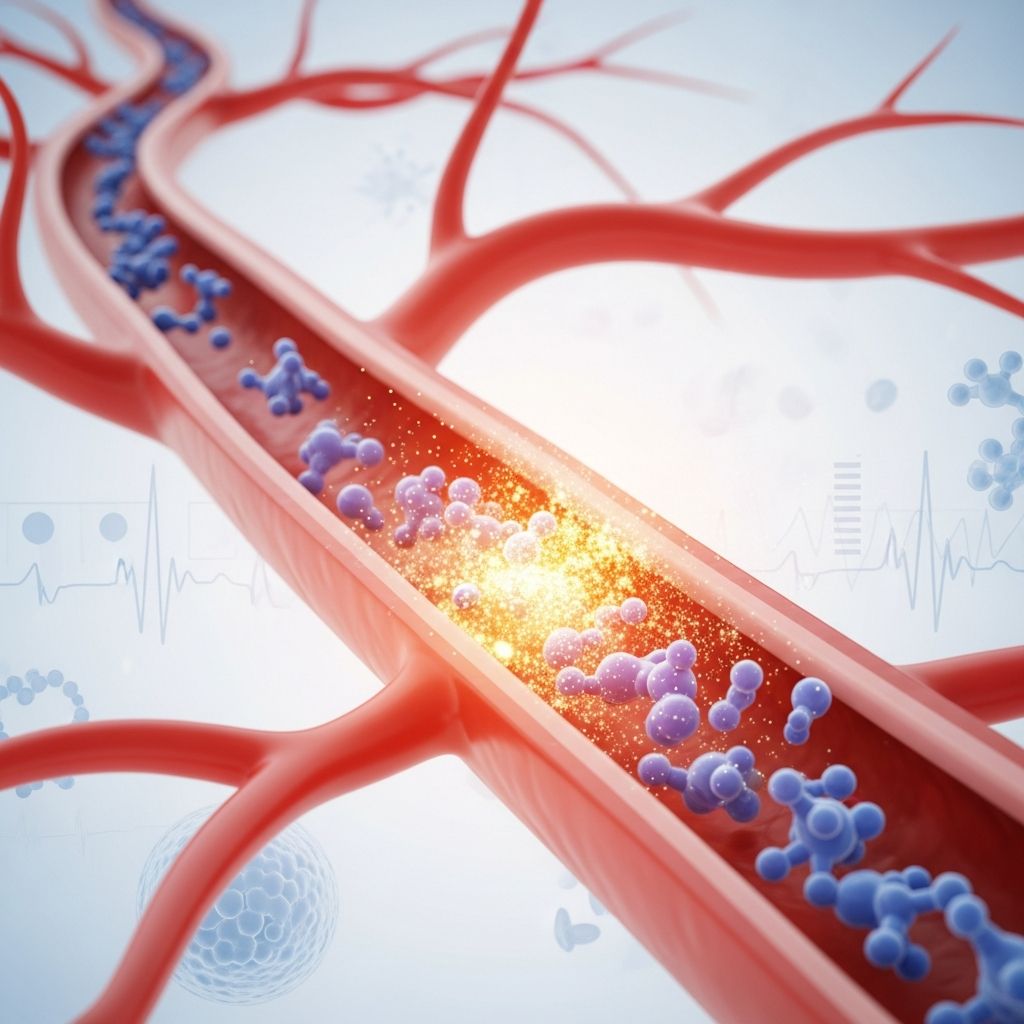
Hyperglycemia, commonly known as high blood sugar or high blood glucose, occurs when there is too much glucose circulating in your bloodstream. This condition is particularly prevalent among individuals with diabetes, though it can affect anyone under certain circumstances. Understanding hyperglycemia is essential because when left untreated, it can lead to serious health complications affecting your nerves, blood vessels, tissues, and organs. For people with diabetes, hyperglycemia episodes are not uncommon and require careful monitoring and management to prevent long-term damage.
What Is Hyperglycemia?
Hyperglycemia is defined as elevated blood glucose levels, and for most people with diabetes, healthcare providers consider blood sugar levels above 180 mg/dL to be high blood sugar.[10] However, in postoperative settings, hyperglycemia is often defined as plasma glucose levels of 200 mg/dL or greater, as this level is considered a common metabolic manifestation of operative and postoperative patient stress. The normal fasting blood glucose range for people without diabetes typically falls between 70 and 100 mg/dL, while random blood glucose levels should ideally be below 140 mg/dL.
Hyperglycemia can develop gradually or suddenly, depending on the underlying cause. In people with diabetes, it often develops when blood sugar management becomes inadequate, while in non-diabetic individuals, hyperglycemia may occur during periods of significant physiological stress, such as surgery, illness, or infection.
Causes of Hyperglycemia
Hyperglycemia most often develops due to a lack of insulin or insulin resistance. These two mechanisms represent the primary pathways through which blood sugar levels become elevated. Understanding these causes is crucial for developing an effective treatment strategy.
Lack of Insulin: When your pancreas fails to produce sufficient insulin, glucose cannot enter your cells effectively, causing it to accumulate in your bloodstream. This is the primary mechanism in Type 1 diabetes, where the pancreas produces little to no insulin. Additionally, people with Type 2 diabetes who take insulin may experience hyperglycemia if they skip or forget their insulin doses.
Insulin Resistance: In Type 2 diabetes, your body may produce insulin, but your cells don’t respond to it properly, a condition known as insulin resistance. This means your cells cannot effectively utilize the glucose in your blood, leading to elevated blood sugar levels.
Other Contributing Factors: Beyond insufficient insulin or insulin resistance, several other factors can trigger hyperglycemia episodes, including stress, illness, infection, certain medications, poor diet choices, insufficient physical activity, and hormonal changes. Additionally, the Somogyi effect—where a low blood sugar episode overnight leads to a surge of hormones that causes high blood sugar in the morning—can contribute to elevated morning glucose levels in people taking insulin.
Symptoms of Hyperglycemia
Recognizing the early signs of hyperglycemia is crucial for timely intervention and prevention of serious complications. The symptoms of high blood sugar can develop gradually, and many people may not immediately notice them.
Related Stories



Common symptoms of hyperglycemia include:
- Excessive thirst (polydipsia)
- Frequent urination, especially at night
- Fatigue and weakness
- Difficulty concentrating
- Blurred vision
- Headaches
- Slow-healing wounds or cuts
- Skin infections that are difficult to treat
It’s particularly important to be aware of these symptoms if you take insulin or other diabetes medications, as early detection can help you manage your blood sugar more effectively and prevent progression to more severe conditions.
Health Complications of Untreated Hyperglycemia
When hyperglycemia is left untreated for extended periods, it can cause significant damage throughout your body. The prolonged elevation of blood glucose leads to damage of nerves, blood vessels, tissues, and organs, resulting in various long-term complications.
Long-Term Complications: Chronic hyperglycemia is associated with several serious diabetes complications, including nerve damage (neuropathy), eye disease (retinopathy), kidney damage (nephropathy), cardiovascular disease, and poor wound healing. These complications develop gradually over time as high blood sugar damages the small blood vessels and nerves throughout your body.
Acute Complications: Beyond chronic complications, severe hyperglycemia can lead to an acute, life-threatening emergency called diabetes-related ketoacidosis (DKA). This condition occurs especially in people with diabetes who take insulin or people with undiagnosed Type 1 diabetes. In DKA, a lack of insulin combined with a high amount of ketones causes your blood to become acidic, potentially leading to coma or death if not treated immediately.
Additionally, hyperglycemic hyperosmolar state (HHS) is another serious emergency condition that can develop from severe hyperglycemia, characterized by extreme elevation in blood glucose levels (600 mg/dL or greater) with hyperosmolarity.
Treatment and Management of Hyperglycemia
People who have diabetes must use medication and/or lifestyle changes to help keep their blood sugar levels in range. The approach to managing hyperglycemia is individualized based on the type of diabetes, severity of the condition, and other health factors.
Medication Options:
- Oral diabetes medications that help your body use insulin more effectively or reduce glucose production
- Synthetic insulin injections for people who lack sufficient insulin production
- Other injectable medications like GLP-1 receptor agonists
- Combination therapies tailored to your specific needs
Lifestyle Modifications: In addition to medication, lifestyle changes play a crucial role in managing hyperglycemia. These include maintaining a healthy diet focused on whole grains, lean proteins, and vegetables while limiting refined carbohydrates and sugary foods; engaging in regular physical activity; maintaining a healthy weight; managing stress effectively; and getting adequate sleep.
Blood Glucose Monitoring: Regular blood sugar monitoring is essential for people with diabetes and those at risk of hyperglycemia. Healthcare providers typically recommend checking blood glucose levels at specific times throughout the day, with frequency depending on your individual treatment plan.[10] This allows you to identify patterns and make necessary adjustments to your management strategy.
Treatment of Hyperglycemic Emergencies
When hyperglycemia progresses to emergency conditions like DKA or HHS, immediate medical intervention is required. The management of these acute conditions involves administering intravenous fluids, insulin, and electrolytes, along with treating the precipitating cause. During treatment of DKA, blood glucose should be checked every 1 to 2 hours, with electrolytes, phosphate, creatinine, and venous pH checked every 4 hours until resolution.
For HHS, glucose reduction must be carefully controlled to avoid complications such as cerebral edema, with glucose reduction not exceeding 90 to 120 mg/dL per hour. Additionally, sodium levels and osmolality must be managed carefully to minimize neurologic risks.
In hospitalized patients with DKA or HHS, basal insulin can be continued at the usual dose and adjusted as needed during hospitalization, along with continuous intravenous insulin infusion, which may reduce rebound hyperglycemia and prevent recurring crises.
Prevention Strategies
Preventing hyperglycemia episodes is more effective than treating them after they occur. Several strategies can help maintain healthy blood sugar levels:
- Take diabetes medications exactly as prescribed and never skip doses
- Follow a balanced, diabetes-friendly diet
- Engage in regular physical activity most days of the week
- Maintain a healthy weight
- Manage stress through relaxation techniques
- Get adequate sleep each night
- Monitor your blood sugar regularly as recommended by your healthcare provider
- Keep all appointments with your healthcare team
When to Seek Medical Help
It’s important to contact your healthcare provider if you experience persistent high blood sugar readings or if your blood sugar levels are consistently above your target range despite taking your medications and following lifestyle recommendations. Additionally, seek immediate emergency care if you experience symptoms of DKA, including severe nausea or vomiting, difficulty breathing, fruity-smelling breath, confusion, or loss of consciousness.
Frequently Asked Questions
Q: What is the normal blood sugar range?
A: For people without diabetes, the normal fasting blood glucose is typically between 70 and 100 mg/dL, while random blood glucose should be below 140 mg/dL. For those with diabetes, healthcare providers generally aim to keep blood glucose levels between 70 and 150 mg/dL, though individual targets may vary.
Q: How often should I check my blood sugar if I have diabetes?
A: The frequency of blood sugar monitoring depends on your individual treatment plan. Those on insulin typically check more frequently, sometimes multiple times daily, while others may check once or twice daily or as recommended by their healthcare provider.[10]
Q: Can hyperglycemia be reversed?
A: Hyperglycemia episodes can be managed and controlled through medication adjustments and lifestyle changes. However, chronic high blood sugar that causes long-term damage to organs and tissues is not always reversible, which is why prevention and early management are so important.
Q: Is hyperglycemia only a concern for people with diabetes?
A: While hyperglycemia is most common in people with diabetes, it can also occur in non-diabetic individuals during times of severe stress, illness, infection, or following surgery. However, about 1 in 10 people in the United States has diabetes, making hyperglycemia a very common condition overall.
Q: What should I do if I suspect I have hyperglycemia?
A: If you suspect hyperglycemia, contact your healthcare provider for evaluation. They can perform blood glucose testing and determine the appropriate treatment plan. If you experience severe symptoms like difficulty breathing, confusion, or loss of consciousness, seek emergency medical care immediately.
Q: Can diet alone manage hyperglycemia?
A: Diet is an important component of hyperglycemia management, but most people with diabetes require medication in addition to dietary changes to maintain healthy blood sugar levels. Your healthcare provider can determine the best combination of diet, lifestyle changes, and medications for your specific situation.
References
- Postoperative Hyperglycemia and Insulin Management — National Center for Biotechnology Information (NCBI). 2009. https://pmc.ncbi.nlm.nih.gov/articles/PMC2769886/
- Hyperglycemia (High Blood Sugar): Symptoms & Treatment — Cleveland Clinic. 2024. https://my.clevelandclinic.org/health/diseases/9815-hyperglycemia-high-blood-sugar
- Hyperglycemic Crises in Adults: The 2024 Consensus Report — American Diabetes Association and Cleveland Clinic. 2024. https://consultqd.clevelandclinic.org/hyperglycemic-crises-in-adults-the-2024-consensus-report
- Somogyi Effect: What It Is, Causes, Symptoms & Treatment — Cleveland Clinic. 2024. https://my.clevelandclinic.org/health/diseases/11443-somogyi-effect
- Type 2 Diabetes: What It Is, Causes, Symptoms & Treatment — Cleveland Clinic. 2024. https://my.clevelandclinic.org/health/diseases/21501-type-2-diabetes
- Blood Sugar Monitoring: Why, How & When To Check — Cleveland Clinic. 2024. https://my.clevelandclinic.org/health/treatments/17956-blood-sugar-monitoring
- Hyperglycemic Crises in Adults: A Look at the 2024 Consensus Report — Cleveland Clinic Journal of Medicine. 2024. https://www.ccjm.org/content/92/3/152/tab-figures-data
Similar Articles








Read full bio of Sneha Tete