Hyperhidrosis: Symptoms, Causes, And Treatment Guide
Understand excessive sweating: causes, symptoms, treatments, and life impact of hyperhidrosis.
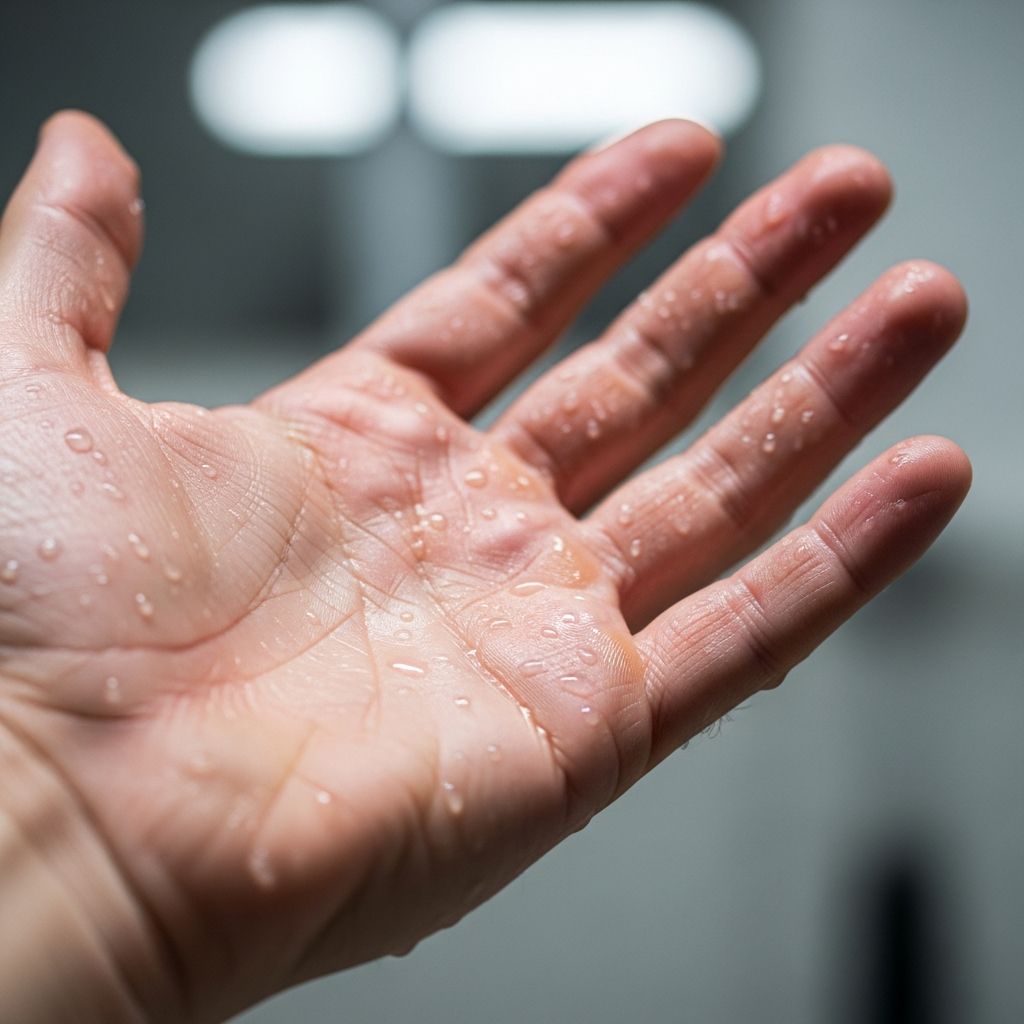
Hyperhidrosis is a medical condition characterized by excessive sweating that occurs beyond what is necessary for normal body temperature regulation. This overactivity of sweat glands can affect specific areas like the armpits, palms, soles, or face (focal hyperhidrosis) or the entire body (generalized hyperhidrosis), leading to significant discomfort and social challenges.
What Is Hyperhidrosis?
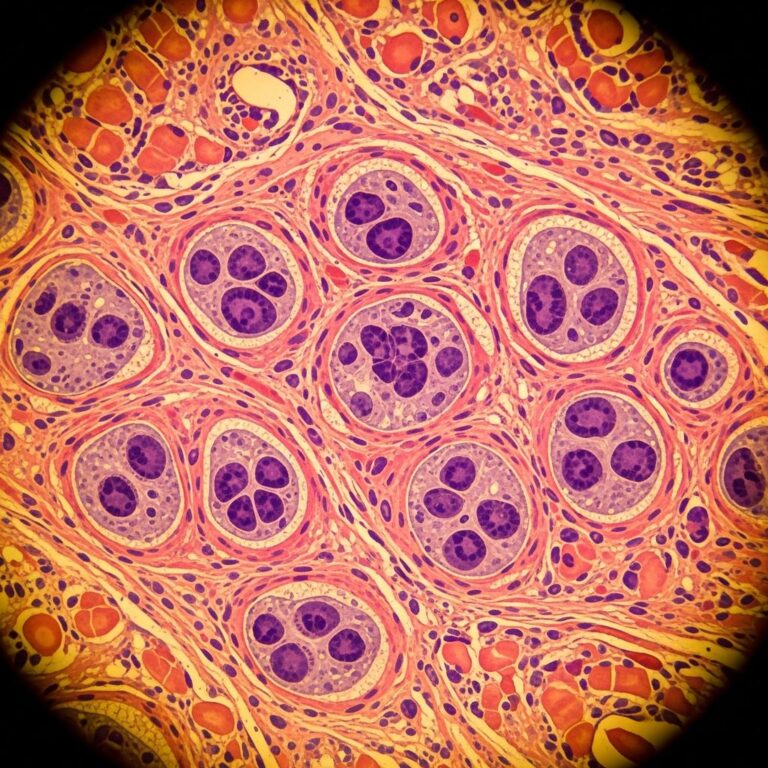
Hyperhidrosis involves overactive eccrine sweat glands producing sweat disproportionate to heat or stress levels. It impacts approximately 3% of adults aged 20-60 in the U.S., causing wet clothing, slippery hands, and frequent hygiene needs. The condition creates a cycle where sweating induces anxiety, further triggering more sweat.
Primary hyperhidrosis is idiopathic, often genetic, starting in childhood or adolescence without underlying disease. Secondary hyperhidrosis stems from medical conditions or medications.
Types of Hyperhidrosis
There are two main types:
- Primary (Focal) Hyperhidrosis: Affects specific areas like axillae (most common), palms, soles, or craniofacial regions. No identifiable cause; symmetric and triggered by emotion or heat.
- Secondary (Generalized) Hyperhidrosis: Involves larger body areas or whole body, caused by conditions like hyperthyroidism, menopause, diabetes, infections, or medications.
Symptoms and Signs
The hallmark symptom is visible, dripping sweat not provoked by heat or exercise. Affected individuals may experience:
- Clammy, cold hands and feet
- Soaked clothing or footwear
- Frequent skin infections (fungal like tinea pedis, bacterial pitted keratolysis, viral warts)
- Social withdrawal due to odor or visible sweat
- Dehydration from fluid loss
Symptoms persist at least six months, occur weekly, and disrupt daily activities. Severity varies; some change clothes multiple times daily.
Causes and Risk Factors
Primary hyperhidrosis results from overactive sympathetic nervous system signals to eccrine glands, possibly due to genetic mutations. It runs in families.
Secondary causes include:
- Endocrine disorders (hyperthyroidism, diabetes, menopause)
- Neurologic conditions (Parkinson’s, stroke)
- Infections or malignancies
- Medications (antidepressants, opioids)
Comorbidities like psoriasis, onychomycosis, migraines, asthma, and obesity are more prevalent, exacerbating quality of life (QoL).
Diagnosis
Diagnosis relies on medical history, physical exam, and criteria: bilateral sweating for ≥6 months, ≥1 episode/week, no secondary causes initially, and family history in 40-60% of primary cases.
Tests include:
- Iodide-starch test (turns blue-black where sweating)
- Gravimetric measurement (sweat weight)
- Hyperhidrosis Disease Severity Scale (HDSS): 1=no issue, 4=severe
- Blood tests, imaging for secondary causes
Tools like Dermatology Life Quality Index (DLQI) assess impact: scores 11-20 indicate very large effect pre-treatment.
Treatment Options
No cure for primary hyperhidrosis, but treatments reduce symptoms and improve QoL. Options escalate from conservative to invasive:
Conservative Treatments
- Antiperspirants: Aluminum chloride 20% (e.g., Drysol) applied nightly to dry skin; irritates if overused.
- Iontophoresis: Low-current device in water for hands/feet; 80-90% effective weekly.
Medications
- Topical: Glycopyrronium tosylate wipes for axillae.
- Oral Anticholinergics: Oxybutynin (improves QoL in 77%); side effects: dry mouth.
- Botulinum Toxin (Botox): Injections block acetylcholine; lasts 4-12 months, effective for axillae/palms.
Related Stories



Procedures and Surgery
- Microwave Thermolysis (miraDry): Destroys glands; DLQI improves from 11-16 to low.
- Endoscopic Thoracic Sympathectomy (ETS): Cuts nerves for palms; risks compensatory sweating.
| Treatment | Target Area | Duration | Effectiveness | Side Effects |
|---|---|---|---|---|
| Aluminum Chloride | Axillae, palms | Daily | Moderate | Skin irritation |
| Botox | Axillae, palms | 4-12 months | High | Pain, weakness |
| Iontophoresis | Hands/feet | Weekly | High | Skin dryness |
| miraDry | Axillae | Permanent | High | Swelling |
| ETS Surgery | Palms | Permanent | Very High | Compensatory sweat |
Impact on Quality of Life
Hyperhidrosis rivals psoriasis or rheumatoid arthritis in QoL detriment. 94% report poor QoL; DLQI 11.4-16 pre-treatment. Axillary most disruptive daily, palmar for HDSS. Patients avoid handshakes, social events; Skindex-16 shows higher emotional/functioning impairment than eczema/acne. Treatment yields 77% improvement.
Complications
- Skin infections (fungal, bacterial)
- Psychosocial: anxiety, depression, isolation
- Functional limits: gripping objects, typing
When to See a Doctor
Seek care for:
- Sudden onset sweating
- Night sweats with fever, weight loss, chest pain
- Interference with daily life
Primary care or dermatologist; monitor comorbidities.
Living with Hyperhidrosis
Manage with breathable fabrics, absorbent insoles, stress reduction. Support groups aid coping. Early intervention prevents QoL decline.
Frequently Asked Questions (FAQs)
What triggers hyperhidrosis?
Heat, stress, or nothing; primary is idiopathic.
Is hyperhidrosis curable?
Primary no, but manageable; secondary treatable via cause.
Does it affect children?
Yes, often starts young; familial.
Can diet help?
No direct link, but hydration, avoid triggers.
Is Botox safe long-term?
Yes, repeated safely; FDA-approved.
References
- The Impact of Hyperhidrosis on Quality of Life — National Institutes of Health (PMC). 2023-01-15. https://pmc.ncbi.nlm.nih.gov/articles/PMC9838291/
- Hyperhidrosis: Types, Causes, Symptoms & Treatment — Cleveland Clinic. 2024-05-20. https://my.clevelandclinic.org/health/diseases/17113-hyperhidrosis
- Hyperhidrosis — MedlinePlus (National Library of Medicine). 2023-11-10. https://medlineplus.gov/ency/article/007259.htm
Similar Articles








Read full bio of medha deb