Hyperhidrosis: Types, Causes, Symptoms & Treatment
Understanding excessive sweating: Causes, diagnosis, and effective treatment options for hyperhidrosis.
Understanding Hyperhidrosis: Excessive Sweating Explained
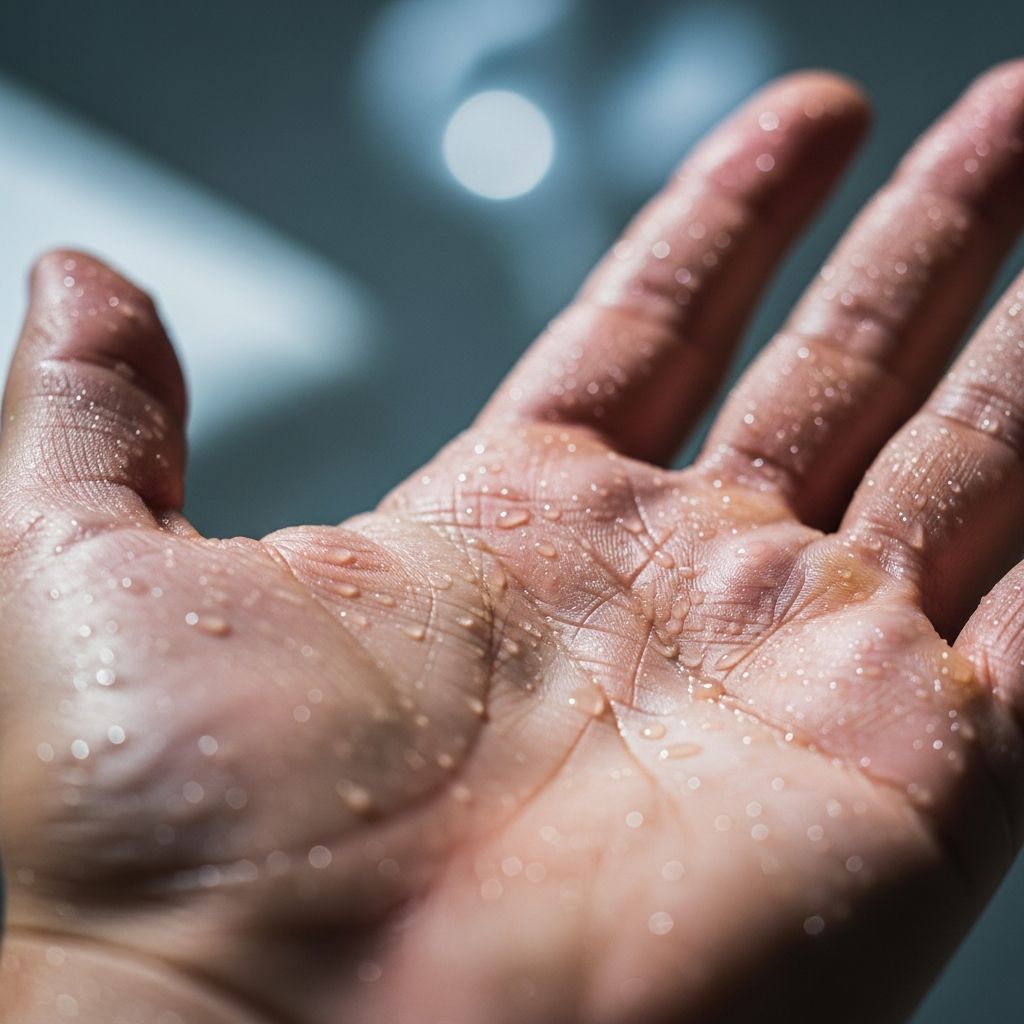
Hyperhidrosis is a medical condition characterized by excessive sweating that goes beyond what the body needs for temperature regulation or normal physiological responses. Unlike typical sweating triggered by exercise, heat, or emotional stress, hyperhidrosis involves overactive sweat glands that produce abnormal amounts of perspiration. This condition can significantly impact quality of life, affecting social interactions, professional engagements, and personal confidence. People with hyperhidrosis often experience discomfort and embarrassment, which can prevent them from seeking appropriate medical care. Understanding this condition, its underlying causes, and available treatment options is essential for managing symptoms effectively and improving overall well-being.
Types of Hyperhidrosis
Hyperhidrosis is classified into two main categories based on its origin and characteristics. Each type presents differently and requires distinct diagnostic and treatment approaches.
Focal Hyperhidrosis
Focal hyperhidrosis is the most common form of the condition and affects specific areas of the body. The most commonly affected regions include the palms of the hands, soles of the feet, underarms, and face. This type typically begins in childhood or adolescence and tends to run in families, suggesting a genetic component. Focal hyperhidrosis is localized to particular body areas and does not usually indicate an underlying systemic disease. The condition can be particularly challenging because it may worsen with anxiety or stress, creating a problematic cycle where worry about sweating triggers more perspiration.
Generalized Hyperhidrosis
Generalized hyperhidrosis involves excessive sweating across the entire body rather than isolated areas. This form typically develops later in life and is often secondary to an underlying medical condition or medication side effect. Potential underlying causes include thyroid disorders, diabetes, infections, hormonal imbalances, cardiovascular conditions, and neurological disorders. Unlike focal hyperhidrosis, generalized hyperhidrosis may resolve if the underlying cause is identified and treated effectively.
Causes and Risk Factors
Understanding the causes of hyperhidrosis is crucial for developing an effective treatment strategy. The condition can stem from various medical, physiological, and environmental factors.
Primary Causes of Focal Hyperhidrosis
Focal hyperhidrosis typically has a genetic basis, as the condition frequently runs in families. The exact mechanism involves overactive sympathetic nerves that trigger excessive sweat gland activity. Environmental factors such as anxiety, emotional stress, and nervousness can significantly exacerbate symptoms in individuals predisposed to the condition.
Secondary Causes of Generalized Hyperhidrosis
Generalized hyperhidrosis often results from underlying medical conditions or medications. Common medical causes include hyperthyroidism, diabetes mellitus, hormonal changes during menopause, hypoglycemia, heart disease, infections such as tuberculosis, and neurological conditions. Certain medications can also trigger excessive sweating as a side effect, including some antidepressants, stimulants, and pain medications. Hormonal fluctuations, particularly during menopause when estrogen levels decline significantly, can contribute to hot flashes and increased perspiration.
Recognizing Symptoms
Hyperhidrosis presents with characteristic symptoms that extend beyond normal sweating responses. Individuals may experience visible moisture on affected areas, wet clothing, and possible skin maceration or irritation from constant moisture exposure. Secondary skin infections can develop due to prolonged moisture retention. The psychological impact can be significant, with many individuals experiencing anxiety about their condition, social withdrawal, and reduced quality of life. Some people report that their sweating occurs regardless of environmental temperature or physical activity level, distinguishing it from normal thermoregulatory sweating.
Diagnostic Methods and Evaluation
Accurate diagnosis of hyperhidrosis involves a comprehensive clinical approach combining patient history, physical examination, and specialized tests when necessary.
Related Stories



Clinical Assessment
A healthcare provider will begin by conducting a thorough physical examination and detailed discussion of your symptoms and medical history. They evaluate symptoms using established diagnostic criteria. If you have experienced excessive sweating for at least six months and can answer affirmatively to at least two of the following questions, this may lead to a hyperhidrosis diagnosis:
- How much does the condition interfere with daily activities?
- Does the sweating occur at least once a week?
- Did the excessive sweating begin before age 25?
- Does the condition run in your family?
- Does the excessive sweating affect both sides of the body equally?
- Do episodes last less than one hour?
Specialized Diagnostic Tests
Healthcare providers may employ several diagnostic tests to confirm hyperhidrosis and identify underlying causes:
Starch-Iodine Test: This test involves applying an iodine solution to sweaty areas and sprinkling starch over them. The solution turns dark blue in areas of excess sweating, visually confirming the diagnosis.
Paper Test: A special absorbent paper is placed on affected areas to absorb sweat. The paper is then weighed to quantify the amount of perspiration being produced.
Minor’s Sweat Test: This involves similar techniques to identify areas of excessive sweating and measure severity.
Thermoregulatory Sweat Test: This test measures how your body responds to heat stimulation and determines sweat distribution patterns.
Laboratory Testing for Secondary Causes
If your healthcare provider suspects generalized hyperhidrosis may be secondary to an underlying condition, they may order additional tests including blood tests, thyroid function tests, glucose measurements, and hormonal assessments. Functional medicine laboratory testing can assess hormonal imbalances using tests like the DUTCH Complete, which evaluates estrogen, cortisol, and other metabolic markers to identify menopause, adrenal issues, or other hormonal contributions to excessive sweating.
Treatment Options for Hyperhidrosis
Treatment for hyperhidrosis varies based on the affected body area, condition severity, and individual response. Multiple treatment modalities are available, ranging from conservative approaches to specialized procedures.
At-Home Management Strategies
Initial treatment approaches focus on lifestyle modifications and self-care techniques:
- Wear moisture-wicking, breathable clothing fabrics
- Apply antiperspirants containing aluminum chloride hexahydrate, particularly to underarms, palms, and feet
- Maintain good hygiene with frequent washing to prevent bacterial growth and skin infections
- Use absorbent materials like cotton socks and moisture-absorbing shoe inserts
- Avoid triggers such as spicy foods, caffeine, and alcohol when possible
- Practice stress reduction and relaxation techniques
- Maintain cool environmental temperatures
Pharmaceutical Treatments
Healthcare providers may recommend medications to reduce hyperhidrosis symptoms:
Anticholinergic Medications: These drugs block acetylcholine, a neurotransmitter involved in sweat gland activation. Common options include glycopyrrolate and oxybutynin. These typically start at low doses and are gradually increased as tolerated. Common side effects include dry mouth, blurred vision, constipation, and urinary difficulties, which must be weighed against therapeutic benefits.
Topical Agents: Aluminum-based antiperspirants are the first-line topical treatment, working by partially blocking sweat ducts. Stronger formulations may be prescribed for resistant cases.
Advanced and Specialized Therapies
When at-home treatments and medications prove insufficient, healthcare providers may recommend more specialized interventions:
Iontophoresis: This procedure involves running a low electrical current through a water bath in which affected hands or feet are placed. The electrical current blocks sweat glands temporarily, requiring repeated treatments to maintain effectiveness.
Botulinum Toxin Injections: Botox injections administered to overactive nerves stop sweat production for extended periods, typically lasting 2 to 6 months, with some patients benefiting for up to 12 months. However, this treatment is less commonly used for palms and soles due to potential temporary weakness of hand and foot muscles and associated pain.
Microwave Therapy (miraDry): This newer treatment uses controlled microwave technology to permanently destroy sweat glands without surgical intervention. It offers a non-invasive alternative for patients seeking long-term symptom reduction.
Surgical Sympathectomy: Endoscopic thoracic sympathectomy is considered for severe cases unresponsive to conservative measures. The surgeon cuts the sympathetic nerve responsible for signaling sweat gland production, effectively reducing or eliminating sweating in targeted areas. This procedure carries risks including nerve and lung damage, and may result in compensatory sweating on other body areas.
Complementary and Mind-Body Approaches
Research supports integrative approaches to managing hyperhidrosis symptoms:
Cognitive Behavioral Therapy (CBT): CBT helps patients manage anxiety related to excessive sweating, addressing the psychological component of the condition and reducing stress-induced perspiration triggers.
Biofeedback: This mind-body technique provides feedback about physiological parameters including skin temperature, heart rate, blood pressure, muscle tension, and breathing rate. A six-week biofeedback program resulted in increased relaxation and clinical improvement in managing excessive sweating in chronic hyperhidrosis patients.
Dietary and Supplement Approaches: An anti-inflammatory diet limiting caffeine consumption may help reduce symptoms. Individualized supplementation plans tailored to address underlying nutritional deficiencies or hormonal imbalances may provide additional support.
Prognosis and Long-Term Outlook
The long-term outlook for hyperhidrosis depends on which type you have. There is no cure for focal hyperhidrosis; however, treatments can effectively reduce symptoms and improve quality of life. Generalized hyperhidrosis may resolve if the underlying cause is successfully identified and treated. Managing any accompanying health conditions and working with your healthcare provider to mitigate medication side effects can help reduce the likelihood of developing hyperhidrosis or worsening existing symptoms.
Prevention and Risk Reduction
Not all cases of hyperhidrosis are preventable, particularly focal hyperhidrosis cases with genetic origins. However, for generalized hyperhidrosis, several preventive strategies may be effective:
- Manage underlying health conditions through appropriate medical treatment and monitoring
- Discuss potential side effects with your healthcare provider when starting new medications
- Maintain a healthy lifestyle including regular physical activity and balanced nutrition
- Manage stress through relaxation techniques and mind-body practices
- Avoid known triggers such as excessive heat, caffeine, and spicy foods
- Maintain appropriate body weight and metabolic health
Frequently Asked Questions About Hyperhidrosis
Q: Is hyperhidrosis dangerous?
A: While hyperhidrosis itself is not typically life-threatening, excessive sweating can lead to skin infections and dehydration if not properly managed. Additionally, generalized hyperhidrosis may indicate an underlying medical condition requiring treatment.
Q: Can hyperhidrosis be cured completely?
A: Focal hyperhidrosis cannot be cured but can be effectively managed with various treatment options. Generalized hyperhidrosis may resolve if the underlying cause is identified and treated successfully.
Q: What is the most effective treatment for hyperhidrosis?
A: The most effective treatment varies by individual and depends on the type of hyperhidrosis, affected body areas, and personal preference. Options range from topical antiperspirants to surgical sympathectomy for severe cases.
Q: Does stress make hyperhidrosis worse?
A: Yes, emotional stress and anxiety can significantly exacerbate hyperhidrosis symptoms, particularly in individuals with focal hyperhidrosis. Stress management techniques may help reduce symptom severity.
Q: How long do Botox results last for hyperhidrosis?
A: Botulinum toxin injections typically provide symptom relief for 2 to 6 months, with some patients experiencing benefits for up to 12 months. Treatment can be repeated as needed.
Q: Are there natural remedies for hyperhidrosis?
A: While no natural remedy cures hyperhidrosis, lifestyle modifications including dietary changes limiting caffeine, stress reduction techniques, and certain supplements may help manage symptoms in conjunction with medical treatment.
References
- Hyperhidrosis – Cleveland Clinic Abu Dhabi — Cleveland Clinic Abu Dhabi. 2024. https://www.clevelandclinicabudhabi.ae/en/health-hub/health-resource/diseases-and-conditions/hyperhidrosis
- An Integrative Medicine Approach to Hyperhidrosis — Rupa Health. 2024. https://www.rupahealth.com/post/an-integrative-medicine-approach-to-hyperhidrosis
- Hyperhidrosis: Types, Causes, Symptoms & Treatment — Cleveland Clinic. 2023-07-01. https://my.clevelandclinic.org/health/diseases/17113-hyperhidrosis
- Essential Hyperhidrosis—Pathogenesis and Treatment — Cleveland Clinic Journal of Medicine. 1963. https://www.ccjm.org/content/ccjom/36/2/79.full.pdf
- Sympathectomy: Procedure Details & Side Effects — Cleveland Clinic. 2024. https://my.clevelandclinic.org/health/procedures/sympathectomy
- Doctor Explains Excess Sweating Treatment (Hyperhidrosis) — YouTube. 2024. https://www.youtube.com/watch?v=v52SxtSpEPQ
Similar Articles








Read full bio of medha deb