HIDS: 7 Key Facts For Diagnosis & Treatment
Rare autoinflammatory disorder causing recurrent fevers, rashes, abdominal pain, and lymph node enlargement from infancy.
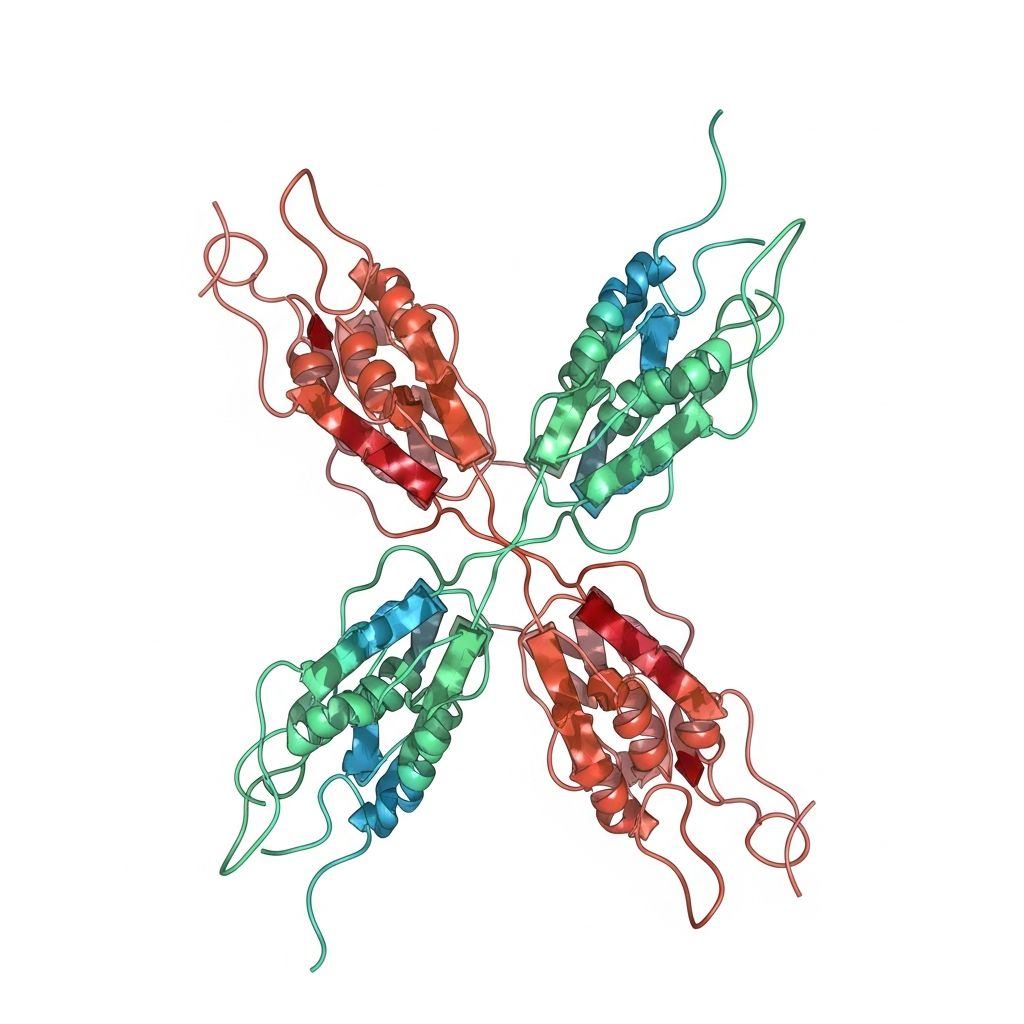
Hyperimmunoglobulinaemia D with periodic fever syndrome
Author: Dr. Reviewed by Dermatology Experts, Updated 2025
Introduction
Hyperimmunoglobulinaemia D with periodic fever syndrome (HIDS), also known as hyper-IgD syndrome (MIM 260920), is a rare inherited autoinflammatory disorder characterized by recurrent episodes of high fever accompanied by systemic inflammation. These episodes typically include skin rashes, abdominal pain, headaches, vomiting, diarrhea, arthralgia, and cervical lymphadenopathy. Symptoms usually onset in infancy, with a median age of 6 months, making early recognition crucial for management. HIDS belongs to the family of hereditary periodic fever syndromes and results from mutations in the MVK gene, leading to mevalonate kinase deficiency. Unlike more severe forms like mevalonic aciduria, HIDS generally spares growth and development, though attacks can significantly impact quality of life.
The syndrome was first described in Dutch and French populations, where over 50% of cases originate, but it has been reported in approximately 200 cases across various ethnic groups worldwide. Diagnosis is often delayed due to overlapping symptoms with infections or other autoinflammatory diseases, but genetic confirmation is definitive.
Demographics
HIDS predominantly affects individuals of Northern European descent, particularly from the Netherlands and Northern France, accounting for the majority of reported cases. However, cases have been documented globally, including in non-European ethnicities, indicating no strict geographic limitation. It is an autosomal recessive condition, requiring biallelic mutations in the MVK gene for manifestation. The incidence is estimated to be very low, classified as a rare disease by Orphanet, with fewer than 1 in 1,000,000 affected individuals. Both males and females are equally impacted, and there is no gender predilection. Onset is invariably in early childhood, rarely after age 5, with most patients experiencing their first attack before 1 year of age.
Clinical features
The hallmark of HIDS is recurrent, self-limited febrile attacks lasting 3-7 days, occurring every 4-8 weeks. Attacks often start abruptly with high fever exceeding 40°C, chills, and systemic symptoms. Between episodes, patients are typically asymptomatic, which distinguishes HIDS from chronic inflammatory conditions. Triggers include vaccinations, infections, stress, or minor trauma, though spontaneous onset is common. Severity tends to decrease with age, and frequency of attacks may prolong.
Key clinical manifestations during attacks include:
- Fever: High spiking fever up to 41°C, lasting 4-6 days.
- Gastrointestinal symptoms: Severe abdominal pain, vomiting, and profuse diarrhea, sometimes mimicking acute abdomen.
- Cervical lymphadenopathy: Enlarged, tender lymph nodes in the neck, present in most attacks.
- Arthralgia/arthritis: Joint pain, often non-erosive, affecting large joints.
- Headaches: Severe, sometimes migrainous.
- Enlarged liver and spleen (hepatosplenomegaly): Transient during attacks.
- Skin manifestations: Affecting up to 80% of patients.
| Symptom | Features |
|---|---|
| Fever | High (40-41°C), lasts 3-7 days, recurs every 4-8 weeks |
| Skin rash | Maculopapular, morbilliform, urticarial, or erythema nodosum-like; resolves slowly |
| Headache | Severe, frontal or generalized |
| Enlarged lymph nodes in neck | Tender cervical lymphadenopathy |
| Abdominal pain | Diffuse, cramping, with vomiting/diarrhea |
| Joint pain | Arthralgia or arthritis, mono- or oligoarticular |
| Enlarged liver/spleen | Transient hepatosplenomegaly |
| Tendonitis | Achilles tendon or other sites |
Rare complications include AA-amyloidosis, hemophagocytosis, glomerulonephritis, abdominal adhesions, and joint contractures, but these are uncommon in HIDS compared to severe MKD. Growth and psychomotor development are usually normal.
Cutaneous signs
Skin involvement occurs in up to 80% of attacks and is a prominent feature prompting dermatological consultation. The rash is typically morbilliform or maculopapular, resembling a viral exanthem, and appears within 12-24 hours of fever onset. It is erythematous, blanching, and distributed over the trunk, limbs, and sometimes face. Other morphologies include:
- Urticarial or erythema multiforme-like lesions
- Erythema nodosum: Painful nodules on shins
- Maculopapular purpuric rash or vasculitis
- Aphthous ulcers in the mouth
- Early-onset colitis with perianal involvement
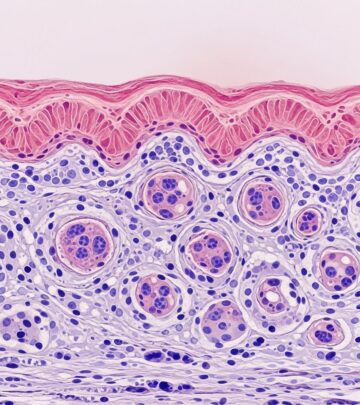
Rashes resolve over 7-10 days without scarring but may leave post-inflammatory hyperpigmentation. Skin biopsy, if performed, reveals mild perivascular lymphocytic infiltrate or leukocytoclastic vasculitis extending to deep dermis, occasionally mimicking Sweet syndrome or cellulitis. Cutaneous signs are non-specific but recurrent in the context of fever strongly suggest HIDS.
Triggers
Febrile attacks in HIDS can be spontaneous but are frequently provoked by:
- Vaccinations (e.g., DTP, polio vaccines)
- Infections (viral or bacterial)
- Physical or emotional stress
- Trauma or surgery
- Menstruation in adolescent females
Attacks post-vaccination often mimic infection, leading to misdiagnosis.
Outcome
While HIDS is not life-threatening, recurrent attacks can impair quality of life, school attendance, and growth if severe. Most patients experience fewer, milder episodes in adulthood. Long-term complications like amyloidosis occur in <5% of cases with early treatment. Prognosis is excellent with targeted therapies, and life expectancy is normal.
Diagnosis
Diagnosis relies on clinical suspicion, supported by laboratory and genetic tests. Recurrent fevers without infection, plus ≥2 of: abdominal pain, rash, lymphadenopathy, arthralgia, elevated IgD, or mevalonic aciduria during attack, should prompt investigation.
Laboratory findings:
- During attack: Leukocytosis, elevated ESR, CRP, SAA, ferritin; increased IL-1, IL-6, TNF-α
- Persistent: Elevated serum IgD (>100 IU/mL, but normal in 10-30% especially <3 years); elevated IgA in 50-80%
- Urine: Mevalonic acid elevation during attacks
- Enzyme assay: Reduced mevalonate kinase activity in leukocytes/fibroblasts
Genetic testing: Biallelic MVK mutations (e.g., V377I common) confirm diagnosis; compound heterozygosity typical. Differential includes FMF, TRAPS, CAPS; IgD helps distinguish but not diagnostic alone.
Treatment
No cure exists; management is symptomatic and preventive.
- Acute attacks: NSAIDs (ibuprofen), corticosteroids (prednisone 1-2 mg/kg), IVIG occasionally
- Preventive: IL-1 inhibitors (anakinra 1-2 mg/kg SC daily, canakinumab); statin therapy (simvastatin) to bypass pathway block; etanercept or tocilizumab in refractory cases
- Supportive: Hydration, antiemetics, analgesics
Response to IL-1 blockade is dramatic in most, reducing attack frequency by >50%.
Frequently Asked Questions (FAQs)
Q: When does HIDS typically start?
A: Symptoms begin in infancy, median 6 months, rarely after 5 years.
Q: Is HIDS curable?
A: No, but attacks can be effectively prevented with IL-1 inhibitors like anakinra.
Q: Does HIDS affect growth?
A: Usually not; growth and development are normal unlike severe mevalonic aciduria.
Q: What causes the skin rash in HIDS?
A: Likely cytokine-driven inflammation; biopsy shows mild vasculitis.
Q: Can vaccinations trigger attacks?
A: Yes, commonly after routine infant vaccines.
Mevalonic aciduria
Mevalonic aciduria (MVA) is the severe end of the mevalonate kinase deficiency spectrum, with <1% residual enzyme activity vs. 5-10% in HIDS. Patients experience similar febrile attacks but develop profound complications: failure to thrive, developmental delay, cerebellar ataxia, intellectual disability, dysmorphic features, anemia, uveitis, cataracts, retinal dystrophy, myopathy, and hepatosplenomegaly. Mortality is high in infancy/childhood due to organ failure. Treatment mirrors HIDS but prognosis is poor; early diagnosis via newborn screening is advocated.
References
- Hyperimmunoglobulinemia D with periodic fever – Orphanet — Orphanet. 2023. https://www.orpha.net/en/disease/detail/343
- Hyperimmunoglobulinaemia D syndrome: a rare cause of prolonged recurrent fever — PMC/NCBI. 2016-05-30. https://pmc.ncbi.nlm.nih.gov/articles/PMC4885411/
- Hyperimmunoglobulinaemia D with periodic fever syndrome — DermNet NZ. 2011 (reviewed 2025). https://dermnetnz.org/topics/hyperimmunoglobulinaemia-d-with-periodic-fever-syndrome
- Hyperimmunoglobulinemia D with periodic fever — NORD Rare Diseases. 2024. https://rarediseases.org/mondo-disease/hyperimmunoglobulinemia-d-with-periodic-fever/
- Hyper-IgD Syndrome — Merck Manual Professional. 2025. https://www.merckmanuals.com/professional/pediatrics/hereditary-periodic-fever-syndromes/hyper-igd-syndrome
Similar Articles




Read full bio of medha deb