Hyperlipidemia: Causes, Symptoms, and Treatment
Understand hyperlipidemia, manage cholesterol levels, and reduce your cardiovascular disease risk today.
Understanding Hyperlipidemia: What You Need to Know
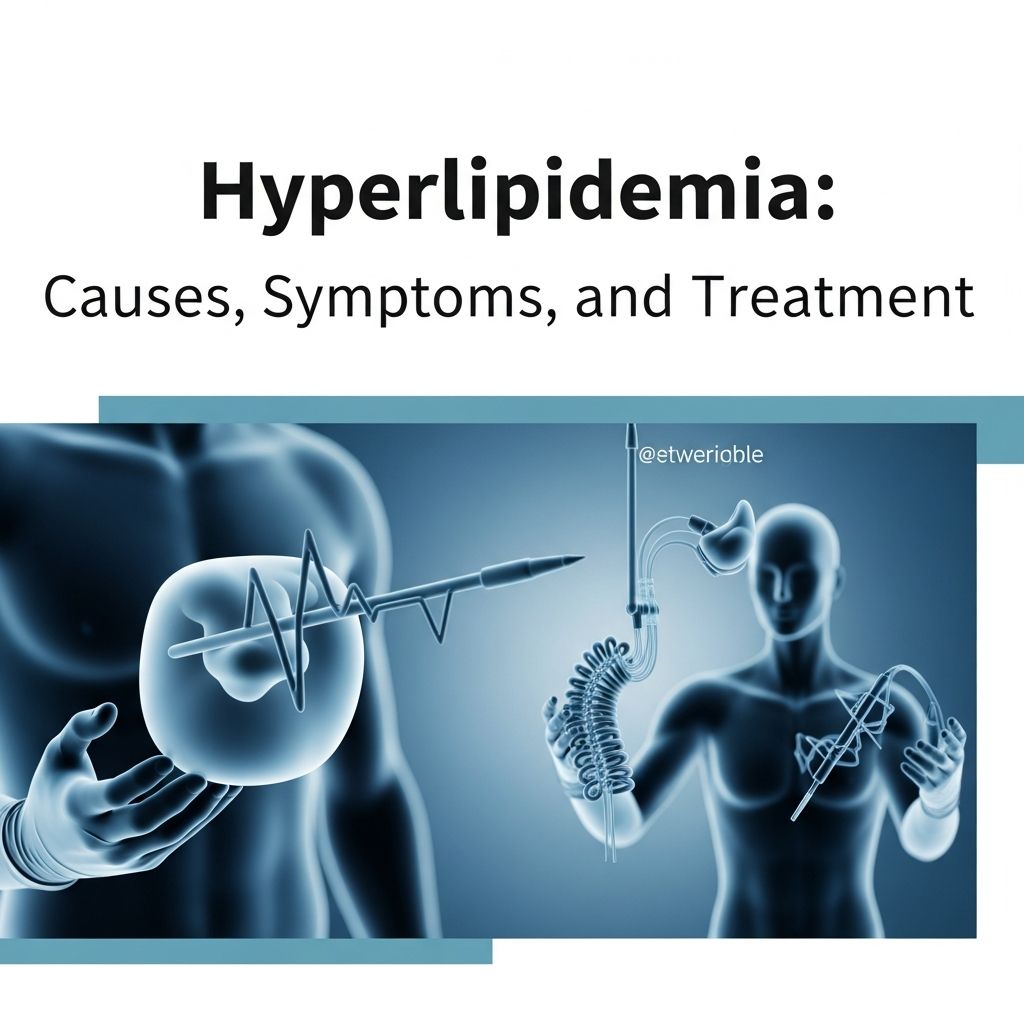
Hyperlipidemia, commonly known as high cholesterol, is a condition characterized by an excess of lipids or fats circulating in your bloodstream. While cholesterol itself is essential for various bodily functions, elevated levels can significantly increase your risk of serious cardiovascular complications, including heart attack and stroke. When blood cholesterol levels remain elevated, plaque gradually accumulates inside your blood vessels—a process called atherosclerosis—which restricts blood flow to vital organs. The concerning aspect of hyperlipidemia is that it typically develops silently without noticeable symptoms in its early stages, making regular screening and proactive management essential for long-term health.
The Silent Nature of High Cholesterol
One of the most dangerous characteristics of hyperlipidemia is that individuals often feel completely normal when their cholesterol levels are dangerously high. This asymptomatic nature means that plaque can accumulate gradually within blood vessel walls without any warning signs. Over time, however, this buildup can substantially slow or completely obstruct blood flow to your heart or brain. Eventually, as the condition progresses untreated, symptoms may emerge. These warning signs typically include chest pain during physical exertion, jaw pain, shortness of breath, and other manifestations of coronary artery disease. By the time symptoms appear, significant arterial damage may have already occurred, which is why cardiovascular disease remains the leading cause of death among Americans. This underscores the critical importance of regular cholesterol screening and early intervention.
Understanding Cholesterol Numbers and Measurements
Your healthcare provider will assess several key cholesterol measurements through a blood test known as a lipid panel or lipid profile. Understanding these numbers is crucial for managing your cardiovascular health effectively. Here are the primary cholesterol measurements:
Total Cholesterol Levels
| Total Cholesterol Level | Classification |
|---|---|
| Less than 200 mg/dL | Best |
| 200-239 mg/dL | Borderline High |
| 240 mg/dL and higher | High |
Key Cholesterol Components
LDL Cholesterol (Low-Density Lipoprotein): Often called “bad” cholesterol, LDL is the primary culprit in plaque formation. Lower LDL levels are preferable, with ideally below 100 mg/dL being the target for most individuals. For those at high cardiovascular risk, even lower targets may be recommended.
HDL Cholesterol (High-Density Lipoprotein): Known as “good” cholesterol, HDL helps remove other forms of cholesterol from your arteries and transport them to your liver for disposal. Unlike LDL, you want your HDL levels to be high—ideally above 60 mg/dL—as higher levels offer protective cardiovascular benefits.
Triglycerides: These are another type of fat in your blood that can contribute to atherosclerosis when elevated. Your healthcare provider will measure triglyceride levels as part of your lipid panel assessment.
Causes and Risk Factors for Hyperlipidemia
Hyperlipidemia develops through a combination of genetic predisposition and lifestyle factors. Many people inherit a genetic tendency toward elevated cholesterol levels, making them more susceptible to the condition regardless of lifestyle choices. Additionally, excess cholesterol in your diet can raise blood cholesterol levels. Since your liver produces all the cholesterol your body actually needs for essential functions, any additional cholesterol consumed through food or synthesized in excess becomes unnecessary and can accumulate in your bloodstream.
Common risk factors that contribute to high cholesterol include sedentary lifestyle, poor dietary habits rich in saturated and trans fats, obesity, smoking, excessive alcohol consumption, and unmanaged stress. Age and sex also play roles, with risk generally increasing with age and men typically having higher cholesterol levels until women reach menopause. Certain medical conditions, including diabetes and thyroid disorders, can also elevate cholesterol levels.
Complications of Untreated Hyperlipidemia
When hyperlipidemia remains untreated, the consequences can be severe and life-threatening. The accumulation of plaque within blood vessels—atherosclerosis—is the primary complication. This progressive narrowing of arteries can lead to:
- Coronary artery disease and angina
- Heart attack (myocardial infarction)
- Stroke or transient ischemic attack
- Peripheral artery disease affecting limbs
- Aortic aneurysm
- Kidney disease
Related Stories



The risk of these complications increases substantially with duration of exposure to elevated cholesterol levels, making early intervention and consistent management essential protective strategies.
Diagnostic Testing and Screening
Your healthcare provider will order a lipid panel blood test to measure your cholesterol levels. To obtain accurate results, it is typically necessary to fast for 12 hours before the test, consuming only water during this period. This fasting requirement ensures that recent food intake does not artificially elevate triglyceride measurements.
The frequency of cholesterol screening depends on your age and risk factors. Once you reach middle age, routine screening every one to two years is generally recommended. Your healthcare provider can assess your individual risk profile and recommend an appropriate screening schedule tailored to your specific circumstances. Those with family history of early heart disease, existing cardiovascular disease, or other significant risk factors may require more frequent testing.
Treatment Approaches: Lifestyle Modifications
The foundation of hyperlipidemia management begins with lifestyle modifications. For some individuals, particularly those with mild elevation or excellent overall health status, lifestyle changes alone may successfully normalize cholesterol levels without requiring medication.
Dietary Modifications
Your diet plays a crucial role in cholesterol management. The primary dietary approach involves limiting foods high in saturated fat and completely avoiding foods containing trans fat, as both significantly raise LDL (bad) cholesterol levels. Emphasizing plant-based foods, including vegetables, fruits, whole grains, legumes, and nuts, can help improve your cholesterol profile. Incorporating fatty fish rich in omega-3 fatty acids, such as salmon, mackerel, and sardines, offers additional cardiovascular benefits. Reducing refined carbohydrates and sugary beverages while increasing fiber intake also supports cholesterol reduction efforts.
Physical Activity
Regular exercise is a powerful tool for cholesterol management. Aim for at least 150 minutes of moderate-intensity aerobic activity weekly, combined with resistance training exercises. Physical activity not only helps lower LDL cholesterol but also increases beneficial HDL cholesterol and helps maintain a healthy weight.
Weight Management
Maintaining a healthy weight significantly impacts cholesterol levels. Weight loss, even modest reductions of 5-10% of body weight, can produce meaningful improvements in cholesterol profiles and overall cardiovascular health.
Additional Lifestyle Factors
- Quit smoking, as smoking reduces HDL cholesterol and damages blood vessels
- Limit alcohol consumption to moderate levels
- Manage stress through meditation, yoga, or other relaxation techniques
- Ensure adequate sleep, aiming for 7-9 hours nightly
Pharmacologic Treatment Options
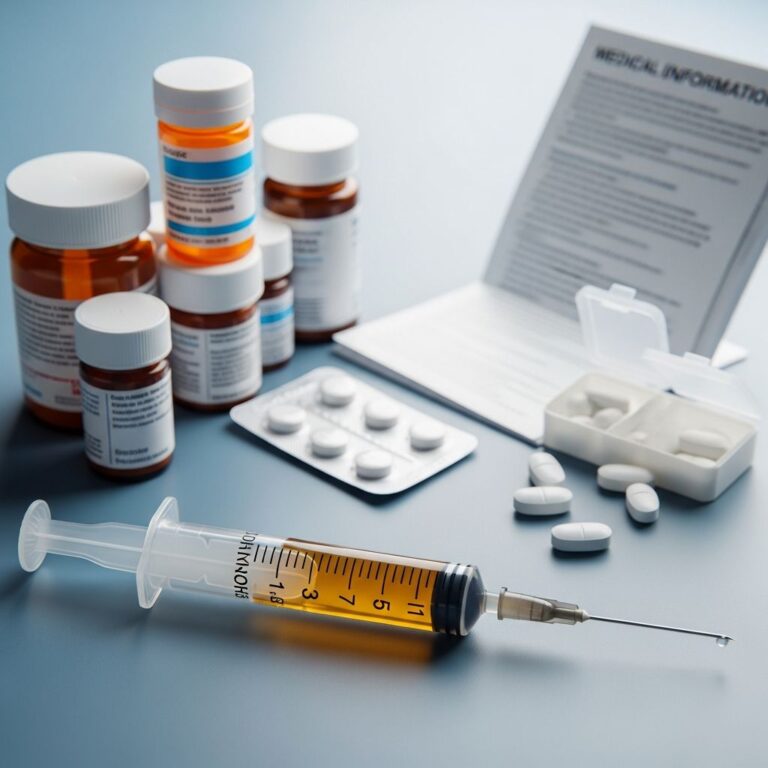
When lifestyle modifications alone prove insufficient to achieve target cholesterol levels, medication becomes necessary. Your healthcare provider will discuss your personal risk factors and cholesterol goals to determine the most appropriate medication strategy.
Statins
Statins represent the foundation of pharmacologic cholesterol management and are among the most prescribed medications for hyperlipidemia. These drugs work by inhibiting an enzyme in your liver that produces cholesterol, thereby reducing LDL cholesterol levels. Beyond cholesterol reduction, statins offer additional cardiovascular protective benefits, including reducing inflammation in blood vessels and stabilizing existing plaque. They help prevent cardiovascular events in individuals with prior heart attacks and in those at significant risk of developing heart disease.
Additional Medications
Ezetimibe: This medication works by reducing cholesterol absorption in your intestines. For individuals at very high cardiovascular risk whose LDL cholesterol remains above 70 mg/dL despite maximum tolerated statin therapy, adding ezetimibe is a reasonable treatment option.
PCSK9 Inhibitors: These newer medications work by attaching to specific liver cell surface proteins, resulting in reduced LDL cholesterol. PCSK9 inhibitors can be used alongside statins and are typically reserved for high-risk patients who have not achieved adequate cholesterol reduction through other means. These medications are often administered by injection and represent an important advancement for difficult-to-treat cases.
Monitoring Your Treatment Progress
Once you begin hyperlipidemia medication or intensify lifestyle modifications, your healthcare provider will typically order follow-up blood work two to three months later. This recheck determines whether your cholesterol levels have improved and whether your current treatment regimen is effectively reaching your target cholesterol goals. Remember that cholesterol management is a long-term commitment, and most people require ongoing treatment for extended periods. Consistency with medication adherence and lifestyle modifications is essential for sustained results.
When to Seek Professional Care
Contact your healthcare provider if you experience chest pain, particularly during physical exertion, jaw pain, shortness of breath, or weakness in your limbs. These symptoms may indicate coronary artery disease or another serious cardiovascular condition. Call emergency services immediately if you believe you are experiencing a heart attack or stroke.
Special Populations and Considerations
Children and adolescents with severely elevated lipid levels, particularly those associated with obesity, should implement intensive lifestyle therapy early. Risk factor assessment and identification of family history of hypercholesterolemia or inherited dyslipidemia should occur for children age 0 to 19 years. Early intervention in young people can prevent decades of elevated cholesterol exposure and substantially reduce lifetime cardiovascular disease risk.
Frequently Asked Questions
Q: How often should I have my cholesterol checked?
A: Once you reach middle age, routine cholesterol screening every one to two years is generally recommended. Your healthcare provider can recommend a more frequent schedule based on your individual risk factors and family history.
Q: Can lifestyle changes alone cure high cholesterol?
A: For some people, particularly those with mild elevation or strong genetic predisposition, lifestyle changes alone may effectively normalize cholesterol levels. However, others require medication in addition to lifestyle modifications to reach target cholesterol goals. Your healthcare provider can assess whether medication is necessary for your situation.
Q: Is it safe to take statins long-term?
A: Yes, statins have an excellent safety profile and are widely used for long-term cholesterol management. Your healthcare provider will monitor for any side effects and adjust your treatment as needed. The cardiovascular benefits of statin therapy significantly outweigh potential risks for most individuals.
Q: Can I lower my cholesterol without medication?
A: Many people can improve their cholesterol through diet and exercise, including reducing saturated fats, increasing fiber intake, maintaining regular physical activity, and achieving a healthy weight. However, some individuals have genetic factors making medication necessary regardless of lifestyle efforts.
Q: What should I eat if I have high cholesterol?
A: Focus on plant-based foods, whole grains, fatty fish, nuts, and seeds while limiting saturated fats and avoiding trans fats. Increasing fiber intake through vegetables and legumes also helps lower cholesterol levels.
Taking Control of Your Cardiovascular Health
Hyperlipidemia, while a serious condition, is highly manageable with appropriate treatment and lifestyle modifications. The combination of regular monitoring, adherence to medication when prescribed, and consistent lifestyle changes can significantly reduce your cardiovascular disease risk. By understanding your cholesterol numbers and actively participating in your treatment plan alongside your healthcare provider, you empower yourself to prevent serious complications and maintain long-term cardiovascular health. Remember that managing cholesterol is a lifelong commitment, but the investment in your health today yields substantial protective benefits throughout your life.
References
- ACC/AHA Guideline on the Management of Blood Cholesterol — American College of Cardiology and American Heart Association. 2018-2019. https://www.ccjm.org/content/87/4/231
- Hyperlipidemia (High Cholesterol): Levels, Causes, Symptoms — Cleveland Clinic. 2022-08-04. https://my.clevelandclinic.org/health/diseases/21656-hyperlipidemia
- Antihyperlipidemics: How They Help Cholesterol — Cleveland Clinic. https://my.clevelandclinic.org/health/treatments/antihyperlipidemic
- Cholesterol: Understanding Levels & Numbers — Cleveland Clinic. https://my.clevelandclinic.org/health/articles/11920-cholesterol-numbers-what-do-they-mean
- Cholesterol Diet: How Nutrition & Foods Impact Levels — Cleveland Clinic. https://my.clevelandclinic.org/health/articles/16867-cholesterol–nutrition-tlc
- How to Naturally Lower Your Cholesterol — Cleveland Clinic. https://health.clevelandclinic.org/from-fiber-to-fish-oil-natural-ways-to-lower-your-cholesterol
- Personalized Care to Prevent Atherosclerotic Cardiovascular Disease — Cleveland Clinic Journal of Medicine. 2020. https://www.ccjm.org/content/87/4/231
Similar Articles








Read full bio of Sneha Tete