Hyperopia: 5 Symptoms, Causes, And Treatments
Explore the essentials of hyperopia, from its optical roots and daily impacts to proven correction strategies for clearer sight across all ages.
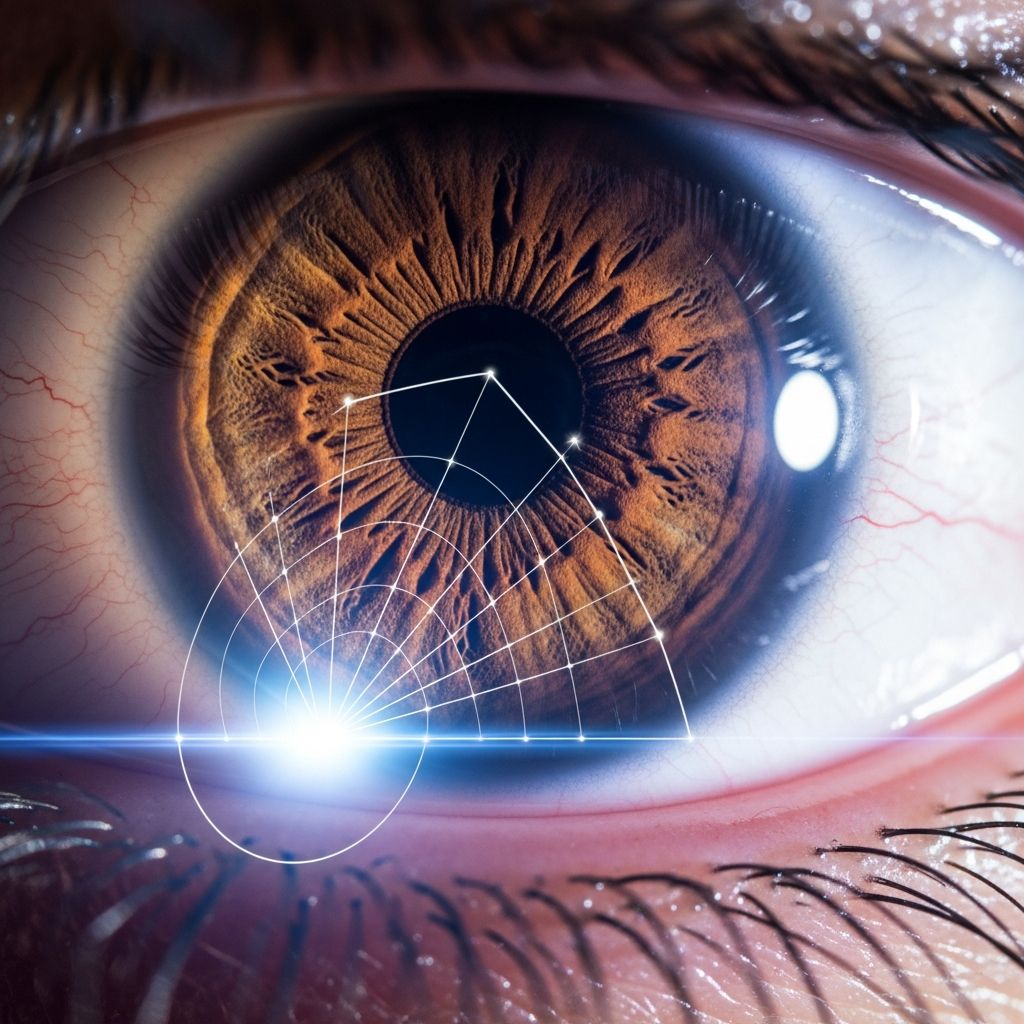
Hyperopia, commonly called farsightedness, affects how the eye processes light, leading to challenges with near vision while distant views remain sharp. This refractive error occurs when light focuses behind the retina due to eye shape irregularities, impacting millions worldwide and requiring tailored interventions for comfort and clarity.
The Science Behind Farsighted Vision
In a healthy eye, light rays bend precisely to land on the retina, forming crisp images. With hyperopia, the eyeball’s shorter length or flatter cornea prevents this, causing light to converge improperly. Newborns often have mild hyperopia that naturally corrects as the eye grows, but persistent cases demand attention to avoid strain.
Two primary forms exist: axial hyperopia from a compact eyeball and refractive hyperopia from insufficient corneal or lens curvature. Genetic predisposition plays a key role, alongside rare acquired factors like injury or disease.
Recognizing Hyperopia Symptoms Across Life Stages
Symptoms vary by severity and age. Mild hyperopia might go unnoticed, but moderate to high levels trigger discomfort. Common signs include:
- Blurred vision for nearby tasks like reading or phone use
- Eye fatigue after short visual efforts
- Headaches centered around the forehead or temples
- Squinting to sharpen focus
- Burning or dry eyes from overworked muscles
In children, manifestations differ: excessive blinking, short reading attention, or holding objects far away. Untreated, it hampers learning and development. Adults face productivity dips from screen time, while those over 40 contend with compounding presbyopia.
Why Early Detection Matters
Uncorrected hyperopia strains the ciliary muscles, sparking asthenopia—a cluster of fatigue symptoms. Long-term neglect raises risks like amblyopia in kids or glaucoma in severe cases. Routine exams catch it early, especially vital during growth phases when emmetropization can resolve mild instances.
Comprehensive Diagnosis Process
Eye specialists use refraction tests with phoropters to gauge focus points, often employing cycloplegic drops to relax accommodation for precision. Additional tools assess corneal shape and eye length, confirming hyperopia degree via plus-powered prescriptions.
Treatment Pathways: From Simple to Advanced
Options abound, scaled to needs:
- Glasses: Convex lenses redirect light effectively; multifocals aid aging eyes.
- Contact Lenses: Offer field-of-view freedom, with specialized designs for high cases or astigmatism combos.
- Refractive Surgery: LASIK or PRK reshapes the cornea; suitable post-evaluation for stable prescriptions.
Children may start with under-correction to encourage natural growth, progressing to full aids as needed.
Age-Specific Management Strategies
| Age Group | Key Challenges | Recommended Approaches |
|---|---|---|
| Children (0-12) | Learning delays, eye rubbing | Monitoring, low-dose glasses, vision therapy |
| Teens/Adults (13-40) | Digital strain, sports vision | Contacts, LASIK candidacy checks |
| Seniors (40+) | Presbyopia overlap, cataracts | Progressives, lens implants |
Special Cases Requiring Tailored Care
Related Stories



High hyperopia (>+4.00D) heightens complication risks, demanding vigilant monitoring. When paired with astigmatism, toric lenses or customized surgery apply. Professions like piloting require precise corrections meeting regulatory standards.
Lifestyle Adjustments for Better Eye Comfort
Beyond optics, habits help: follow the 20-20-20 rule for screens, ensure ample lighting, and maintain hydration. Occupational tweaks, like adjustable desks, reduce fatigue.
FAQs on Hyperopia
Can hyperopia improve on its own?
Yes, many children outgrow mild cases as eyes elongate naturally, but adults rarely do without intervention.
Is LASIK safe for farsightedness?
For eligible candidates, yes—procedures like LASIK effectively treat moderate hyperopia, though high degrees may need alternatives.
How does hyperopia differ from presbyopia?
Hyperopia is structural; presbyopia is age-related lens stiffening. Both blur near vision but stem from distinct causes.
Does screen time worsen hyperopia?
It exacerbates symptoms via strain, not the condition itself—proper correction mitigates this.
When should I see a doctor for symptoms?
At any sign of blur, strain, or headaches, especially in kids or with sudden changes.
Preventive Eye Health for Long-Term Clarity
Annual exams track changes, while UV protection and balanced diets support ocular wellness. Understanding hyperopia empowers proactive management, enhancing life quality through sharp, strain-free vision.
References
- Hyperopia (Farsightedness): Symptoms, Causes & Treatment — Cleveland Clinic. 2023-05-15. https://my.clevelandclinic.org/health/diseases/hyperopia-farsightedness
- Farsightedness – Symptoms and causes — Mayo Clinic. 2024-02-10. https://www.mayoclinic.org/diseases-conditions/farsightedness/symptoms-causes/syc-20372495
- Hyperopia (Farsightedness): Causes, Signs & Fixes — Seattle Eye Care Doctor. 2024-08-22. https://seattleeyecaredoctor.com/hyperopia/
- Hyperopia (Farsightedness) – Symptoms, Causes, and Treatments — LASIKPlus. 2023-11-01. https://www.lasikplus.com/treatable-conditions/hyperopia-farsighted/
- Hyperopia (farsightedness): Causes, symptoms, treatment — Acuvue. 2024-01-18. https://www.acuvue.com/en-us/eye-health/hyperopia-farsightedness/
Similar Articles








Read full bio of medha deb