Hyperosmolar Hyperglycemic State: Causes, Symptoms & Treatment
Understanding HHS: A life-threatening diabetes complication requiring immediate emergency care.
Understanding Hyperosmolar Hyperglycemic State (HHS)
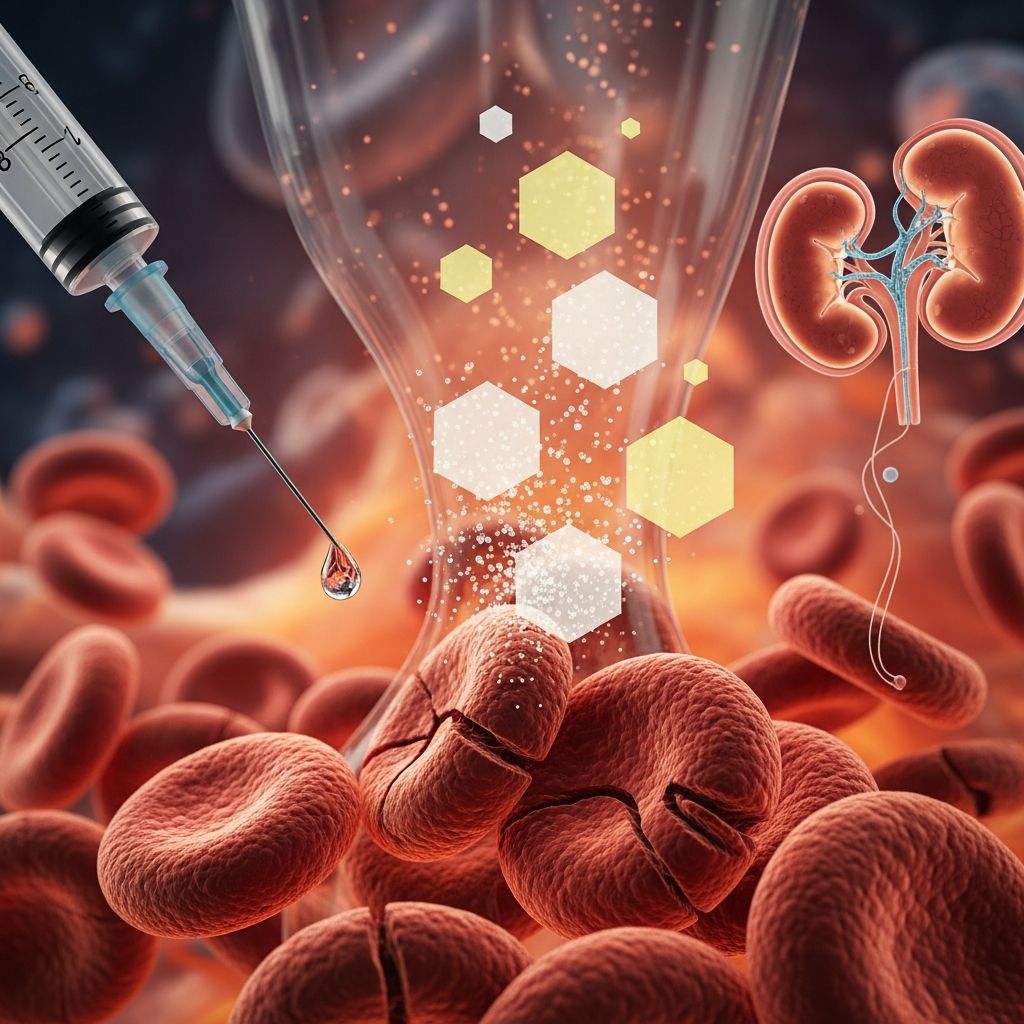
Hyperosmolar hyperglycemic state (HHS) represents one of the most serious complications of diabetes, particularly affecting individuals with type 2 diabetes. This life-threatening emergency occurs when blood glucose levels become dangerously elevated for an extended period, leading to severe dehydration and a highly concentrated bloodstream. The condition develops when very high blood sugar triggers osmotic effects that pull fluid from cells into the bloodstream, resulting in profound dehydration and significant alterations in mental status. Unlike diabetic ketoacidosis, HHS typically involves insufficient insulin action rather than complete insulin deficiency, though patients usually retain enough insulin production to prevent ketone accumulation. Understanding HHS is critical for both patients and healthcare providers, as prompt recognition and treatment can be lifesaving.
What Is Hyperosmolar Hyperglycemic State?
HHS is defined as a hyperglycemic emergency characterized by specific laboratory and clinical parameters. The condition requires the presence of multiple diagnostic criteria to confirm its diagnosis. Blood glucose levels in HHS typically exceed 600 mg/dL, far surpassing the levels seen in other diabetic complications. The blood becomes hyperosmolar, meaning it contains abnormally high concentrations of dissolved particles, with calculated effective serum osmolality exceeding 300 mOsm/kg or total serum osmolality reaching higher levels. This hyperosmolar state creates a severe osmotic gradient that pulls water from cells, including brain cells, leading to cellular dehydration.
The defining feature distinguishing HHS from diabetic ketoacidosis involves ketone production. In HHS, urine or blood ketones are either absent or present only in trace amounts, while blood pH remains higher than 7.3, indicating the absence of significant acidosis. The condition develops insidiously over days to weeks, making it particularly dangerous because symptoms may be subtle initially before rapidly deteriorating.
Risk Factors and Causes of HHS
HHS primarily affects individuals with type 2 diabetes, though it can occasionally occur in those with type 1 diabetes. Several factors significantly increase the likelihood of developing this serious complication:
Underlying Infections: Urinary tract infections, pneumonia, sepsis, and other infections are among the most common precipitating factors. The inflammatory response and metabolic stress from infection can trigger severe hyperglycemia in susceptible individuals.
Medication Non-Compliance: Failure to take diabetes medications or insulin as prescribed substantially increases HHS risk. Missing doses allows blood glucose to climb unchecked.
Inadequate Hydration: Reduced fluid intake, whether from decreased thirst sensation, difficulty accessing water, or other reasons, prevents the natural compensatory mechanism of diluting blood glucose through increased urination.
Acute Medical Events: Myocardial infarction, stroke, trauma, and other acute illnesses can precipitate HHS through stress hormone release and metabolic derangement.
Age and Comorbidities: Older adults and those with compromised kidney or heart function face elevated risk, as these conditions reduce the body’s ability to maintain fluid and electrolyte balance.
Certain Medications: Glucocorticoids, some psychiatric medications, and other drugs can elevate blood glucose levels.
Recognizing Symptoms of HHS
The symptoms of HHS develop gradually over several days to weeks, distinguishing it from the more rapid onset of diabetic ketoacidosis. Early warning signs include:
Extreme Thirst: Persistent, intense thirst that cannot be easily quenched represents one of the earliest signs as the body attempts to compensate for hyperglycemia through fluid intake.
Frequent Urination: Polyuria occurs as the kidneys attempt to eliminate excess glucose through the urine, requiring increased water loss.
Related Stories



Fatigue and Weakness: Progressive tiredness and muscle weakness develop as cells become dehydrated and metabolically stressed.
Altered Mental Status: Confusion, lethargy, difficulty concentrating, and in severe cases, loss of consciousness represent hallmark neurological manifestations. Mental status changes occur because brain cells become dehydrated from the osmotic effects of hyperglycemia.
Vision Problems: Blurred vision may develop from osmotic changes affecting the lens of the eye.
Dry Mouth and Skin: Severe dehydration leads to decreased salivation and reduced skin turgor.
Headache and Nausea: These symptoms reflect the systemic effects of dehydration and metabolic derangement.
Diagnostic Criteria and Tests
Healthcare providers diagnose HHS based on specific laboratory criteria combined with clinical presentation. A comprehensive evaluation includes:
Blood Glucose Measurement: Plasma glucose level of 600 mg/dL or greater is typically present, though levels can exceed 1000 mg/dL in severe cases.
Serum Osmolality: Calculated effective serum osmolality must exceed 300 mOsm/kg or total serum osmolality reaches diagnostic thresholds. This measurement reflects the concentration of all dissolved particles in the blood.
Ketone Testing: Urine and blood ketones should be absent or present only in trace amounts, distinguishing HHS from diabetic ketoacidosis.
Blood pH: Venous pH must be higher than 7.3, confirming the absence of significant metabolic acidosis.
Comprehensive Metabolic Panel: This includes electrolyte levels (sodium, potassium, chloride), kidney function markers (creatinine, blood urea nitrogen), and other parameters that assess overall metabolic status.
Physical Examination: Providers assess vital signs, neurological status, hydration level, and perform a comprehensive physical examination to identify the underlying precipitating cause.
HHS vs. Diabetic Ketoacidosis (DKA) Comparison
| Feature | HHS | DKA |
|---|---|---|
| Blood Sugar Level | Usually above 600 mg/dL | Usually above 250 mg/dL |
| Ketones | Trace or none | Present |
| Blood pH | Higher than 7.3 | 7.3 or lower |
| Onset | Gradual (days to weeks) | Rapid (hours to days) |
| Mortality Rate | About 10% to 20% | About 1% to 8% |
| Primary Diabetes Type | Type 2 diabetes | Type 1 diabetes |
Emergency Treatment of HHS
HHS requires immediate hospitalization and aggressive medical intervention. Treatment focuses on three main objectives: correcting dehydration, lowering blood glucose gradually, and identifying and treating underlying precipitating causes.
Intravenous Fluid Replacement: Aggressive hydration with intravenous saline represents the cornerstone of HHS treatment. Normal saline infusion helps restore circulating fluid volume, dilutes blood glucose concentration, and improves kidney perfusion. Initial fluid boluses may be followed by continuous infusions carefully adjusted based on the patient’s clinical response and cardiac or renal status.
Insulin Therapy: Intravenous insulin infusion gradually lowers blood glucose. The rate of glucose reduction must be carefully controlled—ideally not exceeding 90 to 120 mg/dL per hour—to avoid sudden fluid shifts into the brain that could cause cerebral edema.
Electrolyte Management: Potassium levels require careful monitoring and replacement as needed, since insulin therapy drives potassium into cells. Sodium decline should not exceed 10 mmol/L in 24 hours to prevent osmotic complications. Serum osmolality should fall no more than 3.0 to 8.0 mOsm/kg per hour.
Treatment of Underlying Conditions: Identifying and treating infections, heart conditions, or other precipitating causes is essential. Appropriate antibiotics, cardiac medications, or other interventions address the root cause of HHS development.
Frequent Monitoring: During treatment, blood glucose, creatinine, electrolytes, and serum osmolality should be measured every four hours until HHS resolution is confirmed. Continuous assessment allows healthcare providers to adjust treatment rates and prevent complications.
Potential Complications of HHS
Cerebral Edema: The most significant potential complication of HHS treatment occurs when blood glucose drops too rapidly. Rapid glucose reduction can cause sudden fluid shifts into brain cells, resulting in brain swelling. This dangerous complication develops because as blood glucose falls quickly, the osmotic gradient favoring fluid movement into cells reverses abruptly. Healthcare providers prevent this by carefully controlling the rate of glucose lowering and monitoring neurological status closely.
Osmotic Demyelination Syndrome: In rare cases, overly aggressive treatment of HHS can lead to osmotic demyelination syndrome, a condition where the myelin sheaths protecting nerve fibers are damaged. This serious neurological complication can cause dysarthria, dysmetria, quadriparesis, and other neurological deficits.
Thromboembolism: The severe dehydration and blood concentration in HHS increase clotting risk, potentially leading to blood clots.
Acute Kidney Injury: Severe dehydration can impair kidney function, though hydration therapy typically resolves this.
Prevention and Risk Management
Individuals with diabetes can significantly reduce their HHS risk through several key strategies:
Consistent Medication Adherence: Taking diabetes medications and insulin exactly as prescribed maintains blood glucose control and prevents dangerous elevations.
Regular Blood Glucose Monitoring: Frequent self-monitoring helps detect trends and allows early intervention before blood glucose becomes dangerously high.
Adequate Hydration: Drinking sufficient water throughout the day helps maintain normal blood glucose dilution through natural urinary excretion.
Prompt Infection Treatment: Recognizing and treating infections early prevents metabolic stress that could precipitate HHS.
Regular Healthcare Follow-up: Routine appointments with diabetes care providers allow optimization of medications and identification of risk factors.
Sick Day Management: Continuing diabetes medications even during acute illnesses, maintaining hydration, and seeking medical care for prolonged symptoms prevents HHS development during vulnerable periods.
Living with Diabetes and Preventing Complications
Effective diabetes management prevents HHS and other serious complications. Maintaining optimal blood glucose control through medication adherence, regular monitoring, dietary modifications, physical activity, and stress management significantly reduces complication risk. Patients should work closely with their healthcare team to establish individualized management plans. Education about warning signs, when to seek emergency care, and how to handle sick days empowers patients to prevent crises. For older adults and those with additional medical conditions, more frequent monitoring and medication adjustments may be necessary.
Frequently Asked Questions About HHS
What is the difference between HHS and diabetic ketoacidosis?
The key differences include blood glucose levels (HHS typically higher), ketone presence (absent or trace in HHS), blood pH (normal in HHS), and onset speed (HHS develops more gradually). HHS primarily affects type 2 diabetes, while DKA typically affects type 1 diabetes. HHS carries a higher mortality rate despite slower onset.
Is HHS life-threatening?
Yes, HHS is a life-threatening emergency with mortality rates between 10% to 20%, particularly in older adults or those with underlying medical conditions. Immediate hospitalization and aggressive treatment are essential for survival.
How quickly should blood glucose be lowered in HHS?
Blood glucose should be reduced gradually, not exceeding 90 to 120 mg/dL per hour. Rapid glucose reduction causes dangerous fluid shifts into the brain, potentially causing cerebral edema and other neurological complications.
Can HHS be prevented?
Yes, HHS can largely be prevented through consistent diabetes medication adherence, regular blood glucose monitoring, adequate hydration, prompt infection treatment, and regular healthcare follow-up. Proper sick day management is particularly important.
What should I do if I suspect HHS symptoms?
Seek emergency medical care immediately. Contact 911 or go to the nearest emergency room if experiencing extreme thirst, confusion, severe fatigue, or altered mental status, especially with high blood glucose readings.
References
- Hyperosmolar Hyperglycemic State (HHS) — Cleveland Clinic. 2024. https://my.clevelandclinic.org/health/diseases/21147-hyperosmolar-hyperglycemic-state
- Hyperglycemic Crises in Adults: The 2024 Consensus Report — Cleveland Clinic. 2024. https://consultqd.clevelandclinic.org/hyperglycemic-crises-in-adults-the-2024-consensus-report
- Osmotic Demyelination Syndrome Due to Hyperosmolar Hyperglycemia — Cleveland Clinic Journal of Medicine. 2018. https://www.ccjm.org/content/85/7/511
- Diabetes-Related Coma: What It Is, Symptoms & Treatment — Cleveland Clinic. 2024. https://my.clevelandclinic.org/health/diseases/16628-diabetic-coma
- Hyperglycemia in Diabetes – Symptoms & Causes — Mayo Clinic. https://www.mayoclinic.org/diseases-conditions/hyperglycemia/symptoms-causes/syc-20373631
Similar Articles








Read full bio of medha deb