Hyperpigmentation: Causes, Symptoms & Treatment
Understanding skin darkening: causes, diagnosis, and effective treatment options.
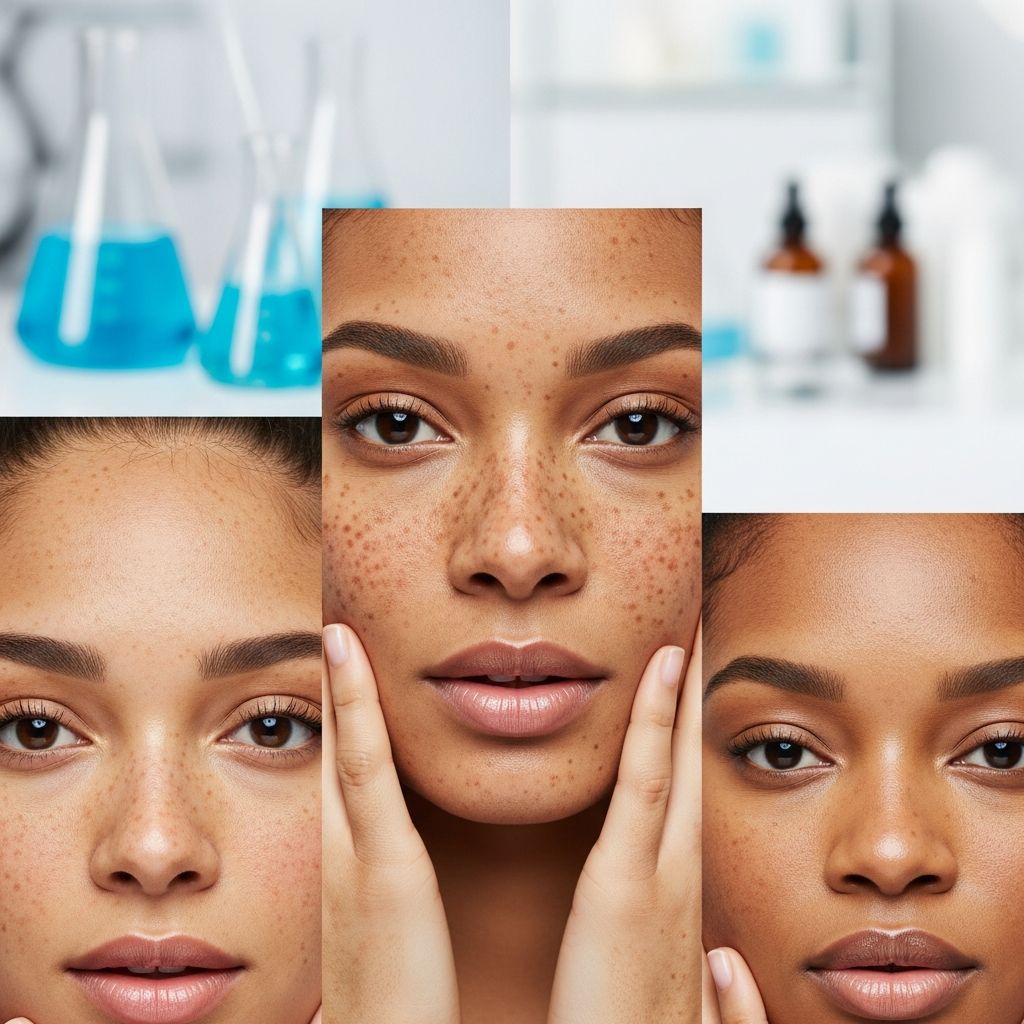
What Is Hyperpigmentation?
Hyperpigmentation is a skin condition characterized by the darkening or increased pigmentation of certain areas of the skin. This occurs when your body produces excess melanin, the pigment responsible for giving your skin its natural color. Unlike vitiligo or other depigmentation conditions, hyperpigmentation results in darker patches or spots appearing on the skin surface, which can vary significantly in size, shape, and location depending on the underlying cause.
Melanin production is a natural biological process that helps protect your skin from harmful ultraviolet (UV) radiation. However, when melanin production becomes uneven or concentrated in specific areas, it creates the visible darkened patches characteristic of hyperpigmentation. This condition can affect people of all skin tones, though it may be more noticeable in individuals with darker complexions.
Types of Hyperpigmentation
Hyperpigmentation manifests in several distinct forms, each with different characteristics and underlying causes:
Melasma
Melasma presents as symmetrical patches of hyperpigmentation, typically appearing on the face, particularly across the cheeks, bridge of the nose, forehead, chin, and upper lip. This condition is more common in individuals with darker skin tones and is often associated with hormonal changes, sun exposure, and genetic predisposition. Women are significantly more affected than men, and it frequently occurs during reproductive years.
Solar Lentigines (Age Spots)
Solar lentigines are flat, brown spots that develop on sun-exposed areas of the skin, including the face, hands, arms, and shoulders. These age spots are primarily caused by cumulative UV exposure over many years and represent concentrated deposits of melanin. They are particularly common in middle-aged and older adults.
Post-Inflammatory Hyperpigmentation
This type of hyperpigmentation develops following skin inflammation or injury, such as acne, eczema, psoriasis, or after cosmetic procedures. The skin darkens in areas where inflammation has occurred as part of the healing process. This form is more prevalent in individuals with darker skin types.
Acanthosis Nigricans
Acanthosis nigricans presents as velvety, hyperpigmented plaques that are often accompanied by skin thickening. These lesions typically appear in areas of friction, including the neck, armpits, groin, and skin folds. This condition is frequently associated with insulin resistance, obesity, diabetes, hormonal disorders, and in some cases, internal malignancies.
Common Causes of Hyperpigmentation
Hyperpigmentation can result from various internal and external factors. Understanding these causes is essential for proper diagnosis and treatment:
Sun Exposure
Prolonged and repeated exposure to ultraviolet radiation is one of the most common causes of hyperpigmentation. When skin is exposed to UV rays, melanocytes are stimulated to produce more melanin as a protective mechanism. This can lead to the development of age spots and exacerbation of existing pigmentation disorders like melasma.
Related Stories



Hormonal Changes
Fluctuations in hormone levels, particularly estrogen and progesterone, can trigger or worsen hyperpigmentation. This is why melasma commonly develops during pregnancy (sometimes called chloasma or “mask of pregnancy”), with oral contraceptive use, and during hormone replacement therapy. Thyroid disorders and other endocrine conditions can also contribute to pigmentation changes.
Medications
Certain medications are known to cause drug-induced hyperpigmentation. These include chemotherapeutic agents, antimalarial drugs, oral contraceptives, prostaglandin agonists, amiodarone, and minocycline. The pattern and location of pigmentation changes can vary depending on the specific medication and individual sensitivity.
Addison Disease
Addison disease, a rare condition characterized by adrenal insufficiency, can cause diffuse hyperpigmentation as a distinctive clinical feature. The hyperpigmentation in Addison disease is caused by excess binding of adrenocorticotropic hormone (ACTH) and alpha-melanocyte stimulating hormone to melanocortin receptors. The pigmentation in Addison disease typically appears muddy and diffuse on buccal mucosa, conjunctival surfaces, genital areas, nail beds, palmar creases, and nipples. This characteristic presentation can serve as an important diagnostic clue for healthcare providers evaluating patients with unexplained hyperpigmentation and other systemic symptoms.
Metabolic and Endocrine Disorders
Several systemic conditions can cause hyperpigmentation, including hyperthyroidism, diabetes mellitus, Cushing syndrome, and hemochromatosis. These conditions may trigger increased melanin production through various physiological mechanisms.
Skin Inflammation and Injury
Inflammatory skin conditions such as acne, eczema, psoriasis, dermatitis, and even minor cuts or burns can result in post-inflammatory hyperpigmentation. This occurs as part of the wound healing and inflammatory response process.
Genetic Predisposition
Family history and genetic factors significantly influence an individual’s susceptibility to hyperpigmentation. If your parents or other family members have experienced melasma or other pigmentation disorders, you are at higher risk of developing similar conditions.
Symptoms and Clinical Presentation
The primary symptom of hyperpigmentation is the visible darkening of skin in affected areas. However, the presentation can vary considerably:
Visual Characteristics
Hyperpigmented areas may appear as small spots, large patches, or diffuse areas of darkened skin. The color can range from light brown to dark brown or black, depending on the amount of excess melanin and the individual’s baseline skin tone. The borders of hyperpigmented areas may be sharply demarcated or gradually blend into surrounding normal-colored skin.
Associated Symptoms
While hyperpigmentation itself is typically not painful or itchy, some underlying conditions causing hyperpigmentation may have associated symptoms. For example, post-inflammatory hyperpigmentation following acne may be accompanied by residual acne lesions, or melasma may occur alongside other hormonal symptoms.
Psychological Impact
Many individuals with visible hyperpigmentation experience cosmetic concerns and may feel self-conscious about their appearance, particularly when affected areas are on the face or other visible body parts.
Diagnosis
Healthcare providers diagnose hyperpigmentation through a combination of clinical evaluation and, when necessary, diagnostic testing:
Medical History
Your healthcare provider will ask detailed questions about when the hyperpigmentation started, whether it has changed over time, any triggering factors, your medical history, current medications, sun exposure habits, family history of pigmentation disorders, and whether you have experienced any recent skin inflammation or injury.
Physical Examination
A thorough examination of the skin will be performed to assess the distribution, extent, color, and characteristics of the hyperpigmented areas. Your provider may examine not only the visibly affected skin but also inspect oral mucosa, nail beds, and other areas for additional pigmentation changes that might suggest specific conditions.
Dermoscopy
Dermoscopy is a non-invasive diagnostic technique using a specialized magnifying instrument to examine skin lesions in greater detail. This can help differentiate between various types of pigmentation disorders and identify specific patterns characteristic of particular conditions.
Laboratory Testing
If Addison disease or other systemic conditions are suspected based on clinical presentation, laboratory tests may be ordered. These can include blood tests to measure hormone levels, particularly ACTH and cortisol, as well as tests for other endocrine or metabolic disorders.
Skin Biopsy
In certain cases where the diagnosis is uncertain, a skin biopsy may be performed. A small sample of affected skin is removed and examined under a microscope to confirm the diagnosis and rule out other conditions, including skin cancer.
Treatment Options
Treatment for hyperpigmentation depends on the underlying cause and may include various approaches:
Topical Treatments
Topical therapies are often the first-line treatment for localized hyperpigmentation. These include hydroquinone, which inhibits melanin production; tretinoin, a retinoid that promotes cell turnover; vitamin C serums, which have antioxidant properties; and combination products containing multiple active ingredients. Niacinamide and kojic acid are also used to reduce pigmentation.
Professional Procedures
Various in-office procedures can effectively treat hyperpigmentation. Laser treatments use concentrated light energy to target and break down excess melanin. Chemical peels involve applying chemical solutions to remove outer skin layers and improve pigmentation. Microdermabrasion mechanically exfoliates the skin surface, while dermatologic procedures like intense pulsed light (IPL) therapy can also be beneficial for certain types of hyperpigmentation.
Addressing Underlying Causes
When hyperpigmentation results from an identifiable cause, treating that underlying condition is essential. For example, if Addison disease is diagnosed, glucocorticoid and mineralocorticoid replacement therapy is necessary. If medications are causing hyperpigmentation, discontinuing or switching to alternative medications may help. For acanthosis nigricans related to obesity and insulin resistance, weight loss and metformin therapy are important management strategies.
Sun Protection
Rigorous sun protection is crucial for all types of hyperpigmentation. This includes daily use of broad-spectrum sunscreen with SPF 30 or higher, protective clothing, hats, and limiting sun exposure, particularly during peak UV hours (10 AM to 4 PM). Sun protection helps prevent worsening of existing hyperpigmentation and reduces the risk of developing new pigmentation disorders.
Prevention Strategies
While not all hyperpigmentation can be prevented, certain measures can reduce your risk:
Daily Sunscreen Use: Apply broad-spectrum sunscreen consistently, even on cloudy days and during winter months.
Sun-Protective Clothing: Wear long-sleeved shirts, wide-brimmed hats, and sunglasses when spending time outdoors.
Avoid Peak Sun Hours: Limit outdoor activities between 10 AM and 4 PM when UV rays are strongest.
Gentle Skin Care: Avoid skin trauma and minimize inflammatory triggers such as harsh products or aggressive scrubbing.
Manage Medical Conditions: Maintain good control of hormonal conditions, metabolic disorders, and skin conditions that can contribute to hyperpigmentation.
Frequently Asked Questions
Q: Is hyperpigmentation permanent?
A: Some types of hyperpigmentation may fade over time, particularly post-inflammatory hyperpigmentation. However, other types like melasma and solar lentigines may be persistent and require ongoing treatment and sun protection to prevent recurrence or worsening.
Q: Can hyperpigmentation be a sign of cancer?
A: While most hyperpigmentation is benign, certain patterns or rapid changes in pigmentation warrant evaluation. Acanthosis nigricans can occasionally be associated with internal malignancies, and any significant changes in skin pigmentation should be evaluated by a healthcare provider.
Q: Is hyperpigmentation more common in certain skin tones?
A: Hyperpigmentation can occur in all skin tones, but it may be more noticeable and problematic in individuals with darker skin. Certain types, such as melasma and post-inflammatory hyperpigmentation, are more common in people with darker complexions.
Q: How long does treatment for hyperpigmentation take?
A: Treatment duration varies depending on the cause and chosen treatment method. Topical treatments may require weeks to months of consistent use, while professional procedures may show results after a single session or require multiple sessions over several months.
Q: Can I use makeup to cover hyperpigmentation?
A: Yes, full-coverage foundations and concealing makeup can effectively conceal hyperpigmentation while undergoing treatment. However, makeup should not replace medical treatment, and it’s important to maintain proper skin care and sun protection.
References
- Hyperpigmentation as a clue to Addison disease — Cleveland Clinic Journal of Medicine. 2021-09-15. https://www.ccjm.org/content/89/9/498
- Melanin: What Is It, Types & Benefits — Cleveland Clinic. 2024-03-20. https://my.clevelandclinic.org/health/body/22615-melanin
- Skin Discoloration: Causes, Conditions & Treatments — Cleveland Clinic. 2024-06-10. https://my.clevelandclinic.org/health/symptoms/11014-skin-discoloration
- Widespread skin-thickening and hyperpigmentation — Cleveland Clinic Journal of Medicine. 2021-09-15. https://www.ccjm.org/content/89/9/485
- Salt-and-pepper skin pigmentation — Cleveland Clinic Journal of Medicine. 2023-10-01. https://www.ccjm.org/content/91/10/593
- Dark Circles Under The Eyes: Causes & Treatment — Cleveland Clinic. 2024-04-05. https://my.clevelandclinic.org/health/symptoms/23128-dark-circles-under-eyes
Similar Articles








Read full bio of Sneha Tete