Hyperpyrexia: Causes, Symptoms, and Treatment
Understanding hyperpyrexia: a life-threatening rise in body temperature requiring immediate medical attention.
What Is Hyperpyrexia?
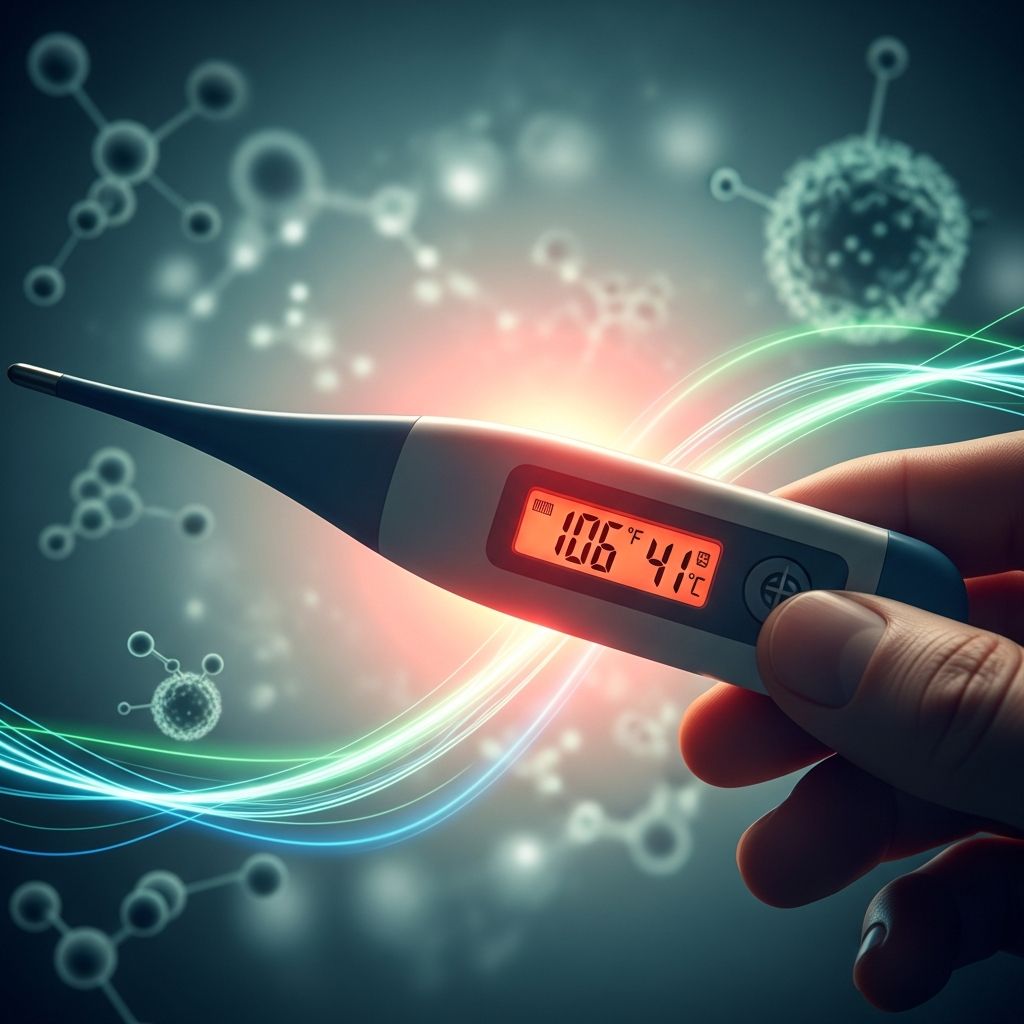
Hyperpyrexia is a medical emergency characterized by an extremely high body temperature, specifically above 106.7 degrees Fahrenheit (41.5 degrees Celsius). This condition is life-threatening and requires immediate medical intervention. Unlike a typical fever, which is a controlled response to infection or illness, hyperpyrexia represents a dangerous malfunction in the body’s temperature regulation system.
How Does Hyperpyrexia Differ from Fever?
A fever is generally defined as a body temperature above 100.4°F (38°C). This is a normal physiological response to infection or illness, where the hypothalamus (the brain’s temperature regulator) raises the body’s set point to help fight off pathogens. In contrast, hyperpyrexia occurs when the hypothalamic set point is abnormally elevated, often due to underlying medical conditions, medications, or environmental factors. The key difference is severity: hyperpyrexia is much more dangerous and can lead to organ failure or death if not treated promptly.
Causes of Hyperpyrexia
Hyperpyrexia can result from a variety of causes, including:
- Infections: Severe bacterial or viral infections can trigger a massive inflammatory response, leading to dangerously high temperatures.
- Neurological Disorders: Conditions such as Parkinsonism-Hyperpyrexia Syndrome (PHS) can cause sudden, severe temperature spikes, especially in patients with Parkinson’s disease who have stopped or reduced their medication.
- Medication Reactions: Certain drugs, including antipsychotics and anesthetics, can cause malignant hyperthermia, a rare but life-threatening reaction.
- Environmental Factors: Prolonged exposure to extreme heat, such as in heat stroke, can overwhelm the body’s cooling mechanisms.
- Metabolic Disorders: Rare genetic conditions can disrupt normal temperature regulation.
- Brain Injury: Trauma or stroke affecting the hypothalamus can lead to uncontrolled temperature elevation.
Symptoms of Hyperpyrexia
The primary symptom of hyperpyrexia is a body temperature above 106.7°F (41.5°C). Other symptoms may include:
- Severe headache
- Nausea and vomiting
- Confusion or altered mental status
- Seizures
- Loss of consciousness
- Increased heart rate (tachycardia)
- Rapid breathing (tachypnea)
- Dehydration
- Muscle rigidity
- Autonomic instability (fluctuations in blood pressure and heart rate)
- Diaphoresis (excessive sweating)
If left untreated, hyperpyrexia can lead to multi-organ failure, brain damage, and death.
Diagnosis of Hyperpyrexia
Hyperpyrexia is typically diagnosed in an emergency setting. Healthcare providers will:
- Measure body temperature using multiple methods (oral, rectal, or tympanic) to confirm the reading.
- Assess for other symptoms and medical history.
- Order blood tests to check for infection, electrolyte imbalances, and organ function.
- Perform imaging studies (such as CT or MRI) if a neurological cause is suspected.
- Monitor vital signs closely.
Early and accurate diagnosis is crucial for effective treatment.
Treatment of Hyperpyrexia
Treatment focuses on rapidly lowering body temperature and addressing the underlying cause. Immediate interventions may include:
- Placing the patient in a cool environment.
- Applying cool water or ice packs to the skin.
- Using fans or air conditioning.
- Administering intravenous fluids to prevent dehydration.
- Medications to reduce fever (such as acetaminophen or ibuprofen), though these are less effective in hyperpyrexia.
- Specific treatments for underlying conditions (e.g., antibiotics for infection, discontinuation of offending medications).
- In severe cases, advanced cooling techniques such as ice baths or cooling blankets may be used.
Related Stories



Supportive care, including oxygen therapy and monitoring of vital signs, is essential.
Complications of Hyperpyrexia
If not treated promptly, hyperpyrexia can lead to serious complications, including:
- Brain damage
- Seizures
- Multi-organ failure
- Death
Even with treatment, some patients may experience long-term neurological or physical deficits.
Prevention of Hyperpyrexia
Preventing hyperpyrexia involves:
- Avoiding prolonged exposure to extreme heat.
- Staying hydrated, especially in hot environments.
- Monitoring for signs of infection and seeking prompt medical care.
- Being aware of medication side effects and reporting any unusual symptoms to a healthcare provider.
- For patients with neurological conditions, ensuring consistent medication management and regular follow-up.
When to Seek Medical Help
Hyperpyrexia is a medical emergency. If you or someone else has a body temperature above 106.7°F (41.5°C), seek immediate medical attention. Do not wait for symptoms to worsen. Early intervention can prevent serious complications and improve outcomes.
Frequently Asked Questions (FAQs)
Q: What is the difference between hyperpyrexia and fever?
A: A fever is a body temperature above 100.4°F (38°C), usually due to infection. Hyperpyrexia is a much higher temperature, above 106.7°F (41.5°C), and is a medical emergency.
Q: Can hyperpyrexia be fatal?
A: Yes, if not treated promptly, hyperpyrexia can lead to organ failure, brain damage, and death.
Q: What are the first steps in treating hyperpyrexia?
A: Move the person to a cool environment, apply cool water or ice packs, and seek emergency medical help immediately.
Q: Who is at risk for hyperpyrexia?
A: Anyone can develop hyperpyrexia, but those with infections, neurological disorders, or who are exposed to extreme heat are at higher risk.
Q: Can medications cause hyperpyrexia?
A: Yes, certain medications, especially antipsychotics and anesthetics, can trigger a dangerous reaction leading to hyperpyrexia.
Summary Table: Hyperpyrexia vs. Fever
| Condition | Temperature Range | Common Causes | Severity | Treatment |
|---|---|---|---|---|
| Fever | 100.4°F – 106.7°F (38°C – 41.5°C) | Infection, inflammation | Mild to moderate | Rest, fluids, fever-reducing medications |
| Hyperpyrexia | Above 106.7°F (41.5°C) | Infection, neurological disorders, medication reactions, heat stroke | Life-threatening | Emergency cooling, supportive care, treat underlying cause |
References
- Hyperpyrexia: What It Is, Causes, Symptoms & Treatment — Cleveland Clinic. 2025-06-12. https://my.clevelandclinic.org/health/diseases/hyperpyrexia
- Parkinsonism-Hyperpyrexia Syndrome: A Case Series and Review — PMC. 2022-10-25. https://pmc.ncbi.nlm.nih.gov/articles/PMC9616322/
- Heat Illness: Tips for Recognition and Treatment — Cleveland Clinic Journal of Medicine. 2001-08. https://www.ccjm.org/content/ccjom/68/8/685.full.pdf
Similar Articles








Read full bio of Sneha Tete