Hypersensitivity Reactions: Types, Symptoms & Treatment
Learn about the four types of hypersensitivity reactions, their symptoms, causes, and evidence-based treatment options.
Understanding Hypersensitivity Reactions
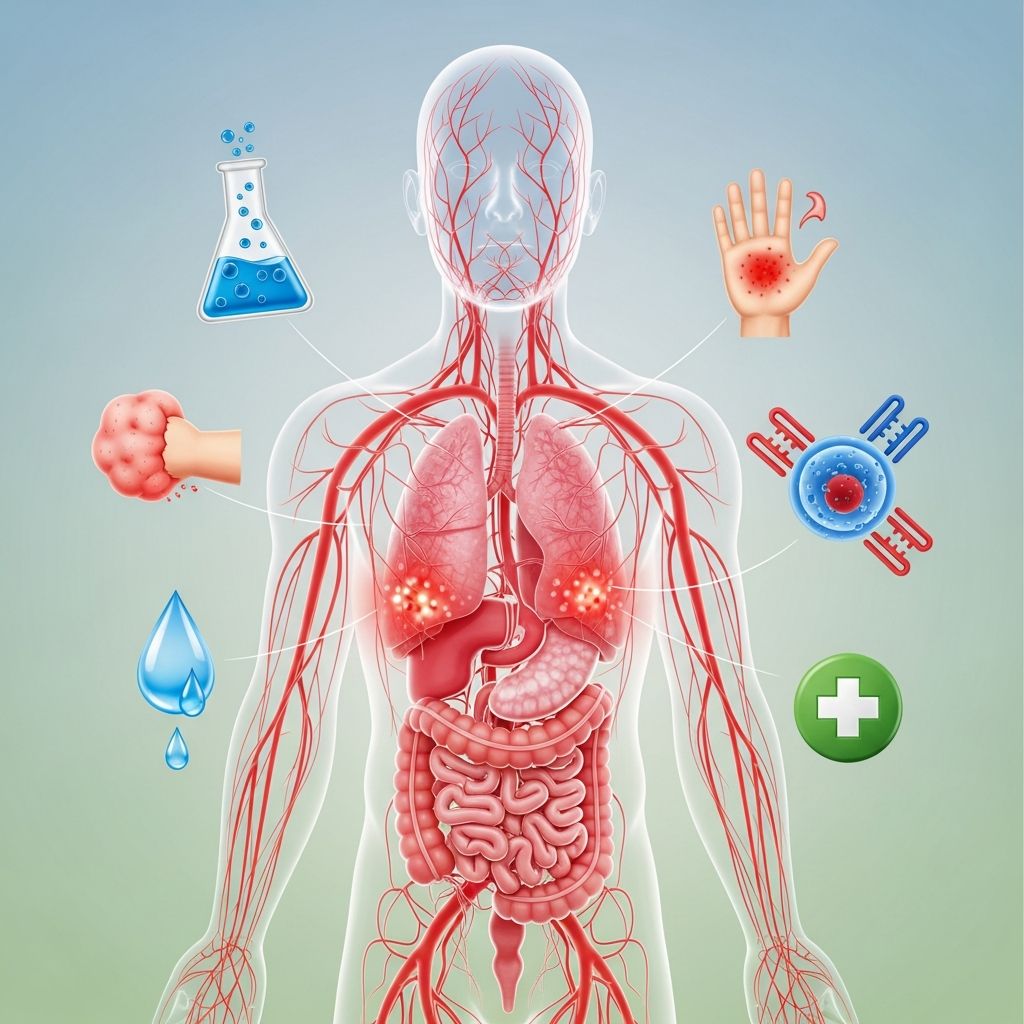
Hypersensitivity reactions represent an overreaction of the immune system to specific triggers or allergens. These reactions can range from mild and manageable conditions like seasonal allergies to severe, life-threatening emergencies such as anaphylaxis. Understanding the different types of hypersensitivity reactions is essential for proper diagnosis, treatment, and prevention. The immune system’s primary role is to protect your body from harmful substances, but in hypersensitivity reactions, it responds disproportionately to substances that are typically harmless to most people.
There are four distinct types of hypersensitivity reactions, each with unique mechanisms, symptoms, and treatment approaches. Some hypersensitivity reactions can also contribute to long-term conditions, including various autoimmune diseases. The severity and manifestation of these reactions depend on the specific type, the individual’s immune system, and the triggering agent involved.
Type I Hypersensitivity Reactions: Immediate Allergic Responses
Type I hypersensitivity reactions, commonly known as immediate allergic reactions, occur within minutes to hours of exposure to an allergen. These reactions are mediated by immunoglobulin E (IgE) antibodies and mast cells, which release chemical mediators like histamine. Type I reactions are the most commonly experienced form of hypersensitivity and include conditions ranging from mild seasonal allergies to severe anaphylaxis.
Symptoms of Type I Reactions
The symptoms of Type I hypersensitivity reactions can vary significantly in severity and may include:
- Runny nose and sneezing
- Coughing and respiratory distress
- Itchy, watery eyes
- Vomiting and gastrointestinal symptoms
- Difficulty breathing or swallowing
- Hives and skin rashes
- Swelling of the face, lips, tongue, or throat
- Wheezing and asthma-like symptoms
In severe cases, Type I reactions can progress to anaphylaxis, characterized by rapid onset of symptoms affecting multiple organ systems and potentially life-threatening complications.
Type II Hypersensitivity Reactions: Cytotoxic Reactions
Type II hypersensitivity reactions, also referred to as cytotoxic reactions, involve antibodies (IgG or IgM) that bind to antigens on the surface of cells. This binding leads to cell destruction through various mechanisms, including complement activation and antibody-dependent cellular cytotoxicity. These reactions can affect various tissues and organs throughout the body.
Characteristics and Symptoms
Type II reactions produce a wide variety of symptoms depending on which cells or tissues are affected. Common symptoms include:
- Fever and systemic inflammation
- Tiredness and general fatigue
- Weakness and malaise
- Hemolytic anemia symptoms
- Organ-specific dysfunction depending on target tissue
Examples of Type II hypersensitivity reactions include drug-induced hemolytic anemia, Graves’ disease, and certain transfusion reactions. The severity can range from mild to life-threatening depending on the extent of cell destruction.
Type III Hypersensitivity Reactions: Immune Complex Disease
Type III hypersensitivity reactions, also known as immune complex hypersensitivity reactions, occur when antigen-antibody complexes deposit in tissues, triggering inflammation. These reactions often cause or significantly contribute to various autoimmune diseases. Unlike Type I reactions, Type III reactions develop over several days and can cause systemic symptoms affecting multiple organ systems.
Related Stories



Common Manifestations and Symptoms
Symptoms common to many forms of Type III reactions include:
- Joint pain and arthralgia
- Fever and malaise
- Skin rashes and lesions
- Lymph node enlargement
- Kidney involvement and proteinuria
- Systemic inflammation
Type III hypersensitivity reactions are implicated in diseases such as systemic lupus erythematosus, serum sickness, and certain forms of glomerulonephritis. These conditions often require long-term management and immunosuppressive therapy.
Type IV Hypersensitivity Reactions: Cell-Mediated Delayed Reactions
Type IV hypersensitivity reactions, also called cell-mediated hypersensitivities, represent a distinct category of immune responses. These reactions differ fundamentally from Types I, II, and III because they are mediated by T cells rather than antibodies. Type IV reactions typically develop slowly, usually over 48 to 72 hours after exposure, though in some cases, they may take even longer.
Symptoms and Skin Manifestations
Type IV reactions can range from mild to severe and almost always affect the skin. Common skin changes include:
- Contact dermatitis and localized eczema
- Erythema (redness) and inflammation
- Vesicles and blisters
- Lichenification and chronic skin thickening
- Pruritus (intense itching)
Beyond skin manifestations, patients may also experience fever, body aches, and other systemic symptoms. Classic examples of Type IV reactions include contact dermatitis from poison ivy or nickel, tuberculin skin test reactions, and transplant rejection. The delayed nature of these reactions makes them distinct from the immediate symptoms seen in Type I hypersensitivity.
Mechanisms of Hypersensitivity Reactions
All types of hypersensitivity reactions result from an immune system overreaction. The fundamental mechanisms differ by reaction type:
Antibody-Mediated Reactions (Types I, II, and III): These reactions involve antibodies that recognize and bind to specific antigens. The process occurs in two distinct steps: sensitization (the initial exposure to the allergen that produces antibodies) and the re-exposure reaction (subsequent encounters with the allergen triggering the hypersensitivity response).
Cell-Mediated Reactions (Type IV): These reactions are activated by T cells that recognize antigens and trigger a cascade of cellular immune responses. T-cell activation leads to the recruitment of inflammatory cells and the release of cytokines that perpetuate the immune reaction.
Understanding these mechanisms is crucial for developing targeted treatment strategies and predicting which patients may benefit from specific therapeutic interventions.
Treatment Approaches for Hypersensitivity Reactions
Treatment for hypersensitivity reactions depends on the specific type of reaction and the severity of symptoms. Different reaction types require distinct therapeutic approaches:
Type I Reaction Treatment
Type I reactions are typically managed with:
- Antihistamines to block the effects of histamine
- Inhaled medications for asthma and respiratory symptoms
- Epinephrine for severe reactions and anaphylaxis
- Corticosteroids to reduce inflammation
Epinephrine is considered the first-line treatment for both initial and delayed anaphylactic reactions, and intramuscular administration is recommended. In emergency situations, prompt administration of epinephrine can be life-saving.
Type II, III, and IV Reaction Treatment
Treatments for Type II, III, and IV reactions typically include:
- Corticosteroids to suppress immune activity
- Immunosuppressant medications
- Specific disease-modifying therapies based on the underlying condition
- Supportive care tailored to affected organ systems
These reaction types often require longer-term management and may necessitate ongoing medical supervision to prevent complications.
Prevention of Hypersensitivity Reactions
Prevention strategies vary depending on the type of hypersensitivity and the known triggers:
Allergen Avoidance
For food and medication allergies, the most effective prevention is avoiding the triggering substance entirely. This requires careful attention to ingredient labels, medication lists, and communication with healthcare providers about known allergies.
Premedication Protocols
Premedication with glucocorticoids or antihistamines has been shown to significantly decrease the rate of hypersensitivity reactions to various medications, including chemotherapy agents. These preventive measures are recommended to decrease the risk of infusion-related reactions in patients receiving medications with known hypersensitivity potential.
Desensitization Protocols
For patients with severe medication allergies who require essential medications, controlled desensitization protocols can be employed. These involve administering very small initial doses of the medication and gradually increasing the dose over several hours until the therapeutic dose is achieved. However, this temporary tolerance lasts only about 48 hours, after which the patient returns to their allergic state.
Limitations of Prevention
It is important to recognize that researchers do not yet fully understand who will develop hypersensitivity reactions or what specific triggers will affect individual patients. You often cannot prevent the first reaction to an allergen, but in many cases, you can prevent subsequent reactions by avoiding the trigger. However, some hypersensitivity reactions, particularly autoimmune diseases, cannot be prevented because they represent a reaction to proteins that are naturally part of your body.
Managing Hypersensitivity Reactions to Medications
Hypersensitivity reactions to medications present unique clinical challenges, particularly when patients require essential medications to which they have previously reacted. In such situations, specialized allergy testing can be valuable. For example, patients reporting anaphylactic reactions to penicillin can undergo penicillin allergy skin testing to determine if the allergy is genuine. If skin testing is negative, the medication can often be safely administered with appropriate monitoring.
In cases where medication allergy is confirmed but the drug is essential for treatment, temporary tolerance can be induced through controlled desensitization in a medical setting. This approach has proven effective in allowing patients with severe allergies to receive necessary medications temporarily, though alternative therapies should be sought for long-term management when possible.
Severe and Rare Hypersensitivity Conditions
While most hypersensitivity reactions are manageable, some severe and potentially deadly conditions can develop. Toxic epidermal necrolysis (TEN) is a rare but severe hypersensitivity reaction characterized by widespread skin blistering and detachment, often triggered by medications. These most severe forms of hypersensitivity require immediate hospitalization and intensive medical care.
Other serious conditions include Stevens-Johnson syndrome (SJS), which presents with painful blistering and mucosal involvement, and severe serum sickness reactions. Recognition of these severe reactions is crucial for prompt intervention and appropriate management.
Distinguishing Between Different Hypersensitivity Types
| Type | Onset | Mechanism | Primary Symptoms | Treatment |
|---|---|---|---|---|
| Type I | Minutes to hours | IgE antibodies, mast cells | Hives, respiratory symptoms, angioedema | Antihistamines, epinephrine, corticosteroids |
| Type II | Hours to days | IgG/IgM antibodies on cell surface | Fever, fatigue, hemolytic anemia | Corticosteroids, immunosuppressants |
| Type III | Days | Immune complex deposition | Joint pain, fever, rash, organ dysfunction | Corticosteroids, immunosuppressants |
| Type IV | 48-72 hours or longer | T-cell activation | Contact dermatitis, skin inflammation | Corticosteroids, avoid allergen |
Frequently Asked Questions
Q: Can someone outgrow a hypersensitivity reaction?
A: Some hypersensitivity reactions, particularly Type I reactions to certain foods or environmental allergens, may decrease in severity or resolve over time, especially in children. However, drug allergies and autoimmune-related hypersensitivities typically persist. Allergy testing can help determine the current status of your allergies.
Q: What is the difference between a hypersensitivity reaction and a true allergy?
A: All allergies are hypersensitivity reactions, but not all hypersensitivity reactions are allergies. Allergies typically refer to Type I IgE-mediated reactions, while hypersensitivity is a broader category encompassing all four types of abnormal immune responses to otherwise harmless substances.
Q: Are hypersensitivity reactions hereditary?
A: There is a genetic component to hypersensitivity reactions. If your parents have allergies or autoimmune diseases, you may be at higher risk for developing hypersensitivity conditions. However, the specific triggers and severity can vary among family members.
Q: Can hypersensitivity reactions be cured?
A: Type I allergies can sometimes be managed through immunotherapy (allergy shots or sublingual tablets), which may reduce symptoms over time. However, most hypersensitivity reactions cannot be cured permanently. Management focuses on avoiding triggers, treating symptoms, and in some cases, inducing temporary tolerance when essential medications are needed.
Q: How quickly should epinephrine be given during anaphylaxis?
A: Epinephrine should be administered as quickly as possible during anaphylaxis. Delayed administration (more than 60 minutes) is associated with increased risk of biphasic anaphylactic reactions and poorer outcomes. This is why patients at risk for anaphylaxis are prescribed auto-injectors to use immediately when symptoms begin.
Q: What role does premedication play in preventing hypersensitivity reactions?
A: Premedication with antihistamines and glucocorticoids has been shown to significantly decrease the rate of hypersensitivity reactions to certain medications, particularly chemotherapy agents. Premedication protocols are especially recommended for patients receiving medications known to cause infusion-related reactions.
References
- Paclitaxel-Associated Hypersensitivity Reactions: Experience of the Cleveland Clinic Cancer Center — American Society of Clinical Oncology (ASCO). 2000. https://ascopubs.org/doi/10.1200/JCO.2000.18.1.102
- Anaphylaxis: Highlights from the Practice Parameter Update — Cleveland Clinic Journal of Medicine. 2021. https://www.ccjm.org/content/89/2/106
- Allergic Reactions to Sulfonamide Antimicrobials: Clinical Considerations — Cleveland Clinic Journal of Medicine. 2024. https://www.ccjm.org/content/92/3/136
- Identifying and Managing Patients’ Allergies Through Clinical Assessment — Cleveland Clinic Consult QD. 2024. https://consultqd.clevelandclinic.org/identifying-and-managing-patients-allergies-podcast
- Anaphylaxis: Causes, Symptoms, Diagnosis & Treatment — Cleveland Clinic. 2024. https://my.clevelandclinic.org/health/diseases/8619-anaphylaxis
- Allergies: Types, Symptoms, Treatment & Management — Cleveland Clinic. 2024. https://my.clevelandclinic.org/health/diseases/8610-allergies
Similar Articles








Read full bio of medha deb