Hypertension and Aging: What You Need to Know
Understanding high blood pressure as you age and managing your cardiovascular health.

High blood pressure, or hypertension, is one of the most prevalent chronic conditions affecting older adults today. Understanding how hypertension develops as you age and learning effective management strategies are crucial steps toward maintaining a healthy heart and overall well-being. This comprehensive guide explores the relationship between aging and hypertension, examines the physiological changes that contribute to elevated blood pressure, and provides practical information for managing this condition effectively.
Understanding Blood Pressure Changes with Age
Your cardiovascular system undergoes significant changes throughout your lifetime. As you age, your body’s network of blood vessels—known as the vascular system—undergoes transformative changes that directly impact your blood pressure. One of the most notable changes is the progressive stiffening and loss of elasticity in your arteries, a process referred to as arterial stiffening or atherosclerosis. This natural aging-related process causes your blood vessels to become less flexible, forcing your heart to pump harder to move blood through them.
The aorta, the main artery carrying blood from your heart, becomes thicker, stiffer, and less flexible with age. This change is largely related to alterations in the connective tissue of the blood vessel wall, resulting in increased blood pressure and greater workload on your heart. These structural changes mean that elevated blood pressure becomes increasingly common with advancing age. In fact, more than two-thirds of individuals after 65 years of age experience hypertension. Your blood pressure tends to rise as part of the natural aging process, regardless of lifestyle factors, though managing your overall health can help minimize this increase.
Why Hypertension Becomes More Prevalent with Age
Hypertension prevalence more than doubles in elderly populations compared to younger individuals. This dramatic increase occurs because aging itself is an independent risk factor for both arterial stiffness and hypertension. Researchers have identified several interconnected mechanisms that explain why blood pressure rises with age:
Arterial Stiffness and Systolic Hypertension
The increased arterial stiffness associated with aging reduces the reservoir and buffering function of the conduit arteries near the heart and increases pulse wave velocity—the speed at which pressure waves travel through blood vessels. Both of these changes increase systolic and pulse pressure. This pattern of aging-related hypertension is characterized by a significant increase in systolic blood pressure with no change or even a decrease in diastolic blood pressure, a condition known as isolated systolic hypertension. Age is an important determinant of pulse wave velocity, making this marker increasingly relevant for understanding cardiovascular risk in older adults.
Metabolic Syndrome Contribution
With aging, the prevalence of metabolic syndrome—an important risk factor for cardiovascular disease—increases. Metabolic syndrome is defined by three or more of the following characteristics: abnormal obesity, dyslipidemia, hypertension, insulin resistance, and hyperglycemia. Age induces an increase in visceral fat and circulating leptin, which is associated with a significant increase in blood pressure. Managing metabolic factors becomes increasingly important as you age to prevent the compounding effects of multiple risk factors.
Inflammation and Oxidative Stress
Chronic elevations in inflammatory mediators during late life contribute to deleterious chronic overproduction of reactive oxygen species (ROS). Coupled with age-related declines in nitric oxide (NO) production and bioavailability, these increases in ROS formation create an imbalance between production and breakdown of ROS—a condition known as oxidative stress. This chronic cellular damage and dysfunction contributes to physiologic dysfunction and the development of age-related disease, including hypertension.
Related Stories



Neurological Changes
The diminished sympathetic baroreflex sensitivity in elderly individuals leads to sympathetic activation and increased prevalence of hypertension in the aged population. Additionally, increased inflammation in the brain stem and senescence-associated brain structural and functional deterioration may contribute to aging-related autonomic dysfunction, including elevated sympathetic activity and hypertension.
Effects of Hypertension Beyond Blood Pressure Numbers
While elevated blood pressure is the primary concern with hypertension, research reveals that this condition affects multiple body systems in older adults. Understanding these broader health impacts underscores the importance of proper blood pressure management.
Cognitive Decline and Dementia Risk
High blood pressure appears to accelerate decline in cognitive performance in middle-aged and older adults. Memory, concentration, and other cognitive functions decline faster among adults who have high blood pressure than those who do not. Research has demonstrated that even seemingly slight blood pressure elevation during middle and older age is linked to faster cognitive decline. In a study of over 6,000 women aged 65-79, hypertension was associated with an increased risk of mild cognitive impairment or probable dementia, with the highest risk among those with blood pressure ≥ 140/90.
Notably, the length of time or duration of high blood pressure does not appear to accelerate cognitive decline—rather, the presence of elevated blood pressure at any point is concerning. However, the encouraging news is that controlling high blood pressure slows the speed of cognitive decline. Research shows that effectively treating high blood pressure at any age in adulthood could reduce or prevent cognitive acceleration.
Physical Disability and Functional Decline
Compared to normotensive counterparts, older adults with hypertension experience accelerated declines in physical function and increased incidence of disability. Among older adults evaluated in longitudinal studies, higher systolic blood pressure was associated with increased risk of developing new disability. Sarcopenia, the age-related decline in muscle mass and strength, may represent one mechanism through which hypertension accelerates functional declines, though this relationship requires further investigation.
Falls and Fractures
Hypertension among older adults is increasingly associated with incidence of falls and injurious fractures, representing an important collateral risk beyond traditional cardiovascular concerns. The mechanisms linking blood pressure to fall risk include orthostatic hypotension (sudden drops in blood pressure when standing) and other circulatory changes common in older adults on blood pressure medications.
Early Brain Changes and Hypertension
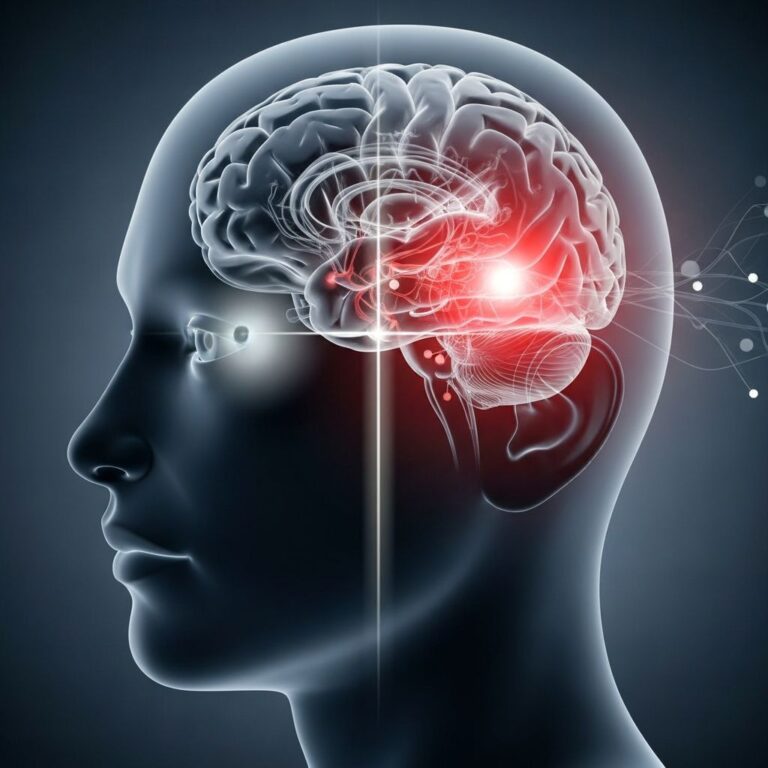
Recent research reveals that hypertension begins harming the brain surprisingly early, even before measurable blood pressure increases. Key cells related to blood vessels show damage at earlier stages than previously recognized, suggesting that prevention and early intervention are critical for protecting long-term cognitive health.
Management Strategies for Hypertension in Older Adults
Managing hypertension effectively at any age is essential for preventing or slowing cognitive decline and maintaining overall health. Older people on blood pressure medicines need to work with their healthcare providers to ensure optimal management. Several evidence-based approaches can help protect your cardiovascular system and overall health:
Blood Pressure Monitoring
Regular monitoring of blood pressure is fundamental to hypertension management. Understanding your numbers and tracking changes over time helps your healthcare provider adjust treatment as needed. Even prehypertension levels (systolic blood pressure between 121-139 mmHg or diastolic between 81-89 mmHg) are associated with cognitive decline, emphasizing the importance of maintaining lower blood pressure throughout life.
Medication Management
Various medications can effectively control blood pressure. Your healthcare provider may recommend specific medications based on your individual health profile. Research indicates that adults with controlled hypertension experience notably slower declines in memory and global cognitive function compared to those with uncontrolled hypertension. Some medications specifically target age-related mechanisms; for example, spironolactone and amiloride decrease endothelial expression of sodium channel abundance and prevent endothelial stiffening in aging mice.
Addressing Underlying Risk Factors
Managing metabolic syndrome components—including obesity, dyslipidemia, insulin resistance, and hyperglycemia—helps address underlying causes of age-related hypertension. Since metabolic syndrome prevalence increases with age, attention to these factors becomes increasingly important. Control of aging-accelerating factors including metabolic dysfunction, inflammation, and neurohormonal dysfunction benefits the cardiovascular system and may extend lifespan.
Lifestyle Modifications
While specific lifestyle interventions are crucial for blood pressure management, maintaining cardiovascular health through regular activity and appropriate nutrition supports overall wellbeing. These modifications complement medical treatment and contribute to better long-term outcomes.
Common Blood Pressure Medication Classes
Several medication classes help manage hypertension in older adults, each working through different mechanisms:
| Medication Class | How It Works | Common Considerations for Older Adults |
|---|---|---|
| ACE Inhibitors | Relaxes blood vessel walls by blocking angiotensin II | May have additional cardiovascular and renal protective effects |
| Calcium Channel Blockers | Slows heart rate and relaxes blood vessels | Generally well-tolerated with fewer medication interactions |
| Diuretics | Reduces fluid volume in the bloodstream | Requires careful monitoring of kidney function and electrolytes |
| Beta-Blockers | Reduces heart rate and cardiac output | May affect exercise tolerance and glucose metabolism |
| Aldosterone Antagonists | Blocks aldosterone to reduce sodium retention | Targets aging-associated dysregulation of aldosterone |
Key Points for Aging Adults with Hypertension
Understanding these critical points helps you make informed decisions about your health:
- Hypertension prevalence increases dramatically with age, affecting more than two-thirds of individuals over 65 years old.
- Arterial stiffness is a primary driver of age-related blood pressure elevation and cannot be completely reversed, but progression can be slowed.
- Isolated systolic hypertension (elevated systolic pressure with normal or low diastolic pressure) is the typical pattern in older adults.
- High blood pressure accelerates cognitive decline regardless of when hypertension develops, but effective treatment can prevent or slow this decline.
- Even prehypertension levels are associated with health risks, emphasizing the importance of maintaining lower blood pressure throughout life.
- Multiple mechanisms—including inflammation, oxidative stress, metabolic dysfunction, and neurological changes—contribute to age-related hypertension.
- Hypertension significantly increases disability risk and falls in older adults, extending beyond traditional cardiovascular concerns.
- Brain damage from hypertension can begin before blood pressure measurements show significant elevation.
Frequently Asked Questions
Q: Why does blood pressure increase as we age?
A: Blood pressure increases with age primarily due to progressive stiffening and loss of elasticity in arteries—a natural aging process. Additionally, metabolic changes, increased inflammation, oxidative stress, and neurological changes all contribute to elevated blood pressure in older adults.
Q: Is high blood pressure a normal part of aging?
A: While high blood pressure becomes more common with age, it is not inevitable. However, since aging itself is an independent risk factor for hypertension, most older adults develop some elevation in blood pressure. Managing this elevation through appropriate treatment remains essential for health.
Q: Can cognitive decline from hypertension be reversed?
A: While some cognitive changes may be irreversible, controlling high blood pressure slows the speed of cognitive decline. Starting blood pressure management at any age can help preserve cognitive function and prevent further acceleration of decline.
Q: How often should older adults have their blood pressure checked?
A: Most older adults should have blood pressure checked regularly, typically at least annually. Those with diagnosed hypertension or borderline elevations should have more frequent monitoring as recommended by their healthcare provider.
Q: Can lifestyle changes alone control hypertension in older adults?
A: While lifestyle modifications are important components of hypertension management, most older adults require medication to achieve adequate blood pressure control due to age-related arterial changes and other physiological factors.
Q: What blood pressure target should older adults aim for?
A: Individual blood pressure targets vary based on overall health, kidney function, and other factors. Your healthcare provider will determine the appropriate target for your specific situation. Research suggests that maintaining lower blood pressure throughout life benefits long-term health outcomes.
References
- Aging, Arterial Stiffness, and Hypertension — American Heart Association Journal. 2014. https://www.ahajournals.org/doi/10.1161/hypertensionaha.114.03617
- Hypertension and Aging — National Center for Biotechnology Information (NIH). https://pmc.ncbi.nlm.nih.gov/articles/PMC4768730/
- Aging changes in the heart and blood vessels — MedlinePlus (National Library of Medicine). https://medlineplus.gov/ency/article/004006.htm
- High blood pressure at any age, no matter how long you have it, may speed cognitive decline — American Heart Association. https://newsroom.heart.org/news/high-blood-pressure-at-any-age-no-matter-how-long-you-have-it-may-speed-cognitive-decline
- Blood Pressure and Aging: What You Can Do to Protect Your Heart — IC Family Medicine. https://icfamilymedicine.com/blood-pressure-and-aging-what-you-can-do-to-protect-your-heart/
- High Blood Pressure and Older Adults — National Institute on Aging (NIH). https://www.nia.nih.gov/health/high-blood-pressure/high-blood-pressure-and-older-adults
- Your brain shows damage before your blood pressure even rises — Science Daily. 2025-11-23. https://www.sciencedaily.com/releases/2025/11/251123115708.htm
Similar Articles








Read full bio of medha deb