Hypertension and High Blood Pressure: Causes, Symptoms, and Treatment
Understanding high blood pressure: comprehensive guide to causes, management, and complementary health approaches.
Understanding Hypertension and High Blood Pressure
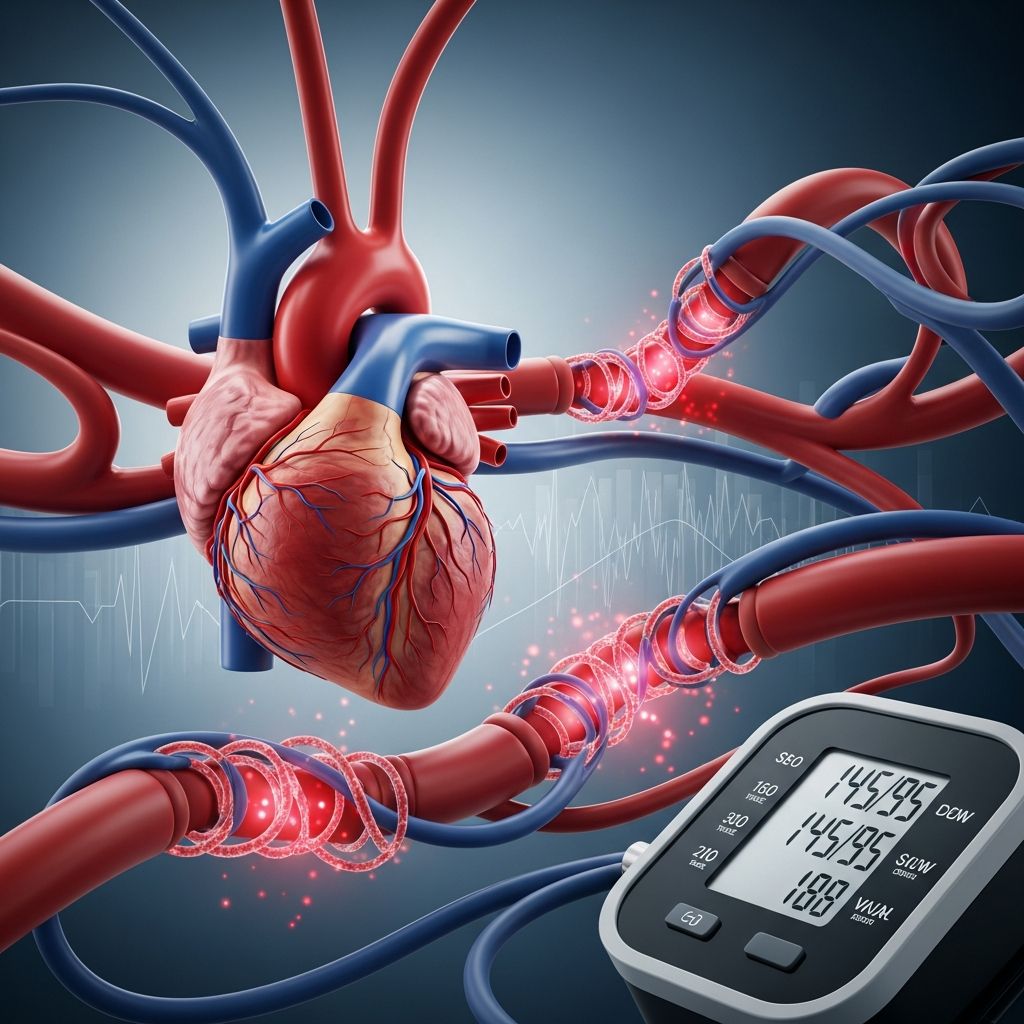
High blood pressure, medically known as hypertension, is one of the most common chronic conditions affecting millions of people worldwide. Despite its prevalence, many individuals remain unaware they have hypertension because it often develops silently without noticeable symptoms. Understanding this condition is crucial for preventing serious cardiovascular complications and maintaining overall health.
Hypertension occurs when the pressure exerted by blood against the walls of blood vessels remains persistently elevated. Blood pressure is measured using two numbers: the systolic pressure (the force when the heart contracts) and the diastolic pressure (the force when the heart rests between beats). Current medical guidelines define hypertension as systolic blood pressure of 130 mm Hg or higher and/or diastolic blood pressure of 80 mm Hg or higher.
What Is Blood Pressure and How Is It Measured?
Blood pressure represents the force that blood exerts against artery walls as it circulates through the body. This measurement is expressed as two numbers written one above the other, such as 120/80 mm Hg. The top number (systolic pressure) indicates the pressure when your heart beats and pumps blood into the arteries. The bottom number (diastolic pressure) represents the pressure when your heart rests between beats.
Proper blood pressure measurement requires specific techniques to ensure accuracy. Healthcare providers typically take multiple readings on separate occasions to establish a reliable baseline. At least two office measurements taken on separate days are recommended for diagnosis, with readings recorded as the average of the last two measurements to minimize the effect of temporary fluctuations.
Blood Pressure Classifications
Understanding the different categories of blood pressure helps individuals recognize their risk level and take appropriate action. The American College of Cardiology provides the following classifications:
| Category | Systolic (mm Hg) | Diastolic (mm Hg) |
|---|---|---|
| Normal | Less than 120 | Less than 80 |
| Elevated | 120 to 129 | Less than 80 |
| Stage 1 Hypertension | 130 to 139 | 80 to 89 |
| Stage 2 Hypertension | 140 or higher | 90 or higher |
| Hypertensive Crisis | Higher than 180 | Higher than 120 |
Health Risks Associated with High Blood Pressure
When blood pressure remains elevated over extended periods, it places excessive strain on blood vessels and organs throughout the body. This chronic stress significantly increases the risk of developing serious, life-threatening conditions. Understanding these risks emphasizes the importance of early detection and management.
Cardiovascular Complications
The heart and blood vessels bear the most direct impact from sustained hypertension. High blood pressure causes arteries to harden and narrow through a process called atherosclerosis, reducing blood flow and oxygen supply to vital organs. This can lead to chest pain (angina), heart attacks, and heart failure. Additionally, hypertension can cause irregular heart rhythms, which may result in sudden cardiac events.
Stroke and Brain Health
Elevated blood pressure can cause arteries supplying the brain to burst or become blocked, interrupting blood flow and oxygen delivery to brain tissue. This results in stroke, which can cause permanent disability or death. The risk of stroke increases substantially as blood pressure levels rise.
Kidney Damage
The kidneys contain delicate blood vessels susceptible to damage from high blood pressure. Chronic hypertension can lead to kidney disease and eventual kidney failure, requiring dialysis or transplantation. This creates a concerning cycle, as kidney disease can further elevate blood pressure.
Causes and Risk Factors
Hypertension develops through complex interactions between genetic predisposition and lifestyle factors. While some individuals inherit a tendency toward high blood pressure, environmental and behavioral factors play significant roles in disease development and progression. Age, race, family history, obesity, excessive salt intake, physical inactivity, and chronic stress all contribute to hypertension risk. Additionally, certain medical conditions and medications can elevate blood pressure.
Diagnosis and Evaluation
Accurate diagnosis of hypertension requires careful measurement and evaluation by healthcare professionals. A single elevated reading does not constitute a diagnosis; rather, healthcare providers need consistent, repeated measurements to confirm the condition. Home blood pressure monitoring and ambulatory blood pressure monitoring over 24 hours may be recommended to assess patterns and exclude white-coat hypertension, where readings are elevated only in clinical settings.
Healthcare providers also evaluate individual risk factors, including ten-year atherosclerotic cardiovascular disease risk, presence of diabetes or chronic kidney disease, and evidence of hypertension-mediated organ damage. This comprehensive assessment guides treatment decisions and helps identify patients who may benefit from earlier intervention.
Conventional Treatment Approaches
Treatment for hypertension typically involves a combination of lifestyle modifications and pharmacological interventions. The decision to initiate medication depends on blood pressure readings, individual risk factors, and presence of existing organ damage. For individuals with stage 2 hypertension or those at high cardiovascular risk, medication is usually recommended alongside lifestyle changes.
Various classes of antihypertensive medications work through different mechanisms to lower blood pressure. These may include ACE inhibitors, angiotensin receptor blockers, beta-blockers, calcium channel blockers, and diuretics. Healthcare providers select medications based on individual characteristics, comorbidities, and medication tolerability.
Lifestyle Modifications for Blood Pressure Control
Lifestyle changes form the foundation of hypertension management and can often reduce or eliminate the need for medications. Dietary modifications, particularly the DASH (Dietary Approaches to Stop Hypertension) diet, emphasizing fruits, vegetables, whole grains, and lean proteins while limiting sodium, have demonstrated significant blood pressure-lowering effects. Regular physical activity, maintaining a healthy weight, limiting alcohol consumption, and managing stress all contribute to blood pressure reduction.
Complementary and Integrative Health Approaches
Research indicates that certain complementary health practices may help reduce blood pressure when incorporated into a comprehensive lifestyle modification program. These approaches complement, rather than replace, conventional medical treatment and should be discussed with healthcare providers.
Mind-Body Practices
Relaxation techniques, including progressive muscle relaxation, deep breathing exercises, and meditation, have shown promise in reducing blood pressure. These practices help activate the parasympathetic nervous system, promoting a relaxation response that counteracts stress-induced blood pressure elevation. Yoga, combining physical postures with breathing techniques and meditation, may provide additional cardiovascular benefits through improved flexibility, strength, and stress reduction.
Biofeedback and Stress Management
Biofeedback techniques train individuals to recognize and modify physiological responses associated with high blood pressure. By providing real-time feedback about body functions, biofeedback helps people develop awareness and control over blood pressure regulation. Structured stress management programs addressing emotional and psychological factors contributing to hypertension may enhance overall treatment effectiveness.
Acupuncture
Traditional acupuncture, based on principles from Chinese medicine, involves stimulating specific points on the body to promote health and balance. Some research suggests acupuncture may help reduce blood pressure, though evidence remains mixed and more rigorous studies are needed to establish its efficacy definitively.
Herbal and Dietary Supplements
Various herbal preparations and nutritional supplements have been studied for potential blood pressure-lowering effects. However, individuals should consult healthcare providers before using supplements, as some may interact with medications or cause adverse effects. Quality, safety, and efficacy of supplements vary considerably, and regulatory oversight differs from pharmaceutical medications.
When to Seek Emergency Care
Blood pressure readings consistently above 180/120 mm Hg indicate a hypertensive crisis requiring immediate medical attention. Symptoms such as severe headache, shortness of breath, nosebleed, or chest pain accompanying extremely elevated blood pressure warrant emergency evaluation. These situations may represent hypertensive emergencies requiring rapid treatment to prevent organ damage.
Prevention Strategies
Preventing hypertension development is preferable to managing established disease. Individuals should maintain healthy body weight, engage in regular physical activity, follow a balanced diet low in sodium, limit alcohol consumption, manage stress effectively, and avoid tobacco products. Regular blood pressure screening beginning at age 18 allows early detection of elevated readings before hypertension develops, enabling preventive interventions.
Special Populations and Considerations
Certain populations require individualized treatment approaches. Individuals with diabetes or chronic kidney disease may benefit from earlier medication initiation and lower blood pressure targets. Older adults may require different treatment strategies and careful medication management to minimize side effects. Pregnant women with hypertension face unique risks requiring specialized care and monitoring.
Frequently Asked Questions
Q: Can high blood pressure be cured?
A: While high blood pressure cannot be permanently cured, it can be effectively managed and controlled through medication, lifestyle modifications, and complementary approaches, significantly reducing associated health risks.
Q: How often should I have my blood pressure checked?
A: Adults aged 18-39 with normal blood pressure and no risk factors should have screening every 3-5 years. Those with elevated readings or risk factors require more frequent monitoring as recommended by their healthcare provider.
Q: Are there natural ways to lower blood pressure?
A: Yes, lifestyle modifications including regular exercise, reducing sodium intake, maintaining healthy weight, limiting alcohol, managing stress, and incorporating relaxation practices like yoga and meditation can effectively lower blood pressure.
Q: Can I stop taking blood pressure medication once my readings normalize?
A: Never discontinue blood pressure medications without consulting your healthcare provider. Stopping medications can cause blood pressure to rise again and increase health risks. Your provider will determine appropriate medication adjustments based on your individual circumstances.
Q: Are complementary approaches effective for managing hypertension?
A: Some complementary approaches like relaxation techniques, yoga, and acupuncture may help reduce blood pressure when combined with conventional treatment and lifestyle modifications. Discuss these options with your healthcare provider to ensure safety and appropriate integration with your treatment plan.
Q: What foods should I avoid if I have high blood pressure?
A: Limit sodium, processed foods, saturated fats, and added sugars. Foods to minimize include cured meats, canned soups, fast food, sugary beverages, and high-fat dairy products. Focus instead on fresh fruits, vegetables, whole grains, and lean proteins.
References
- Essential Hypertension – StatPearls — National Center for Biotechnology Information (NCBI), National Institutes of Health. 2024. https://www.ncbi.nlm.nih.gov/books/NBK539859/
- Overview: High blood pressure – InformedHealth.org — NCBI Bookshelf, National Institutes of Health. 2024. https://www.ncbi.nlm.nih.gov/books/NBK279239/
- Hypertension — World Health Organization (WHO). 2024. https://www.who.int/news-room/fact-sheets/detail/hypertension
- High Blood Pressure – Causes and Risk Factors — National Heart, Lung, and Blood Institute (NHLBI), National Institutes of Health. 2024. https://www.nhlbi.nih.gov/health/high-blood-pressure/causes
- About High Blood Pressure — Centers for Disease Control and Prevention (CDC). 2024. https://www.cdc.gov/high-blood-pressure/about/index.html
- Complementary Health Approaches for Hypertension — National Center for Complementary and Integrative Health (NCCIH), National Institutes of Health. 2024. https://www.nccih.nih.gov/health/providers/digest/complementary-health-approaches-for-hypertension
Similar Articles






Read full bio of medha deb