Hypertension (High Blood Pressure): Symptoms and Causes
Understanding hypertension: Learn about symptoms, causes, diagnosis, and management of high blood pressure.
Understanding Hypertension: What Is High Blood Pressure?
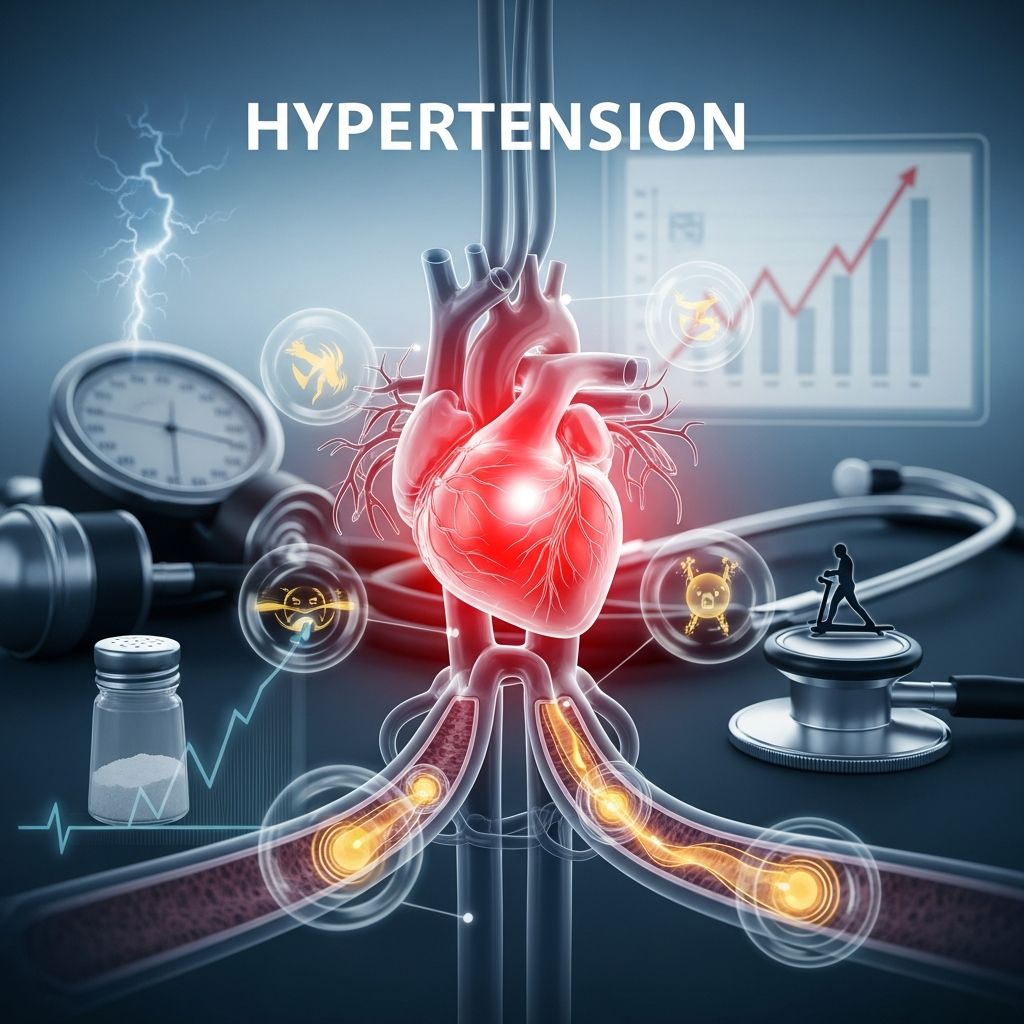
Hypertension, commonly known as high blood pressure, refers to a condition where the force of blood pushing against your artery walls is too elevated. This increased pressure forces your heart to work harder to pump blood throughout your body. Over time, this excessive force damages your arteries and places significant strain on your heart, potentially leading to serious health complications. Because hypertension typically develops without noticeable symptoms, healthcare providers often refer to it as a “silent killer.” Understanding this condition is crucial for maintaining cardiovascular health and preventing life-threatening complications.
Why Is Hypertension Called a Silent Killer?
One of the most dangerous aspects of hypertension is its asymptomatic nature. Many people with elevated blood pressure experience no physical sensations or warning signs, allowing the condition to progress undetected. This silent progression makes regular blood pressure screening essential, as individuals may unknowingly develop significant arterial damage and heart strain. The lack of symptoms often leads to delayed diagnosis and treatment, which is why routine medical check-ups and blood pressure monitoring are vital components of preventive healthcare.
Recognizing Symptoms of High Blood Pressure
Although hypertension is often asymptomatic, some individuals may experience warning signs when blood pressure reaches dangerously high levels. These symptoms can include:
- Chest pain or discomfort
- Dizziness or lightheadedness
- Headaches, particularly at the back of the head
- Shortness of breath
- Heart palpitations or irregular heartbeat
- Nosebleeds
- Fatigue or weakness
- Blurred or double vision
- Anxiety
- Changes to mental function
- Edema (swelling in legs, ankles, or feet)
- Reduced urination
- Seizures (in severe cases)
It is important to note that the presence of these symptoms does not necessarily indicate hypertension, and many people with high blood pressure experience none of them. If you notice any of these symptoms, consult with a healthcare provider promptly.
Understanding Blood Pressure Readings
Blood pressure readings consist of two numbers measured in millimeters of mercury (mm Hg). The first number, called systolic pressure, represents the force when your heart beats. The second number, called diastolic pressure, represents the force when your heart rests between beats. Normal blood pressure for most adults is below 120/80 mm Hg. Blood pressure that exceeds this threshold increases your risk for heart disease and other cardiovascular complications.
Healthcare providers typically diagnose hypertension when your blood pressure numbers are high during at least two separate visits, with at least two readings taken during each appointment. This approach ensures accuracy and helps rule out temporary elevations caused by stress or other factors.
Types of Hypertension: Primary and Secondary
Hypertension is classified into two main categories based on its underlying cause.
Primary Hypertension
Primary hypertension, also known as essential hypertension, develops gradually over time without a specific identifiable cause. This type accounts for the majority of hypertension cases and is influenced by genetics, lifestyle factors, and age. Individuals diagnosed with primary hypertension typically need to manage the condition throughout their lives under the guidance of their healthcare provider.
Related Stories



Secondary Hypertension
Secondary hypertension results from an underlying medical condition, medication, or substance. In these cases, healthcare providers can often identify and address the specific cause. Common causes of secondary hypertension include kidney disease, thyroid disorders, certain medications, alcohol use, and adrenal gland disorders. When the underlying cause is treated or removed, secondary hypertension can often be reversed. Your healthcare provider will explain how treatment can help and what outcomes you can expect.
Risk Factors and Causes of High Blood Pressure
Multiple factors contribute to the development of hypertension. Understanding these risk factors can help you take preventive measures and make informed decisions about your health.
Non-Modifiable Risk Factors
- Age: Blood pressure tends to increase with age
- Family History: Genetic predisposition plays a significant role in hypertension development
- Race and Ethnicity: Certain populations have higher hypertension prevalence rates
- Sex: Men are at higher risk before age 55; women’s risk increases after menopause
Modifiable Risk Factors
- Diet: High sodium intake and low potassium consumption increase blood pressure
- Physical Inactivity: Sedentary lifestyle contributes to hypertension development
- Excess Weight: Obesity significantly increases hypertension risk
- Alcohol Consumption: Excessive drinking elevates blood pressure
- Smoking: Tobacco use damages blood vessels and increases cardiovascular strain
- Chronic Stress: Prolonged stress can elevate blood pressure
- Sleep Issues: Poor sleep quality and sleep apnea contribute to hypertension
Complications of Untreated Hypertension
Leaving hypertension untreated causes significant damage to your body over time. The constant excessive pressure damages your arteries and overworks your heart. This can lead to serious, life-threatening complications including:
- Heart attack
- Stroke
- Heart failure
- Kidney disease and kidney failure
- Aortic aneurysm
- Vision loss due to retinopathy
- Cognitive decline and dementia
- Atherosclerosis (hardening of the arteries)
- Peripheral artery disease
Early detection and treatment are crucial for preventing these serious health outcomes and protecting your long-term cardiovascular health.
Diagnosis of Hypertension
Healthcare providers measure your blood pressure during yearly check-ups and other medical appointments to determine if it falls within normal ranges. The diagnostic process involves systematic monitoring to ensure accurate assessment. Your provider will diagnose you with hypertension if your blood pressure numbers are consistently high across multiple visits, with at least two readings taken during each appointment. This careful approach helps distinguish between temporary elevations and true hypertension.
In some cases, your healthcare provider may recommend home blood pressure monitoring or 24-hour ambulatory monitoring to gather additional data about your blood pressure patterns throughout daily life. These monitoring methods provide valuable insights into how your blood pressure fluctuates in different situations and help guide treatment decisions.
Treatment and Management Approaches
Managing hypertension involves a comprehensive approach combining lifestyle modifications and, when necessary, medication. Treatment strategies are individualized based on your blood pressure readings, overall health status, and personal circumstances.
Lifestyle Modifications
Making positive changes to your daily habits can significantly impact blood pressure control:
- Exercise Regularly: Aim for at least 150 minutes of moderate aerobic activity weekly
- Reduce Sodium Intake: Limit salt consumption to help lower blood pressure
- Increase Potassium: Consume potassium-rich foods like bananas, spinach, and sweet potatoes
- Maintain Healthy Weight: Even modest weight loss can improve blood pressure
- Limit Alcohol: Reduce or eliminate alcoholic beverage consumption
- Manage Stress: Practice relaxation techniques like meditation or deep breathing
- Quit Smoking: Tobacco cessation significantly improves cardiovascular health
- Improve Sleep Quality: Ensure seven to nine hours of quality sleep nightly
- Follow DASH Diet: Emphasize fruits, vegetables, whole grains, and lean proteins
Medication Management
When lifestyle changes alone prove insufficient, healthcare providers may prescribe antihypertensive medications to help control blood pressure. These medications work through various mechanisms, including relaxing blood vessels, reducing heart workload, and decreasing blood volume. Common medication classes include ACE inhibitors, beta-blockers, calcium channel blockers, and diuretics. Your provider will select medications based on your individual health profile and blood pressure response.
Long-Term Management and Prevention
If you have primary hypertension, you will need to manage it for the rest of your life under your healthcare provider’s guidance. However, secondary hypertension can often be reversed by treating or removing the underlying cause. Regular follow-up appointments, consistent medication adherence, and ongoing lifestyle modifications are essential for long-term success.
It is important to remember that hypertension progresses silently. You may feel completely fine even as damage accumulates to your arteries and heart. The months and years pass quickly, and it is easy to forget about conditions you cannot feel. However, catching and treating hypertension early can help you protect your arteries and heart for years to come. Consistent monitoring and proactive management are your best defenses against serious cardiovascular complications.
Recent Advances in Hypertension Management
Healthcare systems are continually developing new strategies to improve hypertension management and patient outcomes. Cleveland Clinic and other leading medical institutions have implemented comprehensive, system-wide quality improvement programs that have significantly increased the percentage of patients achieving controlled blood pressure. These programs combine clinical pharmacist support, advanced practice provider involvement, patient education, and systematic monitoring with feedback to healthcare teams. Research demonstrates that such coordinated approaches can increase blood pressure control rates from 74% to 82% over a four-year period.
New evidence-based treatment strategies continue to emerge, including the use of specific medication combinations that optimize blood pressure control, particularly in cases of difficult-to-treat hypertension. These evolving approaches reflect the healthcare community’s commitment to reducing the burden of hypertension and improving patient quality of life.
Frequently Asked Questions About Hypertension
Q: Can I stop taking my blood pressure medication if my numbers normalize?
A: Do not stop taking blood pressure medication without consulting your healthcare provider. Most people with hypertension require ongoing medication management to maintain controlled blood pressure. Your provider may adjust medications based on your response, but stopping treatment abruptly can cause blood pressure to rise again and increase your risk of complications.
Q: How often should I have my blood pressure checked?
A: Adults should have their blood pressure checked at least once annually during routine health check-ups. Those with hypertension or risk factors may require more frequent monitoring. Your healthcare provider will determine the appropriate monitoring schedule based on your individual health status.
Q: What is considered a hypertensive crisis?
A: A hypertensive crisis occurs when blood pressure reaches 180/120 mm Hg or higher, typically accompanied by symptoms like severe headache, chest pain, or shortness of breath. This is a medical emergency requiring immediate professional evaluation.
Q: Can lifestyle changes alone control my hypertension?
A: While lifestyle modifications are important, some individuals require medication to achieve adequate blood pressure control. Your healthcare provider will determine the most appropriate treatment approach based on your specific situation and blood pressure response to lifestyle changes.
Q: Is it normal to feel fine with high blood pressure?
A: Yes, hypertension is often asymptomatic, which is why it is called a “silent killer.” You can have significantly elevated blood pressure and feel completely normal, but damage to your arteries and heart is still occurring. Regular monitoring is essential even when you feel well.
References
- Cleveland Clinic to explore new patient engagement strategies for hypertension — Cleveland Clinic Lerner Research Institute. 2025-04-11. https://www.lerner.ccf.org/news/article/?title=Cleveland+Clinic+to+explore+new+patient+engagement+strategies+for+hypertension
- Hypertension (High Blood Pressure): Symptoms and Causes — Cleveland Clinic. 2025-09-23. https://my.clevelandclinic.org/health/diseases/4314-hypertension-high-blood-pressure
- Long-term outcomes of a one-year hypertension quality improvement program — National Institutes of Health / PubMed Central. 2023. https://pmc.ncbi.nlm.nih.gov/articles/PMC10011969/
- Conservative Management of Inpatient Hypertension Is Associated With Better Outcomes — Cleveland Clinic Quality Dispatch. 2024. https://consultqd.clevelandclinic.org/conservative-management-of-inpatient-hypertension-is-associated-with-better-outcomes-study-finds
- Blood Pressure: Types, Ranges & Readings — Cleveland Clinic. 2025. https://my.clevelandclinic.org/health/diagnostics/17649-blood-pressure
- Optimizing hypertension treatment: Evidence-based approaches — Cleveland Clinic Journal of Medicine. 2025-09-01. https://www.ccjm.org/content/92/9/555
- How To Lower High Blood Pressure — Cleveland Clinic Health. 2025. https://health.clevelandclinic.org/how-to-lower-blood-pressure
- Hypertensive Crisis: Types, Causes & Symptoms — Cleveland Clinic. 2025. https://my.clevelandclinic.org/health/diseases/24470-hypertensive-crisis
Similar Articles








Read full bio of Sneha Tete