Hypertrophic Osteoarthropathy and Digital Clubbing
Explore the causes, symptoms, diagnosis, and management of hypertrophic osteoarthropathy linked to digital clubbing.
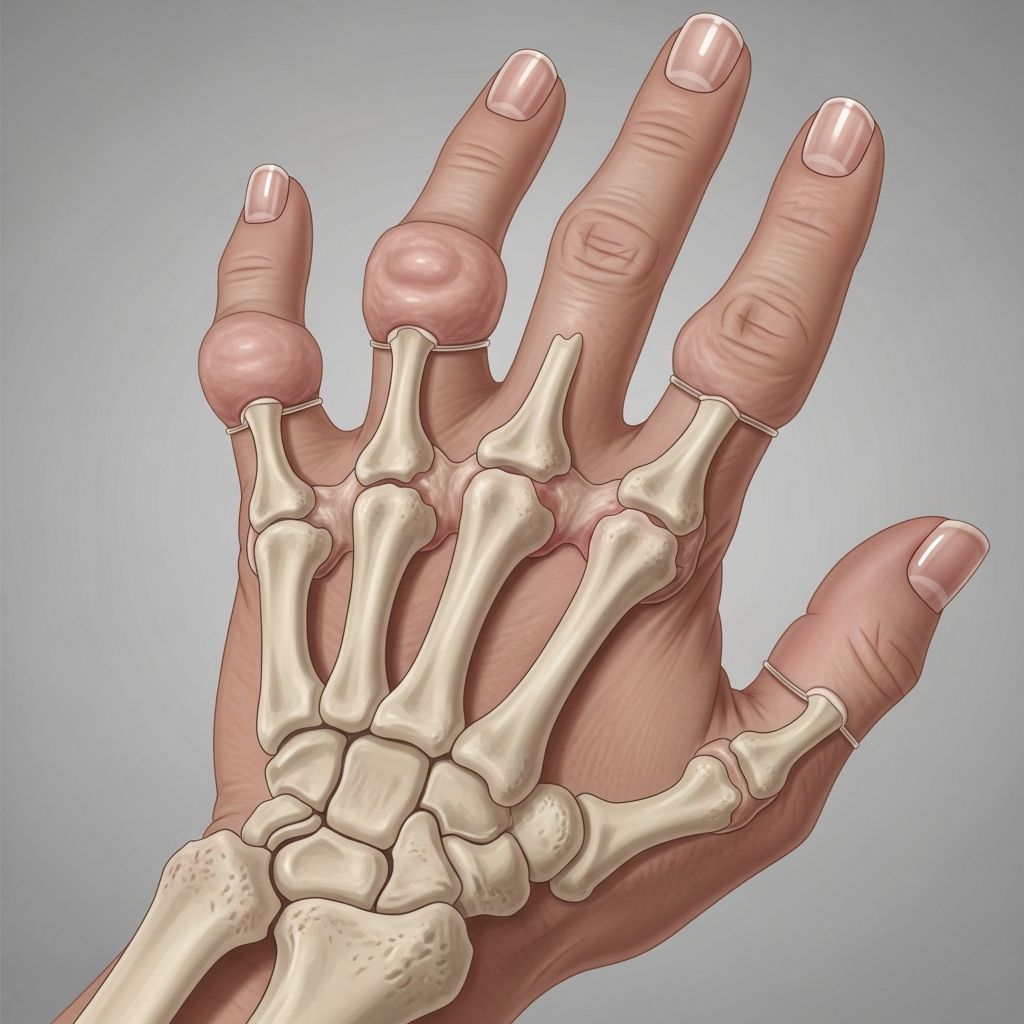
Hypertrophic osteoarthropathy (HOA) is a syndrome characterised by
digital clubbing
,periostosis
of tubular bones, andarthritis
. It is also known as hypertrophic pulmonary osteoarthropathy (HPOA) when associated with lung disease, reflecting its frequent link to pulmonary pathology. The condition manifests as bulbous enlargement of the distal fingers and toes due to soft tissue swelling and periosteal bone formation, often accompanied by painful joint effusions. HOA falls into two main categories: primary hypertrophic osteoarthropathy (PHO), a rare genetic disorder, and secondary hypertrophic osteoarthropathy (SHO), which arises from underlying diseases, predominantly malignancies or chronic infections. This article delves into the pathophysiology, clinical presentation, diagnostic approaches, and management strategies, drawing from high-quality medical literature.What is the cause of hypertrophic osteoarthropathy and digital clubbing?
Digital clubbing and HOA result from complex mechanisms involving vascular endothelial growth factor (VEGF), platelet-derived growth factor (PDGF), and fibroblast growth factors, leading to connective tissue proliferation and new bone formation. In SHO, incomplete clearance of these factors by the lungs—due to shunting in malignancies or infections—triggers distal vasodilation, oedema, and periosteal reaction.
Primary hypertrophic osteoarthropathy
PHO, also termed pachydermoperiostosis or Touraine-Solente-Golé syndrome, is an autosomal dominant disorder caused by mutations in the HPGD gene (encoding 15-hydroxyprostaglandin dehydrogenase) or SLCO2A1 gene, leading to prostaglandin E2 (PGE2) excess. It typically onset in adolescence, affecting males more than females, with hallmark features of severe clubbing, thickened skin (pachydermia), excessive sweating (hyperhidrosis), and periostosis without underlying disease. Facial coarsening, deepened voice, and eyelid ptosis may mimic acromegaly.
Secondary hypertrophic osteoarthropathy
SHO accounts for 95-97% of cases and is paraneoplastic in 80%, most commonly linked to intrathoracic malignancies like non-small cell lung cancer, mesothelioma, or metastases. Other causes include:
- Pulmonary conditions: Cyanotic congenital heart disease, cystic fibrosis, bronchiectasis, empyema.
- Gastrointestinal: Inflammatory bowel disease, coeliac disease, cirrhosis, chronic diarrhoea.
- Cardiovascular: Infective endocarditis, aortic aneurysm.
- Other: Thyroid acropachy, HIV, yellow nail syndrome.
In hepatobiliary diseases or GI malignancies, clubbing precedes periostosis.
Clinical features of hypertrophic osteoarthropathy and digital clubbing
The classic triad comprises
clubbing
,periostosis
(painful long bone swelling), andpolyarthropathy
with effusions, often symmetrical and affecting lower limbs first. Symptoms progress from clubbing (earliest sign) to arthralgia and bone pain.Digital clubbing
Clubbing involves soft tissue hypertrophy at digit tips, causing nail curvature changes:
- Increased nail bed angle (>180° Lovibond angle)
- Loss of nail-cuticle angle
- Fluctuant nail beds ("float" on spongy pulp)
- Hypertrophied nail matrix (Schamroth sign absent)
- Local erythema, warmth, shiny skin.
To test: Flex index fingers together; absent diamond-shaped window confirms clubbing (Schamroth window test, accuracy variable). Phalangeal depth ratio >1 is diagnostic. Clubbing affects fingers > toes, bilateral, and may involve all digits.
Periostosis / osteoperiostitis
Symmetrical new bone formation along diaphyses of long bones (tibia, fibula, radius, ulna), tender on palpation, sparing hands/feet in SHO. Asymptomatic early, progresses to painful swelling.
Joint symptoms
Non-inflammatory effusions in wrists, knees, ankles; arthralgia without erosions. Effusions from synovial fluid excess, pitting oedema in legs.
Skin and other features
In PHO: Pachydermia (thickened facial/oil gland skin), cutis verticis gyrata, hyperhidrosis. SHO may show leg swelling, facial coarsening.
Related Stories



How is hypertrophic osteoarthropathy and digital clubbing diagnosed?
Diagnosis combines clinical triad, imaging, and exclusion of primaries. No serologic test for PHO; genetic testing confirms.
Physical examination
Inspect digits for clubbing (Schamroth/phalangeal ratio), palpate long bones for tenderness, assess joints for effusions.
Investigations
- X-rays: Symmetrical periosteal reaction (onion-skinning) on tubular bone shafts.
- Bone scan (99mTc-MDP): Gold standard, sensitive for early periostitis.
- CT/MRI/PET: Confirm periostosis, detect primaries (e.g., lung tumours).
- Lab: Rule out underlying (e.g., tumour markers, chest imaging).
Differential diagnosis
| Condition | Key Distinguishers |
|---|---|
| Acromegaly | Prognathism, sella enlargement, high GH |
| Thyroid acropachy | Graves dermopathy, pretibial myxoedema |
| Psoriatic arthropathy | Skin plaques, erosions |
Treatment of hypertrophic osteoarthropathy and digital clubbing
PHO: Symptomatic (NSAIDs, bisphosphonates, octreotide for PGE2 excess). SHO: Treat underlying cause; regression post-resection. NSAIDs/VPNs for pain; effusions resolve with primary therapy.
What is the outcome for hypertrophic osteoarthropathy and digital clubbing?
PHO: Chronic, cosmetic/arthritic morbidity; SHO resolves if primary cured, persists otherwise. Early lung cancer detection via HPOA improves prognosis.
Table 1: Causes of secondary hypertrophic osteoarthropathy
| Category | Examples |
|---|---|
| Malignancy (80% SHO) | Lung ca, mesothelioma, oesophageal ca, metastases |
| Pulmonary | Cyanotic heart dz, CF, bronchiectasis |
| GI | IBD, cirrhosis, polyposis |
| CV | Endocarditis, aneurysm |
| Other | Thyroid acropachy, HIV |
Frequently asked questions
What is Schamroth’s sign?
Flex opposing index fingers; absent diamond window indicates clubbing.
Does HOA always indicate cancer?
No, 5% primary; 20% SHO non-malignant.
Can clubbing be reversed?
Yes in SHO post-treatment of cause.
Is bone scan necessary?
Yes, most sensitive for periostosis.
References
- Hypertrophic Osteoarthropathy Symptoms, Causes, Treatment — Healthline. 2023. https://www.healthline.com/health/osteoarthritis/hypertrophic-osteoarthropathy
- Hypertrophic Osteoarthropathy — StatPearls, NCBI Bookshelf, NIH. 2023-10-01. https://www.ncbi.nlm.nih.gov/books/NBK540968/
- Secondary Hypertrophic Osteoarthropathy — StatPearls Point of Care. 2023. https://www.statpearls.com/point-of-care/23239
- Hypertrophic Osteoarthropathy: Symptoms, Causes & Treatment — Cleveland Clinic. 2023-08-23. https://my.clevelandclinic.org/health/diseases/24125-hypertrophic-osteoarthropathy
- Hypertrophic Pulmonary Osteoarthropathy – An Overlooked Clue of Lung Cancer — Scholastica. 2023. https://bhm.scholasticahq.com/article/117078-hypertrophic-pulmonary-osteoarthropathy-an-overlooked-clue-of-lung-cancer
- Hypertrophic osteoarthropathy and digital clubbing — DermNet NZ. 2024-02. https://dermnetnz.org/topics/hypertrophic-osteoarthropathy-and-digital-clubbing
Similar Articles








Read full bio of Sneha Tete