Hypertrophy Training: Complete Guide To Build Size And Strength
Unlock muscle growth with science-backed hypertrophy training strategies for bigger, stronger muscles.

Muscle hypertrophy refers to the enlargement of muscle cells, leading to increased muscle size and strength through resistance training. This process occurs when muscles adapt to stress by synthesizing more contractile proteins like actin and myosin, resulting in thicker muscle fibers.
What Is Hypertrophy?
Hypertrophy is the physiological process where muscle tissue grows by increasing the size of existing cells, distinct from hyperplasia which involves increasing cell numbers. It is triggered by mechanical stress from weight training, activating satellite cells that repair and reinforce damaged fibers with additional nuclei and proteins.
The body responds to repeated stress by thickening muscle fibers to better handle loads, involving inflammation, hormonal responses (testosterone, growth factors), and protein synthesis. Research confirms hypertrophy manifests as greater muscle thickness, measurable via ultrasound or MRI, across various loading schemes.
Types of Muscle Hypertrophy
There are two primary types of hypertrophy:
- Myofibrillar hypertrophy: Increases the number and size of myofibrils, enhancing muscle density and strength. This is key for functional power.
- Sarcoplasmic hypertrophy: Expands sarcoplasmic fluid (containing ATP, glycogen, and water), boosting muscle endurance and size, common in bodybuilding.
Rare conditions like myostatin-related muscular hypertrophy cause excessive growth due to MSTN gene defects, reducing myostatin’s inhibitory effect on muscle development.
Hypertrophy vs. Strength Training
| Aspect | Hypertrophy Training | Strength Training |
|---|---|---|
| Primary Goal | Increase muscle size via higher reps and volume | Maximize force production via heavy loads, low reps |
| Rep Range | 8-12 reps per set | 1-6 reps per set |
| Load | Moderate (60-80% 1RM) | Heavy (85%+ 1RM) |
| Volume | High (more sets/reps) | Moderate to low |
| Benefits | Bigger muscles, improved aesthetics | Neural adaptations, max strength |
Hypertrophy focuses on protein synthesis exceeding breakdown, often starting with water retention before true growth. Strength prioritizes neural efficiency. A 2022 review showed high volume yields more strength than hypertrophy, but hypertrophy occurs across volumes. Both build strength, but hypertrophy gains may not proportionally match size increases.
How to Train for Hypertrophy
Optimal hypertrophy requires progressive overload, balancing stimulation and recovery. The National Strength and Conditioning Association recommends basing programs on 1RM, progressing weight over 12 weeks.
Reps and Sets
The ‘hypertrophy zone’ of 8-12 reps is traditional, but meta-analyses show similar growth from 30%+ 1RM if sets are taken to failure. Light loads work for older adults, avoiding overtraining. Minimum threshold is ~30% 1RM; no-load contractions yield short-term gains via mechanotransduction.
- 3-6 sets per exercise
- 6-15 reps, close to failure
- 60-90 seconds rest for metabolic stress
Key Principles
- Progressive Overload: Gradually increase weight, reps, or sets.
- Volume Load: Weight x reps x sets; higher volume drives growth regardless of load if equated.
- Frequency: Train muscles 2-3x/week.
- Exercise Selection: Multi-joint (squats, bench) + isolation (curls).
Sample Hypertrophy Workout Split
| Day | Focus | Exercises (Sets x Reps) |
|---|---|---|
| Day 1: Push | Chest/Shoulders/Triceps | Bench Press (4×8-12), Overhead Press (3×10), Tricep Dips (3×12) |
| Day 2: Pull | Back/Biceps | Pull-Ups (4×8-10), Rows (3×10), Bicep Curls (3×12) |
| Day 3: Legs | Quads/Hams/Calves | Squats (4×8-12), Deadlifts (3×8), Calf Raises (4×15) |
| Day 4: Rest | – | Active recovery |
| Repeat | – | Adjust weekly |
Train 3x/week for 8-12 weeks, tracking 1RM progression.
Nutrition for Hypertrophy
Hypertrophy demands a calorie surplus with high protein: 1.6-2.2g/kg bodyweight daily to support synthesis. Carbs fuel workouts; fats aid hormones.
Related Stories



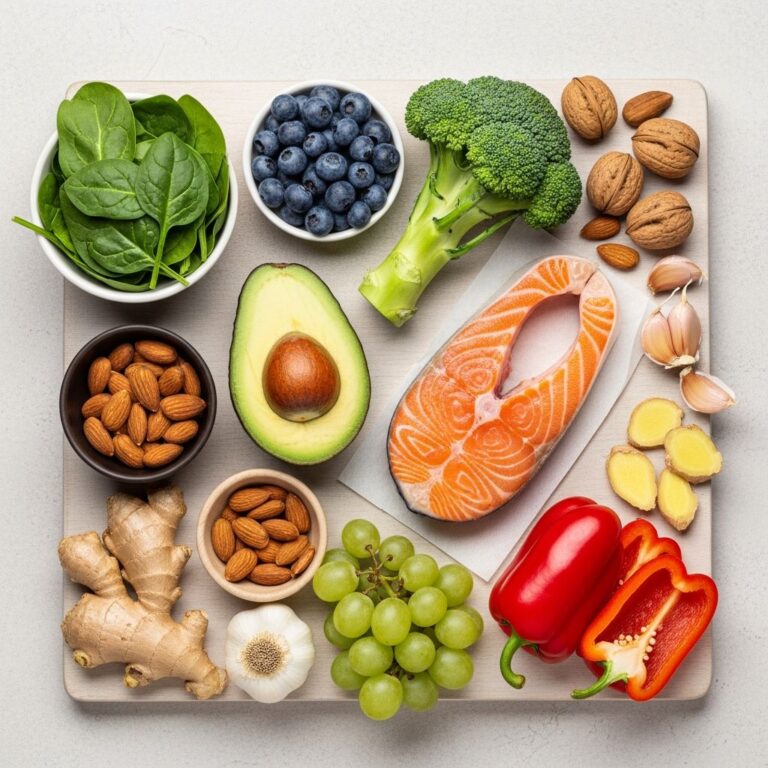
- Protein: Chicken, eggs, whey (20-40g/meal)
- Carbs: Oats, rice for glycogen
- Fats: Avocados, nuts for testosterone
- Calories: 250-500 surplus/day
Timing: Protein post-workout enhances repair. Hydration supports sarcoplasmic expansion.
Common Mistakes to Avoid
- Neglecting progression: Muscles adapt; change variables.
- Overtraining: Allow 48h recovery per group.
- Low volume: Below 10 sets/week limits growth.
- Poor form: Risks injury, reduces stimulus.
- Inadequate nutrition: No surplus = no growth.
Hypertrophy for Beginners vs. Advanced
Beginners gain from any resistance (neural + hypertrophy). Advanced need higher volume, periodization. Older adults favor lighter loads for sustainability.
Frequently Asked Questions
What is the best rep range for hypertrophy?
8-12 reps is traditional, but 6-30 reps at 30%+ 1RM to failure yields similar growth.
How often should I train for hypertrophy?
2-3 times per muscle group weekly, with progressive overload.
Do I need heavy weights for muscle growth?
No; moderate/light loads work if volume and effort match.
How long until I see hypertrophy results?
4-8 weeks with consistency; plateaus require program changes.
Is cardio bad for hypertrophy?
Moderate cardio aids recovery; excessive interferes with volume.
What’s the role of sleep in muscle growth?
7-9 hours nightly for hormone release and repair.
This guide synthesizes evidence-based strategies for hypertrophy. Consult professionals for personalized plans.
References
- How You Can Use Hypertrophy to Grow Your Muscles — Men’s Health. 2024. https://www.menshealth.com/fitness/a64068496/what-is-hypertrophy-muscle-growth-explained/
- Loading Recommendations for Muscle Strength, Hypertrophy — National Institutes of Health (PMC). 2021-03-05. https://pmc.ncbi.nlm.nih.gov/articles/PMC7927075/
- Hypertrophy Training vs. Strength Training: Pros and Cons — Healthline. 2023. https://www.healthline.com/health/exercise-fitness/hypertrophy-vs-strength
- What Is Hypertrophy Training? Train To Maximize Gains — Gymshark. 2024. https://www.gymshark.com/blog/article/hypertrophy-training
- Muscular hypertrophy: Definition, causes, and how to achieve it — Medical News Today. 2023. https://www.medicalnewstoday.com/articles/muscle-hypertrophy
Similar Articles








Read full bio of medha deb