Hyperuricemia: Causes, Symptoms, Treatment & Prevention
Complete guide to understanding hyperuricemia, its causes, symptoms, and effective treatment options.
Hyperuricemia is a medical condition characterized by elevated levels of uric acid in your bloodstream. It’s an increasingly common health concern that often goes undetected until it causes more serious complications like gout or kidney stones. Understanding this condition is essential for early detection and effective management. This comprehensive guide covers everything you need to know about hyperuricemia, from its causes and symptoms to diagnosis and treatment options.
What Is Hyperuricemia?
Hyperuricemia refers to the presence of high levels of uric acid in your blood. Uric acid is a waste product created when your body metabolizes chemicals called purines found in food and beverages. Normally, uric acid dissolves in your blood, travels through your kidneys, and exits your body through urine. However, when too much uric acid remains in your body instead of being eliminated, hyperuricemia develops.
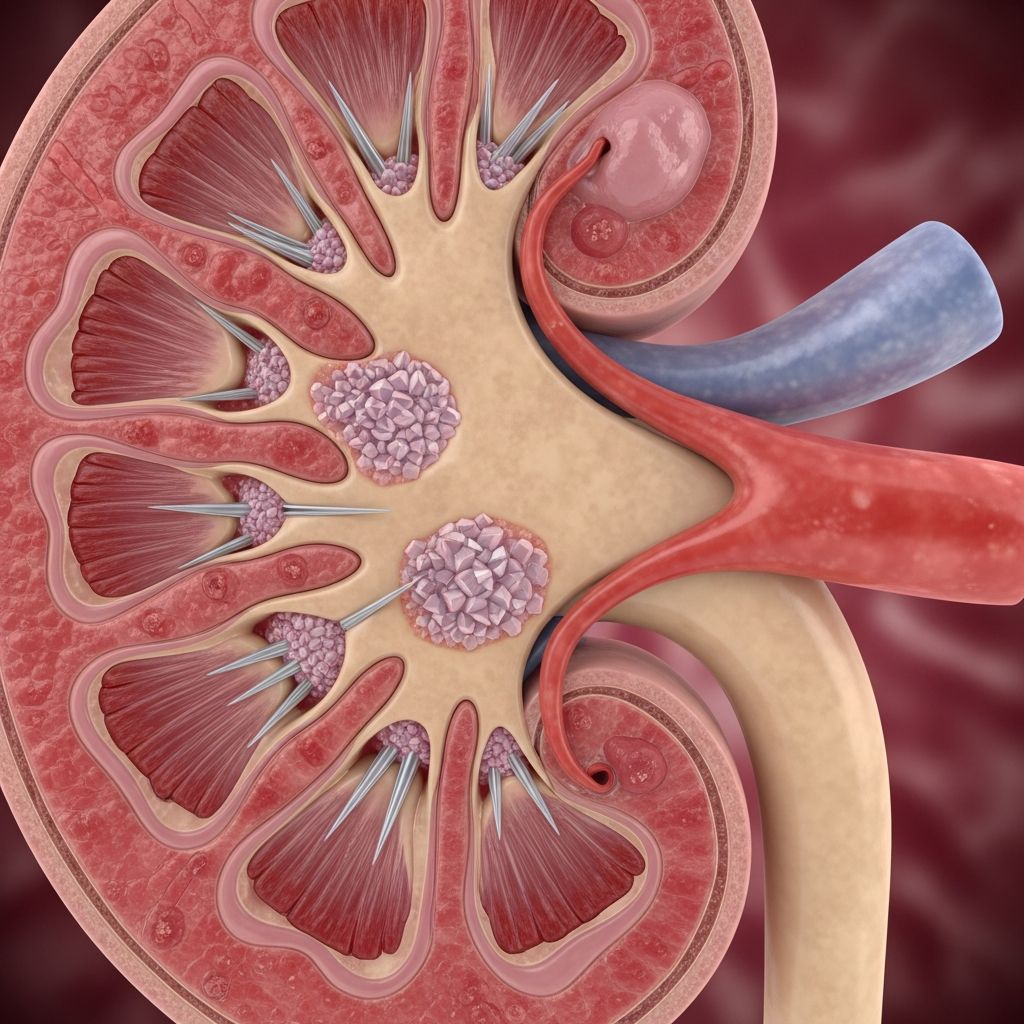
When uric acid levels become excessively high, the uric acid can crystallize and form sharp, needle-like crystals. These crystals tend to accumulate in your joints, leading to a painful inflammatory condition called gout. Additionally, excess uric acid can build up in your kidneys and form painful kidney stones that may require medical intervention.
The condition is defined medically as a serum uric acid level greater than 7.0 mg/dL. However, biologically significant hyperuricemia occurs when serum urate levels exceed urate solubility at approximately 6.8 mg/dL, which is when crystal formation becomes possible.
How Common Is Hyperuricemia?
Hyperuricemia is very common in the general population. Many people have elevated uric acid levels without experiencing any symptoms or complications. The condition is typically discovered accidentally during blood tests or after it has progressed enough to cause noticeable symptoms like gout attacks or kidney stone formation.
Research indicates that among patients with serum uric acid levels between 7 and 7.9 mg/dL, approximately 12% will develop gout over a 14-year period. The initial gout episode usually occurs after decades of asymptomatic hyperuricemia, meaning many people live with the condition unaware for years before symptoms emerge.
Understanding Uric Acid and Purine Metabolism
To understand hyperuricemia, it’s important to grasp how uric acid is produced in your body. Uric acid is a byproduct of purine metabolism. Purines are naturally occurring compounds found in various foods and drinks, as well as produced by your body during normal cellular processes. When your body breaks down these purines through digestion and cell turnover, uric acid is generated as a waste product.
In healthy individuals, the kidneys effectively filter excess uric acid from the bloodstream and eliminate it through urine. However, several factors can disrupt this delicate balance, leading to uric acid accumulation. The condition can result from either underexcretion of uric acid by the kidneys or overproduction of uric acid by your body, or a combination of both mechanisms.
Related Stories



Causes of Hyperuricemia
Hyperuricemia can develop through multiple pathways. Understanding the underlying cause is crucial for effective long-term management and prevention of complications.
Dietary Factors
Your diet plays a significant role in uric acid levels. Consuming foods and beverages high in purines can substantially increase uric acid production. High-purine foods include red meat, organ meats, certain seafood, and sugary beverages. Additionally, excessive alcohol consumption, particularly beer, interferes with your kidneys’ ability to eliminate uric acid and simultaneously boosts uric acid production.
Medical Conditions
Several health conditions can increase your risk of hyperuricemia. These include diabetes, which impairs kidney function and reduces uric acid clearance, hypertension, lipid abnormalities, and metabolic syndrome. Research has also shown associations between high uric acid levels and other conditions including heart disease, stroke, and preeclampsia in pregnant women.
Medications
Certain medications can elevate uric acid levels as a side effect. These include drugs that suppress the immune system (often prescribed after organ transplants or for autoimmune conditions), diuretics used for blood pressure management, and some cancer medications. If you’re taking medications that may affect uric acid levels, discuss this with your healthcare provider.
Genetic Factors
Hyperuricemia has a strong genetic component. Renal transporter function, controlled by genetic factors as well as drugs and electrolytes circulating in the serum, determines how efficiently your kidneys excrete uric acid. In approximately 90% of patients with hyperuricemia, impaired renal transporter function is the primary factor contributing to elevated uric acid levels.
Other Contributing Factors
Additional factors that can increase your risk include obesity, dehydration, high blood sugar levels, and excessive fructose consumption. Chronic conditions affecting kidney function also significantly impact your body’s ability to manage uric acid properly.
Risk Groups for Hyperuricemia
While hyperuricemia can affect anyone, certain populations are at higher risk of developing the condition:
– Men: Males are more likely to develop hyperuricemia than premenopausal women- Post-menopausal women: Uric acid levels typically increase after menopause- People with family history: Genetic predisposition plays a significant role- Individuals with metabolic disorders: Including diabetes and hypertension- Those with kidney disease: Impaired kidney function reduces uric acid excretion- Chronic alcohol users: Regular alcohol consumption elevates uric acid production- Obese individuals: Weight management is linked to uric acid regulation- People taking certain medications: Including immunosuppressants and diuretics
Symptoms and Complications of Hyperuricemia
Asymptomatic Nature
One of the most challenging aspects of hyperuricemia is that it typically doesn’t cause noticeable symptoms. Most people with elevated uric acid levels remain completely unaware of their condition unless blood tests reveal elevated levels. This asymptomatic period can last for years or even decades, during which uric acid crystals silently accumulate in joints and tissues.
Acute Complications: Gout
The most common symptomatic manifestation of hyperuricemia is gout, a painful form of inflammatory arthritis. Gout occurs when uric acid crystals settle in joints, triggering an intense inflammatory response. Gout attacks typically cause severe pain, swelling, redness, and warmth in affected joints, most commonly the big toe. Attacks can be debilitating and may last several days to weeks.
Kidney Stones
Excess uric acid can accumulate in your kidneys, forming painful kidney stones. These stones can cause intense pain during urination, blood in urine, nausea, and vomiting. Some kidney stones pass naturally, while others may require medical intervention or surgical removal if they’re too large, block urine flow, or cause infection.
Chronic Complications
Untreated hyperuricemia can eventually lead to permanent damage in various organs and tissues. Chronic uric acid crystal deposition can cause persistent joint damage, chronic pain, and progressive arthritis. Long-term complications may also include kidney damage, leading to chronic kidney disease or renal failure.
Associated Health Conditions
Research has identified links between high uric acid levels and various other health conditions, including cardiovascular disease, hypertension, metabolic syndrome, and type 2 diabetes, though direct causation hasn’t been definitively established for all conditions.
Diagnosis of Hyperuricemia
Blood Testing
Healthcare providers diagnose hyperuricemia primarily through a blood test that measures uric acid concentration in your bloodstream. A serum uric acid level greater than 7.0 mg/dL is typically considered elevated. However, your doctor may interpret results in context with your symptoms and medical history, as some individuals with levels just above 7.0 mg/dL may not require immediate treatment.
24-Hour Urine Test
To determine whether your hyperuricemia results from uric acid underexcretion or overproduction, your healthcare provider may recommend a 24-hour urine test. This test measures the amount of uric acid your body excretes over a full day. Excessive uric acid excretion is defined as more than 1 gram per 24 hours. This distinction is important because it helps guide treatment decisions, particularly regarding whether to prescribe medications like allopurinol that decrease uric acid production.
Additional Evaluation
Your doctor may order additional tests to evaluate kidney function and check for complications. Imaging studies might be performed if kidney stones are suspected, and joint imaging may be done if gout is present.
Treatment Options for Hyperuricemia
Asymptomatic Hyperuricemia Management
If you have elevated uric acid levels but aren’t experiencing any symptoms, you may not require immediate treatment. However, your healthcare provider will recommend regular blood tests to monitor your uric acid levels and watch for any changes. Management typically focuses on lifestyle modifications and dietary adjustments to prevent symptoms from developing.
Some clinicians recommend treatment when uric acid levels reach 12-13 mg/dL in men or 10 mg/dL in women, even without symptoms, due to the increased risk of complications.
Dietary Management
The most effective non-pharmaceutical approach to managing hyperuricemia is adopting a low-purine diet. This involves limiting foods and beverages high in purines:
– Red meat and organ meats (liver, kidney, brain)- Certain seafood (anchovies, sardines, shellfish)- Sugary beverages and high-fructose drinks- Alcohol, especially beer- High-fat dairy products- Processed foods
Conversely, low-purine foods that are generally safe to consume include most vegetables, whole grains, low-fat dairy products, eggs, and nuts. Proper hydration is also essential, as drinking adequate water helps your kidneys eliminate uric acid more efficiently.
Lifestyle Modifications
Beyond diet, several lifestyle changes can help manage hyperuricemia:
– Maintaining a healthy weight through regular exercise- Limiting alcohol consumption- Staying well-hydrated by drinking plenty of water- Managing stress effectively- Treating underlying conditions like diabetes and hypertension- Avoiding dehydration, which concentrates uric acid in the blood
Pharmaceutical Treatment
When lifestyle modifications alone are insufficient, healthcare providers may prescribe medications to lower uric acid levels. These medications work through different mechanisms:
Urate-Lowering Medications: Allopurinol is commonly prescribed to reduce uric acid production by inhibiting the enzyme xanthine oxidase. Febuxostat is an alternative that works similarly. Uricosuric agents like probenecid help increase uric acid excretion through the kidneys, though they may increase the risk of kidney stones and are typically paired with adequate hydration.
Acute Attack Management: During gout flares, over-the-counter nonsteroidal anti-inflammatory drugs (NSAIDs) can relieve pain and inflammation. Prescription medications like colchicine prevent gout attacks by reducing inflammation, while corticosteroids provide additional anti-inflammatory benefits. These acute treatments are used alongside long-term urate-lowering therapy.
Kidney Stone Treatment
For uric acid kidney stones, increased hydration and dietary modifications often help stones pass naturally. If a stone is too large to pass, blocks urine flow, causes infection, or creates severe pain, surgical removal may be necessary. Your urologist can discuss the most appropriate intervention based on your specific situation.
Monitoring and Follow-Up Care
If you have hyperuricemia, regular monitoring is essential. Your healthcare provider will recommend periodic blood tests to track your uric acid levels and assess whether current treatment is effective. Some patients experience only temporarily elevated uric acid levels that normalize with lifestyle changes, while others require long-term management.
Contact your healthcare provider if you experience new symptoms, particularly pain during urination, which may indicate kidney stone formation, or sudden joint swelling and pain, which may signal a gout attack. Early intervention can prevent complications and improve outcomes.
When to Seek Medical Attention
Consult a healthcare provider if you:
– Develop sudden, severe joint pain and swelling- Experience persistent pain during urination- Have blood in your urine- Develop fever along with joint symptoms- Have a family history of gout or kidney stones- Are taking medications known to increase uric acid levels- Have underlying conditions like diabetes or hypertension
Frequently Asked Questions About Hyperuricemia
Q: What is the normal uric acid level?
A: Normal serum uric acid levels are typically below 7.0 mg/dL for both men and women, though some variation exists depending on the laboratory. Biologically significant hyperuricemia occurs around 6.8 mg/dL when crystal formation becomes possible.
Q: Can hyperuricemia be cured?
A: Hyperuricemia is highly treatable but not always curable in the traditional sense. Most people can effectively manage their uric acid levels through dietary changes, lifestyle modifications, and medications when necessary. Some individuals may maintain normal levels long-term with consistent management.
Q: Is hyperuricemia the same as gout?
A: No, they are related but different. Hyperuricemia is the presence of high uric acid in your blood, while gout is the symptomatic manifestation that occurs when uric acid crystals form in joints. You can have hyperuricemia without ever developing gout.
Q: How long does it take for symptoms to develop?
A: There’s no fixed timeline. Many people have asymptomatic hyperuricemia for decades before symptoms appear. Initial gout episodes often follow years or decades of elevated uric acid levels.
Q: Can I prevent hyperuricemia if it runs in my family?
A: While genetic factors play a significant role, you can reduce your risk through lifestyle modifications including maintaining a healthy weight, limiting purine-rich foods and alcohol, staying hydrated, and managing underlying health conditions.
Q: What foods should I avoid if I have hyperuricemia?
A: Limit red meat, organ meats, certain seafood, sugary beverages, alcohol (especially beer), and processed foods. Focus on vegetables, whole grains, low-fat dairy, and maintaining adequate hydration.
Q: Can hyperuricemia cause kidney damage?
A: Yes, untreated hyperuricemia can eventually lead to permanent kidney damage, kidney stones, and potentially chronic kidney disease or renal failure if not managed properly.
Q: How often should I get blood tests if I have hyperuricemia?
A: Your healthcare provider will determine the appropriate testing schedule based on your uric acid levels, symptoms, and treatment regimen. This typically ranges from annually to every few years for stable patients.
References
- Hyperuricemia (High Uric Acid Level): Symptoms, Causes & Treatment — Cleveland Clinic. 2023-07-17. https://my.clevelandclinic.org/health/diseases/17808-hyperuricemia-high-uric-acid-level
- Asymptomatic hyperuricemia: To treat or not to treat — Cleveland Clinic Journal of Medicine. 2002. https://www.ccjm.org/content/ccjom/69/8/594.full.pdf
- Managing Hyperuricemia — Cleveland Clinic. https://my.clevelandclinic.org/health/treatments/22548-gout-low-purine-diet
- Gout Tophi (Tophus): What It Is, Causes, Treatment & Removal — Cleveland Clinic. https://my.clevelandclinic.org/health/symptoms/gout-tophi-tophus
- Clinical manifestations of hyperuricemia and gout — PubMed/National Center for Biotechnology Information. 2008. https://pubmed.ncbi.nlm.nih.gov/18822469/
- Gout (Low Purine) Diet: Best Foods to Eat & What to Avoid — Cleveland Clinic. https://my.clevelandclinic.org/health/treatments/22548-gout-low-purine-diet
Similar Articles








Read full bio of medha deb