Hypervigilance: Signs, Causes, And Effective Management
Understanding hypervigilance: symptoms, causes, effects, and strategies for managing this heightened state of alertness in everyday life.
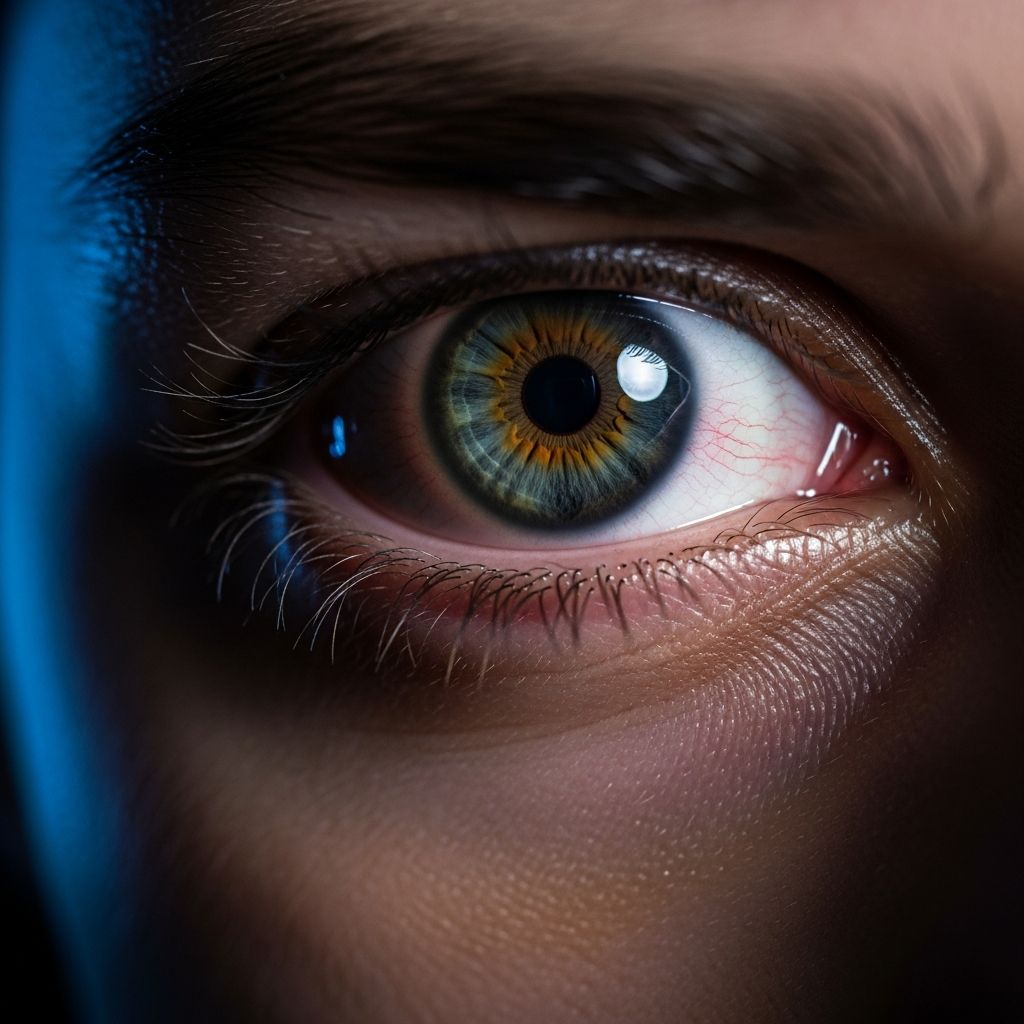
Hypervigilance is a heightened state of sensory sensitivity and alertness accompanied by heightened arousal and a state of preparedness for flight or fight. It is a psychological phenomenon where individuals experience an excessive focus on potential threats in their environment, often stemming from trauma, anxiety, or chronic stress. While adaptive in short bursts for survival, chronic hypervigilance can lead to exhaustion, impaired cognitive function, and physical health issues like elevated blood pressure.
What Is Hypervigilance?
Hypervigilance refers to a constant scanning of the environment for dangers, even in safe situations. It activates the body’s fight-or-flight response, involving the amygdala, which heightens emotional processing and prepares for immediate action. Physiologically, this results in increased heart rate, blood pressure, dilated pupils, and muscle tension as blood is diverted to essential areas for quick response. According to research, hypervigilance is measured using validated tools like the Brief Hypervigilance Scale, where scores in the highest quartile (mean 88.2 out of 100) indicate severe levels associated with clinical PTSD.
This state suppresses logical decision-making in the frontal cortex due to hormone floods, leading to overanalysis of social cues, such as subtle changes in tone or body language. Common in survivors of abuse or violence, it can create a false sense of predictive ability, fostering assumptions and worst-case scenarios.
Symptoms of Hypervigilance
Symptoms manifest across physical, emotional, behavioral, and cognitive domains, creating a pervasive sense of unease. Individuals often feel perpetually “on guard,” with their nervous system in overdrive.
- Physical symptoms: Increased heart rate, elevated blood pressure (e.g., 8.6 mmHg higher systolic BP in high hypervigilance groups), rapid breathing, sweating, muscle tension, fatigue from constant arousal, and sleep disturbances like insomnia.
- Emotional symptoms: Chronic anxiety, irritability, exaggerated startle response to noises or movements, feeling overwhelmed, and emotional dysregulation.
- Behavioral symptoms: Avoidance of perceived threats (people, places), hyper-scanning environments, overanalyzing interactions (e.g., texts, facial expressions), and difficulty relaxing.
- Cognitive symptoms: Intrusive thoughts about dangers, concentration difficulties, memory impairment, attentional bias toward threats, and heightened sensitivity to stimuli.
These symptoms can restrict daily life, limiting social interactions and productivity. For instance, a meta-analysis links hypervigilance in PTSD to suppressed attentional control via emotional Stroop tasks.
Causes of Hypervigilance
Hypervigilance arises from the brain’s stress response to perceived or real threats, often triggered by trauma that alters threat processing. It serves as a survival mechanism but becomes maladaptive when persistent.
- Trauma and PTSD: Core cause, especially from life-threatening events like violence or abuse. Exposure to police violence increases hypervigilance scores by 9.8 points (on a 100-point scale), twice that of community violence (5.5 points). Traumatic police stops correlate with a 20-point rise.
- Anxiety disorders: Looming threats keep the amygdala hyperactive, creating ongoing alertness.
- Childhood adversity: Abuse or neglect wires the brain for constant vigilance.
- Environmental factors: Living in high-crime urban areas or repeated violence exposure.
- Other conditions: ADHD, schizophrenia, or chronic pain can amplify it.
Related Stories



Neurologically, it involves overreactivity in threat-detection brain regions and autonomic arousal.
Effects and Health Impacts
Chronic hypervigilance maintains anxiety cycles: heightened threat detection fuels more anxiety. It impairs emotional regulation, cognition, and increases allostatic load via adrenal overstimulation.
| Domain | Impacts | Evidence |
|---|---|---|
| Physical Health | Higher systolic BP (8.6 mmHg increase), hypertension risk, exhaustion | |
| Mental Health | PTSD maintenance, anxiety disorders, memory issues | |
| Social/Behavioral | Avoidance, relationship strain, overanalysis | |
| Cognitive | Attentional bias, poor focus, Stroop interference |
In urban minorities, police violence links to hypervigilance, potentially escalating encounters and contributing to health disparities.
How to Manage Hypervigilance
Management involves therapy, lifestyle changes, and self-help to downregulate the nervous system. Professional help is crucial for underlying conditions.
- Therapy: Cognitive Behavioral Therapy (CBT) rewires threat perceptions; Eye Movement Desensitization and Reprocessing (EMDR) processes trauma.
- Mindfulness and grounding: Techniques like 5-4-3-2-1 sensory exercise reduce hyperarousal.
- Physical activity: Exercise discharges stress hormones; yoga promotes relaxation.
- Sleep hygiene: Consistent routines combat insomnia.
- Medication: SSRIs or anti-anxiety meds for co-occurring disorders, under medical supervision.
- Social support: Building safe relationships counters isolation.
Progress requires patience; tracking symptoms in a journal aids therapy.
When to Seek Professional Help
Seek help if hypervigilance disrupts sleep, work, relationships, or causes panic. Signs include persistent physical symptoms, avoidance limiting life, or suicidal thoughts. Therapists specializing in trauma use scales like the Brief Hypervigilance Scale for assessment. Early intervention prevents chronicity and health complications like hypertension.
Frequently Asked Questions (FAQs)
What is hypervigilance a symptom of?
Hypervigilance is a symptom of PTSD, anxiety disorders, trauma, and sometimes ADHD or chronic stress.
Can hypervigilance cause high blood pressure?
Yes, high hypervigilance scores correlate with an 8.6 mmHg increase in systolic blood pressure.
How do you treat hypervigilance?
Treatment includes CBT, EMDR, mindfulness, exercise, and medications for underlying conditions.
Is hypervigilance the same as anxiety?
No, it’s a specific heightened alertness often within anxiety or PTSD, involving constant environmental scanning.
Can hypervigilance go away on its own?
It may lessen with safety but often requires therapy if trauma-related.
References
- Keeping Your Guard Up: Hypervigilance Among Urban Residents … — Health Affairs (via PMC). 2020-05-21. https://pmc.ncbi.nlm.nih.gov/articles/PMC7263347/
- Always on Alert: Causes and Examples of Hypervigilance — Cleveland Clinic. 2023-03-21. https://health.clevelandclinic.org/hypervigilance
- Understanding Hypervigilance and its Effects on Mental Health — Grow Therapy. Recent (post-2023). https://growtherapy.com/blog/hypervigilance-symptoms-causes-and-treatments/
- What Is Hypervigilance? Symptoms, Causes, and Treatment — GoodRx. Recent. https://www.goodrx.com/health-topic/mental-health/what-causes-hypervigilance-symptoms
- What Is Hypervigilance and What Causes It? — Psych Central. Recent. https://psychcentral.com/health/hypervigilance
- Hypervigilance: Symptoms, Causes, Treatment — Healthline. 2023-03-21. https://www.healthline.com/health/hypervigilance
Similar Articles








Read full bio of medha deb