Hyphema: Bleeding in the Eye – Causes, Symptoms & Treatment
Understanding hyphema: Learn about causes, symptoms, grades, and emergency treatment options for bleeding in the eye.
Understanding Hyphema: Bleeding in Your Eye
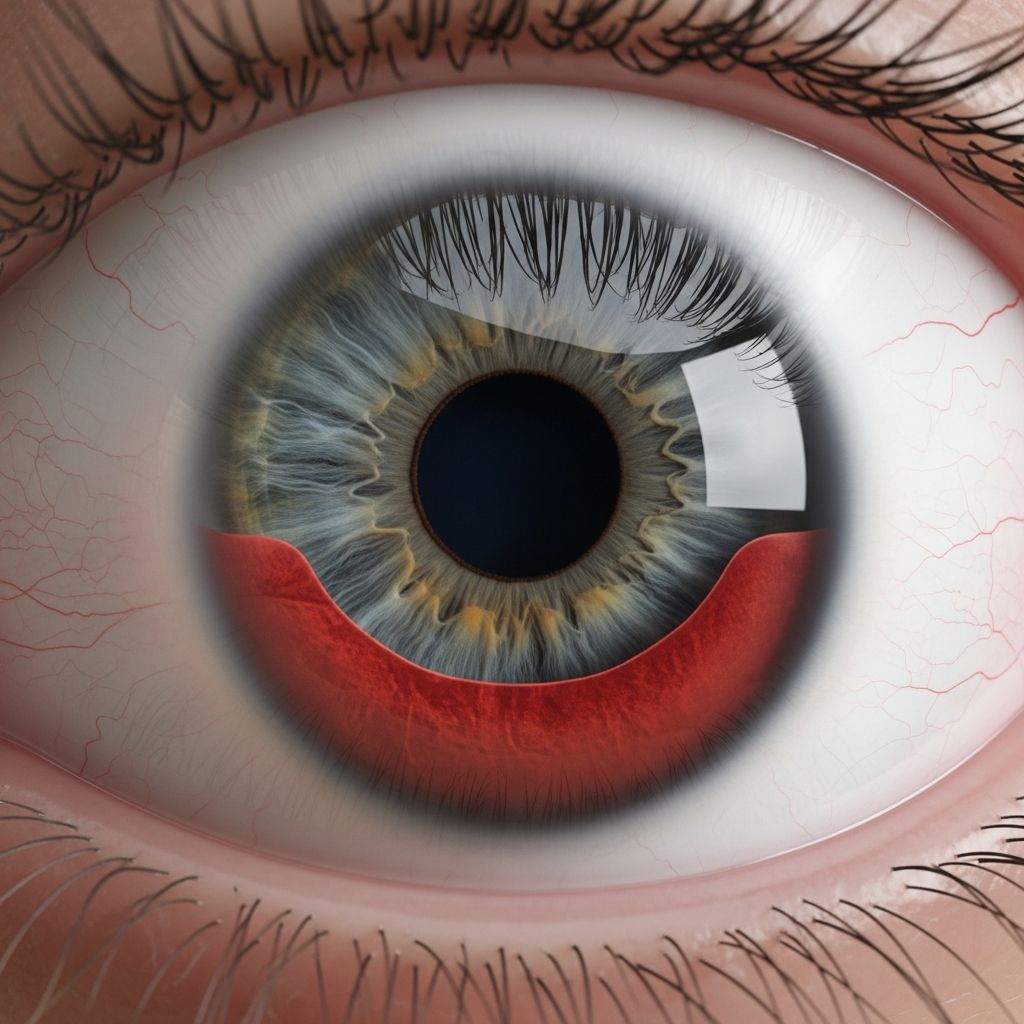
Hyphema is a medical condition characterized by blood collecting in the front (anterior) chamber of your eye, specifically in the space directly in front of your iris. While this condition may appear alarming, particularly if you notice visible blood in your eye, prompt medical care can help prevent serious complications and protect your vision. Most cases of hyphema respond well to conservative treatment with medications and rest, though some severe cases may require surgical intervention.
When blood accumulates in this anterior chamber, it can create a distinctive appearance. Small hyphemas may only be visible during a professional eye examination, while medium-sized hyphemas are observable without special tools and typically appear layered, with older, darker blood settling at the bottom and newer, brighter blood at the top.
What Is Hyphema?
Hyphema represents a specific type of eye bleeding where blood pools in the anterior chamber—the space between your cornea and iris. This differs from other eye conditions like subconjunctival hemorrhage, which involves broken blood vessels in the whites (sclera) of your eye. The key distinction is that hyphema causes significant eye pain and can affect your vision, whereas subconjunctival hemorrhage typically does not cause pain, though both conditions can occur simultaneously following an injury or trauma.
In severe cases, when the entire front part of the eye fills with blood, medical professionals refer to this as an “eight-ball hyphema” because the eye can appear black in color.
Symptoms of Hyphema
Recognizing the symptoms of hyphema is crucial for seeking timely emergency medical care. The following symptoms should prompt immediate attention:
– Eye pain or discomfort- Blurred or reduced vision- Blood visible in the eye- Light sensitivity (photophobia)- Vision changes or reddish tint to vision- Partial or complete vision loss in the affected eye- Eyelid swelling (common after injuries causing hyphema, though not a direct symptom of hyphema itself)
If you experience any of these symptoms following an eye injury, you should seek care at the nearest emergency room immediately.
Causes and Risk Factors
Common Causes of Hyphema
Hyphema commonly develops from various eye injuries, eye diseases, and medical conditions. The primary causes include:
– Blunt or penetrating eye trauma from sports injuries, falls, or accidents- Eye injuries from BB guns or similar projectiles- Fights or altercations involving the eye area- Eye surgery complications- Underlying eye diseases affecting blood vessel integrity- Medical conditions causing abnormal bleeding or blood clotting issues
Approximately 70% of hyphema cases occur in children and are frequently caused by sports injuries, falls, fights, or BB gun accidents.
Related Stories



Medical Conditions and Disease-Related Causes
Several systemic diseases increase the risk of developing hyphema:
– Hemophilia and other blood clotting disorders- Sickle cell disease or sickle cell trait- Leukemia and other blood disorders- Von Willebrand disease- Diabetes, particularly when new abnormal blood vessels grow in the iris- Tumors in the eye
Sickle cell disease is particularly significant, affecting up to 10% of people of African descent. This condition increases hyphema severity because sickle cell disease causes red blood cells to take on a sickle-like shape, making them more prone to getting stuck and clogging the anterior chamber’s drainage routes.
Risk Factors
The two main risk factors for hyphema are eye injuries and underlying blood disorders. Additionally, certain medications can increase hyphema risk, including blood thinners like apixaban, which may lead to spontaneous hyphema without obvious trauma.
Hyphema Grading System
Eye care professionals classify hyphema based on the amount of bleeding present. Understanding the grading system helps determine treatment approaches and potential complications:
| Grade | Description | Severity Level |
|---|---|---|
| Grade 1 | Minimal bleeding with less than one-third of the anterior chamber filled with blood | Mild |
| Grade 2 | Bleeding fills between one-third and one-half of the anterior chamber | Moderate |
| Grade 3 | Bleeding fills between one-half and three-quarters of the anterior chamber | Moderate-to-Severe |
| Grade 4 | Complete filling of the anterior chamber with blood (eight-ball hyphema) | Severe |
Higher grades indicate more severe hyphema with increased risk of complications.
Complications Associated with Hyphema
While many hyphema cases resolve without lasting damage, several serious complications can develop if the condition is not properly treated:
– Elevated intraocular pressure (IOP), occurring in approximately 30% of hyphema cases- Glaucoma development from sustained pressure buildup- Optic nerve damage from prolonged high pressure- Permanent vision loss or blindness- Corneal blood staining- Anterior synechiae (iris adhesion to the cornea or lens)- Re-bleeding or secondary hemorrhage
The elevated intraocular pressure poses a significant risk for permanent vision loss if not quickly recognized and treated, particularly in emergency settings.
Diagnosis and Examination
A thorough eye examination by an ophthalmologist is essential for proper hyphema diagnosis and management. During examination, your eye care specialist will:
– Assess the extent of blood accumulation- Measure intraocular pressure using tonometry- Grade the hyphema severity- Check visual acuity- Evaluate for associated injuries or complications- Perform imaging if necessary to rule out vitreous hemorrhage or other conditions
Treatment Options for Hyphema
Conservative Treatment Approaches
When hyphema is lower grade and without severe complications, conservative treatments are typically the primary approach. These treatments do not cure hyphema but prevent or reduce the risk of severe complications.
At-Home Conservative Treatments:
– Complete rest and activity restriction to prevent re-injury- Eye patching for several days to protect the eye from further trauma- Head elevation using extra pillows or bed adjustments to facilitate blood drainage- Prescription eye drops for pain relief and swelling reduction- Avoiding aspirin and ibuprofen, which may worsen bleeding- Limiting physical exertion and strenuous activities
The first five days following hyphema development are most critical, as you face higher risk of re-aggravating the eye, which can cause bleeding to restart and lead to serious complications including permanent vision loss.
Medical Interventions
Your healthcare provider may recommend medications to manage pressure and prevent complications:
– Topical corticosteroid eye drops to reduce inflammation- Intraocular pressure-lowering medications (glaucoma drugs)- Cycloplegic agents to relax the ciliary muscle- Systemic medications for elevated pressure if necessary
Surgical Treatment
Only approximately 5% of people with hyphema require surgery. Surgical intervention becomes necessary when:
– Severe bleeding and intraocular pressure do not improve within 24 hours- Symptoms are severe enough to risk permanent eye damage- Conservative measures fail to control complications- Vision-threatening pressure levels persist
Surgical procedures may include anterior chamber washout or other specialized techniques to remove blood and restore normal drainage.
Recovery Timeline and Prognosis
Most people recover from hyphema within approximately five to seven days when receiving appropriate conservative treatment and proper care. Complete recovery depends on various factors, including:
– Hyphema severity and grade- Prompt initiation of treatment- Compliance with activity restrictions- Absence of complications- Underlying health conditions- Proper medication use
With prompt medical care, most hyphema cases can be managed successfully, helping individuals avoid complications and preserve vision.
When to Seek Immediate Medical Attention
After receiving initial hyphema treatment, certain signs and symptoms warrant immediate medical attention:
– Sudden increase in eye pain despite treatment- Dramatic vision changes or complete vision loss- Eye pressure elevation or pain suggesting glaucoma- Persistent bleeding or re-bleeding- Signs of infection such as discharge or increasing swelling- Any concerning symptoms your provider instructed you to watch for
Prevention Strategies
While spontaneous hyphemas happen unpredictably and without obvious injury or cause, making prevention impossible in those cases, you can reduce traumatic hyphema risk through:
– Wearing appropriate eye protection during sports and recreational activities- Using safety glasses in hazardous environments- Following workplace safety protocols- Properly securing potentially dangerous items- Avoiding high-risk behaviors- Using protective eyewear when operating power tools or equipment
Frequently Asked Questions About Hyphema
Q: What does hyphema look like compared to other eye bleeding conditions?
Hyphema involves blood pooling where your iris (eye color) is located, in the anterior chamber. This differs from subconjunctival hemorrhage, which appears as blood in the whites of the eye. Hyphema typically causes pain, while subconjunctival hemorrhage does not, though both can occur simultaneously after injuries.
Q: Can hyphema cause blindness?
Yes, severe untreated hyphema could cause blindness in the affected eye, particularly when elevated intraocular pressure damages the optic nerve. However, most people recover completely with prompt treatment.
Q: Is hyphema always caused by injury?
No. While injuries are the most common cause, spontaneous hyphema can occur without obvious trauma, particularly in individuals taking blood-thinning medications or those with bleeding disorders.
Q: How quickly should I seek medical care for suspected hyphema?
Hyphema is a medical emergency requiring immediate care. Seek emergency medical attention as soon as you notice symptoms or suspect hyphema.
Q: Why is sickle cell disease significant for hyphema?
Sickle cell disease makes hyphema worse because it causes red blood cells to become sickle-shaped, making them more prone to getting stuck and clogging the eye’s drainage routes, potentially leading to elevated intraocular pressure.
Q: What activities should I avoid during hyphema recovery?
During the critical first five days, avoid strenuous activities, heavy lifting, and any activity that could cause re-injury to the eye. Follow your provider’s specific restrictions.
Conclusion
Hyphema represents a serious eye condition requiring prompt medical evaluation and treatment. While this condition can appear frightening when you notice blood in your eye, immediate professional care significantly improves outcomes and reduces complications. Most people recover successfully with conservative treatments including rest, medications, and activity restrictions. Understanding the symptoms, causes, and treatment options empowers you to respond appropriately if you or someone you care for experiences this condition. Always consult with your eye care specialist for personalized guidance regarding your specific situation and recovery needs.
References
- Hyphema (Bleeding in Eye): Diagnosis, Symptoms & Causes — Cleveland Clinic. 2024-08-01. https://my.clevelandclinic.org/health/diseases/22586-hyphema
- Can Your Eyes Change Color? — Cleveland Clinic Health. 2025. https://health.clevelandclinic.org/can-eye-color-change
- What Is Hyphema and How Is It Treated? — National Council of Ophthalmology. 2024. https://www.ncophth.com/blog/979284-july-newsletter-what-is-hyphema-and-how-is-it-treated/
- Spontaneous Hyphema and Vitreous Hemorrhage Causing Acute Glaucoma in a Patient on Anticoagulation Therapy — National Center for Biotechnology Information (PubMed). 2023. https://pubmed.ncbi.nlm.nih.gov/36863910/
- 10 Common Eye Injuries and How to Prevent Them — CareCredit Well-U. 2025. https://www.carecredit.com/well-u/health-wellness/preventing-common-eye-injuries/
- Eye Injury: Types, Causes, Prevention & Treatment — Cleveland Clinic. 2025. https://my.clevelandclinic.org/health/diseases/eye-injury
Similar Articles








Read full bio of medha deb