Hyphema: 4 Grades, Symptoms, Causes, And Treatment
Discover the causes, symptoms, diagnosis, and treatments for hyphema, the condition where blood accumulates in the eye's front chamber, and learn prevention strategies.
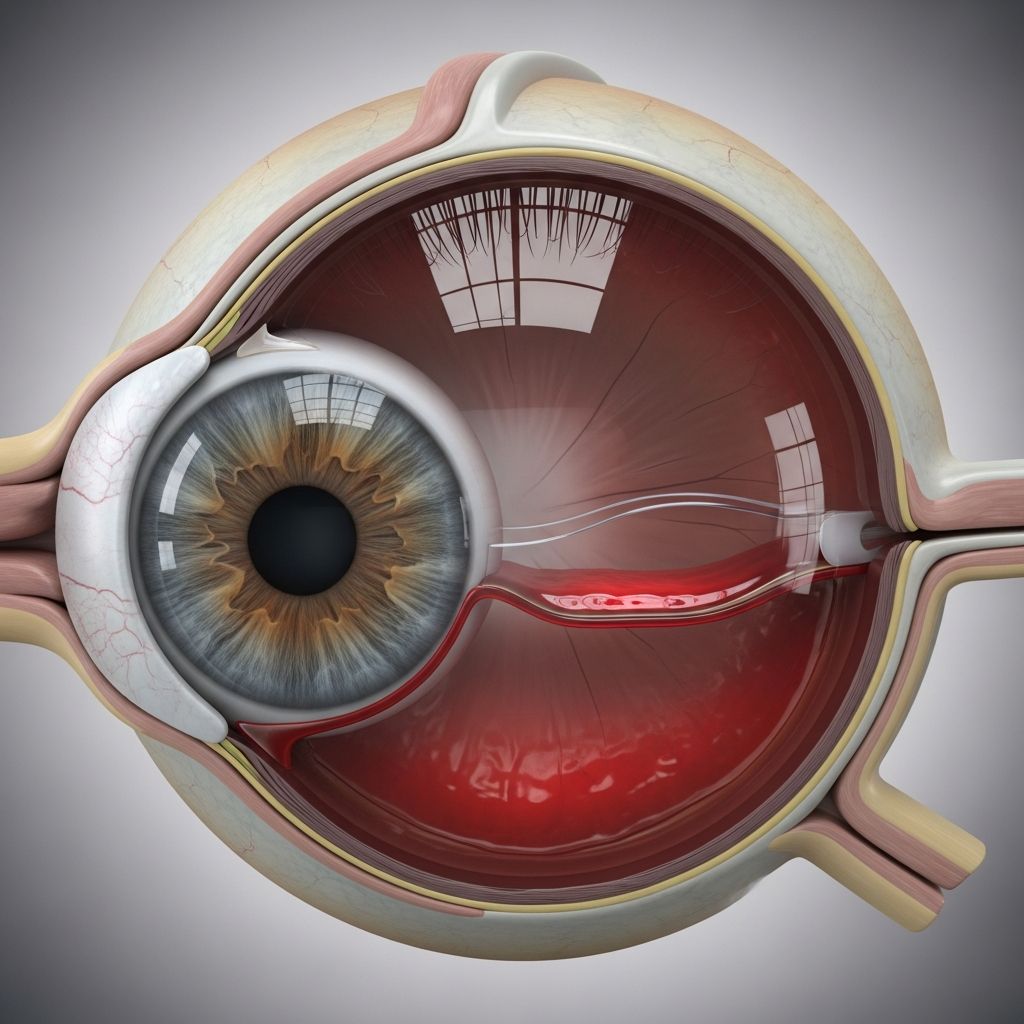
Hyphema refers to the accumulation of blood within the anterior chamber of the eye, the space between the cornea and the iris. This condition typically arises from trauma but can also stem from underlying medical issues, potentially leading to elevated intraocular pressure and vision impairment if not addressed promptly.
Understanding the Anatomy Involved
The anterior chamber is filled with aqueous humor, a clear fluid that nourishes eye structures and maintains pressure. When blood enters this space, it disrupts normal function, layering at the bottom due to gravity in an upright position. This layering can obscure vision and block fluid drainage, raising risks for complications.
Key structures affected include the iris, which controls light entry, and the trabecular meshwork, responsible for draining aqueous humor. Damage to iris or ciliary body vessels often initiates bleeding.
Primary Causes of Hyphema
Blunt trauma accounts for most cases, where compressive forces tear delicate vessels in the iris or ciliary body. Common scenarios include sports injuries, particularly in children, assaults, and vehicular accidents.
- Sports like baseball, hockey, or racket games pose high risks due to fast-moving objects.
- Assaults and falls are frequent in adults.
- Penetrating injuries, though less common, can also cause hyphema.
Non-traumatic causes involve medical conditions promoting vessel fragility or abnormal bleeding:
- Blood disorders: Hemophilia, von Willebrand disease, and sickle cell anemia impair clotting or alter red blood cell shape, worsening outcomes.
- Neovascularization: Driven by diabetes (diabetic retinopathy), retinal vascular occlusions, or ocular ischemic syndrome from carotid stenosis.
- Tumors: Iris melanoma, retinoblastoma, or juvenile xanthogranuloma.
- Inflammation: Anterior uveitis from herpes viruses or other infections.
- Medications: Anticoagulants like warfarin or aspirin increase bleeding risk.
Recognizing Hyphema Symptoms
Symptoms vary by severity but often include noticeable blood pooling, visible as a reddish layer at the iris base or fully obscuring the pupil in severe cases. Microhyphemas, with minimal blood, require specialized exams for detection.
| Symptom | Description | Associated Risks |
|---|---|---|
| Blurred or distorted vision | Blood interferes with light focusing on the retina. | Worsens in supine position. |
| Eye pain | Due to inflammation or pressure buildup. | Intensifies with high IOP. |
| Photophobia | Sensitivity to light from iris irritation. | Common in all grades. |
| Headache | Secondary to elevated pressure. | May include nausea if severe. |
| Anisocoria | Unequal pupil sizes from sphincter damage. | Indicates iris trauma. |
Eyelid swelling may accompany trauma but is not a direct hyphema symptom.
Grading the Severity of Hyphema
Hyphemas are graded by blood volume to predict complications:
- Grade I: Less than 1/3 chamber height; lowest risk.
- Grade II: 1/3 to 1/2 height; moderate risk.
- Grade III: 1/2 to almost total; higher pressure risk.
- Grade IV (8-ball): Total fill, dark/black appearance; severe, with toxic iron effects on cornea and meshwork.
Related Stories



Higher grades correlate with greater vision loss potential due to poor aqueous circulation and oxygenation.
Diagnostic Approaches
Diagnosis begins with ruling out open globe injuries via history, visual acuity, slit-lamp exam, and intraocular pressure measurement. Pupillary responses, extraocular motility, and gonioscopy assess angle damage.
- Slit-lamp reveals blood layering or microhyphema.
- Tonometry measures IOP; sickle cell patients need urgent checks due to sickling at lower pressures.
- Imaging like B-scan ultrasound if media opacity hinders views.
- Systemic evaluation for clotting disorders or sickle cell trait.
Treatment Strategies
Management focuses on protecting the cornea, reducing rebleeding (peaks days 2-5), and controlling IOP. Hospitalization is common for close monitoring, especially in children or high-risk cases.
- Positioning: Strict bed rest with head elevated 30-45 degrees to settle blood inferiorly.
- Eye Shield: Metal shield to prevent further trauma.
- Medications: Cycloplegics for comfort, topical steroids for inflammation, IOP-lowering agents like beta-blockers or carbonic anhydrase inhibitors. Avoid aspirin.
- Surgical Interventions: Anterior chamber washout for total hyphemas, clots blocking angle, or corneal staining. Trabeculectomy or tube shunts for persistent glaucoma.
Aqueous suppressants are cautious in sickle cell patients to avoid acidosis promoting sickling.
Potential Complications and Long-Term Effects
Untreated hyphema risks permanent damage:
- Secondary Glaucoma: Blood clogs trabecular meshwork; sickle cell exacerbates via rigid cells.
- Corneal Blood Staining: Prolonged blood stains endothelium, tinting vision reddish; resolves slowly.
- Rebleeding: Occurs in 5-35%, often worse than initial.
- Vision Loss: From optic neuropathy or retinal occlusion in severe IOP spikes.
Sickle cell patients face amplified risks even at moderate IOP due to vaso-occlusion.
Special Considerations for At-Risk Populations
Individuals with sickle cell disease or trait require aggressive management, including hyperosmotic agents, as low-oxygen anterior chamber conditions trigger sickling. Children, comprising 70% of sports-related cases, need protective eyewear.
Prevention Measures
Prevent hyphema by minimizing trauma:
- Wear polycarbonate goggles in sports.
- Use seatbelts and airbags in vehicles.
- Manage underlying conditions like diabetes to curb neovascularization.
- Avoid anticoagulants if high-risk without medical advice.
Frequently Asked Questions (FAQs)
What does hyphema look like?
It appears as a red or dark layer at the eye’s bottom, potentially obscuring the iris or pupil entirely.
Is hyphema an emergency?
Yes, seek immediate care to prevent complications like glaucoma.
How long does hyphema take to resolve?
Most clear in 5-7 days with treatment; total ones may need surgery.
Can hyphema cause permanent blindness?
Possible if complications like high IOP damage the optic nerve, especially in sickle cell cases.
What’s the difference between hyphema and subconjunctival hemorrhage?
Hyphema is internal anterior chamber bleeding with pain; subconjunctival is scleral, painless.
Monitoring and Follow-Up
Post-treatment, regular checks track IOP, rebleeding, and vision. Amblyopia screening in children is vital. Long-term, glaucoma surveillance may be needed.
References
- Hyphema: Causes, Symptoms, Diagnosis & Treatment — All About Vision. 2023. https://www.allaboutvision.com/conditions/hyphema/
- Hyphema — EyeWiki (American Academy of Ophthalmology). 2024-02-15. https://eyewiki.org/Hyphema
- Hyphema — MedlinePlus (U.S. National Library of Medicine). 2023-10-01. https://medlineplus.gov/ency/article/001021.htm
- Hyphema — StatPearls (NCBI Bookshelf, NIH). 2023-07-17. https://www.ncbi.nlm.nih.gov/books/NBK507802/
- Hyphema — Nationwide Children’s Hospital. 2024. https://www.nationwidechildrens.org/conditions/hyphema
- Hyphema (Bleeding in Eye): Diagnosis, Symptoms & Causes — Cleveland Clinic. 2023-11-20. https://my.clevelandclinic.org/health/diseases/22586-hyphema
Similar Articles








Read full bio of medha deb