Hypnosis as a Treatment for Skin Disorders
Explore how hypnosis effectively treats stress-related skin conditions like eczema, psoriasis, and warts through mind-body techniques.
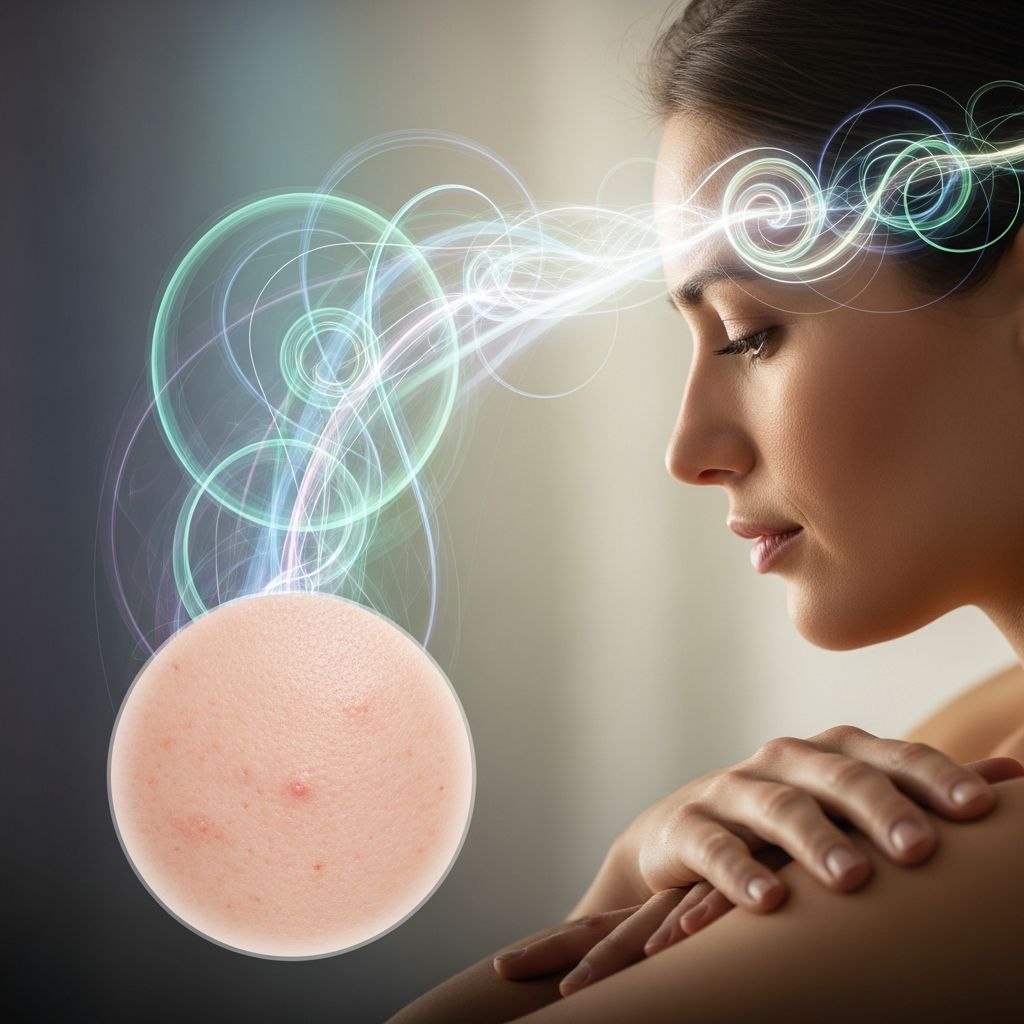
Hypnosis serves as an effective adjunctive therapy for various skin disorders, particularly those influenced by stress, psychological factors, or habitual behaviours such as scratching. By inducing a trance state, it accesses unconscious processes to reduce symptoms like itching, promote healing, and alter dysfunctional patterns linked to conditions including warts, atopic dermatitis, psoriasis, and urticaria.
What is hypnosis?
Hypnosis is a trance-like state of focused attention, heightened suggestibility, and vivid imagination. In this state, individuals can access repressed memories, control physiological responses, and reframe cognitive or emotional patterns not easily reachable in normal waking consciousness. Dermatological applications leverage this to mitigate discomfort from itching or pain, break habits like scratching, accelerate wound healing, and address psychosomatic triggers.
The process involves guided relaxation leading to a hypnotic trance, where suggestions are delivered to influence subconscious behaviours and perceptions related to skin health. Unlike popular misconceptions, hypnosis does not involve loss of control; patients remain aware and can end the session at will.
How does hypnosis help dermatological conditions?
Hypnosis intervenes in the psychoneuroendocrineimmunologic axis, modulating stress hormones, neurotransmitters, neuropeptides, and cytokines that exacerbate inflammatory skin disorders. Stress-linked conditions respond particularly well, as hypnosis reduces autonomic nervous system overdrive, calms inflammation, and interrupts itch-scratch cycles.
Key mechanisms include:
- Reduction of stress hormones: Lowers cortisol and related mediators that trigger flares in eczema and psoriasis.
- Habit modification: Alters ingrained scratching or rubbing behaviours that perpetuate rashes.
- Enhanced healing: Promotes skin repair through visualization and suggestion, as seen in wart clearance.
- Pain and itch control: Directly diminishes sensory discomfort, improving sleep and quality of life.
- Psychosomatic resolution: Uncovers and reframes unconscious emotional factors contributing to disorders like urticaria.
For instance, negative self-talk can self-induce conditions like psoriasis via subconscious pathways; hypnosis reverses this by instilling positive, healing-oriented suggestions.
Skin conditions responsive to hypnosis
Hypnosis shows efficacy across a spectrum of psychodermatological disorders. Conditions with strong mind-body links benefit most, including inflammatory, habit-driven, and stress-exacerbated types.
| Condition | Description | Hypnosis Benefits |
|---|---|---|
| Warts (verruca vulgaris) | Viral skin growths resistant to standard treatments. | 53-75% clearance rates in studies; visualization shrinks lesions. |
| Atopic dermatitis (eczema) | Chronic itchy inflammation with stress flares. | Reduces itching, scratching, improves sleep, cuts corticosteroid use. |
| Psoriasis | Autoimmune plaques worsened by stress. | Decreases inflammation via stress reduction. |
| Urticaria (hives) | Stress-triggered wheals and itching. | Alleviates acute episodes through relaxation. |
| Acne | Hormonally influenced with habitual picking. | Breaks picking cycles, calms stress-related flares. |
| Pruritus (itching) | Chronic itch without primary rash. | Directly lowers itch perception. |
Other responsive conditions include alopecia areata, lichen planus, and hyperhidrosis, where psychological factors play a role.
Evidence for hypnosis in dermatology
Clinical studies substantiate hypnosis’s role. A 1992 study by Ewin treated 44 wart patients with hypnosis, achieving clearance in 31 (70%), far exceeding controls. Recent case series report similar wart resolution rates of 27-55%.
For atopic dermatitis, adjunctive hypnosis significantly reduced itching, scratching, and topical steroid needs while improving sleep. A randomized controlled trial showed hypnosis during dermatologic surgery cut anxiety markedly.
Reviews confirm hypnosis, alongside meditation and biofeedback, safely accesses hard-to-reach psyche elements for skin healing, with minimal side effects. Success hinges on patient hypnotizability, assessed via scales like the Stanford Hypnotic Susceptibility Scale.
Patient selection
Not all patients suit hypnosis; selection involves standard dermatologic evaluation first, followed by assessing psychological readiness. Ideal candidates have:
- Stress- or habit-linked disorders unresponsive to conventional therapy.
- Moderate to high hypnotizability (70-80% of people qualify).
- No severe psychiatric issues requiring specialist referral (10-15% of cases).
Contraindications include psychosis, severe dissociation, or unwillingness to engage. Dermatologists gauge suitability via interview and intuition after ruling out organic causes.
Hypnotherapy techniques used
Sessions typically last 30-60 minutes, with 4-6 needed for lasting effects. Common techniques:
- Direct suggestion: Commands like “Your skin heals rapidly” to reduce symptoms.
- Indirect suggestion: Metaphors (e.g., warts as melting icebergs) for subconscious uptake.
- Visualization: Imagining clear, healthy skin to promote repair.
- Ego-state therapy: Dialoguing with “itch parts” to gain control.
- Self-hypnosis training: Empowers ongoing home practice.
For procedures, hypnosis induces calm; for chronic issues, it targets root stressors.
Procedure and number of sessions
A typical session: induction via progressive relaxation, deepening trance, therapeutic suggestions tailored to the condition, and emergence with post-hypnotic cues. Patients practice self-hypnosis daily.
Warts may resolve in 1-3 sessions; eczema needs 6-10 for habit change. Maintenance sessions prevent relapse. Integration with topicals enhances outcomes.
Training for dermatologists
Dermatologists can train via the American Society of Clinical Hypnosis (ASCH), offering 20-hour basic, intermediate, and advanced courses (www.ASCH.net). In-house delivery boosts compliance, as 75% of referrals fail.
Certification ensures ethical, evidence-based practice. Combining with biofeedback or meditation amplifies results.
Side effects and risks
Hypnosis is safe, with rare side effects like transient drowsiness or emotional release. No long-term risks when performed by trained professionals. It complements, not replaces, medical treatments.
Alternatives to hypnosis
Complementary options include:
- Meditation for relaxation and reframing.
- Biofeedback for physiologic control (e.g., skin temperature).
- Cognitive behavioural therapy (CBT) for habits.
- Support groups and counselling.
These mind-body approaches synergize with hypnosis for holistic psychodermatology.
Frequently Asked Questions
Is hypnosis safe for skin treatment?
Yes, hypnosis is very safe with minimal side effects, primarily used to access unconscious processes for symptom relief.
How many sessions for warts?
Typically 1-3 sessions yield 50-75% clearance; self-hypnosis sustains results.
Can hypnosis cure eczema?
It reduces flares, itching, and steroid use as adjunct therapy, not a standalone cure.
Who performs hypnosis in dermatology?
Trained dermatologists or licensed hypnotherapists; ASCH certification recommended.
Does insurance cover it?
Coverage varies; often out-of-pocket, but efficacy may justify cost for refractory cases.
References
- Hypnosis in dermatology — Philip D. Shenefelt, MD, with Mary Beth Nierengarten. Practical Dermatology. 2023. https://thedermdigest.com/hypnosis-in-dermatology/
- Use of hypnosis, meditation, and biofeedback in dermatology — PubMed. 2017-05-01. https://pubmed.ncbi.nlm.nih.gov/28511826/
- Skin Problems – CE-Hypnosis — CE-Hypnosis. 2024. https://www.ce-hypnosis.com/skin-problems
- Treatment of psychodermatological disorders — DermNet NZ. 2023. https://dermnetnz.org/topics/treatment-of-psychodermatological-disorders
- Hypnotherapy for Skin Conditions: Mind-Body Connection — Live Well Hypnotherapy. 2023. http://livewellhypnotherapy.co.nz/blog/hypnotherapy-for-skin-conditions/
Similar Articles



Read full bio of medha deb