Hypoalbuminemia: Causes, Symptoms, Treatment & Outlook
Understanding hypoalbuminemia: When your body lacks sufficient albumin protein.
What Is Hypoalbuminemia?
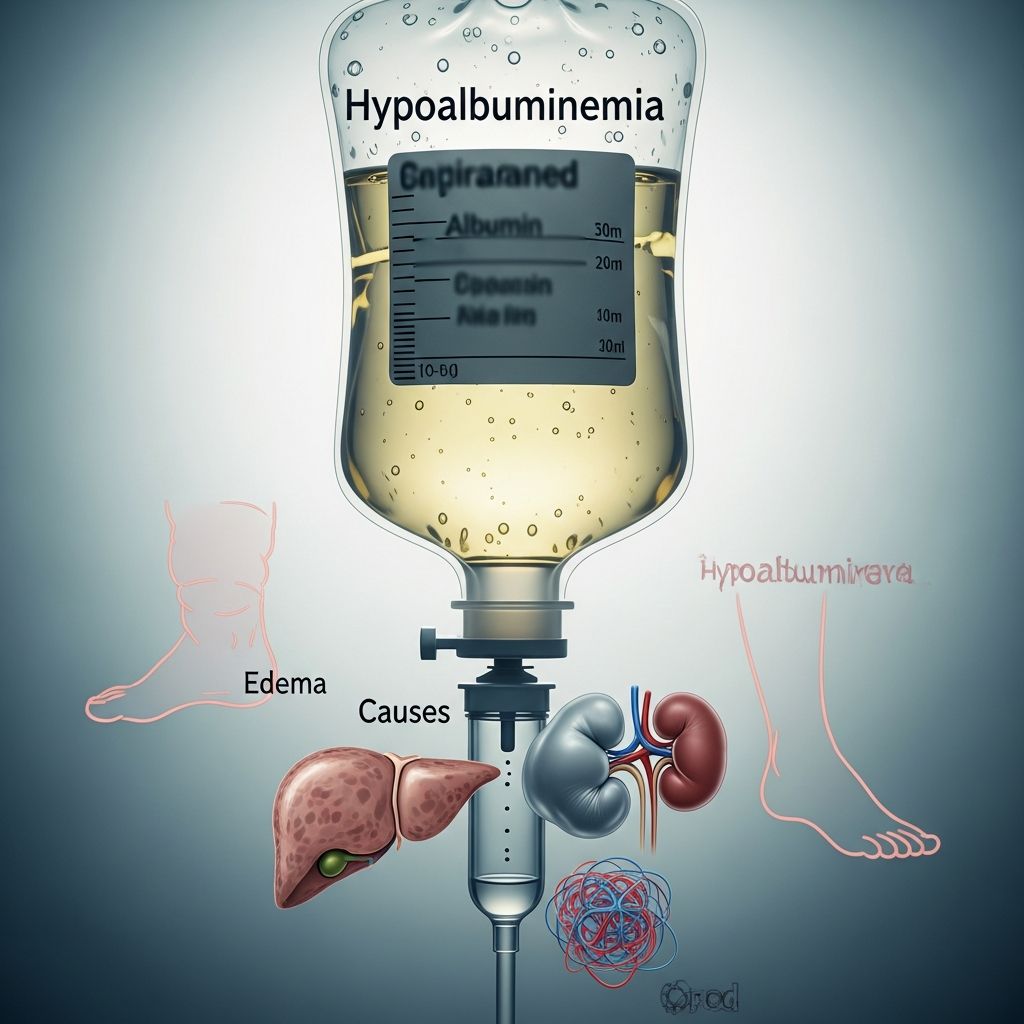
Hypoalbuminemia is a medical condition characterized by abnormally low levels of albumin in your blood. Albumin is a vital protein produced primarily by your liver that serves critical functions in maintaining your body’s fluid balance. Specifically, albumin keeps fluid inside your blood vessels where it belongs, preventing excessive fluid from leaking into surrounding tissues. When albumin levels drop below normal ranges, it can lead to fluid accumulation in various parts of your body, resulting in swelling and other complications. This condition is not a disease itself but rather a symptom indicating that an underlying medical issue requires attention.
Understanding Albumin and Its Role
Albumin represents the most abundant protein in your blood plasma, accounting for approximately 50 to 60 percent of total blood proteins. Your liver produces albumin continuously, and it plays multiple essential roles beyond fluid regulation. Albumin serves as a transport protein, carrying hormones, vitamins, and medications throughout your bloodstream. It also helps maintain blood pressure and provides nutritional support to tissues. Normal serum albumin levels typically range from 3.5 to 5.5 grams per deciliter (g/dL), with levels below 3.5 g/dL considered low and indicative of hypoalbuminemia.
Common Symptoms of Hypoalbuminemia
Hypoalbuminemia can manifest through various physical symptoms that warrant medical evaluation. Recognizing these signs early enables prompt diagnosis and treatment of underlying conditions. The following symptoms may indicate low albumin levels:
- Swelling in your legs, feet, and ankles (peripheral edema)
- Swelling in your abdominal area (ascites)
- Unexplained weight loss or weight gain
- Changes in urine color, becoming darker or cloudy
- Fatigue and general weakness
- Loss of appetite
- Difficulty breathing or shortness of breath
- Rapid or irregular heartbeat
If you experience sudden changes in these symptoms or develop new concerning signs, contacting a healthcare provider is crucial. Emergency symptoms requiring immediate medical attention include severe shortness of breath, difficulty breathing, chest pain, or signs of infection such as fever and thick, discolored discharge from surgical wounds.
Underlying Causes of Hypoalbuminemia
Hypoalbuminemia develops when your body either fails to produce sufficient albumin or loses excessive amounts through various pathways. Multiple medical conditions and circumstances can trigger low albumin levels, and identifying the underlying cause is essential for effective treatment.
Liver Disease and Dysfunction
Since your liver produces albumin, liver disease significantly impacts albumin synthesis. Conditions including cirrhosis, hepatitis, and fatty liver disease reduce your liver’s capacity to manufacture adequate albumin. Severe liver damage impairs this function progressively, leading to consistently low albumin levels.
Kidney Disease and Proteinuria
Kidney disease causes albumin loss through increased urinary excretion. Your kidneys normally filter waste while retaining proteins, but damaged kidneys allow albumin to escape into urine. This protein loss contributes substantially to hypoalbuminemia in patients with various stages of chronic kidney disease and nephrotic syndrome.
Malnutrition and Inadequate Protein Intake
Your body requires adequate dietary protein to synthesize albumin. Malnutrition, eating disorders, and insufficient protein consumption prevent your liver from obtaining necessary amino acids for albumin production. This cause is particularly common in elderly populations and individuals with limited access to nutritious food.
Inflammation and Chronic Diseases
Related Stories



Chronic inflammatory conditions redirect your body’s resources away from albumin production. Rheumatoid arthritis, inflammatory bowel disease, and autoimmune disorders trigger inflammatory responses that suppress albumin synthesis. Chronic infections and sepsis similarly elevate inflammation markers while decreasing albumin levels.
Heart Disease and Cardiac Dysfunction
Heart failure causes hypoalbuminemia through multiple mechanisms, including reduced liver blood flow, increased inflammation, and malnutrition secondary to cardiac cachexia. Heart disease patients frequently present with admission hypoalbuminemia, which serves as a marker of disease severity and adverse prognosis.
Gastrointestinal Issues
Conditions affecting your digestive system reduce albumin absorption or increase losses. Inflammatory bowel disease, celiac disease, and severe diarrhea impair nutrient absorption, while conditions like protein-losing enteropathy cause direct albumin losses through the gastrointestinal tract.
Hospital-Related Risk Factors
Certain hospital treatments and procedures increase hypoalbuminemia risk. These include major surgery, intravenous fluid administration, mechanical ventilation requirements, and cardiopulmonary bypass procedures. Extended hospitalization combined with these interventions frequently results in low albumin levels in acutely ill patients.
Diagnostic Procedures and Testing
Your healthcare provider will employ specific blood and urine tests to diagnose hypoalbuminemia and identify underlying causes. These diagnostic procedures provide essential information for developing appropriate treatment plans.
Albumin Blood Test
The primary diagnostic tool involves a simple blood test measuring serum albumin concentration in grams per deciliter. Your provider compares your results against normal ranges to determine if albumin levels are dangerously low. This basic test often serves as the initial screening measure.
Total Protein Test
A total protein test measures all proteins in your blood, including albumin and globulins. This comprehensive assessment calculates the albumin-to-globulin (A/G) ratio, which represents the proportion of albumin compared to other proteins. A normal A/G ratio exceeds 1.0, indicating slightly more albumin than globulins.
Kidney Function Assessment
Since kidney disease commonly causes hypoalbuminemia through protein loss, your provider may order kidney function tests. These include creatinine levels and blood urea nitrogen (BUN) measurements to evaluate glomerular filtration rate and overall kidney performance.
Urine Albumin Testing
Microalbuminuria tests detect albumin presence in urine, indicating potential kidney damage. The urine albumin-to-creatinine ratio (uACR) provides more sensitive measurement of kidney dysfunction, helping identify early-stage kidney disease before significant albumin loss occurs.
Liver Function Tests
Liver function panels assess your liver’s health and albumin-production capacity. These tests measure bilirubin, alkaline phosphatase, and liver enzymes, helping distinguish whether liver disease contributes to hypoalbuminemia.
Treatment Approaches and Management Strategies
Treatment for hypoalbuminemia focuses primarily on addressing the underlying condition responsible for low albumin levels. Your specific treatment plan depends entirely on the cause identified through diagnostic testing.
Nutritional Intervention
For hypoalbuminemia caused by malnutrition or inadequate protein intake, nutritional counseling becomes the cornerstone of treatment. A registered dietitian nutritionist can help you develop meal plans emphasizing protein-rich foods and ensuring adequate caloric intake. Dietary modifications support your body’s ability to synthesize albumin while addressing nutritional deficiencies.
Managing Underlying Diseases
Heart disease treatment, for example, may include medications, dietary sodium restriction, and fluid management to improve cardiac function and subsequently improve albumin levels. Liver disease management might involve viral hepatitis treatment, alcohol cessation, or specialist care to prevent further hepatic deterioration. Kidney disease treatment focuses on slowing disease progression through blood pressure control and diabetes management.
Infection Management
Addressing any concurrent infections through appropriate antibiotics or antimicrobial therapy helps reduce inflammation and supports albumin recovery. Infection control measures become particularly important in hospitalized patients at risk for complications.
Albumin Replacement Therapy
In critical care settings, albumin replacement therapy may be administered intravenously to restore fluid balance and support oncotic pressure in blood vessels. However, albumin therapy remains restricted due to availability concerns and is typically reserved for specific patient populations including pediatric patients, perioperative cases, and critically ill patients with severe hypoalbuminemia.
Monitoring and Follow-Up Care
Regular monitoring through repeat blood tests allows your healthcare provider to track albumin levels and assess treatment effectiveness. Improvement in albumin levels often correlates with successful management of the underlying condition, making follow-up testing essential for treatment adjustment.
Prognosis and Long-Term Outlook
The prognosis for hypoalbuminemia depends significantly on the underlying cause and how quickly treatment addresses the root condition. When the cause can be effectively treated, albumin levels typically improve, and associated symptoms resolve. Patients demonstrating albumin improvement during hospitalization generally experience better clinical outcomes and reduced mortality risk compared to those without improvement.
However, hypoalbuminemia serves as an important clinical warning sign. Research demonstrates that low muscle mass combined with admission hypoalbuminemia significantly increases risks for adverse in-hospital outcomes, infections, and longer hospital stays. Understanding hypoalbuminemia as a potential indicator of serious underlying conditions enables early intervention and comprehensive medical management.
When to Seek Medical Attention
Contact a healthcare provider promptly if you notice symptoms suggesting hypoalbuminemia, including progressive leg swelling, unexplained weight changes, darkening urine, or persistent fatigue. Seek emergency medical care immediately if you experience severe shortness of breath, difficulty breathing, chest pain, rapid heartbeat, or signs of infection such as fever or abnormal wound drainage following surgery.
Frequently Asked Questions
Q: What is the normal range for albumin levels?
A: Normal serum albumin levels typically range from 3.5 to 5.5 grams per deciliter (g/dL). Levels below 3.5 g/dL are considered low and indicate hypoalbuminemia requiring medical evaluation.
Q: Can hypoalbuminemia be cured?
A: Hypoalbuminemia itself is not cured, but rather resolves when the underlying condition causing low albumin is effectively treated. Treatment success depends on identifying and managing the root cause, whether that involves nutritional intervention, disease management, or infection control.
Q: How long does it take to improve albumin levels?
A: The timeline for albumin improvement varies depending on the underlying cause and treatment effectiveness. Some patients show improvement within days to weeks with appropriate intervention, while others may require longer periods as their underlying conditions are managed.
Q: Can I increase albumin levels through diet alone?
A: For hypoalbuminemia caused by malnutrition or inadequate protein intake, dietary modifications can help improve albumin levels. However, if hypoalbuminemia results from liver or kidney disease, simply increasing protein intake may not be sufficient without addressing the underlying condition.
Q: Is hypoalbuminemia dangerous?
A: Hypoalbuminemia indicates an underlying health problem and can contribute to serious complications including fluid accumulation, reduced medication effectiveness, and increased infection risk. It requires prompt medical evaluation to identify and treat the cause.
References
- Hypoalbuminemia: Causes, Symptoms, Treatment & Outlook — Cleveland Clinic. 2025-10-22. https://my.clevelandclinic.org/health/diseases/22529-hypoalbuminemia
- Combined Prognostic Impact of Low Muscle Mass and Hypoalbuminemia in Acute Decompensated Heart Failure — Journal of the American Heart Association. 2023. https://www.ahajournals.org/doi/10.1161/JAHA.123.030991
- Clinical Implications of Serum Albumin Levels in Acute Heart Failure — National Center for Biotechnology Information (NCBI/PubMed). 2016. https://pubmed.ncbi.nlm.nih.gov/26844764/
- Albumin Blood Test: What It Is, Procedure & Results — Cleveland Clinic. https://my.clevelandclinic.org/health/diagnostics/22390-albumin-blood-test
- Albumin Blood Test — U.S. National Library of Medicine (MedlinePlus). https://medlineplus.gov/lab-tests/albumin-blood-test/
- Low Protein in Blood (Hypoproteinemia): Causes & Treatments — Cleveland Clinic. https://my.clevelandclinic.org/health/diseases/low-protein-in-blood-hypoproteinemia
- Preoperative Hypoalbuminemia Predicts 30-Day Complications in Head and Neck Free Tissue Transfer — Laryngoscope. 2024. https://onlinelibrary.wiley.com/doi/full/10.1002/lary.31716
Similar Articles








Read full bio of medha deb