Hypocalcemia: Causes, Symptoms & Treatment
Understanding low blood calcium: symptoms, causes, diagnosis, and effective treatment options.
Understanding Hypocalcemia
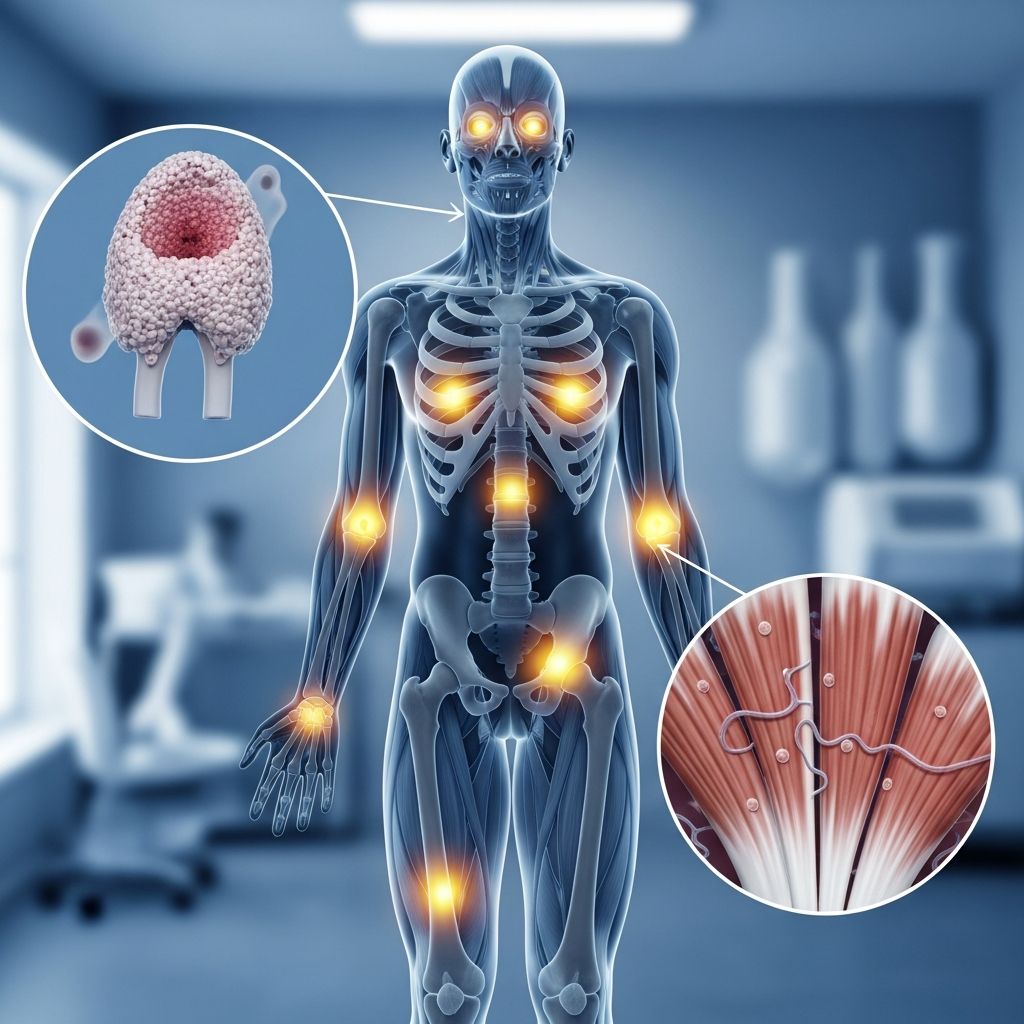
Hypocalcemia is a medical condition characterized by abnormally low levels of calcium in the blood. This electrolyte imbalance occurs when your body cannot maintain adequate calcium levels, which are essential for numerous physiological functions. The normal adult value for calcium in the blood ranges from 8.5 to 10.2 mEq/L, and when levels fall below this range, hypocalcemia develops. While this condition may sound alarming, it is treatable, and symptoms typically resolve once calcium levels return to normal.
Calcium plays a critical role in maintaining bone health, regulating muscle contractions, ensuring proper nerve function, and supporting heart rhythm. When calcium levels drop significantly, these vital functions become compromised, potentially leading to serious health complications if left untreated.
What Causes Hypocalcemia?
Hypocalcemia most commonly results when too much calcium is lost in urine or when insufficient calcium is moved from bones into the blood. Understanding the underlying causes is essential for proper treatment and management of this condition.
Primary Causes
Several primary conditions can lead to hypocalcemia. Parathyroid dysfunction represents one of the most significant causes, as the parathyroid glands regulate calcium levels in the body. When these glands do not produce enough parathyroid hormone (PTH), calcium levels can drop dangerously low. Additionally, vitamin D deficiency is a major contributor to hypocalcemia, as vitamin D is essential for calcium absorption in the digestive tract.
Hypoparathyroidism, a rare but treatable condition, occurs when the parathyroid glands do not produce adequate PTH, resulting in low blood calcium levels. This condition can develop due to damage to the parathyroid glands during thyroid surgery, parathyroid surgery, or other surgical procedures affecting the neck area.
Secondary Causes
Several secondary conditions and factors can contribute to hypocalcemia development. Chronic kidney disease (CKD) frequently results in hypocalcemia due to vitamin D deficiency, as the kidneys play a crucial role in activating vitamin D. Malabsorption disorders, including celiac disease and inflammatory bowel conditions, can impair calcium absorption from food. Certain medications, including some used in cancer treatment and antirejection drugs following organ transplant, may lower calcium levels.
Other contributors include pancreatitis, where inflammation of the pancreas can interfere with calcium regulation, and severe malnutrition or malabsorption from gastrointestinal surgeries. Chemotherapy and radiation therapy for cancer treatment can also lead to bone loss and subsequent hypocalcemia.
Recognizing Symptoms of Hypocalcemia
The clinical presentation of hypocalcemia varies depending on the severity and onset of the condition. Early recognition of symptoms is vital for prompt treatment and prevention of serious complications.
Common Symptoms
Patients with hypocalcemia frequently experience muscle cramps and muscle pain, which can be quite uncomfortable and interfere with daily activities. Paresthesia, characterized by tingling sensations or “pins and needles” feelings in the fingers, toes, and lips, is another common symptom. Many patients report numbness around the mouth and in extremities, along with general weakness and fatigue.
Neurological symptoms can include anxiety, irritability, and personality changes. Some individuals experience difficulty concentrating or memory problems. In more severe cases, patients may develop seizures or cardiac arrhythmias, which require immediate medical attention.
Related Stories



Physical Examination Findings
Healthcare providers often look for specific physical signs when evaluating hypocalcemia. Chvostek’s sign and Trousseau’s sign are characteristic findings that indicate neuromuscular irritability associated with low calcium levels. Chvostek’s sign involves twitching of the facial muscles when the facial nerve is tapped, while Trousseau’s sign involves muscle spasms in the hand when blood pressure is elevated with a cuff. Tetany, characterized by involuntary muscle contractions and spasms, represents a more severe manifestation of hypocalcemia and requires urgent treatment.
Diagnosis of Hypocalcemia
Proper diagnosis of hypocalcemia involves a systematic approach to confirm the condition and identify underlying causes.
Blood Tests and Confirmation
The first step in evaluation focuses on confirming hypocalcemia by checking serum albumin levels to correct total calcium or directly measuring ionized calcium levels. For each 1 g/dL decrease in albumin below 4 g/dL, 0.8 mg/dL should be added to the total serum calcium level to obtain an accurate assessment.
Healthcare providers routinely measure serum electrolytes including magnesium and phosphorus levels, intact PTH, and vitamin D levels. These additional measurements help distinguish between primary and secondary causes of hypocalcemia and guide treatment decisions. Other biomarkers may be obtained based on clinical history and physical examination findings, such as serum lipase in suspected pancreatitis cases.
Imaging Studies
Appropriate imaging of the skeletal system may reveal osteomalacia (soft bones due to vitamin D deficiency), rickets (in children), or metastatic disease that could contribute to hypocalcemia. These studies help identify underlying bone conditions that may be contributing to low calcium levels.
Treatment Approaches for Hypocalcemia
Treatment strategies for hypocalcemia depend on the severity of symptoms, the underlying cause, and the patient’s specific medical circumstances. A comprehensive approach addressing both the hypocalcemia and its underlying cause is essential for successful management.
Oral Calcium Supplementation
Oral calcium supplements represent the most common treatment for hypocalcemia, particularly in mild cases. Calcium carbonate (containing 40% elemental calcium) and calcium citrate (containing 21% elemental calcium) are the most frequently used oral preparations. The recommended goal is to administer 1,500 to 2,000 mg of elemental calcium daily, divided into 2 to 3 doses for optimal absorption. Daily calcium intake should target 1,000 to 1,200 mg from diet and supplements combined.[10]
Intravenous Calcium Administration
Intravenous calcium treatment is recommended for patients with severe symptoms, prolonged QTC intervals on electrocardiogram, or those who are asymptomatic and acutely develop hypocalcemia. Calcium gluconate (1 to 2 grams, equivalent to 90 to 180 mg elemental calcium) or calcium chloride (1 gram, equivalent to 270 mg elemental calcium) can be administered as a short infusion over 10 to 20 minutes. Calcium gluconate is generally preferred over calcium chloride because it is less likely to cause tissue necrosis if extravasation occurs. If hypocalcemia persists, a continuous infusion should follow the initial bolus. Healthcare providers must avoid administering alkaline solutions like bicarbonate or phosphorus-containing solutions through the same IV line to prevent precipitation of calcium salts.
Vitamin D Supplementation
Taking vitamin D supplements helps increase absorption of calcium from the digestive tract and is often recommended alongside calcium therapy. For patients with chronic kidney disease and significant vitamin D deficiency, ergocalciferol at 50,000 units weekly for 8 to 12 weeks is often prescribed, followed by maintenance cholecalciferol at lower doses of 1,000 to 5,000 units daily. Activated vitamin D (calcitriol) is typically used to correct hypocalcemia in CKD patients.
Addressing Underlying Causes
Treating the underlying cause of hypocalcemia is equally important as treating the hypocalcemia itself. If a medication is causing hypocalcemia, healthcare providers may change it or adjust the dosage to restore normal calcium levels. For patients with parathyroid dysfunction, synthetic forms of parathyroid hormone may be prescribed. Additional treatments might address specific symptoms and underlying conditions.
Additional Therapeutic Options
Magnesium supplements or IV treatments may be needed if magnesium levels are low, as magnesium is essential for proper calcium regulation. Thiazide diuretics, medications that reduce the amount of calcium lost in urine, may be prescribed in certain cases. Patients who have experienced kidney stones may require dietary modifications and increased fluid intake to prevent recurrence.
Special Considerations for Tetany Treatment
When tetany caused by hypocalcemia develops, the primary treatment objective is to restore normal calcium levels, which often requires IV treatment with calcium gluconate. Patients typically experience a rapid change in symptoms, though improvement might not persist without continued treatment. Multiple doses administered over 12 to 24 hours may be necessary. Milder tetany cases can sometimes be managed with oral calcium supplements combined with magnesium and vitamin D supplementation.
Patient Education and Prevention
Patients with hypocalcemia and those at risk of developing this condition should be educated about hypocalcemia symptoms and the importance of adherence to replacement therapy to reduce symptomatology and life-threatening complications. Individuals taking high-dose calcium supplementation should receive counseling regarding the increased risk of nephrolithiasis (kidney stones) and methods to decrease this risk, including increasing water consumption and lowering sodium and animal protein in the diet.
When to Seek Medical Care
It is crucial to contact your healthcare provider if you are experiencing symptoms suggestive of hypocalcemia, such as persistent muscle cramps, tingling sensations, or muscle spasms. Seek immediate emergency care if you experience severe symptoms including seizures, difficulty breathing, chest pain, or loss of consciousness, as these may indicate life-threatening complications. If left untreated, severe hypocalcemia can cause life-threatening complications such as seizures and congestive heart failure.
Frequently Asked Questions
Q: Is hypocalcemia a permanent condition?
A: Hypocalcemia is typically a treatable condition, and symptoms usually resolve once calcium levels return to normal with appropriate treatment. However, management may need to be ongoing depending on the underlying cause.
Q: Can hypocalcemia be detected before symptoms appear?
A: Yes, hypocalcemia is often detected by routine blood tests before symptoms become obvious. Regular monitoring is particularly important for individuals at risk or those with conditions known to affect calcium metabolism.
Q: What is the difference between total calcium and ionized calcium?
A: Total calcium includes calcium bound to albumin and other proteins, while ionized calcium refers to the free, biologically active form. Doctors measure both to accurately assess calcium status, particularly in patients with abnormal albumin levels.
Q: How long does it take for calcium supplementation to work?
A: IV calcium treatment can produce rapid symptom relief, often within minutes to hours. Oral supplementation typically requires several days to weeks for symptoms to resolve, depending on the severity of the deficiency and the underlying cause.
Q: Are there dietary sources of calcium I should increase?
A: Dairy products, leafy green vegetables, fortified plant-based milks, and other calcium-rich foods can contribute to daily calcium intake. However, many patients with hypocalcemia require supplementation in addition to dietary sources to achieve adequate levels.
Q: Can medications cause hypocalcemia?
A: Yes, certain medications including some cancer treatments, antirejection drugs, and others can lower calcium levels. Inform your healthcare provider about all medications you take so they can monitor your calcium levels appropriately.
References
- Calcium and Parathyroid Center — Cleveland Clinic. 2025. https://my.clevelandclinic.org/departments/endocrinology-metabolism/depts/calcium-and-parathyroid-center
- Hypocalcemia – StatPearls — National Center for Biotechnology Information, National Library of Medicine. 2024. https://www.ncbi.nlm.nih.gov/books/NBK430912/
- Hypocalcemia: Symptoms, Causes, and Treatments — WebMD. 2024. https://www.webmd.com/a-to-z-guides/what-is-hypocalcemia
- Hypocalcemia: Causes, Symptoms & Treatment — Cleveland Clinic. 2024. https://my.clevelandclinic.org/health/diseases/23143-hypocalcemia
- Hypocalcemia (Low Level of Calcium in the Blood) — Merck Manuals. 2024. https://www.merckmanuals.com/home/hormonal-and-metabolic-disorders/electrolyte-balance/hypocalcemia-low-level-of-calcium-in-the-blood
- Hypoparathyroidism: Symptoms & Treatment — Cleveland Clinic. 2024. https://my.clevelandclinic.org/health/diseases/22672-hypoparathyroidism
- Hypocalcemia (Low Calcium) — Chemocare. 2024. https://chemocare.com/sideeffect/hypocalcemia
- Optimizing Calcium and Vitamin D Intake Through Diet and Supplements — Cleveland Clinic Journal of Medicine. 2018. https://www.ccjm.org/content/85/7/543
Similar Articles








Read full bio of Sneha Tete