Hypochlorous Acid Spray: 4 Benefits For Healthier Skin
Discover how hypochlorous acid spray revolutionizes skincare by fighting bacteria, soothing inflammation, and promoting faster healing for eczema, acne, and wounds.
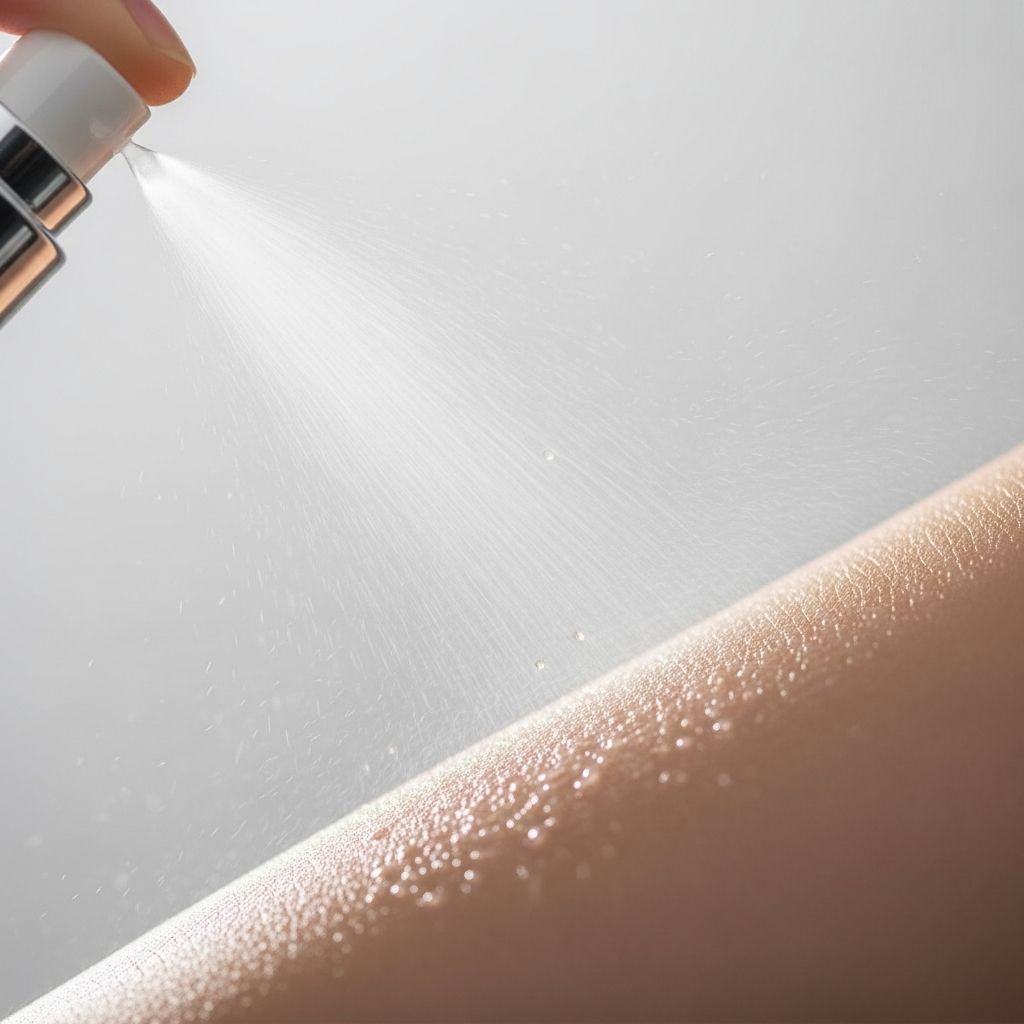
Hypochlorous acid (HOCl) spray has emerged as a versatile skincare solution, mimicking the body’s natural defense mechanism to combat bacteria, reduce inflammation, and accelerate healing. Produced through electrolysis of saltwater, this gentle yet potent compound provides broad-spectrum antimicrobial action without harming healthy skin cells.
The Science Behind Hypochlorous Acid
Hypochlorous acid is a weak acid naturally generated by white blood cells during the immune response. Neutrophils and other immune cells produce HOCl via the enzyme myeloperoxidase to destroy pathogens. In skincare, stabilized formulations replicate this process, creating a pH-neutral solution effective at low concentrations (100-200 ppm).
Laboratory studies confirm HOCl’s superior antimicrobial efficacy compared to traditional antiseptics like bleach. It penetrates microbial cell walls, disrupting proteins and DNA while sparing human cells due to its selective toxicity. Stabilized versions maintain activity across a wide pH range (pH 3.5-5.5), enhancing stability for topical use.
Beyond killing bacteria, fungi, and viruses, HOCl exhibits anti-inflammatory effects by inhibiting cytokines, leukotrienes, and histamine release. This dual action makes it ideal for chronic skin conditions involving microbial overgrowth and immune dysregulation.
Key Benefits for Everyday Skin Concerns
HOCl spray addresses multiple skin issues through its multifaceted properties. Here’s how it supports skin health:
- Antimicrobial Cleansing: Eliminates acne-causing bacteria, reducing breakouts and congestion without drying the skin.
- Inflammation Reduction: Calms redness, swelling, and itching associated with eczema, rosacea, and post-procedure irritation.
- Wound Healing Acceleration: Prepares wounds for repair by lowering bacterial load and promoting tissue regeneration.
- Barrier Support: Balances pH, hydrates, and strengthens the skin’s protective layer against environmental stressors.
Clinical evidence supports these benefits. A review in the Journal of Cosmetic Dermatology highlighted HOCl’s role in controlling microbial growth and modulating inflammation for faster recovery.
HOCl Spray in Eczema and Atopic Dermatitis Management
Eczema sufferers often battle persistent itching, dryness, and secondary infections from Staphylococcus aureus overgrowth. HOCl spray tackles these by eradicating colonizing bacteria and dampening inflammatory signals. Studies show it reduces pruritus and improves skin barrier function in atopic dermatitis patients.
In practice, daily application decreases flare frequency. By inhibiting proinflammatory mediators like IL-6 and LTB4, HOCl creates a calmer skin environment, allowing moisturizers and topicals to work more effectively. Patients report less scratching, leading to reduced excoriations and better sleep.
For seborrheic dermatitis, HOCl controls Malassezia yeast proliferation while soothing scalp and facial inflammation. Its non-irritating profile makes it suitable for long-term use in sensitive areas.
Acne Treatment and Prevention with HOCl
Acne vulgaris stems from Propionibacterium acnes (now Cutibacterium acnes) overgrowth in clogged pores, triggering inflammation. HOCl spray offers a benzoyl peroxide alternative: it kills acne bacteria at low doses, clears congestion, and prevents new lesions without resistance buildup.
| Benefit | HOCl Spray | Benzoyl Peroxide |
|---|---|---|
| Antibacterial Action | Gentle, broad-spectrum; no resistance | Strong but can irritate |
| Inflammation Control | Reduces cytokines directly | Indirect via bacteria kill |
| Skin Tolerance | High; safe for daily use | May dry or bleach fabrics |
| Wound/Scar Support | Promotes healing | Limited |
Related Stories



Early trials indicate comparable efficacy to benzoyl peroxide for mild acne, with added perks for sensitive skin.
Wound Care and Scar Minimization
HOCl’s FDA-cleared status as a Class III wound cleanser underscores its reliability. It debrides necrotic tissue, reduces bioburden, and alleviates pain/itching to aid compliance. Diabetic foot ulcers benefit from faster closure rates due to lowered inflammation.
For hypertrophic scars and keloids, HOCl gels outperform silicone in promoting remodeling. By enhancing blood flow and nutrient delivery, it minimizes fibrosis and improves texture.
Applications for Sensitive Areas and Irritations
Eye and Eyelid Hygiene
Styes and blepharitis respond well to HOCl eyelid sprays. These target meibomian gland bacteria, reducing blockage, redness, and discomfort. Use products labeled for ocular safety around the eyes.
Bug Bites, Rashes, and Post-Exercise Relief
Outdoor enthusiasts appreciate HOCl for neutralizing irritants from bites, chafing, or sweat-trapped bacteria. It soothes without steroids, ideal for allergies or sports recovery.
How to Incorporate HOCl Spray into Your Routine
Versatility defines HOCl: spritz on clean skin 2-4 times daily or as needed. Layer under moisturizers or serums; it enhances absorption. Store in cool, dark places to preserve potency—check for 200 ppm free active chlorine.
- Morning: Refresh face, prep for makeup/sunscreen.
- Day: Spot-treat irritation or post-mask refresh.
- Evening: Cleanse wounds, calm flares before topicals.
Pair with gentle cleansers and ceramide creams for eczema protocols. Consult dermatologists for severe cases.
Safety Profile and Considerations
HOCl ranks among the safest topicals: non-cytotoxic, non-sensitizing, and preservative-free. Rare mild stinging occurs in open wounds but resolves quickly. Avoid ingestion; not for internal use.
Pregnant/nursing individuals and children can use it safely per clinical data. Patch test new products, especially near eyes.
Choosing the Right HOCl Product
Opt for stabilized, pH-neutral sprays (3.5-5.5) from reputable brands. Verify ppm concentration and electrolysis production method. Multi-use formats (spray, gel, pads) suit varied needs.
Frequently Asked Questions (FAQs)
Is hypochlorous acid spray safe for daily use?
Yes, its gentle profile supports ongoing application without tolerance buildup or irritation.
Can HOCl replace traditional acne treatments?
It complements them effectively, especially for sensitive skin, but severe acne may need prescription combos.
How quickly does HOCl work on eczema flares?
Relief often starts within hours; consistent use yields best results over days.
Does HOCl expire or lose effectiveness?
Stabilized formulas last 1-2 years unopened; check labels for stability claims.
Is HOCl vegan and cruelty-free?
Most are, as they’re synthetically produced from salt and water.
Future Directions in HOCl Research
Ongoing trials explore HOCl in psoriasis, hidradenitis suppurativa, and post-surgical care. Nanotechnology may enhance delivery for deeper penetration. Its eco-friendly production aligns with sustainable skincare trends.
In summary, hypochlorous acid spray transforms skin management with science-driven gentleness. From eczema control to acne clearance, its broad utility empowers healthier skin.
References
- Hypochlorous Acid (HOCL): Benefits and Uses in Skin Care — Era Organics. 2020. https://www.eraorganics.com/blogs/beauty-guide/skin-care-hypochlorous-acid
- Hypochlorous Acid For Skin – Benefits & Uses — Prequel Skin. N/A. https://prequelskin.com/blogs/skin-notes-skincare-blog/hypochlorous-acid-in-skincare
- Status Report on Topical Hypochlorous Acid: Clinical Relevance — PMC (NCBI). 2018-12-11. https://pmc.ncbi.nlm.nih.gov/articles/PMC6303114/
- Hypochlorous Acid Sprays: Do They Really Help Your Skin? — Banner Health. N/A. https://www.bannerhealth.com/healthcareblog/teach-me/will-hypochlorous-acid-spray-help-my-skin
- What Is Hypochlorous Acid? And Why Should You Use It? — Cleveland Clinic Health. N/A. https://health.clevelandclinic.org/hypochlorous-acid-skin-care
Similar Articles








Read full bio of Sneha Tete