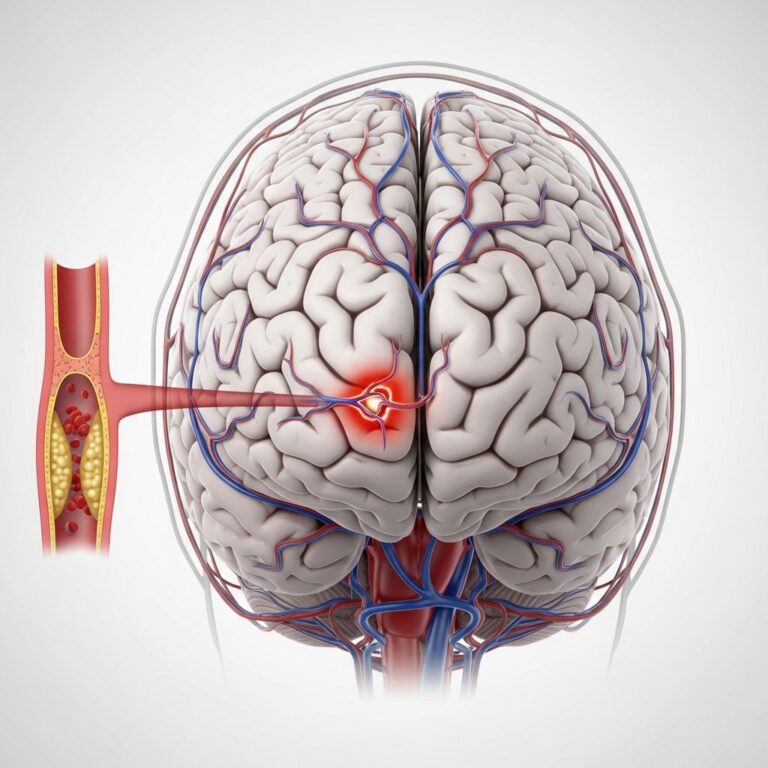
Hypoglycaemia (Hypo): Symptoms, Causes, Treatment
Comprehensive guide to recognising, treating, and preventing hypoglycaemia in diabetes management.
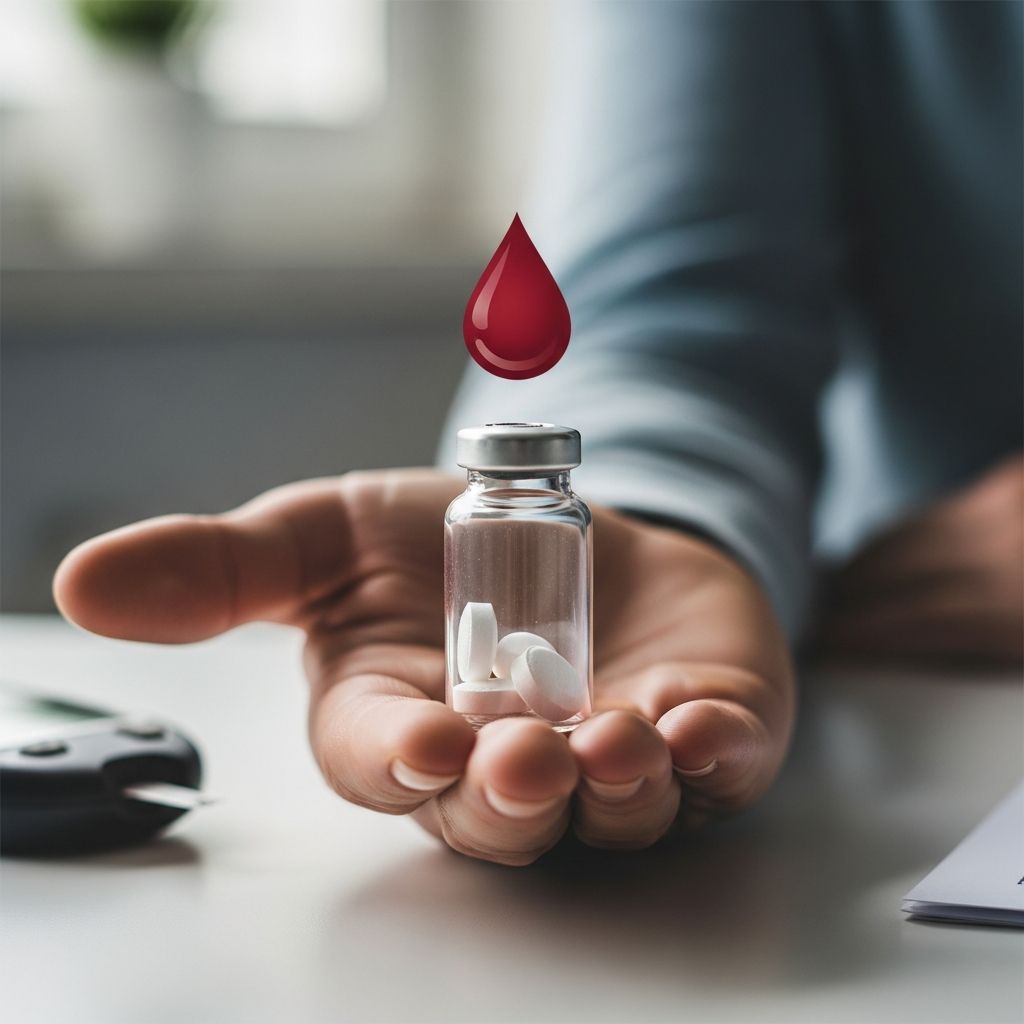
Hypoglycaemia, commonly known as a hypo or low blood sugar, occurs when blood glucose levels fall below the normal range, typically under 4 mmol/L. This condition is particularly common in people with diabetes who use insulin or certain oral medications, but prompt recognition and treatment are crucial to prevent serious complications.
Symptoms of hypoglycaemia
Early recognition of hypoglycaemia symptoms is vital, as they can progress rapidly if untreated. Initial signs often appear when blood sugar drops below 4 mmol/L.
- Feeling weak, tired, or unusually hungry.
- Shakiness, sweating, with cold and clammy skin.
- Irritability, anxiety, or poor concentration.
- Headache, nausea, or feeling sick.
- Heart palpitations or rapid heartbeat.
- Blurred vision or tingling lips.
If blood glucose continues to decline without intervention, more severe symptoms emerge, including confusion, drowsiness, poor coordination, slurred speech, irrational behaviour, seizures, collapse, or loss of consciousness. In extreme cases, untreated severe hypoglycaemia can be fatal.
Some individuals, especially those with frequent hypos (hypoglycaemia unawareness), may not notice early symptoms due to blunted responses, increasing risk.
Causes of hypoglycaemia
Hypoglycaemia primarily affects people with diabetes treated with insulin or sulphonylureas like gliclazide or glimepiride, which lower blood sugar but can overshoot.
Common triggers in diabetes patients include:
- Taking too much insulin or medication, or incorrect injection technique (e.g., repeated sites causing poor absorption).
- Missing, delaying, or skipping meals, especially carbohydrates.
- Increased physical activity without adjusting insulin or adding carbs.
- Excessive alcohol consumption, particularly without food.
- Illness, stress, or hormonal changes affecting glucose levels.
Rarer causes in non-diabetics or diabetics include insulinomas (insulin-secreting tumours), reactive hypoglycaemia after meals, alcohol abuse, or endocrine disorders like adrenal insufficiency. In type 1 diabetes, defective counterregulation (failure of glucagon and epinephrine to rise) exacerbates risk.
Treatment of hypoglycaemia
Treat mild to moderate hypos immediately with the 15-15 rule: consume 15g of fast-acting carbohydrate, wait 15 minutes, then recheck blood glucose. Repeat if still low.
| Fast-Acting Carbs (15g) | Examples |
|---|---|
| Glucose tablets/gel | 4 tablets (4g each) |
| Sugary drinks | 150ml regular cola or lemonade (non-diet) |
| Sweets | 3-4 glucose sweets |
| Juice | 150-200ml fruit juice |
Once blood glucose exceeds 4 mmol/L, follow with a longer-acting snack like a sandwich, biscuit with cheese, or milk to prevent recurrence. Avoid chocolate, fatty foods, or diet drinks initially, as they act slowly.
Treating severe hypoglycaemia
For unconscious patients or those unable to swallow:
- Place in recovery position; do not give food/drink.
- Administer glucagon injection (1mg IM if available and trained).
- Monitor; once responsive (within 10-15 mins), provide carbs.
- Call emergency services (999/112) immediately.
Glucagon stimulates liver glycogen breakdown but may cause nausea; follow-up care is essential.
Related Stories



Prevention of hypoglycaemia
Preventing hypos improves quality of life and reduces morbidity. Key strategies include:
- Regular monitoring: Test blood glucose before meals, exercise, driving, or bedtime (aim >5 mmol/L before bed).
- Balanced diet: Consistent carbs; for reactive hypos, small frequent meals high in protein/fibre, low refined sugars.
- Medication adjustment: Discuss dose changes with healthcare team for exercise, illness (‘sick day rules’), or alcohol.
- Hypo awareness: Avoid frequent lows to restore symptom recognition; target 2-3 weeks of stable levels.
- Glycogen stores: Eat carbs before bed if at risk.
- Education: Hypo awareness training for patients and families; carry ID and glucagon.
For athletes or drivers, extra precautions: reduce insulin 30-60% before exercise, test frequently. Continuous glucose monitors (CGMs) with alarms aid prevention.
When to seek medical help
Contact a doctor if:
- Hypos occur frequently (>2/week) or at night.
- Hypo unawareness develops.
- Recovery requires glucagon or emergency services.
- Suspected non-diabetes cause (e.g., post-meal drops).
Investigations may include C-peptide, insulin levels, or scans for tumours.
Hypoglycaemia in non-diabetics
Rare, but includes reactive (post-meal, 2-5 hours after high-carb), fasting (e.g., glycogen storage diseases), or critical illness. Manage similarly; investigate underlying causes.
Frequently Asked Questions (FAQs)
What should I do if I feel a hypo coming on?
Stop activity, test blood sugar, consume 15g fast carbs immediately, retest after 15 mins.
Can hypoglycaemia happen without diabetes?
Yes, rarely from reactive causes, tumours, or medications; seek GP evaluation.
How does alcohol cause hypos?
Inhibits liver glucose production; risk peaks 12-24 hours later, especially on empty stomach.
What is glucagon and who should carry it?
Hormone injection for severe hypos; prescribed for at-risk patients and carers.
Can exercise trigger hypos days later?
Yes, due to depleted glycogen; monitor 24-48 hours post-exercise.
Long-term management and risks
Recurrent hypos impair counterregulation, leading to unawareness—a cycle where thresholds shift lower. Tight control increases risk, but benefits outweigh if managed. Multidisciplinary care optimises outcomes.
(Word count: 1678)
References
- Hypoglycaemia (Hypo): Symptoms, Causes, and Treatment — Patient.info. 2023. https://patient.info/diabetes/hypoglycaemia-low-blood-sugar
- Low blood sugar (hypoglycaemia) — NHS. 2023-10-23. https://www.nhs.uk/conditions/low-blood-sugar-hypoglycaemia/
- Hypoglycaemia (Causes, Symptoms, and Treatment) — Patient.info (Doctor). 2023. https://patient.info/doctor/endocrine-disorders/hypoglycaemia
- Hypoglycemia in Diabetes — American Diabetes Association, Diabetes Care. 2003-06-01. https://diabetesjournals.org/care/article/26/6/1902/26493/Hypoglycemia-in-Diabetes
- Hypoglycemia — StatPearls, NCBI Bookshelf. 2023-04-23. https://www.ncbi.nlm.nih.gov/books/NBK534841/
Similar Articles








Read full bio of medha deb