Hypoglycemia (Low Blood Sugar): Symptoms & Treatment
Learn about hypoglycemia symptoms, causes, and immediate treatment options for low blood sugar.
Understanding Hypoglycemia: What You Need to Know About Low Blood Sugar
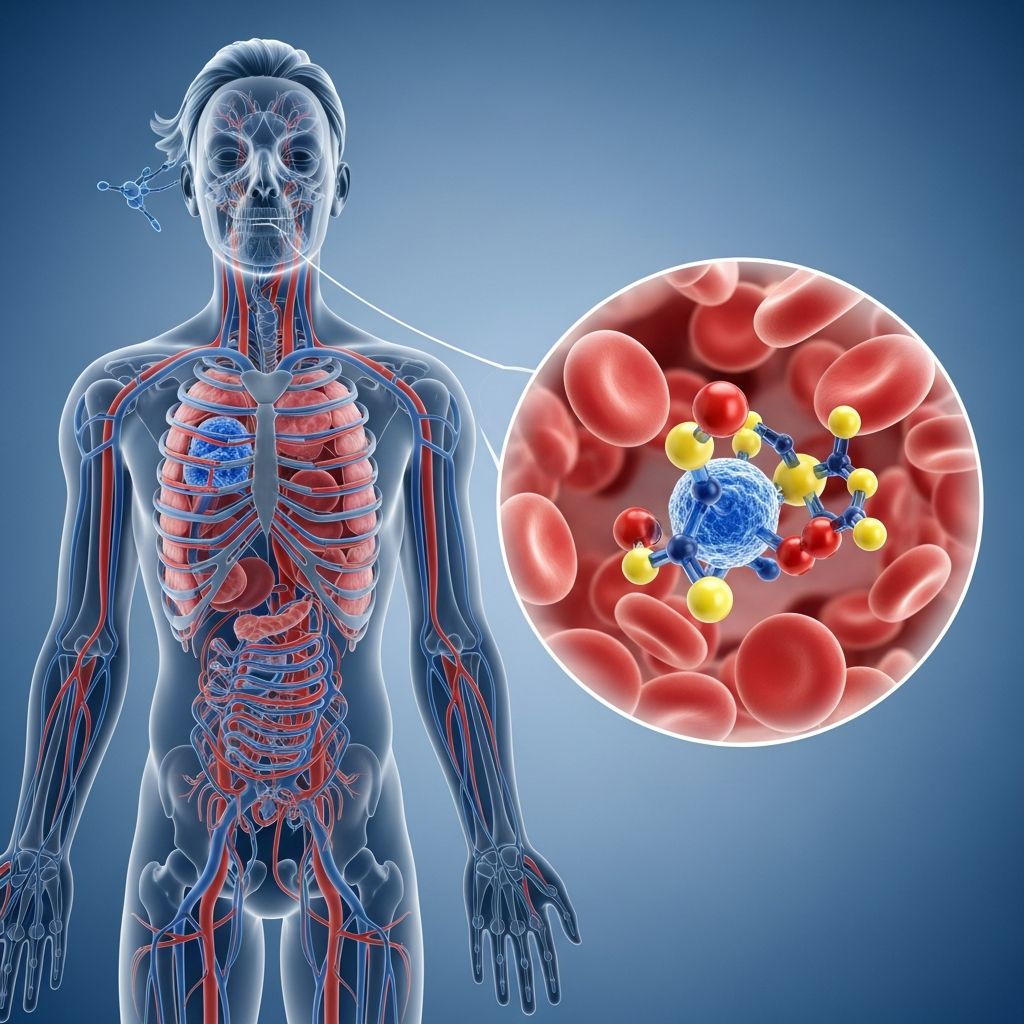
Hypoglycemia, commonly referred to as low blood sugar, occurs when the glucose level in your bloodstream drops below the healthy range. While this condition is most prevalent in people with diabetes, it can also affect individuals without diabetes in certain circumstances. Understanding hypoglycemia is crucial because if left untreated, severe low blood sugar can become life-threatening. Glucose serves as your body’s primary source of energy, and your blood carries it to all cells for fuel. This is especially critical for your brain, which depends on a continuous glucose supply to function properly. When blood sugar drops too low, your brain cannot function adequately, leading to serious complications.
What Causes Hypoglycemia?
Hypoglycemia most commonly develops due to excess insulin in the bloodstream. This excess can occur in two ways: either your body naturally produces too much insulin, or you inject too much synthetic insulin as part of diabetes management. However, several other hormonal and metabolic issues can also lead to low blood sugar episodes. Understanding the specific cause of your hypoglycemia is essential for developing an effective prevention strategy and managing your blood sugar levels long-term.
Recognizing Hypoglycemia Symptoms
Most people experience symptoms of hypoglycemia when their blood glucose level drops to 70 mg/dL or lower. However, it is important to note that some individuals may experience symptoms at relatively higher glucose levels, particularly those with chronic hyperglycemia (high blood sugar). When you have persistently elevated blood sugar, your body adapts to this as its “normal” level, altering the point at which low blood sugar symptoms become noticeable.
Early Warning Signs
The body produces characteristic warning signs when blood sugar begins to drop. These early symptoms typically include:
- Shakiness and trembling
- A faster or irregular heartbeat
- Sweating
- Anxiety and nervousness
- Hunger
- Tingling around the mouth
- Irritability
- Weakness and fatigue
Severe Hypoglycemia Symptoms
If hypoglycemia progresses without treatment, more serious symptoms can develop. These severe symptoms may include confusion, difficulty concentrating, blurred or double vision, slurred speech, clumsiness, and in extreme cases, loss of consciousness or seizures. Severe hypoglycemia is particularly common in people with diabetes who use insulin, and it represents a medical emergency that requires immediate intervention.
Hypoglycemia Unawareness: A Hidden Risk
One particularly dangerous aspect of hypoglycemia is a condition known as hypoglycemia unawareness. Some people with low blood sugar episodes do not experience symptoms or fail to recognize them when they occur. This condition means that individuals may not receive their body’s natural warning signs, leaving them vulnerable to severe episodes without realizing what is happening. People with hypoglycemia unawareness are significantly more likely to experience severe hypoglycemic episodes and require medical intervention. This makes regular blood sugar monitoring even more critical for affected individuals.
Immediate Treatment for Hypoglycemia
Hypoglycemia requires immediate treatment to prevent serious complications. The recommended approach for treating mild to moderate hypoglycemia involves consuming fast-acting carbohydrates to raise blood sugar quickly.
The 15-15 Rule
The American Diabetes Association recommends a straightforward method called the “15-15 rule” for treating mild to moderate hypoglycemia:
- Consume 15 grams of fast-acting carbohydrates
- Wait 15 minutes and recheck your blood sugar
- If your blood sugar remains low, consume another 15 grams of carbohydrates
- Repeat this process until blood sugar returns to normal levels
Fast-Acting Carbohydrate Options
Common foods and drinks containing approximately 15 grams of fast-acting carbohydrates include:
- 4 ounces of fruit juice
- 4 ounces of regular soda (not diet)
- 1 tablespoon of honey or corn syrup
- 3-4 glucose tablets
- 5-6 hard candies
- 1 tablespoon of peanut butter
- 15 grams of white bread or one slice of bread
Related Stories



Always check food nutrition labels to determine the exact carbohydrate content and ensure you are consuming the appropriate amount.
Treating Severe Hypoglycemia
Severe hypoglycemia requires emergency medical intervention and cannot be managed with oral carbohydrates alone. This condition demands treatment with emergency glucagon injection and/or immediate medical attention. Glucagon is a hormone that works to raise blood glucose levels rapidly. If you have diabetes and use insulin, it is essential to have a glucagon emergency kit available and to teach family members or close contacts how to administer it in case of severe hypoglycemia.
When to Seek Immediate Help
If you are experiencing symptoms of hypoglycemia and are unable to check your blood sugar level, treat the hypoglycemia immediately by consuming fast-acting carbohydrates. Do not wait for confirmation through blood testing. Call emergency services if:
- You lose consciousness
- You experience seizures
- Symptoms do not improve within 15-20 minutes of consuming carbohydrates
- You cannot safely consume food or beverages
- Blood sugar remains critically low after multiple treatment attempts
Monitoring and Prevention Strategies
Preventing hypoglycemic episodes is preferable to treating them after they occur. Regular blood sugar monitoring is fundamental to prevention efforts. Continuous glucose monitoring (CGM) devices have emerged as particularly helpful tools for identifying and preventing low blood sugar. These devices can be programmed to alert you when blood sugar drops to predetermined levels, which is especially valuable during times when hypoglycemia could be dangerous, such as while sleeping or driving.
Managing Reactive Hypoglycemia
Reactive hypoglycemia occurs when your body experiences low blood sugar after eating a meal, typically approximately two hours after consuming food. This condition often results from consuming foods that are broken down and digested rapidly into glucose, causing a quick spike in blood sugar followed by a rapid plunge. Managing reactive hypoglycemia involves reducing consumption of simple carbohydrates and simple sugars, including items like brown sugar and sugar-heavy drinks. By modifying your diet to include more complex carbohydrates and balanced meals, you can help prevent these reactive episodes from occurring.
Special Considerations for Non-Diabetic Hypoglycemia
While hypoglycemia is most common in people with diabetes, it can occasionally affect individuals without diabetes. If you are experiencing low blood sugar episodes and do not have diabetes, it is important to consult with your healthcare provider. Although the underlying cause is rarely a serious condition, it is always better to seek medical evaluation sooner rather than later to identify any potential health issues and receive appropriate guidance.
Working With Your Healthcare Provider
If you experience frequent hypoglycemic episodes, it is essential to work closely with your healthcare provider to adjust your diabetes management plan. The more you understand about what is causing your low blood sugar episodes, the easier it will be to modify your treatment approach and prevent future occurrences. Your provider can help you identify patterns, adjust medication doses, modify your diet, or implement other strategies tailored to your specific situation.
Long-Term Management and Prevention
Learning your personal warning signs for low blood sugar and monitoring your blood sugar regularly are crucial components of long-term hypoglycemia management. Keeping a blood sugar log can help you identify patterns and triggers that lead to low blood sugar episodes. By maintaining awareness of your body’s signals and taking proactive steps to manage your blood glucose levels, you can significantly reduce the frequency and severity of hypoglycemic episodes while maintaining better overall health.
Frequently Asked Questions About Hypoglycemia
Q: What blood sugar level is considered hypoglycemia?
A: Most people experience symptoms of hypoglycemia when blood glucose drops to 70 mg/dL or below. However, individuals with chronic high blood sugar may experience symptoms at higher levels due to their altered baseline.
Q: How quickly do hypoglycemia symptoms develop?
A: Hypoglycemia symptoms can develop rapidly, sometimes within minutes of blood sugar dropping. This is why immediate treatment is crucial when symptoms appear.
Q: Can hypoglycemia occur in people without diabetes?
A: Yes, while uncommon, hypoglycemia can occur in people without diabetes due to hormonal or metabolic issues. Anyone experiencing unexplained low blood sugar should consult with a healthcare provider.
Q: Is hypoglycemia an emergency?
A: Mild to moderate hypoglycemia can be treated at home with fast-acting carbohydrates. However, severe hypoglycemia with loss of consciousness or seizures is a medical emergency requiring immediate professional intervention.
Q: How can I prevent hypoglycemia?
A: Prevention strategies include regular blood sugar monitoring, using continuous glucose monitors, eating balanced meals, adjusting insulin doses as needed, and working with your healthcare provider to optimize your diabetes management plan.
Q: What should I keep on hand for treating hypoglycemia?
A: Keep fast-acting carbohydrates readily available such as glucose tablets, fruit juice, hard candies, or honey. If you use insulin, also keep a glucagon emergency kit available and ensure family members know how to use it.
Q: What is hypoglycemia unawareness?
A: Hypoglycemia unawareness is a condition where individuals do not experience or recognize warning symptoms of low blood sugar, making them more vulnerable to severe episodes.
References
- Hypoglycemia (Low Blood Sugar): Symptoms & Treatment — Cleveland Clinic. 2024. https://my.clevelandclinic.org/health/diseases/11647-hypoglycemia-low-blood-sugar
- Standards of Care in Diabetes — American Diabetes Association. 2024. https://care.diabetesjournals.org/content/47/Supplement_1/S1
- Hypoglycemia in Diabetes: Common, Often Unrecognized — Cleveland Clinic Journal of Medicine. 2004. https://www.ccjm.org/content/71/4/335
- How to Treat Reactive Hypoglycemia — Cleveland Clinic Health. 2024. https://health.clevelandclinic.org/how-to-treat-reactive-hypoglycemia
- Hypoglycemia — Cleveland Clinic Journal of Medicine. 2004. https://www.ccjm.org/content/ccjom/71/4/343.full.pdf
- Diabetes: What It Is, Causes, Symptoms, Treatment & Types — Cleveland Clinic. 2024. https://my.clevelandclinic.org/health/diseases/7104-diabetes
Similar Articles








Read full bio of medha deb