Hypoglycemia Symptoms: Recognition and Management
Learn to recognize hypoglycemia symptoms and understand when immediate treatment is needed.
Understanding Hypoglycemia: What You Need to Know
Hypoglycemia is a condition in which blood glucose levels fall below the normal range, typically below 70 mg/dL (3.9 mmol/L). This condition is not a disease itself but rather a sign that something requires immediate attention. The brain and other vital tissues in the body rely on glucose as their primary fuel source to function properly. When blood sugar drops too low, these organs cannot operate optimally, leading to a range of symptoms that can develop quickly and require prompt intervention.
Glucose comes primarily from the food you eat and is also produced by the liver, which stores a reserve form called glycogen. The body has built-in regulatory mechanisms to maintain blood sugar within a safe range, but when these mechanisms fail or are overwhelmed, hypoglycemia can occur. Understanding the symptoms and causes of hypoglycemia is crucial for anyone with diabetes or at risk for this condition.
Common Symptoms of Hypoglycemia
The symptoms of hypoglycemia can vary from person to person, and they may develop rapidly. Many of these symptoms result from the release of epinephrine (adrenaline), the body’s “fight-or-flight” hormone, which is activated when blood sugar drops. Recognizing these early warning signs is essential for taking prompt action.
Physical Symptoms
- Shakiness or tremors in the hands and body
- Sweating, chills, and clamminess
- Weakness or feeling tired
- Headache
- Cold sweats
- Pale face
- Rapid or pounding heartbeat and palpitations
- Dizziness
- Double or blurry vision
- Tingling sensations
Mental and Emotional Symptoms
- Anxiety, nervousness, or feeling uneasy
- Irritability, impatience, or feeling cranky
- Confusion or difficulty concentrating
- Restlessness
Appetite-Related Symptoms
- Extreme hunger
- Feeling very hungry
Mild Versus Severe Hypoglycemia
The severity of hypoglycemia symptoms depends on how low your blood glucose level has dropped and how quickly it fell. Symptoms do not typically occur all at once; instead, they develop progressively as blood sugar continues to decline. Understanding the difference between mild and severe hypoglycemia helps determine the appropriate response.
Mild Hypoglycemia
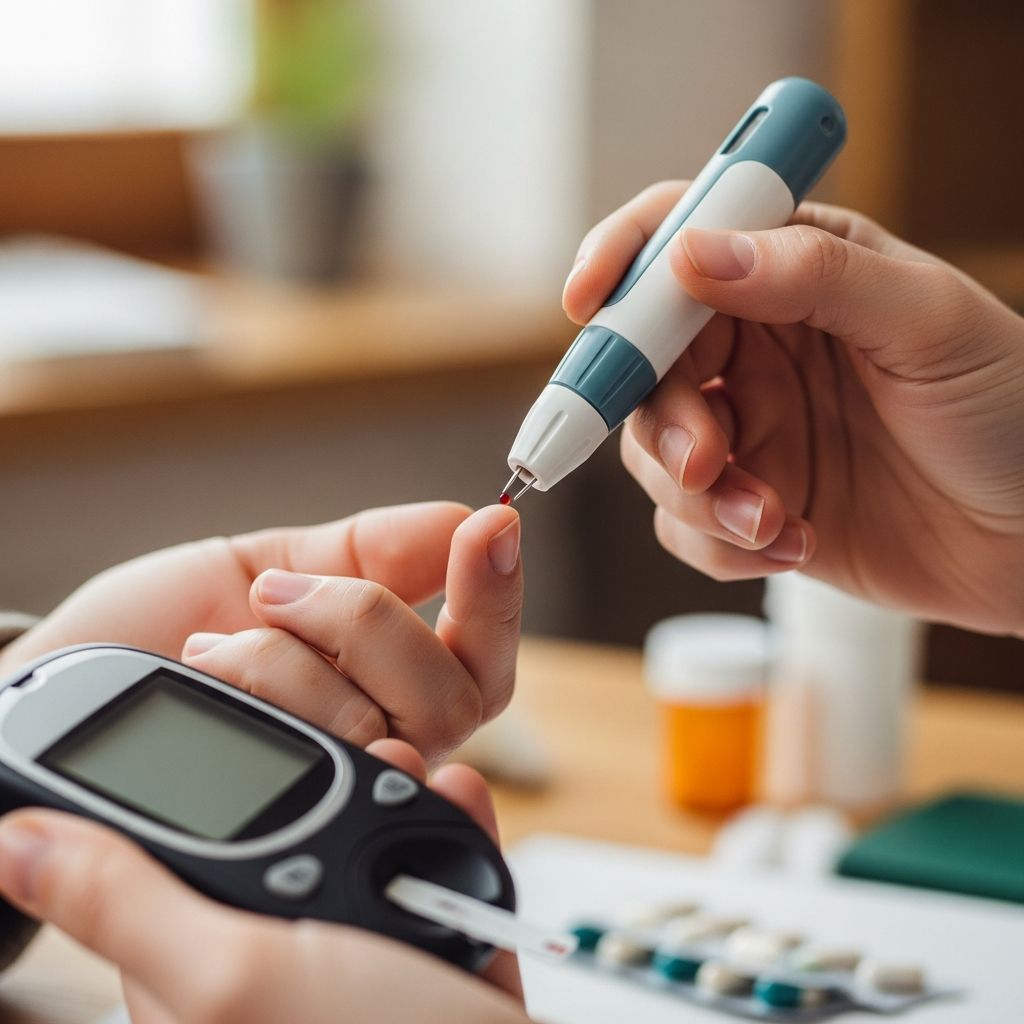
Mild hypoglycemia usually does not cause serious health effects and can be managed with simple interventions. During mild episodes, you may experience shakiness, anxiety, hunger, and difficulty concentrating. Most people retain full consciousness and can self-treat by consuming fast-acting carbohydrates. If you are unsure whether your blood sugar is too low, you can measure it with a glucose meter to confirm.
Severe Hypoglycemia
Severe hypoglycemia is a medical emergency that requires immediate treatment. In severe cases, blood glucose drops so low that the brain’s function becomes significantly impaired. People experiencing severe hypoglycemia may feel drowsy and confused and might even lose consciousness. In extreme cases, severe and prolonged hypoglycemia can result in seizures or even death if not treated promptly. Patients with severe hypoglycemia may experience unconsciousness or seizures due to the critically low blood sugar levels.
What Causes Hypoglycemia?
Hypoglycemia most commonly occurs in people taking diabetes medications, but it can also result from other factors and lifestyle choices. Understanding the underlying causes helps you take preventive measures.
Related Stories



Diabetes Medications
The most common cause of hypoglycemia is medication used to treat diabetes. These include insulin and drugs that stimulate the pancreas to produce more insulin. If these treatments raise insulin levels too high, blood glucose can drop dangerously low.
Eating and Lifestyle Factors
Hypoglycemia can occur when:
- You do not eat when you need to or skip meals
- You eat less food than usual
- You wait too long after taking diabetes medication to eat
- You do not eat enough during meals or snacks after taking insulin or diabetes medicine
- You drink too much alcohol
- You exercise more than usual, especially without adjusting your medication or eating schedule
- You do not check your blood sugar before exercising
Other Causes
While less common, hypoglycemia can also result from other medications, kidney or liver failure, infection, low levels of certain hormones such as cortisol or growth hormone, certain tumors, some types of stomach surgery, and starvation.
Risk Factors for Hypoglycemia
Certain factors increase your risk of experiencing low blood sugar episodes. People with type 1 diabetes are at higher risk because they produce little to no insulin on their own. Additionally, people who have had diabetes for a long time may develop a condition called “hypoglycemic unawareness,” in which they stop being able to sense low blood sugar symptoms. This makes it especially important to monitor blood glucose regularly using devices like continuous glucose monitors.
Taking insulin or diabetes medicine at the wrong time or in excessive amounts significantly increases hypoglycemia risk. Using insulin to correct high blood sugar without eating any food can also trigger a dangerous drop in blood glucose.
How Your Body Regulates Blood Sugar
To understand hypoglycemia better, it helps to know how the body normally maintains blood sugar within a safe range. A normal blood sugar level is between 70 and 110 mg/dL. Between meals, blood sugar gradually decreases, triggering several regulatory mechanisms.
First, the pancreas releases less insulin, which allows glucose to remain in the bloodstream rather than entering cells. If blood sugar continues to decrease, the pancreas releases more glucagon, a hormone that signals the liver to break down glycogen and release glucose into the bloodstream. Additionally, epinephrine triggers the liver and kidneys to increase glucose production. If blood sugar decreases further, hunger signals encourage you to eat foods containing sugars and carbohydrates to raise blood glucose levels.
Emergency Treatment for Severe Hypoglycemia
If someone is experiencing severe hypoglycemia, immediate action is necessary. People with type 1 diabetes often carry a pre-filled syringe containing glucagon, a hormone that makes the liver release sugar into the bloodstream. Someone else can administer this injection if the person becomes unconscious.
If glucagon is not available or cannot be administered, it is critical to call emergency services immediately—911 in the United States—and request medical help. Do not delay seeking emergency assistance, as severe hypoglycemia can quickly become life-threatening.
When to Contact Your Doctor
If you experience frequent or recurring episodes of hypoglycemia, you should contact your doctor. This pattern may indicate an underlying health problem or that your current diabetes treatment plan needs adjustment. Your healthcare provider may recommend lifestyle changes or medication adjustments to help prevent future episodes.
Additionally, if your blood sugar levels keep dropping too low despite your best efforts, schedule an appointment with your doctor to discuss treatment modifications. A healthcare professional can help you optimize your medication dosage, meal timing, and exercise routine to maintain stable blood glucose levels.
Special Considerations: Nighttime Hypoglycemia
Blood sugar levels may drop during the night, potentially making you feel tired and weak when you wake up in the morning. This nighttime hypoglycemia can be particularly dangerous because you may not notice symptoms while sleeping. If you frequently experience these morning symptoms, discuss nighttime glucose monitoring options with your healthcare provider, such as continuous glucose monitors that can alert you to drops in blood sugar while you sleep.
Prevention Strategies
While hypoglycemia cannot always be prevented, several strategies can reduce your risk:
- Check your blood sugar before exercising and adjust your insulin dose or food intake accordingly
- Eat meals and snacks at consistent times
- Eat appropriate amounts of food when taking insulin or diabetes medications
- Take your medications at the correct time and in the prescribed dose
- Monitor your blood sugar regularly
- Limit alcohol consumption
- Inform your healthcare provider about unusual or unexpected physical activity
- Wear a continuous glucose monitor if recommended by your doctor
- Keep fast-acting carbohydrates readily available
The 15-15 Rule for Treating Hypoglycemia
For mild hypoglycemia that you can treat yourself, many healthcare providers recommend the “15-15 rule.” Consume 15 grams of fast-acting carbohydrates—such as 4 ounces of fruit juice, 3-4 glucose tablets, or 1 tablespoon of honey—and wait 15 minutes. Then check your blood sugar again. If it remains below 70 mg/dL, repeat the process. Once blood sugar is above 70 mg/dL, eat a balanced snack containing protein and carbohydrates to prevent another drop.
Living with Hypoglycemia Risk
For people with diabetes or other conditions that increase hypoglycemia risk, awareness and preparedness are key. Always carry a source of fast-acting carbohydrates with you, whether you are at home, work, or traveling. Inform family members, friends, and coworkers about your condition so they can help if an episode occurs. Wear medical identification indicating that you have diabetes or are at risk for hypoglycemia. Maintain regular communication with your healthcare team and attend all scheduled appointments to monitor and adjust your treatment plan as needed.
Frequently Asked Questions About Hypoglycemia
Q: What is the difference between hypoglycemia and hyperglycemia?
A: Hypoglycemia refers to low blood sugar levels (below 70 mg/dL), while hyperglycemia refers to high blood sugar levels. Hypoglycemia is usually a side effect of blood-sugar-lowering medication, whereas hyperglycemia occurs when there is not enough insulin or the insulin does not work properly.
Q: How quickly do hypoglycemia symptoms develop?
A: Symptoms of low blood glucose can develop very quickly, and they do not occur all at once. The speed at which symptoms appear depends on how rapidly your blood sugar is falling and how low it drops.
Q: Can hypoglycemia occur without symptoms?
A: Yes, sometimes your blood sugar may be too low even if you do not have symptoms. People who have had diabetes for a long time may develop hypoglycemic unawareness, a condition in which they lose the ability to sense low blood sugar.
Q: What blood sugar level requires immediate action?
A: A blood sugar level below 54 mg/dL (3.0 mmol/L) is a cause for immediate action. Any level below 70 mg/dL (3.9 mmol/L) is considered low and can harm you.
Q: Is hypoglycemia life-threatening?
A: Mild hypoglycemia typically does not cause serious health effects, but severe and prolonged hypoglycemia can result in seizures, loss of consciousness, and even death if not treated promptly.
Q: Should I always self-treat hypoglycemia?
A: You should only self-treat mild hypoglycemia if you are conscious and able to consume food or glucose tablets safely. If you experience severe symptoms such as loss of consciousness, seizures, or severe confusion, seek emergency medical help immediately.
References
- Hypoglycemia — Endocrine Society. 2024. https://www.endocrine.org/patient-engagement/endocrine-library/hypoglycemia
- Hyperglycemia and Hypoglycemia in Type 2 Diabetes — National Center for Biotechnology Information (NCBI). 2023. https://www.ncbi.nlm.nih.gov/books/NBK279510/
- Hypoglycemia: Patient Information — JAMA Network. 2015. https://jamanetwork.com/journals/jama/fullarticle/2208811
- Low Blood Sugar – Self-Care — MedlinePlus Medical Encyclopedia, U.S. National Library of Medicine. 2024. https://medlineplus.gov/ency/patientinstructions/000085.htm
- What are the Signs of Low Blood Glucose (Hypoglycemia)? — American Diabetes Association. 2024. https://diabetes.org/living-with-diabetes/hypoglycemia-low-blood-glucose/symptoms-treatment
- A to Z: Hypoglycemia — Rady Children’s Health. 2024. https://www.rchsd.org/health-article/a-to-z-hypoglycemia/
Similar Articles








Read full bio of medha deb