Hypoglycemia: Understanding Low Blood Sugar
Comprehensive guide to recognizing, managing, and preventing dangerous low blood sugar episodes.
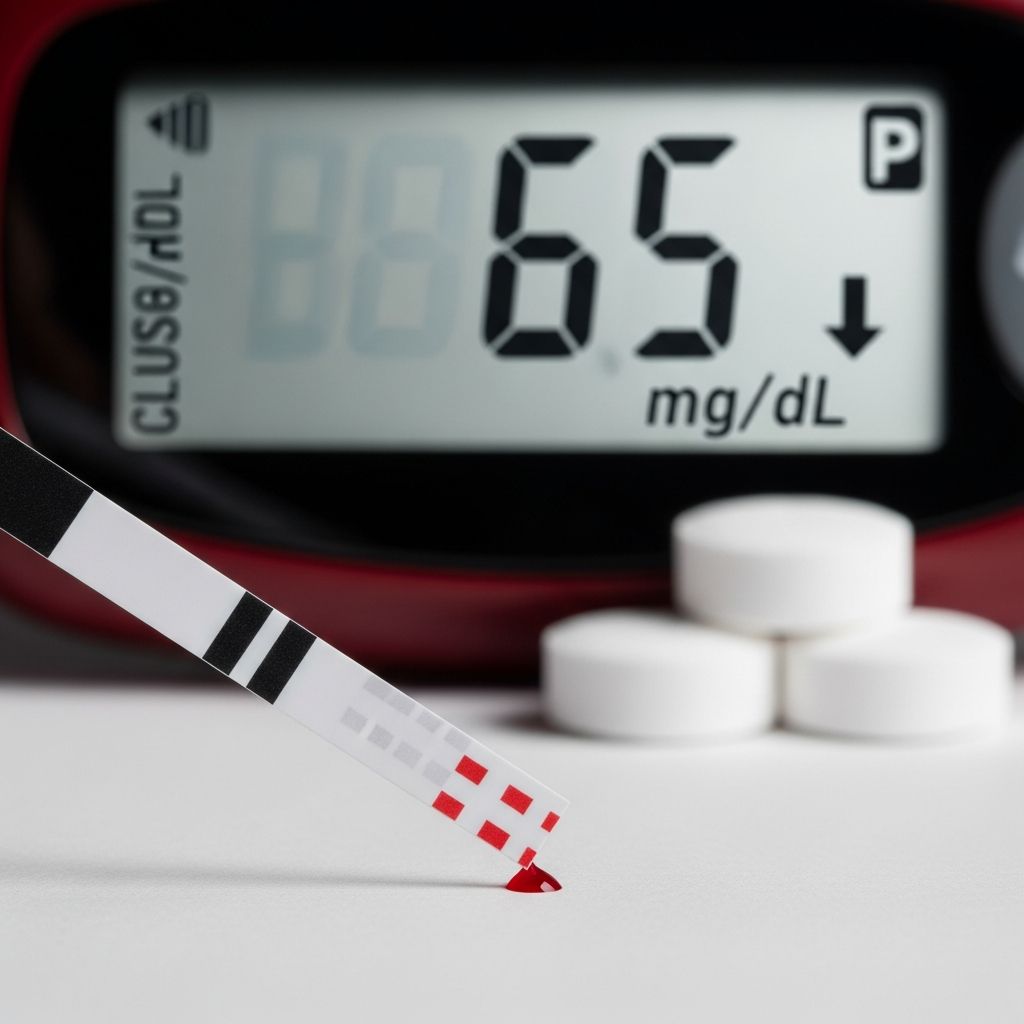
Understanding Hypoglycemia: A Comprehensive Guide to Low Blood Sugar
Hypoglycemia, commonly known as low blood sugar, occurs when glucose levels in the bloodstream fall below normal ranges, typically below 70 mg/dL. This condition represents a significant health concern, particularly for individuals with diabetes who require insulin or other glucose-lowering medications. While the body normally maintains glucose levels within a narrow range to ensure proper brain function and energy production, various factors can cause blood sugar to drop dangerously low. Understanding hypoglycemia, recognizing its symptoms, and knowing how to respond effectively are essential skills for anyone at risk of experiencing this condition.
What Is Hypoglycemia?
Hypoglycemia develops when glucose utilization from the circulation exceeds glucose delivery into the circulation, which normally comes from ingested carbohydrates and hepatic and renal glucose production. The brain relies heavily on glucose for energy, making it particularly vulnerable to the effects of low blood sugar. Because the body has the capacity to increase endogenous glucose production substantially, hypoglycemia typically results from absolutely low rates of glucose production or rates that are low relative to high rates of glucose utilization.
The condition can range from mild to severe, and its severity depends on how quickly blood sugar drops and how low it descends. Severe hypoglycemia events can lead to loss of energy for brain function and create serious medical emergencies requiring immediate intervention.
Causes and Risk Factors
Multiple factors can contribute to the development of hypoglycemia. The most common cause involves individuals taking insulin or other diabetes medications without adequate carbohydrate intake. Several specific risk factors include:
- Taking too much insulin or oral glucose-lowering medications
- Skipping or delaying meals
- Consuming excessive alcohol, particularly without food
- Engaging in intense physical activity without appropriate caloric compensation
- Certain medications or drug interactions
- Hormonal changes or imbalances
- Kidney or liver disease
- Sepsis or severe infections
- Critical illness or ICU admission
Research demonstrates that scheduled insulin therapy increases the odds of hypoglycemic episodes by more than 2.5-fold. Notably, complications of diabetes and other comorbidities, kidney function, liver function test abnormalities, and patient age were not independently associated with changes in hypoglycemia risk in some study populations.
Recognizing Hypoglycemia Symptoms
Early Warning Signs
The body typically provides warning signals when blood sugar begins to drop. These early symptoms result from the release of hormones like adrenaline (epinephrine) and include:
- Shakiness and trembling
- Sweating
- Rapid or pounding heartbeat
- Anxiety or nervousness
- Hunger
- Tingling sensations around the mouth
- Irritability
Neuroglycopenic Symptoms
As blood sugar continues to decline, symptoms reflecting inadequate glucose supply to the brain become more prominent:
- Difficulty concentrating
- Confusion or disorientation
- Headache
- Slurred speech
- Blurred vision
- Drowsiness or fatigue
- Personality changes or inappropriate behavior
- Seizures (in severe cases)
- Loss of consciousness (in severe cases)
Hypoglycemia Unawareness
Some individuals, particularly those with long-standing diabetes, may develop hypoglycemia unawareness—an impairment or even complete loss of the warning symptoms that typically prompt behavioral defense mechanisms. This condition substantially increases the risk of severe hypoglycemic episodes and represents a serious complication requiring careful management strategies.
Related Stories



Immediate Treatment and Emergency Response
The 15-15 Rule
When hypoglycemia is suspected, immediate action is essential. The standard approach involves consuming 15 grams of fast-acting carbohydrates, then waiting 15 minutes before checking blood glucose levels again. Appropriate fast-acting carbohydrate sources include:
- Four to five glucose tablets
- One tube of glucose gel
- Four ounces of fruit juice
- Four ounces of regular (non-diet) soda
- One tablespoon of honey or sugar
- Six to eight hard candies
After consuming the carbohydrate source, individuals should recheck their blood glucose. If levels remain below 70 mg/dL, the process should be repeated. Once blood glucose returns to normal range, a substantial snack or meal containing protein and complex carbohydrates should be consumed to prevent blood sugar from dropping again.
Severe Hypoglycemia Management
When hypoglycemia becomes severe enough to cause confusion, seizures, or loss of consciousness, emergency medical intervention is necessary. Individuals with diabetes should always carry emergency glucagon kits, and caregivers should receive training on glucagon administration. Glucagon is a hormone that raises blood glucose levels and can be administered via injection or nasal spray. Emergency services should be contacted immediately if:
- The person loses consciousness
- Seizures occur
- Severe confusion prevents self-treatment
- The person is unable to swallow safely
- Blood glucose does not improve after 15 minutes of treatment
Clinical Outcomes and Mortality Risk
Hypoglycemia and Hospital Mortality
Hypoglycemia in hospitalized patients represents a serious concern, with research demonstrating significant associations with increased mortality. Hypoglycemic events (blood glucose ≤50 mg/dL) were documented in 7.7% of hospital admissions, with average blood glucose levels during hypoglycemic episodes averaging 41 mg/dL. Mortality among hypoglycemic patients was nine times higher than mortality among control patients (22.1% vs. 2.5%).
The severity of hypoglycemia correlates with mortality risk. Inpatient mortality rates increased progressively from 1.9% for patients whose lowest blood glucose was greater than 39 mg/dL to 8.2% for those with lowest glucose below 30 mg/dL. For every additional day with a hypoglycemic episode, the actual length of hospital stay increased by 2.5 days compared with the average for the diagnosis-related group.
Insulin-Treated Versus Spontaneous Hypoglycemia
Research reveals important distinctions between hypoglycemia in insulin-treated patients and spontaneously occurring hypoglycemia. After controlling for age, sex, comorbidity index, and ICU admission, insulin treatment was associated with lower mortality among hypoglycemic patients, with a hazard ratio of death in the insulin-treated hypoglycemic group relative to the non-insulin-treated hypoglycemic group of 0.34. However, the presence of hypoglycemia in insulin-treated patients still increased their risk of death several-fold compared with insulin-treated patients without hypoglycemia.
Most studies have demonstrated that spontaneous hypoglycemia is associated with increased mortality compared with insulin-induced hypoglycemia. This suggests that hypoglycemia may serve as a marker for disease severity, as patients with more severe illnesses are more likely to develop hypoglycemia regardless of insulin treatment and have higher mortality risk.
Long-Term Management Strategies
Blood Glucose Monitoring
Regular blood glucose monitoring forms the foundation of effective hypoglycemia prevention. Individuals should check blood glucose:
- Before meals
- Before bedtime
- Before driving or operating machinery
- Before and after exercise
- When symptoms suggest low blood sugar
Continuous glucose monitoring systems provide real-time glucose trends and alerts for low blood sugar, enabling more proactive management.
Medication Adjustment
Work with healthcare providers to adjust insulin doses and other medications based on blood glucose patterns. Current American Diabetes Association guidelines recommend avoiding hypoglycemia in hospitalized patients. Regular review of medication regimens helps identify patterns contributing to hypoglycemic episodes.
Nutrition Planning
Consistent meal timing and appropriate carbohydrate distribution throughout the day help maintain stable blood glucose levels. Never skip meals, and always carry fast-acting carbohydrates. Before exercise, consume a snack with carbohydrates and protein.
Alcohol Awareness
Alcohol impairs the liver’s ability to release stored glucose, significantly increasing hypoglycemia risk. If consuming alcohol, do so in moderation and only with food.
Physical Activity Management
Exercise increases glucose utilization and can lower blood sugar for hours afterward. Monitor blood glucose before, during, and after physical activity, and adjust carbohydrate intake or medication accordingly.
Defective Glucose Counterregulation
In certain clinical situations, particularly when therapeutic hyperinsulinemia occurs with absent decrements in insulin and absent increments in glucagon as plasma glucose levels fall, an attenuated epinephrine response can develop. This creates the clinical syndrome of defective glucose counterregulation, which has been shown to increase the risk of severe hypoglycemia by 25-fold or even more. Individuals with this condition require particularly vigilant monitoring and may benefit from continuous glucose monitoring technology and insulin pump therapy with advanced safety features.
Frequently Asked Questions
Q: What blood glucose level defines hypoglycemia?
A: Hypoglycemia is typically defined as blood glucose below 70 mg/dL. Severe hypoglycemia is generally considered blood glucose at or below 50 mg/dL, which can cause confusion, seizures, or loss of consciousness.
Q: Can hypoglycemia occur in people without diabetes?
A: While less common, hypoglycemia can occur in non-diabetic individuals due to medications, alcohol consumption, hormonal disorders, liver disease, or certain genetic conditions. Reactive hypoglycemia can occur several hours after eating.
Q: How quickly should I treat hypoglycemia?
A: Hypoglycemia should be treated immediately once recognized. Delaying treatment can allow blood glucose to continue dropping, increasing the risk of severe symptoms.
Q: What should I do after treating a hypoglycemic episode?
A: After treating hypoglycemia with fast-acting carbohydrates and confirming that blood glucose has normalized, consume a more substantial snack or meal containing protein and complex carbohydrates to prevent another drop in blood sugar.
Q: Is hypoglycemia preventable?
A: While hypoglycemia cannot always be completely prevented, most episodes can be minimized through careful medication management, regular blood glucose monitoring, consistent eating patterns, awareness of physical activity effects, and understanding individual risk factors.
Q: Should I tell my family and coworkers about my hypoglycemia risk?
A: Yes. Close contacts should understand hypoglycemia symptoms and know how to provide assistance if severe episodes occur. Coworkers should be aware in case you need to treat hypoglycemia during work hours.
Q: What is the difference between hypoglycemia and hyperglycemia?
A: Hypoglycemia is low blood sugar (below 70 mg/dL) and develops rapidly, causing acute symptoms. Hyperglycemia is high blood sugar (above 100 mg/dL fasting or 140 mg/dL after meals) and develops more gradually, potentially causing long-term complications if left untreated.
References
- Hypoglycemia, With or Without Insulin Therapy, Is Associated With Increased Mortality — Diabetes Care, American Diabetes Association. 2013-02-15. https://diabetesjournals.org/care/article/36/5/1107/29686/Hypoglycemia-With-or-Without-Insulin-Therapy-Is
- Hypoglycemia and Clinical Outcomes in Patients With Diabetes — PLOS Medicine, National Center for Biotechnology Information. 2009-02-10. https://pmc.ncbi.nlm.nih.gov/articles/PMC2699723/
- Evaluation and Management of Adult Hypoglycemic Disorders — Journal of Clinical Endocrinology & Metabolism, Oxford Academic. 2009-03-01. https://academic.oup.com/jcem/article/94/3/709/2596247
- Sugar and the Brain — Harvard Medical School. 2024. https://hms.harvard.edu/news-events/publications-archive/brain/sugar-brain
Similar Articles








Read full bio of medha deb