Hypogonadism In Males: Causes, Symptoms & Treatment Guide
Comprehensive guide to male hypogonadism: causes, symptoms, diagnosis, and effective treatments for this hormonal disorder.

Male hypogonadism is a condition characterised by deficient testosterone secretion by the testes, leading to androgen deficiency and impaired spermatogenesis. It can manifest in various forms, affecting physical development, sexual function, and overall health in males of all ages.
What is Hypogonadism?
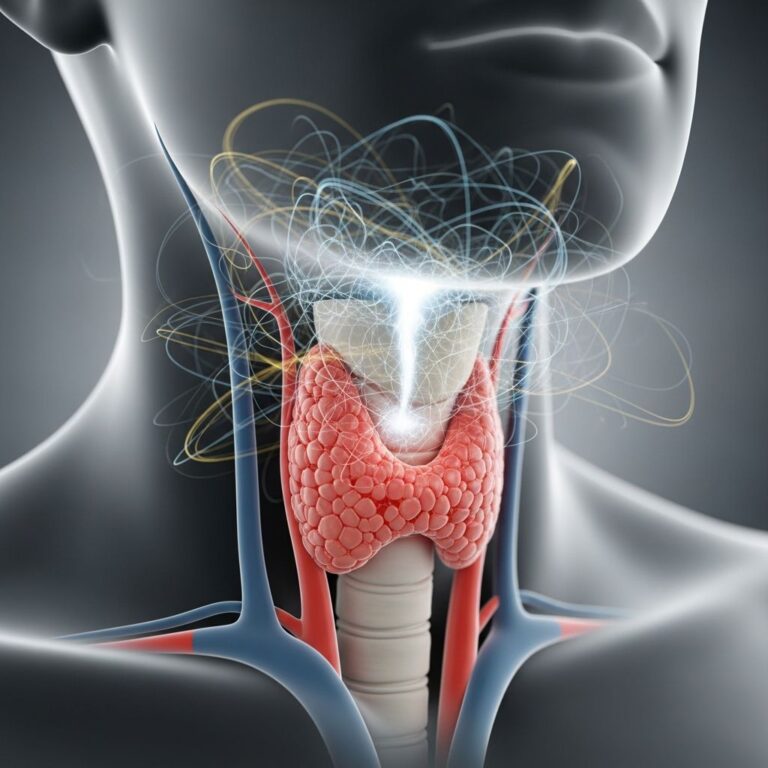
Hypogonadism refers to decreased function of the gonads, specifically the testes in males, resulting in reduced production of sex hormones like testosterone. This condition disrupts the normal hypothalamic-pituitary-gonadal (HPG) axis, where the hypothalamus releases gonadotropin-releasing hormone (GnRH) to stimulate the pituitary gland to produce luteinizing hormone (LH) and follicle-stimulating hormone (FSH), which in turn signal the testes to produce testosterone and sperm.
The testes have two primary functions: testosterone production by Leydig cells and spermatogenesis by Sertoli cells in the seminiferous tubules. Dysfunction in this mechanism leads to symptoms ranging from incomplete puberty in adolescents to infertility and metabolic issues in adults.
Who Gets Hypogonadism?
Hypogonadism can occur at any age, from fetal development through adulthood. It affects approximately 2-6% of adult males, with higher prevalence in older populations and those with comorbidities like obesity or diabetes. Risk factors include genetic predispositions, such as Klinefelter syndrome, and acquired causes like trauma or infections.
- Congenital forms: Present from birth, often due to genetic anomalies.
- Acquired forms: Develop later from injury, radiation, chemotherapy, or chronic illnesses.
What Causes Hypogonadism?
Hypogonadism is classified into primary (hypergonadotropic) and secondary (hypogonadotropic) types based on the site of dysfunction.
Primary Hypogonadism
Primary hypogonadism arises from testicular failure, where the testes cannot respond adequately to LH and FSH, leading to elevated gonadotropin levels. Common causes include:
- Klinefelter syndrome (47,XXY karyotype).
- Cryptorchidism or anorchia.
- Trauma, orchitis (e.g., mumps), or chemotherapy/radiation.
- Autoimmune disorders or toxins.
Secondary Hypogonadism
Secondary hypogonadism results from hypothalamic or pituitary dysfunction, causing low or inappropriately normal LH/FSH levels despite low testosterone. Causes encompass:
- Kallmann syndrome (with anosmia).
- Pituitary tumours or hyperprolactinemia.
- Infiltrative diseases like hemochromatosis or sarcoidosis.
- Chronic illnesses, obesity, or opioid use.
Obesity suppresses the HPG axis via increased aromatase activity and inflammation, mimicking secondary hypogonadism.
Clinical Features
Symptoms vary by onset: pre-pubertal (delayed puberty) or post-pubertal (adult-onset). Key features include:
- Sexual/reproductive: Decreased libido, erectile dysfunction, loss of morning erections, infertility, small testes, micropenis, or gynecomastia.
- Systemic: Fatigue, depression, reduced muscle mass, increased body fat, osteoporosis, and anaemia.
- Fetal/developmental: Ambiguous genitalia, hypospadias, or cryptorchidism.
| Age of Onset | Key Symptoms |
|---|---|
| Fetal | Ambiguous genitalia, underdeveloped penis/scrotum |
| Pre-pubertal | Failure of puberty, eunuchoid proportions, high-pitched voice |
| Adult | Low libido, ED, fatigue, gynecomastia, bone loss |
Diagnosis
Diagnosis requires clinical symptoms plus biochemical confirmation of low testosterone. Early morning fasting total testosterone <300 ng/dL on two occasions confirms deficiency.
- First-line tests: Serum total testosterone, LH, FSH.
- Additional: Free testosterone (if high SHBG), semen analysis, prolactin, iron studies, DEXA scan for bone density.
- Imaging: MRI pituitary for secondary causes; karyotype for primary.
Normocytic anaemia and elevated gonadotropins help differentiate primary from secondary.
Treatment
Testosterone replacement therapy (TRT) is the cornerstone for symptomatic hypogonadism, aiming to restore physiologic levels. Forms include:
Related Stories



- Injections (e.g., testosterone enanthate every 1-2 weeks).
- Gels, patches, or buccal tablets for steady levels.
- Pellets for long-term release.
For fertility preservation in secondary hypogonadism, use hCG and recombinant FSH to stimulate spermatogenesis. Address underlying causes like obesity or prolactinomas.
Contraindications include prostate/breast cancer; monitor for erythrocytosis, prostate issues.
Complications
Untreated hypogonadism leads to osteoporosis, fractures, metabolic syndrome, cardiovascular risks, and profound impacts on quality of life.
- Bone loss from low testosterone and high SHBG.
- Infertility and psychological distress.
Prevention
Prevent acquired forms by avoiding testicular trauma, treating infections promptly, and minimising chemotherapy exposure. Lifestyle measures like weight management prevent obesity-related hypogonadism.
Frequently Asked Questions (FAQs)
Q: What are the first signs of male hypogonadism?
A: Common early signs include decreased libido, fatigue, erectile dysfunction, and loss of morning erections.
Q: Can hypogonadism be reversed?
A: Reversible if secondary to treatable causes like obesity or medications; primary forms often require lifelong therapy.
Q: Is testosterone therapy safe long-term?
A: Generally safe with monitoring for prostate health, erythrocytosis, and cardiovascular risks.
Q: Does hypogonadism cause infertility?
A: Yes, due to impaired spermatogenesis; fertility can often be restored with specific gonadotropin therapies.
Q: How is low testosterone diagnosed?
A: By morning blood tests showing testosterone <300 ng/dL plus symptoms, confirmed twice, with LH/FSH levels.
This comprehensive overview draws from leading medical institutions to provide accurate, evidence-based information on male hypogonadism. Early diagnosis and treatment significantly improve outcomes and quality of life.
References
- Hypogonadism | Conditions – UCSF Health — UCSF Health. 2023. https://www.ucsfhealth.org/conditions/hypogonadism
- Hypogonadism in men – Symptoms, diagnosis and treatment — BMJ Best Practice. 2024-01-15. https://bestpractice.bmj.com/topics/en-us/1093
- Male hypogonadism | UM Health-Sparrow — University of Michigan Health-Sparrow. 2023. https://www.uofmhealthsparrow.org/departments-conditions/conditions/male-hypogonadism
- Male Hypogonadism | Choose the Right Test — ARUP Consult. 2024. https://arupconsult.com/content/hypogonadism-male
- Low Testosterone (Low T): Causes, Symptoms & Treatment — Cleveland Clinic. 2023-10-03. https://my.clevelandclinic.org/health/diseases/15603-low-testosterone-male-hypogonadism
Similar Articles








Read full bio of Sneha Tete