Hypopigmentation: Causes, Symptoms & Treatment
Complete guide to hypopigmentation: understand causes, recognize symptoms, and explore treatment options.
Understanding Hypopigmentation
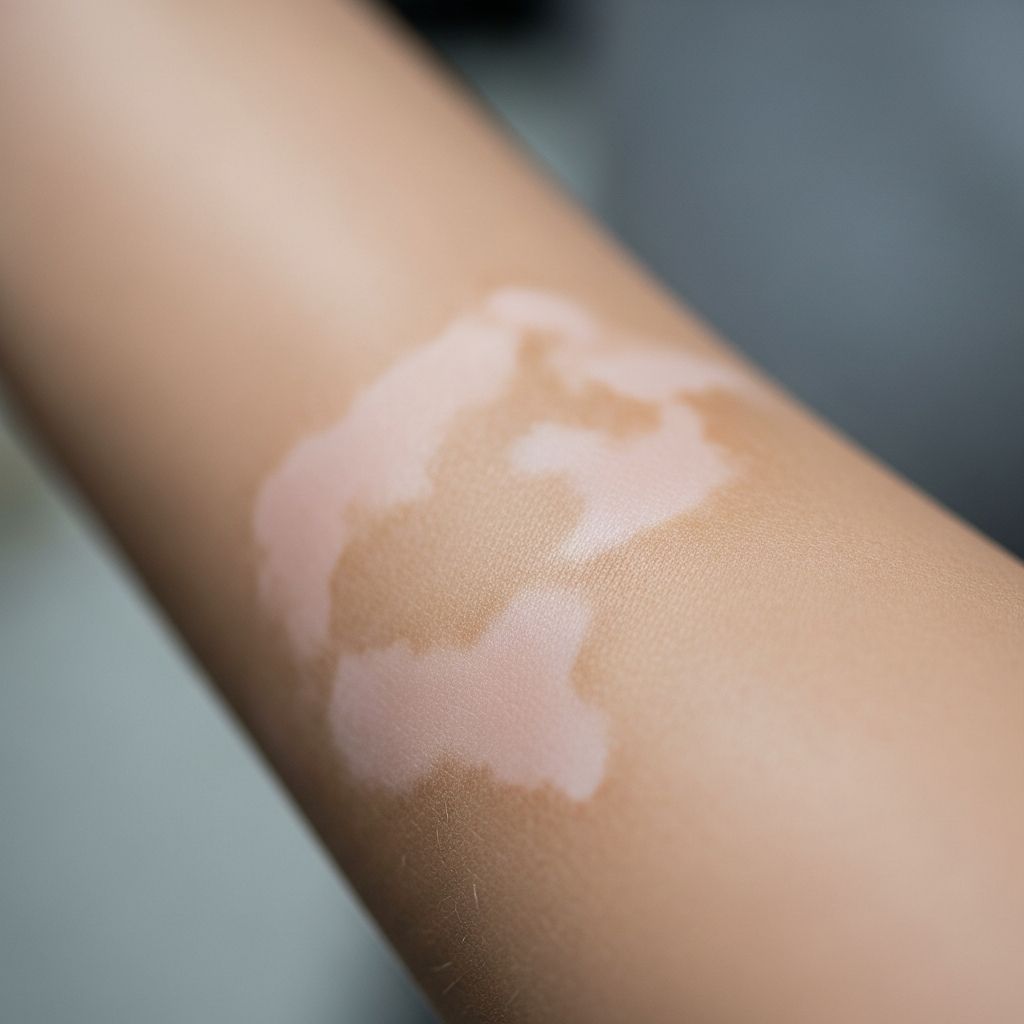
Hypopigmentation is a skin condition characterized by the development of light patches or areas on the skin where there is a reduced amount of melanin, the pigment that gives skin its color. Unlike hyperpigmentation, which involves excessive darkening of the skin, hypopigmentation results in lighter-than-normal skin tone in affected areas. This condition can affect people of all skin types, though it may be more noticeable in individuals with darker skin tones due to the contrast between affected and unaffected areas.
The condition is purely cosmetic in nature and does not pose any health risks to the body itself. However, for many individuals, hypopigmentation can be emotionally distressing, affecting self-confidence and quality of life. Understanding the underlying causes, recognizing symptoms early, and exploring available treatment options can help individuals manage this condition effectively.
What Causes Hypopigmentation?
Hypopigmentation can develop due to various causes, ranging from genetic factors to environmental triggers and underlying medical conditions. Understanding these causes is essential for proper diagnosis and treatment planning.
Genetic and Congenital Causes
Some individuals are born with hypopigmentation as a result of genetic conditions. Piebaldism is a hereditary disorder characterized by patches of depigmented skin present from birth, typically on the face, chest, and extremities. Tuberous sclerosis complex (TSC) is another genetic condition where over 90% of patients develop hypopigmented macules as one of the earliest clinical manifestations.
Vitiligo
Vitiligo is one of the most common causes of hypopigmentation worldwide. This autoimmune disorder occurs when the body’s immune system attacks and destroys melanocytes, the cells responsible for producing melanin. The condition typically presents as well-defined white patches that can appear anywhere on the body. Vitiligo can develop at any age, though it often appears before age 20. The exact triggers for vitiligo remain unclear, but genetic predisposition, environmental factors, and stress are believed to play significant roles.
Post-Inflammatory Hypopigmentation
Hypopigmentation can develop following an inflammatory skin condition or injury. When inflammation resolves, it may leave behind areas of reduced pigmentation. This can occur after conditions such as eczema, psoriasis, infections, or even after cosmetic procedures. Post-inflammatory hypopigmentation is typically temporary and tends to improve over time as the skin heals.
Chemical Exposure
Exposure to certain chemicals can trigger hypopigmentation. Monobenzone, a chemical used in some industrial applications and skincare products, is known to cause depigmentation. Prolonged exposure to phenolic compounds and other depigmenting agents can also result in hypopigmented patches.
Other Medical Conditions
Various medical conditions can lead to hypopigmentation, including pityriasis alba, a common condition that causes light, scaly patches, particularly in children. Tinea versicolor, a fungal infection, can also present with hypopigmented areas. Additionally, certain systemic diseases and nutritional deficiencies may contribute to the development of hypopigmented patches.
Recognizing Symptoms of Hypopigmentation
The primary symptom of hypopigmentation is the appearance of lighter-colored patches or spots on the skin. The characteristics of these patches can vary depending on the underlying cause:
Related Stories



Appearance and Distribution
Hypopigmented areas typically appear as light or white patches that contrast with the surrounding normal skin. These patches may be small and localized or large and widespread, depending on the specific condition. The borders of hypopigmented areas can be well-defined or gradual, and the patches may be round, oval, or irregular in shape. Common locations include the face, hands, feet, and areas of frequent skin trauma.
Associated Symptoms
Depending on the underlying cause, individuals may experience additional symptoms. Some people report mild itching or burning sensations in affected areas. In conditions like pityriasis alba, the hypopigmented patches may be scaly or slightly raised. Vitiligo patches are typically smooth but may expand over time. Some individuals may experience increased sun sensitivity in affected areas due to the reduced melanin production.
How is Hypopigmentation Diagnosed?
Accurate diagnosis of hypopigmentation is crucial for determining the appropriate treatment approach. Healthcare providers use several diagnostic methods to identify the underlying cause.
Physical Examination
A visual examination by a dermatologist or healthcare provider is the first step in diagnosing hypopigmentation. The provider will assess the size, shape, location, and distribution of hypopigmented patches. They will also examine the texture of the affected skin and look for any accompanying symptoms or signs.
Wood’s Lamp Examination
A Wood’s lamp, which emits ultraviolet (UV) light, is frequently used to examine hypopigmented areas more clearly. This specialized lamp helps enhance the visibility of hypopigmented patches and can help differentiate vitiligo from other skin conditions like pityriasis alba or ash leaf macules. Under Wood’s lamp illumination, hypopigmented areas typically appear brighter and more clearly demarcated from surrounding skin.
Medical History Assessment
Your healthcare provider will ask detailed questions about your medical history, including when the hypopigmentation first appeared, whether it has changed or spread over time, and any associated symptoms. Family history is particularly important, as certain types of hypopigmentation have genetic components. The provider will also inquire about recent infections, inflammatory skin conditions, chemical exposures, or trauma to affected areas.
Additional Testing
In some cases, additional diagnostic tests may be necessary. A skin biopsy, where a small sample of affected skin is examined under a microscope, can help confirm certain diagnoses. Blood tests may be performed if an underlying systemic condition is suspected. Depending on the suspected cause, imaging studies or other specialized tests might be recommended.
Treatment Options for Hypopigmentation
Treatment approaches for hypopigmentation vary depending on the underlying cause, the extent of the condition, and individual preferences. While some cases of hypopigmentation may resolve on their own, others require active treatment.
Topical Medications
Topical medications are often the first line of treatment for localized hypopigmentation. Corticosteroids can be applied to affected areas to help promote repigmentation, particularly in vitiligo. Calcineurin inhibitors such as tacrolimus and pimecrolimus are alternative topical options that can help stimulate melanocyte function without the side effects associated with prolonged steroid use. For post-inflammatory hypopigmentation, moisturizers and gentle skincare products can support the skin’s natural healing process.
Phototherapy and Light-Based Treatments
Light therapy is an effective treatment option for hypopigmentation, particularly for vitiligo. Ultraviolet B (UVB) light therapy uses controlled doses of UVB radiation to stimulate melanocyte activity and promote repigmentation. Treatment typically involves multiple sessions over several weeks or months. For more extensive vitiligo, PUVA therapy (psoralen plus ultraviolet A light) combines oral or topical psoralen medication with controlled UVA light exposure. Excimer laser therapy, which delivers targeted 308-nanometer light to affected areas, is another option that shows promise in promoting repigmentation.
Depigmentation Therapy
In cases of extensive vitiligo where repigmentation is not successful or desired, depigmentation therapy may be considered. This approach involves using monobenzone, a topical depigmenting agent that reduces melanin in the remaining pigmented skin to create a uniform, depigmented appearance. This option is typically reserved for individuals with widespread vitiligo covering more than 50% of the body surface area.
Surgical and Advanced Procedures
For certain cases of vitiligo and other localized hypopigmentation, surgical interventions may be considered. Skin grafting involves transplanting pigmented skin from unaffected areas to hypopigmented patches. Melanocyte transplantation is a specialized procedure where melanocytes are harvested and transplanted to affected areas. These procedures are typically reserved for stable vitiligo that has not spread for at least one year.
Combination Approaches
Often, the most effective treatment combines multiple approaches. A dermatologist may recommend using topical medications alongside phototherapy for enhanced results. Combining different treatment modalities can lead to better outcomes and faster repigmentation compared to monotherapy.
Lifestyle and Self-Care Recommendations
Beyond medical treatments, several lifestyle modifications and self-care strategies can help manage hypopigmentation and prevent complications:
Sun Protection
Hypopigmented areas have reduced melanin, making them more susceptible to sun damage and sunburn. Strict sun protection is essential, including wearing broad-spectrum sunscreen with SPF 30 or higher daily, protective clothing, hats, and sunglasses. Avoiding peak sun hours and seeking shade when possible can significantly reduce UV exposure to affected areas.
Skincare Practices
Using gentle, fragrance-free skincare products can minimize skin irritation and inflammation. Avoiding harsh soaps, exfoliants, and irritating chemicals helps maintain skin barrier integrity. Regular moisturizing with appropriate products for your skin type supports skin health and healing.
Cosmetic Camouflage
Many individuals benefit from cosmetic camouflage options, including high-coverage makeup, self-tanning products, or camouflage creams specifically designed for vitiligo and hypopigmentation. These products can significantly improve appearance and boost confidence while pursuing medical treatments.
Stress Management
Since stress may trigger or exacerbate certain types of hypopigmentation, particularly vitiligo, implementing stress-reduction techniques such as meditation, yoga, regular exercise, and adequate sleep can be beneficial.
Frequently Asked Questions
Q: Is hypopigmentation permanent?
A: The permanence of hypopigmentation depends on its underlying cause. Post-inflammatory hypopigmentation may resolve spontaneously over time. Vitiligo, however, is typically a chronic condition requiring ongoing management. Early treatment can help slow progression and promote repigmentation.
Q: Can hypopigmentation spread to other areas of the body?
A: Yes, certain types of hypopigmentation, particularly vitiligo, can spread to other areas. The rate of spread varies among individuals. Some people experience rapid progression, while others have stable disease. This is another reason early treatment and proper diagnosis are important.
Q: What is the difference between hypopigmentation and vitiligo?
A: Hypopigmentation is a general term describing reduced skin pigmentation from various causes. Vitiligo is a specific autoimmune condition causing hypopigmentation. All vitiligo is hypopigmentation, but not all hypopigmentation is vitiligo.
Q: Are there any natural remedies for hypopigmentation?
A: While some natural approaches like turmeric, ginger, and other herbs have been studied for potential benefits, there is limited scientific evidence supporting their effectiveness. It is essential to consult with a healthcare provider before trying home remedies to avoid delaying evidence-based treatment.
Q: How long does hypopigmentation treatment take to show results?
A: Treatment timelines vary significantly depending on the underlying cause, the extent of hypopigmentation, and the chosen treatment approach. Some treatments may show results within weeks, while others require several months to demonstrate effectiveness. Consistency with treatment is crucial for optimal outcomes.
Q: Is hypopigmentation dangerous or contagious?
A: Hypopigmentation is not dangerous to physical health and is not contagious. It is primarily a cosmetic concern. However, individuals should protect hypopigmented areas from sun exposure to prevent UV damage and skin cancer risk.
References
- Vitiligo: Types, Symptoms, Causes, Treatment & Recovery — Cleveland Clinic. 2024. https://my.clevelandclinic.org/health/diseases/12419-vitiligo
- Skin Discoloration: Causes, Conditions & Treatments — Cleveland Clinic. 2024. https://my.clevelandclinic.org/health/symptoms/11014-skin-discoloration
- Hyperpigmentation and Hypopigmentation — WebMD. 2024. https://www.webmd.com/skin-problems-and-treatments/hyperpigmentation-hypopigmentation
- Tuberous Sclerosis Complex — Cleveland Clinic Journal of Medicine. 2021. https://www.ccjm.org/content/88/7/367
- Hypopigmentation in Frontal Fibrosing Alopecia — PubMed Central, National Institutes of Health. 2017. https://pubmed.ncbi.nlm.nih.gov/28522041/
Similar Articles








Read full bio of medha deb