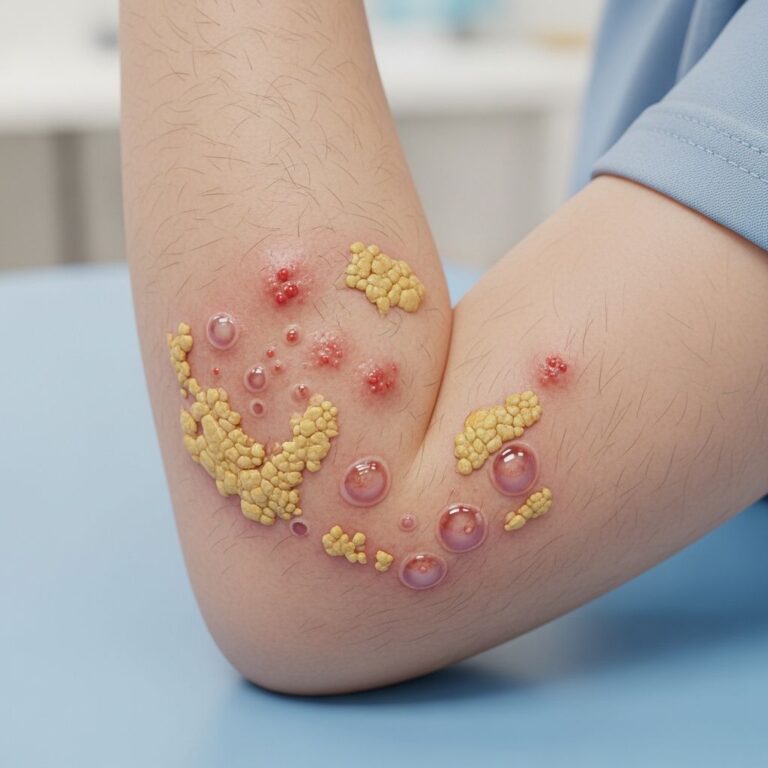
Hypopigmentation In Eczema: Causes, Treatment, And Care
Discover how eczema triggers light skin patches, effective care strategies, and when to seek dermatologist help for even tone restoration.
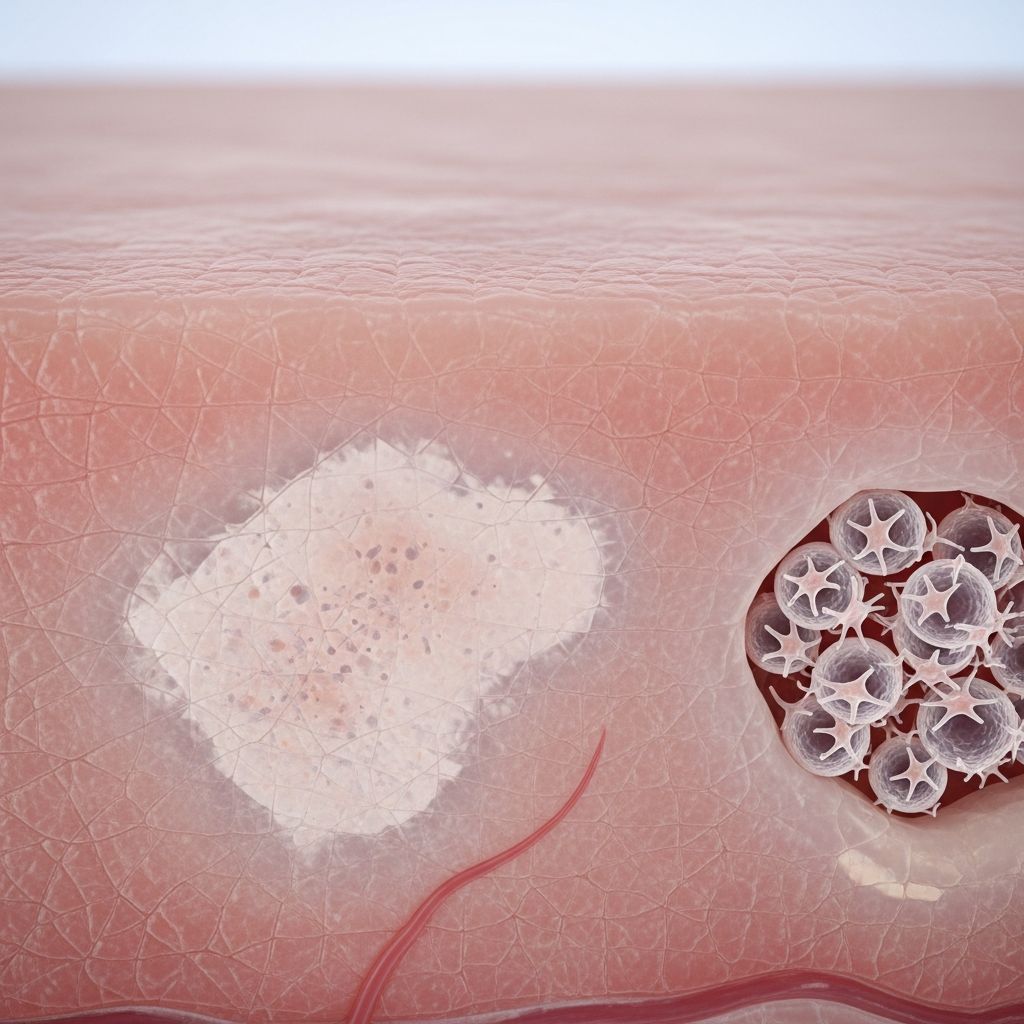
Light-colored patches on the skin often appear after eczema flares, signaling a temporary disruption in pigment production known as hypopigmentation. This condition, frequently post-inflammatory, arises as inflamed skin heals, leaving areas paler than surrounding tissue due to reduced melanin activity. While alarming for many, it typically resolves with proper eczema control and supportive care.
Understanding Skin Pigmentation Basics
Melanocytes, specialized cells in the epidermis, produce melanin—the pigment responsible for skin, hair, and eye color. In healthy skin, melanin distributes evenly, providing natural tone and UV protection. Eczema disrupts this balance through chronic inflammation, altering melanocyte function and melanosome transfer to keratinocytes.
Darker skin types may notice both hyperpigmentation (darker patches from excess melanin during active flares) and hypopigmentation (lighter areas post-resolution), as inflammation stimulates then suppresses pigment synthesis. Genetic factors influence susceptibility, with individuals of color experiencing more pronounced changes.
Why Eczema Leads to Pale Patches
Post-inflammatory hypopigmentation (PIH) is the primary mechanism linking eczema to light spots. During flares, cytokines and immune responses damage the basal layer where melanocytes reside, impairing pigment transfer. As eczema subsides, healing skin produces less melanin, creating visible contrast.
- Inflammation cycle: Active eczema boosts melanocytes temporarily (hyperpigmentation), then exhausts them (hypopigmentation).
- Scratching damage: Mechanical trauma releases melanin unevenly or destroys melanocytes.
- Associated conditions: Pityriasis alba, a mild eczema variant, presents as round, hypopigmented patches on cheeks and arms.
Unlike vitiligo’s autoimmune destruction of melanocytes, eczema-related hypopigmentation is reversible, often fading in weeks to months without intervention.
Recognizing Hypopigmentation from Eczema
Symptoms include dry, scaly, hypopigmented macules or patches, commonly on flexures, face, neck, and extremities. They may itch mildly or feel rough, distinguishing from other causes like tinea versicolor (fungal) or psoriasis.
| Feature | Eczema Hypopigmentation | Vitiligo | Pityriasis Alba |
|---|---|---|---|
| Appearance | Pale, dry patches post-flare | Milky white, sharp borders | Faint white, scaly on face |
| Cause | Post-inflammatory | Autoimmune | Mild eczema/atopic |
| Resolution | Weeks-months | Persistent | Months, seasonal |
| Itch | Mild-moderate | None | Mild |
A dermatologist confirms diagnosis via Wood’s lamp exam or biopsy if needed, ruling out infections or nutritional deficiencies like B12 or vitamin D.
Everyday Strategies to Manage and Fade Pale Areas
Primary focus: Control underlying eczema to halt the inflammation-pigmentation cycle. Emollients restore barrier function, reducing transepidermal water loss and supporting melanocyte recovery.
- Apply fragrance-free moisturizers (ceramide-based) twice daily, especially post-bath.
- Use gentle cleansers; avoid hot water.
- Daily broad-spectrum SPF 30+ prevents UV worsening contrast.
Avoid blaming topical steroids—true steroid-induced hypopigmentation is rare and from prolonged high-potency use. Eczema itself drives most cases.
Medical Treatments for Repigmentation
For persistent patches, dermatologists tailor therapies based on extent and duration.
- Topicals: Calcineurin inhibitors (tacrolimus 0.1%) applied 1-2x daily stimulate melanogenesis via MITF activation; safe long-term on face. Low-potency steroids like hydrocortisone 1% reduce residual inflammation.
- Phototherapy: Narrowband UVB (nbUVB) or excimer laser targets lesions 2-3x/week, promoting melanin synthesis; effective in pediatric facial cases.
- Advanced options: Microneedling, chemical peels, or melanocyte transplantation for refractory cases.
Related Stories



Combination approaches yield fastest results: topicals + sun protection + phototherapy. Always treat comorbidities like infections promptly.
Prevention Tips for Even Skin Tone
Proactive eczema management minimizes pigmentation shifts:
- Identify triggers (allergens, irritants) via patch testing.
- Maintain consistent skincare routine.
- Use wet wraps for flares to enhance absorption.
- Monitor vitamin levels; supplement if deficient.
For darker tones, prompt flare treatment shortens hyper/hypo phases. Patience is key—full repigmentation may take 3-6 months.
When to Consult a Specialist
Seek care if patches spread, persist >3 months, or accompany hair loss/thickening (suggesting scarring). Early intervention prevents chronicity. Pediatric cases often respond swiftly to mild topicals like alclometasone.
FAQs on Eczema and Pale Skin Patches
Does eczema always cause hypopigmentation?
No, but it’s common in moderate-severe cases, especially in children and skin of color.
Can topical steroids cause permanent light spots?
Rarely; most hypopigmentation stems from eczema inflammation, not treatment. Discontinue if concerned.
How long until color returns?
Weeks to months naturally; treatments accelerate to 4-12 weeks.
Is sun exposure helpful or harmful?
Moderate sun may aid repigmentation, but always use SPF to avoid burns worsening contrast.
Can diet influence pigmentation?
Vitamin D/B12 deficiencies link to issues; balanced intake supports skin health.
References
- Hypopigmentation: Causes, Types and Treatment Options — Indiana University School of Medicine. 2023. https://dermatrials.medicine.iu.edu/blogs/a-complete-guide-to-hypopigmentation
- Post-Inflammatory Hypopigmentation: Review of the Etiology — PMC/NCBI (Peer-reviewed). 2023-02-15. https://pmc.ncbi.nlm.nih.gov/articles/PMC9917556/
- Skin Pigmentation and Eczema — National Eczema Society (.org). 2024. https://eczema.org/information-and-advice/living-with-eczema/skin-pigmentation/
- Eczema Skin Discoloration: Treatment, Types, and More — Medical News Today. 2023-10-10. https://www.medicalnewstoday.com/articles/eczema-hyperpigmentation
- Hypopigmentation Secondary to Eczema — Contemporary Pediatrics. 2022. https://www.contemporarypediatrics.com/view/hypopigmentation-secondary-eczema
- Ask the Ecz-perts: How to Care for Hypopigmentation — National Eczema Association. 2023. https://nationaleczema.org/blog/hypopigmentation-and-eczema/
Similar Articles








Read full bio of medha deb