Hypospadias Repair: Procedure, Risks & Recovery
Comprehensive guide to hypospadias repair: understanding the procedure, risks, and recovery process.
What Is Hypospadias Repair?
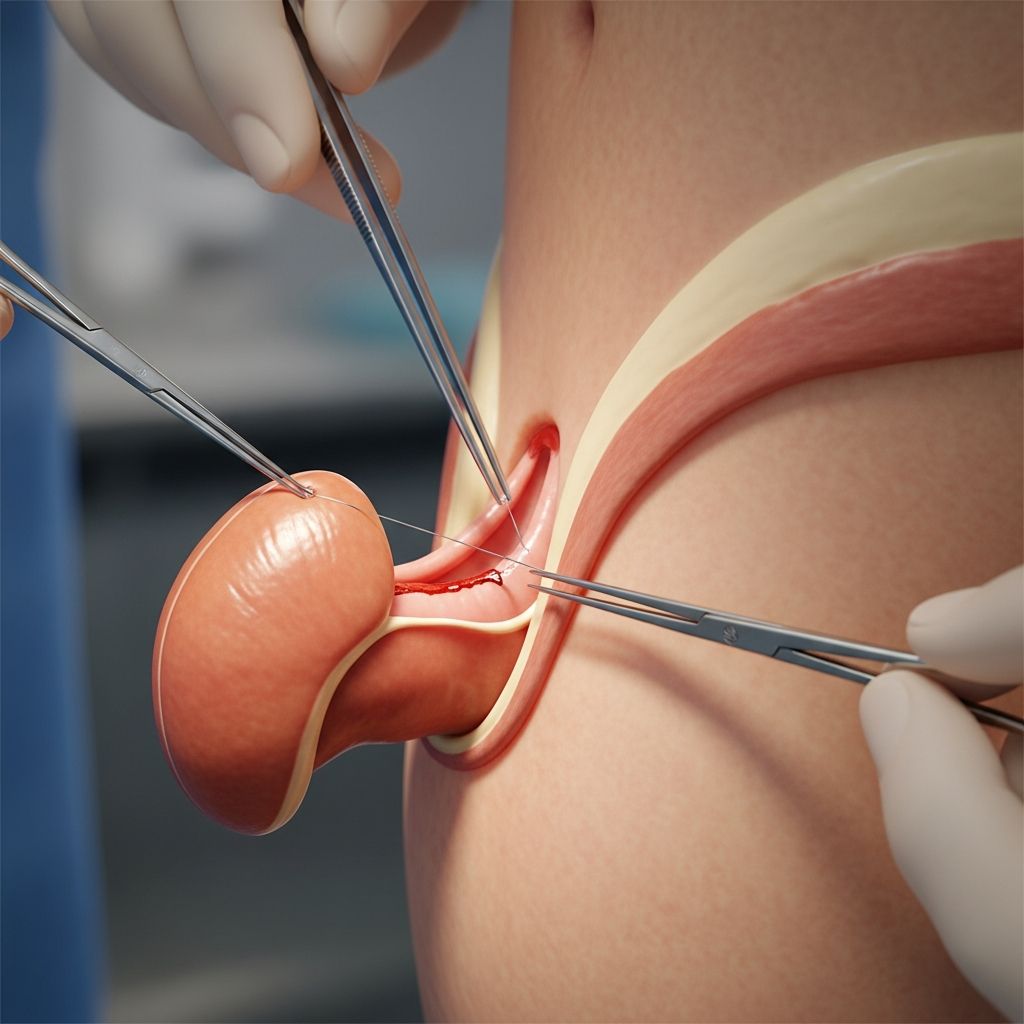
Hypospadias repair is a surgical procedure designed to correct the abnormal positioning of the urethral opening on the penis. In boys with hypospadias, the urethra does not extend to the tip of the penis, but instead opens somewhere along the underside. This condition can affect urination, sexual function, and self-esteem. The goal of hypospadias repair is to create a penis that looks and functions normally, allowing for a healthy and fulfilling life.
Why Is Hypospadias Repair Needed?
Hypospadias repair is necessary when the urethral opening is not at the tip of the penis, which can cause several problems:
- Difficulty urinating while standing
- Abnormal appearance of the penis
- Potential issues with sexual function later in life
- Psychological and social concerns
Not all cases of hypospadias require surgery. Mild cases may not interfere with urination or sexual function and may not need correction. However, more severe cases typically require surgical intervention to ensure proper function and appearance.
Who Performs Hypospadias Repair?
Hypospadias repair is performed by a specialized team of healthcare providers, including:
- Pediatric urologists: Surgeons who specialize in urinary tract and genital conditions in children
- Pediatric anesthesiologists: Doctors who administer anesthesia to ensure the child is asleep and pain-free during surgery
- Nurses and surgical assistants: Support staff who assist during the procedure and recovery
These experts work together to ensure the best possible outcome for the child.
Types of Hypospadias Repair
The type of hypospadias repair depends on the severity of the condition. There are two main types:
One-Stage Hypospadias Repair
This procedure is used for mild cases of hypospadias. It involves a single surgery to reposition the urethral opening to the tip of the penis. The surgery typically takes 2–3 hours and is performed under general anesthesia.
Two-Stage Hypospadias Repair
For more severe cases, such as penoscrotal hypospadias, a two-stage repair may be necessary. This involves two separate surgeries, usually spaced about six months apart. The first stage focuses on creating a new urethra, often using skin grafts from the mouth or other areas. The second stage completes the reconstruction and ensures proper function and appearance.
The Hypospadias Repair Procedure
Here is a step-by-step overview of what happens during hypospadias repair:
- The child is given general anesthesia to ensure they are asleep and pain-free.
- The surgeon makes incisions to access the urethra and surrounding tissue.
- The urethra is repositioned to the tip of the penis, and any necessary repairs are made.
- Dissolvable stitches are used to close the incisions. These stitches typically dissolve within two weeks.
- A stent may be placed to keep the new urethra open during healing.
- The area is covered with bandages to protect the surgical site.
Recovery After Hypospadias Repair
Most hypospadias repair procedures are outpatient surgeries, meaning the child can go home the same day. Recovery typically involves:
Related Stories



- Rest and limited activity for the first week
- Pain medication as prescribed by the healthcare provider
- Regular follow-up appointments to monitor healing
- Instructions for wound care and hygiene
Children may feel tired and sleep more than usual for several days after surgery. This is normal and helps the body recover.
Success Rates and Long-Term Outcomes
Hypospadias repair has a high success rate, with most repairs lasting a lifetime. The advantages of successful surgery include:
- Normal appearance and function of the penis
- Improved ability to urinate while standing
- Reduced risk of psychological and social issues
- Enhanced self-esteem and confidence
However, some children may require additional surgeries, especially if complications arise or if the initial repair was not fully successful.
Risks and Complications
Like all surgical procedures, hypospadias repair carries some risks. Common risks include:
- Infection at the surgical site
- Bleeding
- Scarring
- Urinary tract infections
- Problems with the new urethra, such as narrowing or blockage
- Need for additional surgeries
Complications are more likely in severe cases or if the child has had previous surgeries. The risk of complications increases with each subsequent procedure.
FAQs About Hypospadias Repair
Is hypospadias repair major surgery?
Yes, hypospadias repair is considered major surgery, especially for more severe cases. However, it is a common and generally safe procedure with a high success rate.
How long does recovery take?
Most children recover within a few weeks. The first week is the most critical, with rest and limited activity recommended. Full recovery may take several weeks to a few months, depending on the severity of the case and the child’s overall health.
Will my child need more than one surgery?
Some children may require more than one surgery, especially if the hypospadias is severe or if complications arise. The need for additional surgeries is more common in cases of penoscrotal hypospadias or if previous repairs were not fully successful.
Can hypospadias repair be done in adults?
Yes, hypospadias repair can be performed in adults, although it is more commonly done in childhood. Adult repairs may be more complex due to previous surgeries or complications.
What are the long-term outcomes of hypospadias repair?
Most children who undergo hypospadias repair have normal urinary and sexual function and a healthy appearance of the penis. Long-term follow-up is important to monitor for any complications or the need for additional surgeries.
Advantages of Hypospadias Repair
The benefits of successful hypospadias repair include:
- Improved urinary function
- Normal appearance of the penis
- Enhanced self-esteem and confidence
- Reduced risk of psychological and social issues
- Ability to participate in normal activities without limitations
When to Seek Medical Advice
If you notice any of the following after hypospadias repair, contact your healthcare provider:
- Signs of infection (redness, swelling, pus, fever)
- Difficulty urinating
- Excessive bleeding
- Pain that does not improve with medication
- Any concerns about the healing process
Conclusion
Hypospadias repair is a safe and effective procedure that can greatly improve the quality of life for children with this condition. With proper care and follow-up, most children achieve excellent results and lead healthy, normal lives. If your child needs hypospadias repair, it is important to have an open line of communication with their healthcare provider and to advocate for their needs.
References
- Hypospadias Repair: Purpose, Procedure, Risks & Recovery — Cleveland Clinic. 2023. https://my.clevelandclinic.org/health/treatments/15991-hypospadias-repair
- The Cleveland Clinic experience with adult hypospadias patients undergoing repair: their presentation and a new classification system — PubMed. 2011. https://pubmed.ncbi.nlm.nih.gov/21438977/
- Distal hypospadias in the adult — Cleveland Clinic Journal of Medicine. 1990. https://www.ccjm.org/content/ccjom/57/1/82.full.pdf
Similar Articles








Read full bio of medha deb