Hypothalamus: What It Is, Function, Conditions & Disorders
Understanding the hypothalamus: Your brain's control center for hormones and vital body functions.
Understanding the Hypothalamus: The Brain’s Master Control Center
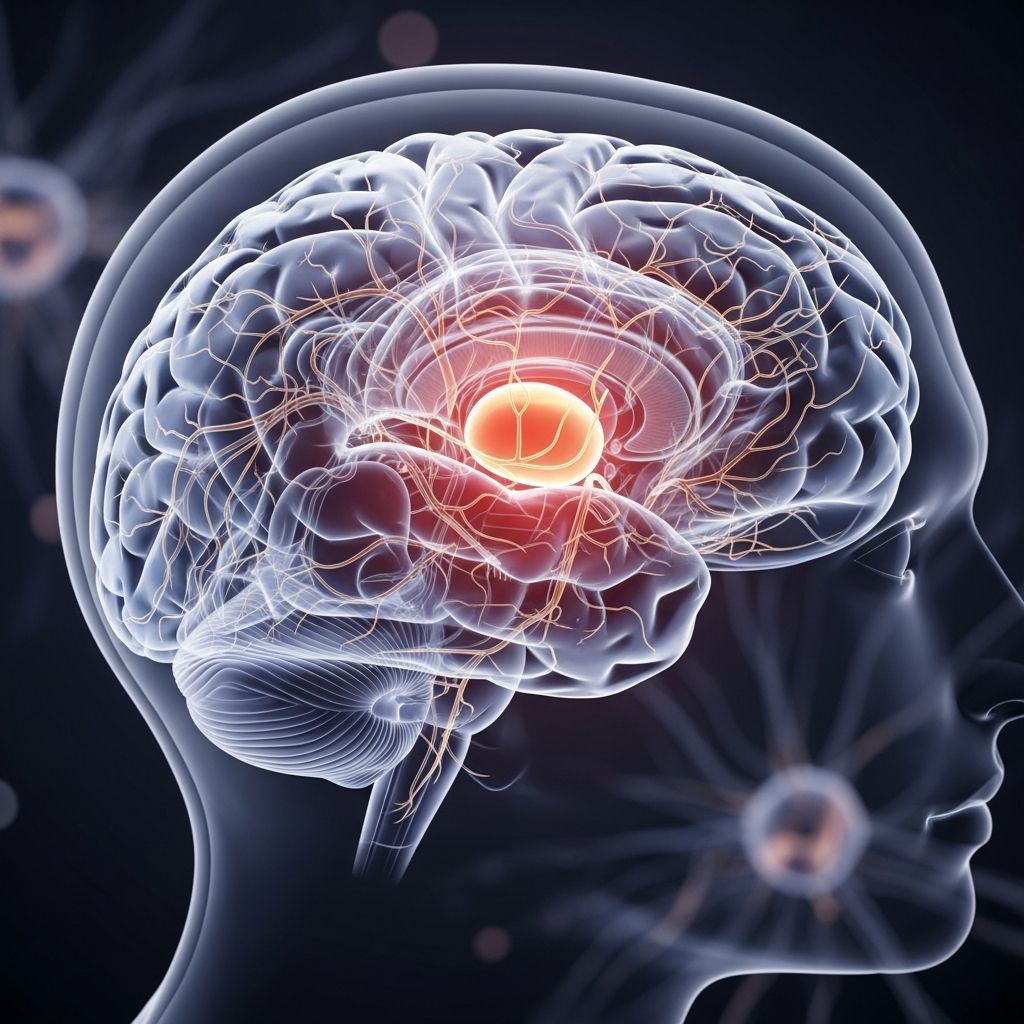
The hypothalamus is a small but extraordinarily important structure located deep within your brain. It serves as the main link between your endocrine system and your nervous system, making it one of the most crucial regulators of bodily functions. This almond-sized region acts as your body’s master control center, coordinating countless physiological processes that keep you alive and functioning optimally. Without the hypothalamus, your body would struggle to maintain the delicate internal balance necessary for survival.
Your hypothalamus works tirelessly to keep your body in a stable state called homeostasis. It constantly monitors internal conditions and makes adjustments through hormone release and nervous system signaling to ensure that your body’s systems remain balanced. From regulating your body temperature to controlling your appetite, the hypothalamus influences virtually every major bodily function.
Anatomy of the Hypothalamus
The hypothalamus is a cone-shaped structure located beneath the thalamus, forming the floor of the third cerebral ventricle. It sits at the base of the brain, connected to the pituitary gland through a small tubular structure called the pituitary stalk (also known as the infundibulum). This anatomical relationship is crucial to understanding how the hypothalamus controls the endocrine system.
The hypothalamus contains multiple specialized regions called nuclei, which are clusters of nerve cell bodies. These nuclei are organized into distinct groups that produce different hormones and control various functions. The hypothalamus is richly supplied with blood vessels, which allow it to sense changes in blood chemistry and deliver hormones throughout the body. Important structures adjacent to the hypothalamus include the mammillary bodies, the optic chiasm (part of the visual system), and the pituitary gland itself.
Connection to the Pituitary Gland
The relationship between the hypothalamus and pituitary gland is fundamental to endocrine function. The hypothalamus and pituitary are connected by both nervous and chemical pathways. The posterior portion of the hypothalamus, called the median eminence, contains nerve endings that communicate directly with the pituitary gland through the infundibular stalk. This dual connection allows the hypothalamus to control pituitary hormone release through both direct neural signals and hormone secretion.
Primary Functions of the Hypothalamus
The hypothalamus performs an impressive array of functions, all centered on maintaining homeostasis and coordinating your body’s response to internal and external changes. Here are the major functions:
Hormone Regulation
The hypothalamus produces and secretes numerous hormones that regulate virtually all major body systems. It produces neurohormones that range in size from just 3 amino acids to 44 amino acids. These include thyrotropin-releasing hormone (TRH), corticotropin-releasing hormone (CRH), and growth hormone-releasing hormone (GHRH). The hypothalamus also produces vasopressin (antidiuretic hormone) and oxytocin, which act on distant target organs. Through these hormonal signals, the hypothalamus controls the pituitary gland’s hormone release, which in turn regulates numerous body functions.
Temperature Regulation
Your hypothalamus acts as your body’s internal thermostat. It continuously monitors core body temperature through specialized temperature-sensitive neurons and triggers responses to maintain a stable temperature around 98.6°F (37°C). When you get too hot, the hypothalamus signals your body to sweat and dilate blood vessels to cool down. When you’re too cold, it triggers shivering and blood vessel constriction to generate and conserve heat.
Related Stories



Sleep-Wake Cycle Control
The hypothalamus contains your body’s internal clock and controls your circadian rhythms. Specific nuclei within the hypothalamus respond to light signals from the eyes and regulate the production of melatonin, a hormone that promotes sleep. This control over your sleep-wake cycle helps synchronize your body’s functions with day-night cycles.
Appetite and Weight Regulation
The hypothalamus establishes and maintains a stable “set point” for body weight by regulating appetite and caloric intake. Specialized neurons in the hypothalamus produce hormones and respond to signals from throughout the body that indicate hunger or satiety. When energy stores are low, the hypothalamus triggers hunger signals. When sufficient energy is available, it promotes feelings of fullness.
Fluid Balance and Thirst
The hypothalamus monitors blood osmolarity (the concentration of dissolved substances in blood) and triggers thirst when necessary. It also controls vasopressin (antidiuretic hormone) release, which helps the kidneys conserve water. This system ensures proper hydration and electrolyte balance.
Autonomic Nervous System Control
The hypothalamus contains the primary control center for your autonomic nervous system, which regulates involuntary functions including heart rate, blood pressure, and breathing. Through autonomic nervous system signals, the hypothalamus coordinates your body’s “fight-or-flight” response during stress and “rest-and-digest” functions during calm periods.
Emotional and Behavioral Regulation
The hypothalamus influences mood, motivation, and behavior through its connections with other brain regions and through hormone release. It affects sex drive, emotional responses, and stress reactions. The hypothalamus also controls the production of breast milk and influences reproductive behaviors.
How the Hypothalamus Communicates
The hypothalamus uses multiple communication systems to coordinate body functions. It communicates through neurotransmitters (chemical messengers between neurons), neuropeptides (small protein molecules), and neurohormones (hormones released by neurons). The hypothalamus receives input from many brain regions including the cerebral cortex, allowing intellectual and emotional signals as well as external stressors to be integrated into hormonal and autonomic responses.
The hypothalamus is strategically positioned to receive signals from throughout the nervous system and to sense changes in blood chemistry directly. This allows it to respond to both conscious thoughts and emotional states as well as to physical conditions like temperature changes or blood glucose levels.
The Hypothalamic-Pituitary-Adrenal (HPA) Axis
One of the most important systems controlled by the hypothalamus is the HPA axis, which manages your body’s stress response. This system consists of three organs that communicate through hormone release: the hypothalamus, pituitary gland, and adrenal glands. When you experience stress, your hypothalamus releases corticotropin-releasing hormone (CRH), which signals the pituitary to release adrenocorticotropic hormone (ACTH), which in turn signals the adrenal glands to release cortisol.
Cortisol triggers short-term physical changes that prepare your body to handle challenges, including increased heart rate, blood pressure, and glucose availability. Normally, cortisol levels then trigger negative feedback that tells the hypothalamus to stop releasing CRH, ending the stress response. However, chronic stress can disrupt this feedback loop, leading to persistently elevated cortisol levels and potential health problems.
Common Hypothalamic Conditions and Disorders
Various conditions can affect hypothalamic function, leading to imbalances in hormone levels and autonomic nervous system control. Understanding these conditions is important for recognizing symptoms and seeking appropriate treatment.
HPA Axis Dysfunction
Chronic stress, trauma, or repeated stress exposure can cause the HPA axis to become overactive, leading to persistently elevated cortisol levels. This condition increases the risk of anxiety disorders, depression, metabolic disorders, cardiovascular disease, and memory problems. HPA axis dysfunction may also contribute to neurodegenerative conditions like Alzheimer’s disease.
Hypothalamic Obesity
Damage to the hypothalamus can disrupt the regulation of appetite and weight, leading to rapid weight gain and obesity. This can occur following trauma, tumors, or inflammation affecting the hypothalamus.
Temperature Regulation Disorders
Hypothalamic dysfunction can cause inability to regulate body temperature properly, resulting in excessive sweating, inability to tolerate heat or cold, or inappropriate temperature responses.
Sleep Disorders
Hypothalamic damage or dysfunction can lead to insomnia, excessive daytime sleepiness, or disrupted sleep-wake cycles, as the hypothalamus controls circadian rhythms and sleep promotion.
Hormonal Imbalances
Since the hypothalamus controls pituitary hormone release, hypothalamic disorders can cause various hormonal imbalances affecting thyroid function, growth, reproductive function, and cortisol production.
Autonomic Dysfunction
Hypothalamic damage can lead to autonomic nervous system dysregulation, causing abnormal blood pressure, heart rate irregularities, and problems with blood vessel control.
Causes of Hypothalamic Damage
Several conditions and injuries can damage the hypothalamus:
– Traumatic brain injury- Tumors in or near the hypothalamus- Radiation therapy to the brain- Infections of the brain (encephalitis, meningitis)- Stroke or bleeding in the brain- Surgical complications- Certain autoimmune conditions- Chronic inflammation
Frequently Asked Questions
Q: What is the hypothalamus and where is it located?
A: The hypothalamus is a small cone-shaped structure located at the base of your brain, beneath the thalamus. It sits above the pituitary gland and is connected to it through the pituitary stalk. It forms the floor of the third cerebral ventricle.
Q: What is the main function of the hypothalamus?
A: The hypothalamus’s main function is to maintain homeostasis by regulating numerous body systems including temperature, hunger, thirst, sleep, hormones, and the autonomic nervous system. It acts as the connection between your nervous system and endocrine system.
Q: How does the hypothalamus control the pituitary gland?
A: The hypothalamus controls the pituitary gland through both neural signals and hormone release. It produces releasing and inhibiting hormones that travel through the bloodstream to stimulate or suppress pituitary hormone release.
Q: What hormones does the hypothalamus produce?
A: The hypothalamus produces thyrotropin-releasing hormone (TRH), corticotropin-releasing hormone (CRH), gonadotropin-releasing hormone (GnRH), growth hormone-releasing hormone (GHRH), somatostatin, dopamine, vasopressin (antidiuretic hormone), and oxytocin.
Q: How does the hypothalamus respond to stress?
A: During stress, the hypothalamus releases corticotropin-releasing hormone (CRH), which triggers a cascade through the pituitary and adrenal glands that ultimately releases cortisol. This prepares your body for the “fight-or-flight” response. Once stress ends, cortisol provides negative feedback to shut down this system.
Q: What happens if the hypothalamus is damaged?
A: Hypothalamic damage can cause hormonal imbalances, autonomic dysfunction, sleep disorders, temperature regulation problems, appetite dysregulation, and potentially cognitive disturbances. The specific effects depend on which part of the hypothalamus is damaged.
Q: Can hypothalamic problems be treated?
A: Treatment depends on the underlying cause and specific dysfunction. Options may include hormone replacement therapy, medications to address specific symptoms, stress management techniques, lifestyle modifications, and addressing the underlying cause (such as treating a tumor or infection).
Key Takeaways
The hypothalamus is a remarkable structure that serves as your brain’s control center for maintaining internal balance. Through its connections with the nervous and endocrine systems, it regulates temperature, hunger, thirst, sleep, hormones, mood, and stress responses. Understanding the hypothalamus helps explain how your body maintains stability despite constantly changing internal and external conditions. When hypothalamic function is disrupted, it can affect multiple body systems, emphasizing the importance of protecting brain health through injury prevention, stress management, and prompt treatment of infections or other conditions that might affect this vital structure.
References
- Hypothalamus — Britannica. 2024. https://www.britannica.com/science/hypothalamus
- Hypothalamus: What It Is, Function, Conditions & Disorders — Cleveland Clinic. 2024. https://my.clevelandclinic.org/health/body/22566-hypothalamus
- Hypothalamic-Pituitary-Adrenal (HPA) Axis: What It Is — Cleveland Clinic. 2024. https://my.clevelandclinic.org/health/body/hypothalamic-pituitary-adrenal-hpa-axis
- Pituitary Gland: What It Is, Function & Anatomy — Cleveland Clinic. 2024. https://my.clevelandclinic.org/health/body/21459-pituitary-gland
- Endocrine System: What It Is, Function, Organs & Diseases — Cleveland Clinic. 2024. https://my.clevelandclinic.org/health/body/21201-endocrine-system
- Hypothalamus — Defeating Epilepsy Foundation. 2024. https://www.defeatingepilepsy.org/brain-anatomy-series/hypothalamus/
Similar Articles








Read full bio of medha deb