Hypothermia Symptoms: Signs, Stages, And Treatment Guide
Recognize hypothermia symptoms early—from shivering and confusion to severe stages—and learn life-saving first aid and prevention strategies.
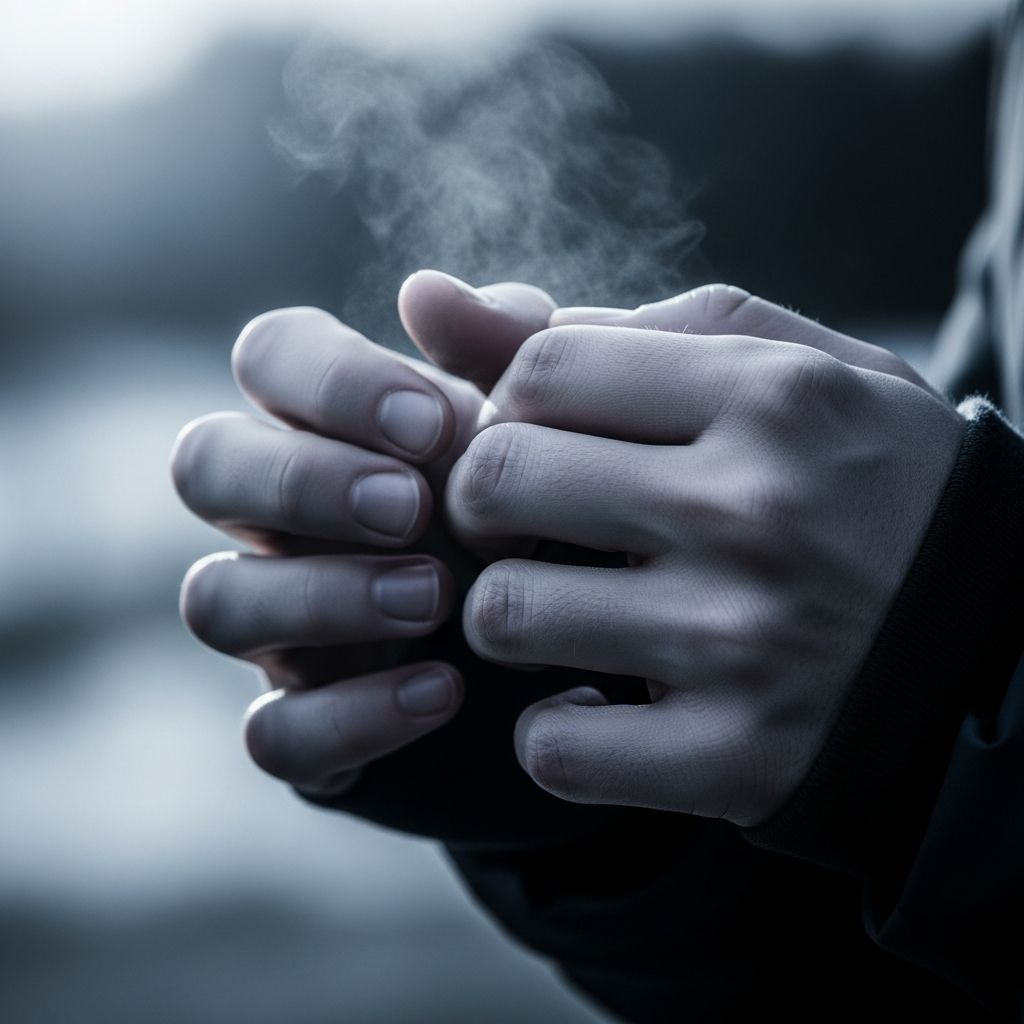
Hypothermia Symptoms: Signs, Stages, Treatment, and Prevention
Hypothermia is a life-threatening condition where the body’s core temperature falls below 95°F (35°C), impairing vital functions like thinking and movement. It develops from prolonged cold exposure, even in mildly cool temperatures if wet or windy, and requires immediate action as symptoms progress rapidly from shivering to unconsciousness.
What Is Hypothermia?
The human body maintains a core temperature around 98.6°F (37°C) through the hypothalamus, which regulates heat production and conservation. Hypothermia happens when heat loss exceeds production, often from cold air, water, wind, or inadequate clothing. Even temperatures above 40°F can trigger it if someone is wet or exhausted, as water conducts heat away 25 times faster than air.
Anyone can develop hypothermia, but risks rise with age extremes (infants and elderly), certain medications, heart conditions, or alcohol use, which impair temperature regulation. It’s a medical emergency because victims often don’t recognize their condition due to confusion.
Hypothermia Symptoms
Symptoms start subtly and worsen as core temperature drops. Early recognition is critical since mental impairment hides severity.
Symptoms in Adults
- Shivering: Intense, uncontrollable shivering as the body generates heat; stops in moderate to severe stages.
- Confusion and cognitive issues: Memory loss, poor judgment, slurred speech, fumbling hands.
- Physical signs: Pale or bright red cold skin, clumsiness, weakness, slow/shallow breathing, weak pulse.
- Advanced symptoms: Drowsiness, lethargy, loss of coordination, paradoxical undressing (feeling falsely hot).
Symptoms in Infants and Babies
Babies can’t shiver effectively and show different signs:
- Bright red, cold skin.
- Very low energy or lethargy.
- Weak cry or refusal to eat.
Jaw rigidity or floppy posture may also appear.
Stages of Hypothermia
Hypothermia progresses in stages based on core temperature, each with escalating dangers.
| Stage | Core Temperature | Key Symptoms |
|---|---|---|
| Mild | 90–95°F (32–35°C) | Shivering, tiredness, nausea, fast heart rate, confusion, pale skin, frequent urination, unclear speech. |
| Moderate | 82–90°F (28–32°C) | Shivering stops, lethargy, slow heart/breathing, low blood pressure, dilated pupils, arrhythmias. |
| Severe | <82°F (28°C) | Unresponsiveness, no reflexes, lung congestion, minimal urine, heart/lung failure, possible coma. |
Mild hypothermia is still an emergency; untreated, it leads to organ failure and death.
Risk Factors for Hypothermia
- Environmental: Prolonged exposure to cold, wet clothes, windchill below -15°F risks frostbite in 30 minutes.
- Personal: Older adults (slower metabolism), infants (larger skin surface), mental health issues, substance use.
- Medical: Hypothyroidism, diabetes, cardiovascular disease; medications like antidepressants.
- Behavioral: Inadequate clothing, exhaustion during hikes or falls into water.
Hypothermia First Aid
Act fast: Call emergency services immediately, especially if severe symptoms appear.
- Move to warmth: Get indoors or shelter; remove wet clothes.
- Warm gradually: Use blankets, skin-to-skin contact, warm (not hot) fluids if alert. Avoid direct heat sources like hot water to prevent burns or shock.
- Handle gently: In severe cases, victims may lack pulse/breathing—do not assume death; CPR if trained.
- Do not: Give alcohol, rub limbs, or use hot baths—these worsen outcomes.
For infants, wrap in warm blankets and skin-to-skin with a caregiver.
When to See a Doctor
Seek help for any suspicion of hypothermia: body temp <95°F, shivering with confusion, or post-exposure symptoms. Even mild cases need evaluation for complications like frostbite or arrhythmias.
Diagnosis and Treatment
Doctors confirm via rectal temperature reading (<95°F), alongside blood tests for electrolytes, kidney function, and blood sugar. Treatment varies:
- Mild: Passive rewarming with blankets, warm IV fluids.
- Moderate/Severe: Active rewarming (warm fluids, heated air/blankets), monitoring heart rhythms, mechanical ventilation if needed.
Hospitalization monitors for afterdrop (further temp drop during rewarming) and reperfusion injury.
Prevention Tips
Layer clothing, cover extremities, stay dry; limit time in cold.
- Wear windproof/waterproof gear; synthetic layers wick moisture.
- Eat high-calorie foods, drink warm fluids before exposure.
- Check on vulnerable people during cold snaps.
- Car kits: blankets, food, extra clothes, matches.
- Avoid alcohol; recognize early signs in others.
Frequently Asked Questions (FAQs)
What is the first sign of hypothermia?
Shivering is typically the earliest sign in adults, as the body tries to generate heat.
Can you get hypothermia in 40°F weather?
Yes, especially if wet, windy, or exhausted—water accelerates heat loss dramatically.
How long does it take to die from hypothermia?
Severe cases can lead to death in hours if untreated, but time varies by conditions.
Do you give CPR to hypothermia victims?
Only if no pulse/breathing after gentle checks; handle carefully to avoid arrhythmias.
What’s paradoxical undressing?
A moderate-stage behavior where confusion makes victims feel hot and remove clothes, worsening heat loss.
Hypothermia demands swift recognition and response. By understanding symptoms across stages and following prevention/first aid protocols, lives can be saved even in harsh conditions.
References
- Hypothermia: Symptoms, treatment, stages, and more — Medical News Today. 2023-12-01. https://www.medicalnewstoday.com/articles/182197
- Hypothermia – Symptoms and causes — Mayo Clinic. 2024-01-15. https://www.mayoclinic.org/diseases-conditions/hypothermia/symptoms-causes/syc-20352682
- Hypothermia — MedlinePlus (U.S. National Library of Medicine). 2024-05-01. https://medlineplus.gov/ency/article/000038.htm
- What Is Hypothermia? Symptoms, Signs, Treatment Protocol & Causes — eMedicineHealth. 2023-11-20. https://www.emedicinehealth.com/hypothermia/article_em.htm
- Preventing Hypothermia | Winter Weather — Centers for Disease Control and Prevention (CDC). 2024-10-01. https://www.cdc.gov/winter-weather/prevention/index.html
- The Hazards of Hypothermia — NIH News in Health (National Institutes of Health). 2023-12-01. https://newsinhealth.nih.gov/2023/12/hazards-hypothermia
Similar Articles



Read full bio of medha deb