Hypothyroidism and Pregnancy: Managing Thyroid Health
Essential guide to managing hypothyroidism during pregnancy for maternal and fetal health.
Understanding Hypothyroidism and Pregnancy
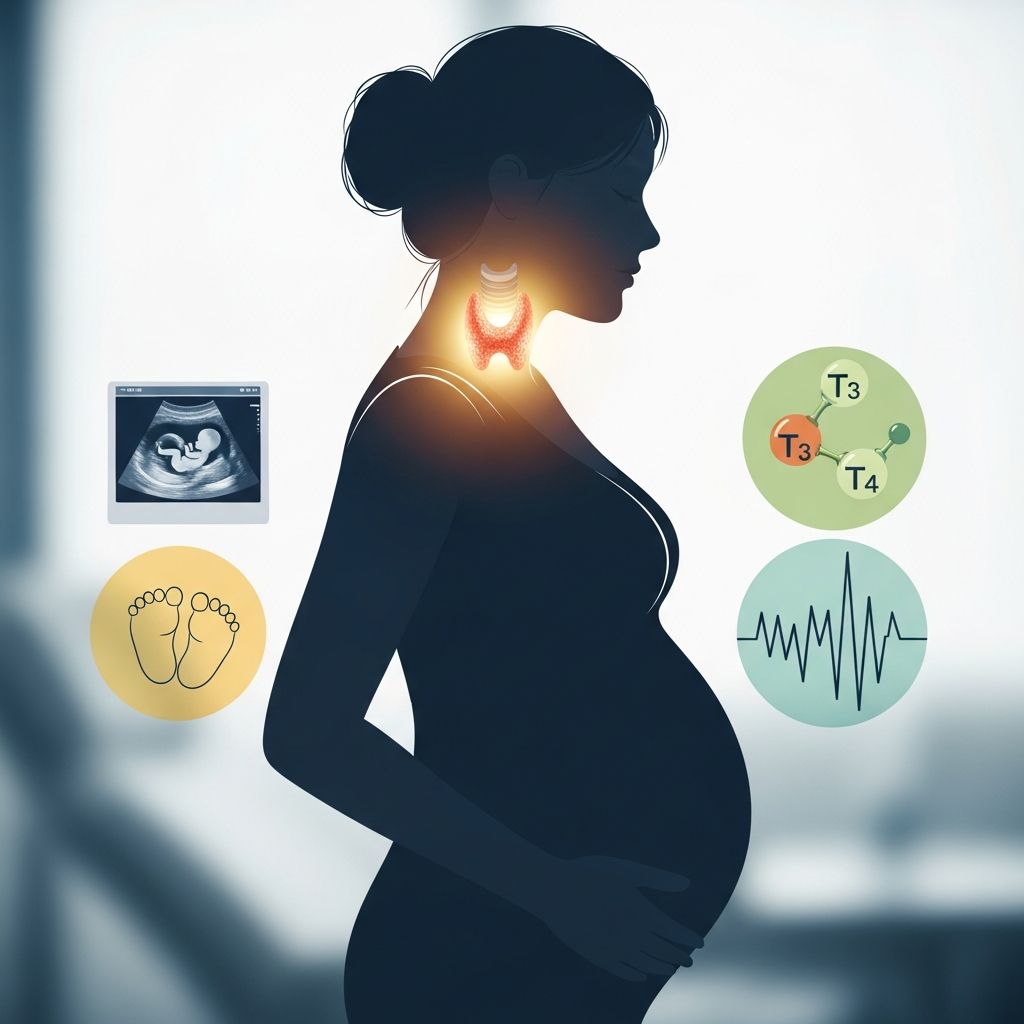
Hypothyroidism is a condition in which the thyroid gland does not produce enough thyroid hormones to meet the body’s needs. During pregnancy, proper thyroid function becomes critically important not only for the mother’s health but also for the developing fetus. The thyroid hormones, particularly thyroxine (T4), play essential roles in fetal brain development, growth, and metabolism. Untreated or inadequately managed hypothyroidism during pregnancy can have serious consequences for both mother and baby.
Pregnant women with hypothyroidism require close medical supervision and treatment to maintain optimal thyroid hormone levels. The management of this condition differs from non-pregnancy hypothyroidism management, as the targets for thyroid stimulating hormone (TSH) levels are more stringent during pregnancy. Understanding these differences and following appropriate treatment protocols is essential for ensuring the best outcomes for both mother and baby.
Why Thyroid Health Matters During Pregnancy
The thyroid plays a vital role in pregnancy and fetal development. Thyroid hormones are necessary for normal fetal brain development, particularly during the first trimester when the fetal thyroid is still developing and cannot produce adequate amounts of its own hormones. The mother’s thyroid hormones cross the placenta and support fetal neurological development during this critical period.
Maternal hypothyroidism can lead to reduced transfer of thyroid hormones to the fetus, potentially affecting cognitive development and neural function. Additionally, untreated hypothyroidism increases the risk of several adverse pregnancy outcomes, including miscarriage, preterm delivery, and gestational hypertension. For women with positive thyroid peroxidase (TPO) antibodies, the risks are even greater, as these antibodies are associated with higher rates of pregnancy loss and other complications.
Diagnosis and Preconception Planning
Women with known hypothyroidism planning to become pregnant should engage in preconception counseling with their healthcare provider. This discussion should cover disease management during pregnancy, treatment goals, and potential risks or complications. Early identification and optimization of thyroid function before conception can reduce the risk of adverse outcomes.
For women already taking levothyroxine, it is crucial to notify their physician immediately upon missing a menstrual period or receiving a positive home pregnancy test. Many women will require dose adjustments shortly after conception, so prompt communication is essential. Healthcare providers should assess TSH levels early in pregnancy to determine if medication adjustments are needed.
Women newly diagnosed with hypothyroidism during pregnancy should begin treatment promptly. The diagnosis is typically made when TSH levels exceed the trimester-specific reference range. When trimester-specific reference ranges are not available, a TSH level above 4 mU/L can be used as a diagnostic threshold.
Treatment with Levothyroxine
Levothyroxine is the standard medication for treating hypothyroidism during pregnancy. This synthetic form of thyroxine (T4) effectively replaces the thyroid hormone that the body cannot produce in adequate quantities. Levothyroxine is preferred over other thyroid hormone preparations because it provides a stable supply of T4, which crosses the placenta and supports fetal brain development.
Related Stories



Alternative preparations, such as desiccated thyroid or triiodothyronine (T3), are not recommended during pregnancy. These preparations have a higher ratio of T3 to T4, which may reduce the transfer of maternal T4 to the fetal brain and compromise neural development. Pure T4 supplementation in the form of levothyroxine is essential for maintaining optimal fetal growth and cognitive development.
Initial Dosing and Adjustments
Women with known hypothyroidism who become pregnant should increase their levothyroxine dose by 20 to 30 percent as soon as pregnancy is confirmed. One practical way to achieve this increase is to add two extra doses of the regular medication per week. For example, a woman taking one tablet daily could take two tablets on two different days each week, effectively increasing her weekly dose by approximately 30 percent.
For women newly diagnosed with hypothyroidism during pregnancy, typical starting doses range from 100 to 150 micrograms per day, depending on factors such as body weight, severity of hypothyroidism, and other individual characteristics. The dose should be adjusted based on TSH levels to achieve the appropriate treatment target.
TSH Target Levels
The goal of treatment during pregnancy differs from non-pregnancy management. During pregnancy, the target TSH level should be maintained in the lower half of the trimester-specific reference range. When trimester-specific reference ranges are not available, healthcare providers should aim for a TSH level below 2.5 mIU/L during the first trimester and below 3.0 mIU/L during the second and third trimesters.
This more stringent target reflects the increased thyroid hormone requirements during pregnancy and the importance of adequate hormone transfer to the developing fetus. Maintaining TSH in this range has been shown to reduce the risk of adverse pregnancy outcomes and support optimal fetal development.
Monitoring and Laboratory Testing
Regular monitoring of thyroid function is essential throughout pregnancy for women with hypothyroidism. This monitoring ensures that levothyroxine doses are appropriately adjusted to maintain optimal TSH levels and prevent complications.
Testing Schedule
The recommended testing schedule for pregnant women with hypothyroidism includes:
- Initial TSH measurement at 4 to 6 weeks’ gestation
- Repeat TSH testing every 4 to 6 weeks until 20 weeks’ gestation and when on a stable medication dosage
- Additional testing at 24 to 28 weeks’ gestation
- Final testing at 32 to 34 weeks’ gestation
This frequent monitoring during early pregnancy is particularly important because many women experience rising TSH levels in the first few weeks after conception, even if they were previously well-controlled. Early detection of elevated TSH allows for prompt dose adjustments to prevent any negative effects on fetal development.
Special Considerations with Thyroid Antibodies
Women with elevated thyroid peroxidase (TPO) antibodies should be identified and monitored more closely. These antibodies are associated with increased risks of miscarriage and other adverse pregnancy outcomes, independent of TSH or thyroid hormone levels. For women with subclinical hypothyroidism (elevated TSH but normal free T4) who have positive TPO antibodies, levothyroxine treatment is recommended even at TSH levels as low as 2.5 mU/L.
Additionally, women who have undergone treatment for Graves’ disease and subsequently require levothyroxine should have thyroid receptor binding antibody (TRAB) levels checked early in pregnancy and again around 18 to 22 weeks’ gestation. Elevated TRAB levels indicate an increased risk of fetal and neonatal hyperthyroidism or goiter due to placental transfer of these stimulating antibodies. In such cases, close fetal monitoring with serial ultrasounds and postnatal thyroid testing may be necessary.
Medications and Drug Interactions
Certain substances can interfere with levothyroxine absorption and effectiveness. Pregnant women taking levothyroxine should be aware of potential interactions with their other medications and supplements. Iron supplements, calcium supplements, and prenatal vitamins containing these minerals should be taken at least 4 hours apart from levothyroxine to avoid reduced absorption of the thyroid hormone.
Some antacids and other medications can also affect levothyroxine absorption. Women should discuss all medications and supplements with their healthcare provider to ensure optimal thyroid hormone absorption and effectiveness.
Special Topics in Pregnancy Management
Subclinical Hypothyroidism
Subclinical hypothyroidism refers to elevated TSH levels with normal free thyroxine (FT4) levels. The decision to treat subclinical hypothyroidism during pregnancy depends on TSH level and TPO antibody status. Women with TSH levels greater than 10 mU/L should be treated with levothyroxine. For women with TSH between 2.5 and 10 mU/L, treatment should be considered, particularly if TPO antibodies are positive. Treatment of subclinical hypothyroidism, especially when antibodies are present, may reduce the rate of miscarriage and other adverse outcomes.
Antenatal Testing
Routine antenatal testing, such as fetal monitoring or additional ultrasounds, is not typically recommended for women with well-controlled hypothyroidism. However, if the woman has other maternal or obstetric conditions that warrant additional monitoring, standard testing protocols should be followed as indicated by her healthcare provider.
Postpartum Adjustments
After delivery, thyroid hormone requirements typically decrease back to pre-pregnancy levels. Levothyroxine should be gradually decreased to the prepregnancy dosage over a period of approximately four weeks following delivery. This gradual reduction helps the body adjust and prevents sudden changes in thyroid hormone levels.
Thyroid function testing should be performed approximately 4 to 6 weeks after delivery to assess whether the dose reduction has been appropriate. Further dose adjustments can then be made based on TSH levels, with the goal of maintaining TSH in the normal range for non-pregnant women.
Women who did not have hypothyroidism before pregnancy and do not plan future pregnancies may consider discontinuing levothyroxine after delivery, particularly if they do not have positive TPO antibodies. However, this decision should be made in consultation with their healthcare provider based on individual circumstances.
Breastfeeding and Hypothyroidism
Levothyroxine is safe to use while breastfeeding. Only minimal amounts of levothyroxine pass into breast milk, and the small amounts that do reach the infant are not expected to cause adverse effects. Women with hypothyroidism who are breastfeeding can continue their levothyroxine therapy without concern for their infant’s health. The benefits of breastfeeding generally outweigh any theoretical risks.
Lifestyle and Nutrition During Treatment
Certain dietary factors can affect levothyroxine absorption. Women taking levothyroxine should maintain consistent timing of medication administration, preferably taking the medication on an empty stomach, either 30 to 60 minutes before breakfast or at bedtime, at least 4 hours after the last meal or medication.
Adequate iodine intake is also important during pregnancy, as iodine is essential for thyroid hormone synthesis. The World Health Organization recommends 250 micrograms of iodine daily for pregnant and lactating women. Most prenatal vitamins contain adequate iodine, but women should verify this with their healthcare provider.
Frequently Asked Questions
Q: Will hypothyroidism affect my baby’s development?
A: Untreated hypothyroidism can negatively affect fetal brain development and increase risks of miscarriage and other complications. However, when properly treated with levothyroxine and TSH is maintained at appropriate levels, the risks are minimized, and your baby’s development should proceed normally.
Q: Do I need to increase my levothyroxine dose during pregnancy?
A: Yes, most women require a 20 to 30 percent increase in levothyroxine dose during pregnancy. You should notify your healthcare provider immediately when you suspect you are pregnant so that dose adjustments can be made promptly.
Q: How often will my thyroid function be tested during pregnancy?
A: Testing is recommended every 4 to 6 weeks during the first 20 weeks of pregnancy, with additional tests at 24 to 28 weeks and 32 to 34 weeks’ gestation. Frequent monitoring ensures your dose is appropriate for your pregnancy.
Q: Can I take levothyroxine with my prenatal vitamin?
A: No, levothyroxine should be separated from prenatal vitamins, iron supplements, and calcium supplements by at least 4 hours to ensure proper absorption. Take levothyroxine on an empty stomach, preferably first thing in the morning or at bedtime.
Q: Will I need to adjust my levothyroxine dose after delivery?
A: Yes, your levothyroxine dose should be gradually reduced back to your pre-pregnancy dose over approximately four weeks after delivery. Your healthcare provider will check your TSH levels to determine the appropriate dose adjustments.
Q: Is it safe to breastfeed while taking levothyroxine?
A: Yes, levothyroxine is safe while breastfeeding. Only minimal amounts pass into breast milk, and the amounts your infant receives are not harmful. Continue your levothyroxine therapy and breastfeed with confidence.
Q: What are thyroid peroxidase antibodies, and why do they matter?
A: TPO antibodies are immune system proteins that attack thyroid tissue. Their presence indicates autoimmune thyroid disease and is associated with higher risks of miscarriage and other complications, regardless of TSH levels. If you have positive TPO antibodies, your healthcare provider may recommend levothyroxine treatment at lower
When to Contact Your Healthcare Provider
Contact your healthcare provider if you experience symptoms that may indicate inadequate thyroid hormone replacement, such as persistent fatigue, weight gain, cold intolerance, or depression. Additionally, seek immediate medical attention if you experience signs of preeclampsia or other pregnancy complications, as women with hypothyroidism may have increased risk.
Always inform your healthcare provider immediately when you discover you are pregnant if you have known hypothyroidism. Prompt dose adjustment and frequent monitoring can help ensure the best outcomes for you and your baby.
Key Takeaways
Managing hypothyroidism during pregnancy requires careful attention to medication dosing, frequent laboratory monitoring, and close communication with your healthcare provider. The goals are to maintain TSH levels in the appropriate range for pregnancy, support optimal fetal brain development, and reduce risks of adverse pregnancy outcomes. With proper treatment and monitoring, women with hypothyroidism can have healthy pregnancies and deliver healthy babies. Always follow your healthcare provider’s recommendations for medication dosing, testing schedules, and postpartum adjustments to ensure the best possible outcome for both you and your baby.
References
- Thyroid Disease in Pregnancy — American Academy of Family Physicians (AAFP). 2014-02-15. https://www.aafp.org/pubs/afp/issues/2014/0215/p273.html
- Management of Hypothyroidism During Pregnancy — American Thyroid Association. 2023. https://www.thyroid.org/management-hypothyroidism-pregnancy/
- Thyroid Disease and Pregnancy — National Center for Biotechnology Information (NCBI). 2024. https://www.ncbi.nlm.nih.gov/books/NBK538485/
- Diagnosis and Management of Thyroid Disease During Pregnancy and Postpartum — American College of Obstetricians and Gynecologists (ACOG). 2020. https://www.acog.org/clinical/clinical-guidance/practice-bulletin/articles/2020/06/thyroid-disease-in-pregnancy
- Management of Thyroid Disorders in Pregnancy — British Journal of Obstetrics and Gynaecology (BJOG). 2025. https://obgyn.onlinelibrary.wiley.com/doi/10.1111/1471-0528.18088
- 2017 Guidelines of the American Thyroid Association for the Diagnosis and Management of Thyroid Disease During Pregnancy and the Postpartum Period — Thyroid Journal. 2017. https://www.liebertpub.com/doi/10.1089/thy.2016.0457
Similar Articles








Read full bio of medha deb